


Organizational change strategic plan powerpoint presentation slides




Try Before you Buy Download Free Sample Product
 Impress Your
 Audience
 100%
100% Editable
 Save Hours
 of Time


Our Organizational Change Strategic Plan Powerpoint Presentation Slides are topically designed to provide an attractive backdrop to any subject. Use them to look like a presentation pro.
People who downloaded this PowerPoint presentation also viewed the following :
Content of this Powerpoint Presentation
Slide 1: This slide displays title i.e. 'Organizational Change Strategic Plan' and your Company Name.
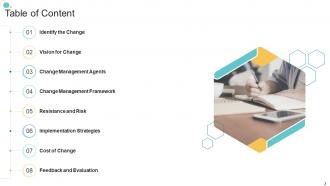
Slide 2: This slide presents table of contents.
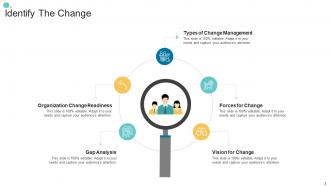
Slide 3: This slide exhibits 'Identify The Change'.
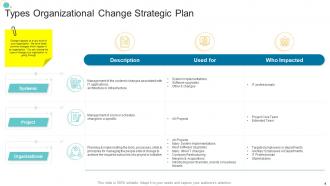
Slide 4: This slide shows 'Types Organizational Change Strategic Plan'.
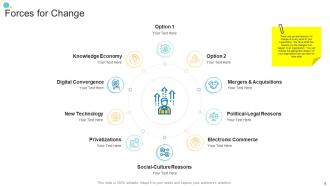
Slide 5: This slide depicts 'Forces for Change'.
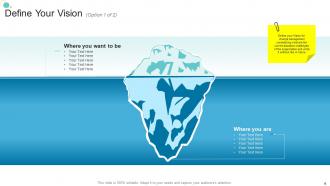
Slide 6: This slide define Your Vision.
Slide 7: This slide illustrates continued content.
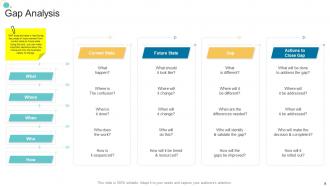
Slide 8: This slide highlights 'Gap Analysis'.
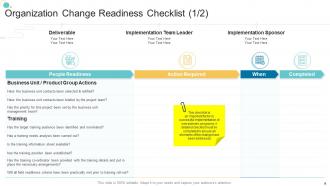
Slide 9: This slide displays 'Organization Change Readiness Checklist'.
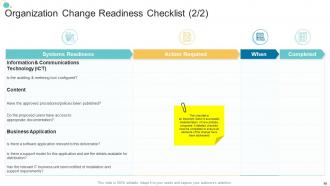
Slide 10: This slide presents continued content.
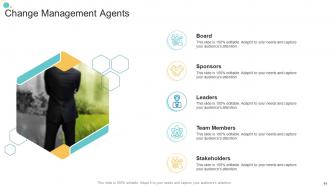
Slide 11: This slide exhibits 'Change Management Agents'.
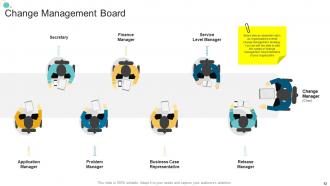
Slide 12: This slide shows 'Change Management Board'.
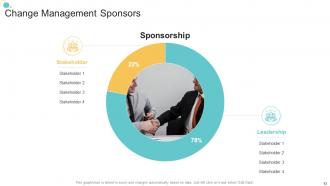
Slide 13: This slide depicts 'Change Management Sponsors'.
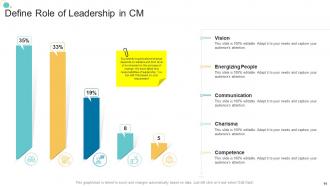
Slide 14: This slide define Role of Leadership in CM.
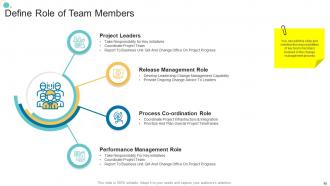
Slide 15: This slide define Role of Team Members.
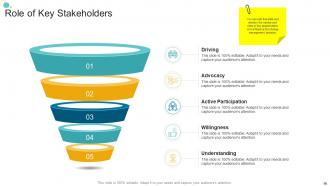
Slide 16: This slide illustrates 'Role of Key Stakeholders'.
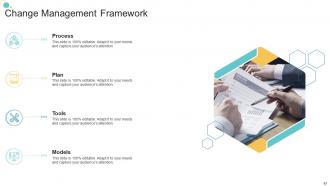
Slide 17: This slide highlights 'Change Management Framework'.
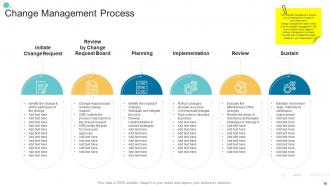
Slide 18: This slide displays 'Change Management Process'.
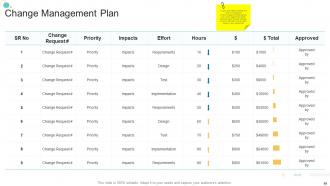
Slide 19: This slide presents 'Change Management Plan'.
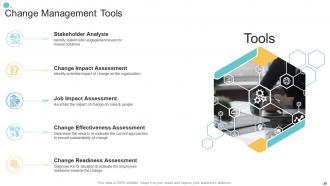
Slide 20: This slide exhibits 'Change Management Tools'.
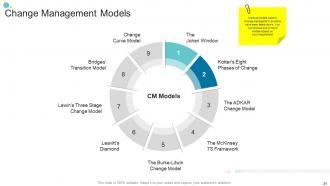
Slide 21: This slide shows 'Change Management Models'.
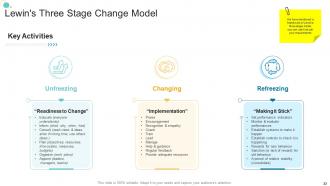
Slide 22: This slide depicts 'Lewin's Three Stage Change Model'.
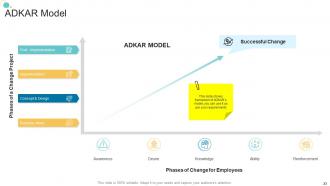
Slide 23: This slide shows framework of ADKAR’s model.
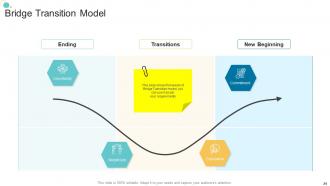
Slide 24: This slide shows framework of Bridge Transition model.
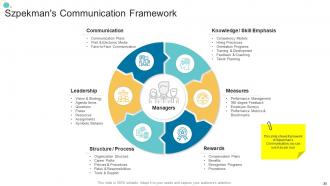
Slide 25: This slide shows framework of Szpekman's Communication.
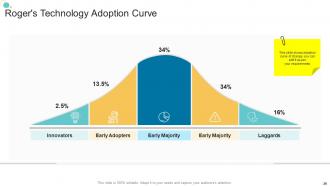
Slide 26: This slide shows Roger's technology adoption curve of change.
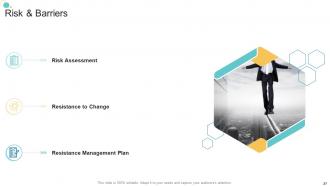
Slide 27: This slide depicts Risk & Barriers.
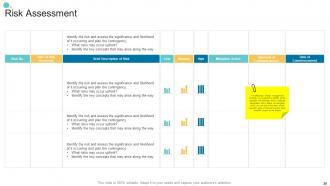
Slide 28: This slide highlights Risk Assessment.
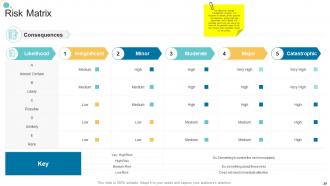
Slide 29: This slide displays Risk Matrix.
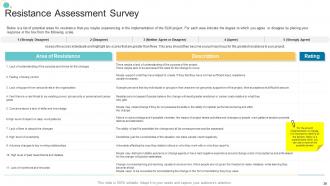
Slide 30: This slide presents 'Resistance Assessment Survey'.
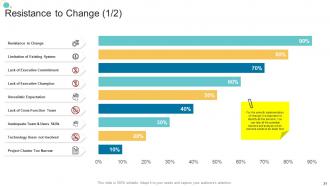
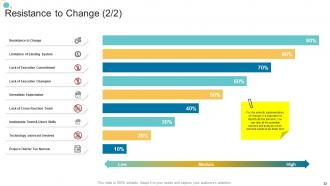
Slide 31: This slide exhibits 'Resistance to Change'.
Slide 32: This slide depicts continued content.
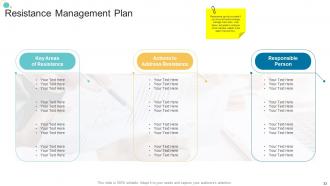
Slide 33: This slide shows 'Resistance Management Plan'.
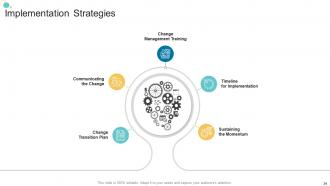
Slide 34: This slide highlights 'Implementation Strategies'.
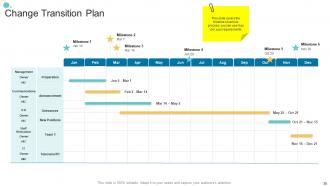
Slide 35: This slide covers the timeline of various process.
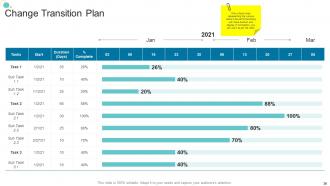
Slide 36: This a Gantt chart representing the various tasks to be performed along with there duration and degree of completion.
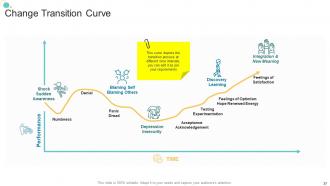
Slide 37: This slide depicts change transition curve that shows transition process at different time intervals.
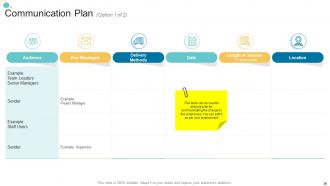
Slide 38: This slide displays 'Communication Plan'.
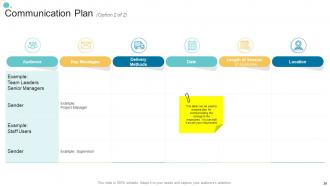
Slide 39: This slide presents continued content.
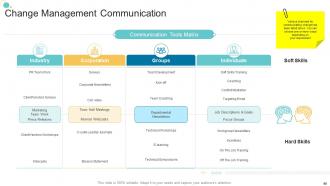
Slide 40: This slide exhibits 'Change Management Communication'.
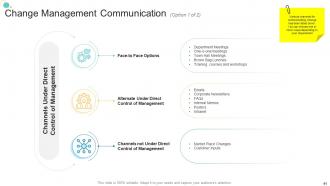
Slide 41: This slide shows more about Change Management Communication.
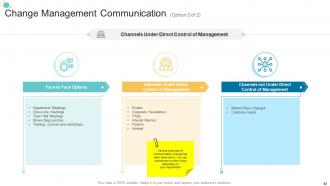
Slide 42: This slide depicts continued content.
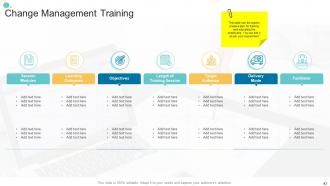
Slide 43: This slide illustrates 'Change Management Training'.
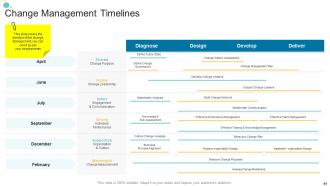
Slide 44: This slide highlights 'Change Management Timelines'.
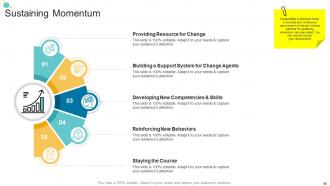
Slide 45: This slide shows 'Sustaining Momentum'.
Slide 46: This slide depicts 'Cost of Change Management'.
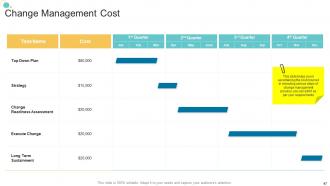
Slide 47: This slide displays 'Change Management Cost'.
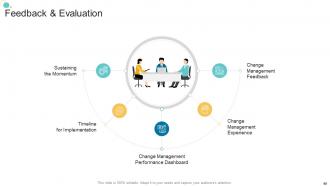
Slide 48: This slide presents 'Feedback & Evaluation'.
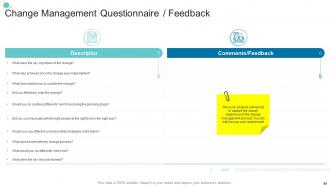
Slide 49: This slide exhibits 'Change Management Questionnaire / Feedback'.
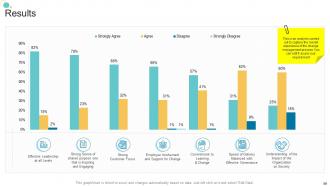
Slide 50: This slide showcases analysis carried out to capture the overall experience of the change management process.
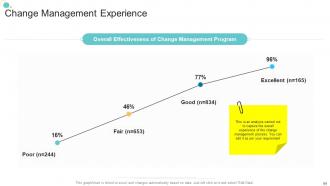
Slide 51: This slide depicts 'Change Management Experience'
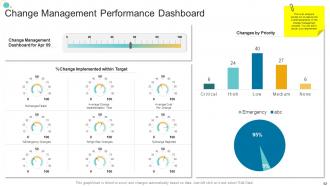
Slide 52: This slide illustrates 'Change Management Performance Dashboard'.
Slide 53: This is the icons slide.
Slide 54: This slide illustrates quote for coffee break.
Slide 55: This slide displays tile for charts & graphs.
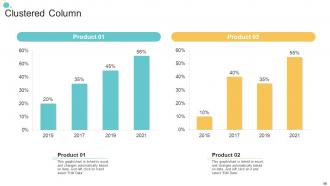
Slide 56: This slide exhibits yearly clustered column charts for different products. The charts are linked to Excel.
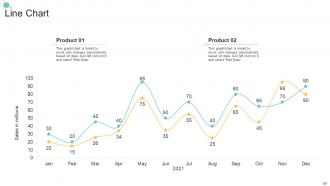
Slide 57: This slide presents monthly sales line charts for different products. The charts are linked to Excel.
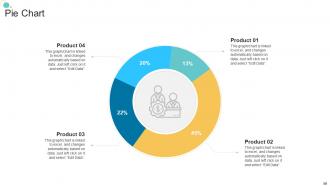
Slide 58: This slide shows pie charts for different products. The charts are linked to Excel.
Slide 59: This slide presents title for additional slides.
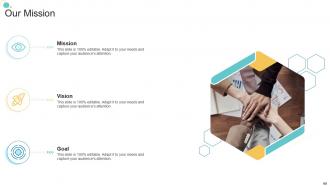
Slide 60: This slide presents your company's vision, mission and goals.
Slide 61: This slide shows details of team members like name, designation, etc.
Slide 62: This slide shows about your company, target audience and its client's values.
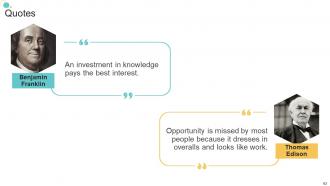
Slide 63: This slide depicts quotes of famous personalities.
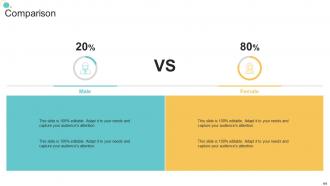
Slide 64: This slide highlights comparison of products based on selects.
Slide 65: This slide displays goals.
Slide 66: This slide displays puzzle.
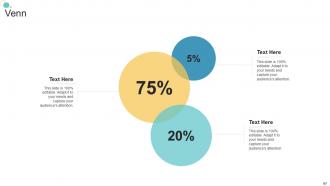
Slide 67: This slide displays Venn.
Slide 68: This slide shows targets.
Slide 69: This slide displays mind map.
Slide 70: This slide exhibits ideas generated.
Slide 71: This is thank you slide & contains contact details of company like office address, phone no., etc.
Organizational change strategic plan powerpoint presentation slides with all 71 slides:
Use our Organizational Change Strategic Plan Powerpoint Presentation Slides to effectively help you save your valuable time. They are readymade to fit into any presentation structure.

FAQs for Organizational change strategic plan
Honestly, it's mostly tech moving crazy fast plus everyone expecting instant results. Digital transformation is hitting every industry hard. Customers want everything now, and you've got random startups becoming billion-dollar companies seemingly overnight - which is wild if you think about it. Regulatory stuff keeps changing too. Remote work definitely sped things up. Plus there's always economic uncertainty throwing curveballs. The trick is spotting these shifts early so you're not playing catch-up later when everyone else already moved.
Dude, culture and structure will totally make or break your change efforts. People in innovative, risk-taking environments? They'll jump on new stuff way faster than those stuck in rigid places. Hierarchical companies are the worst for this - everything gets stuck waiting for approvals from the top. Flatter structures just move quicker, you know? I've watched amazing strategies completely crash because leadership just... ignored these things. Super frustrating. You've gotta check both before launching anything. If they're working against you, fix those problems first or you'll just keep hitting walls.
You're the change champion here, so your energy sets everything in motion. People mirror what they see from you - if you're not genuinely excited about this, forget about getting buy-in from anyone else. Communicate the "why" over and over (seriously, it takes like 7 times before it clicks). Don't just announce things and vanish. Check in regularly, address their concerns head-on, and actually show the behaviors you want. Oh, and celebrate those small wins - people need that stuff. Being visible throughout makes all the difference.
Get your baseline numbers first - seriously, I can't stress this enough. Track engagement surveys, productivity per employee, retention rates, and how often people call out sick. So many companies mess this up by skipping the "before" data and then have no idea if anything actually worked. Regular intervals matter too, not just measuring at the very end. Focus groups are clutch for the stuff surveys miss - sometimes people hate a change even when the numbers look good. Pick maybe 3-5 metrics that actually align with what you're trying to fix, not just random KPIs that sound important.
Look, most people freak out when they don't know what's coming or feel like decisions are being made without them. Start by explaining the "why" early and actually listen to their concerns - don't just brush them off. Get people involved in planning if you can. I've found that having a few change champions on your team makes a huge difference since they'll do half the convincing for you. Oh, and definitely provide training during transitions. Figure out who your main stakeholders are first, then build your whole communication approach around what's actually worrying them. Celebrate the small wins too.
Honestly, the key is starting the conversation way before you actually make any changes. Tell people WHY you're doing something, not just what's happening - nobody likes being blindsided at work. Mix up how you communicate too: emails, meetings, maybe a town hall if it's big enough. Keep your message consistent though, because mixed signals will tank people's trust real quick. Oh, and definitely create space for questions and pushback. Change sucks for most people, so acknowledge that it's tough instead of pretending everything's fine. Check in regularly after to catch problems early.
Honestly, the biggest headache you'll deal with is people just not wanting to change. Productivity always tanks at first while everyone figures out the new systems. Data migration can go horribly wrong too - I've heard horror stories about companies losing stuff during transfers. Budget-wise, expect it to cost way more than planned because these things always take forever. Oh, and don't try to change everything at once or people will lose their minds. Phase it out gradually and spend real money on training upfront. Trust me, fighting employee pushback later is so much worse than preventing it.
Dude, you HAVE to get your employees involved from day one. Trust me on this one. People will fight tooth and nail against changes they didn't help plan, but they'll actually push for stuff they had a hand in creating. Your frontline folks see problems that management totally misses too. Yeah, including everyone in planning meetings might feel slow at first - kinda like herding cats sometimes. But you'll fly through implementation later. Get key people in those planning sessions now. They'll give you better ideas and catch issues before they blow up in your face.
Honestly, there are three big frameworks everyone uses. Kotter's 8-Step Process is probably your best bet - it walks you through creating urgency, building coalitions, communicating vision, all that stuff. Most execs know it already which helps when you're presenting. ADKAR focuses more on individuals (Awareness, Desire, Knowledge, Ability, Reinforcement) and it's pretty practical since that's where change actually happens or dies. Then there's Lewin's old-school model - unfreeze, change, refreeze. Super simple but good for understanding why people freak out about change. I'd go with Kotter's first, though I sometimes think it's a bit much for smaller initiatives.
Change is messy and your team will feel it. People get thrown off when their usual routines get flipped upside down. Some will push back hard while others roll with it - honestly depends on personality types I guess. Communication patterns shift, roles get blurry, and suddenly nobody knows who's doing what. It's like everyone's fumbling around trying to figure out the new normal. Check in with people more than you think you need to. Let them vent their frustrations instead of bottling it up. Catch those collaboration issues early before they snowball into bigger problems.
Honestly, training can make or break your whole change thing. People need the actual skills to handle whatever's coming, not just hope they'll figure it out. I've watched so many projects crash because managers thought everyone would adapt naturally - spoiler alert, they don't. You can't just throw new processes at people and expect magic. Figure out what skills are missing first, then build learning that connects to your goals. Oh, and don't forget the "why" behind changes. People buy in way better when they understand the reasoning, not just the steps.
Think of change like gardening - you can't just plant seeds and walk away. Celebrate the small wins because honestly, people have zero attention span these days and forget why they even started. Monthly check-ins are a lifesaver for catching problems early. Your champions need fresh challenges or they'll get bored and drift off. The trick is making everything feel normal, not like more work piled on. Oh, and those team retrospectives? They're actually worth doing, even though everyone groans about meetings.
Ugh, communication breakdowns kill everything. You've gotta tell people WHY you're changing things - like, constantly. Get them involved early or they'll just dig in their heels. Mixed messages from leadership? Total disaster. I swear, companies try to flip their entire world overnight and wonder why everyone freaks out. Start small with some easy wins first. Build that momentum, then go bigger. Oh, and actually support your people through it - training, patience, whatever they need. Change sucks for everyone, so don't pretend it doesn't.
Honestly, the biggest mistake I see is companies jumping straight into changes without connecting them to actual business goals first. Map everything back to revenue, efficiency, whatever matters most to your company. Check in with leadership constantly - their priorities shift like crazy and you don't want to be working on yesterday's agenda. Build KPIs that show real impact, not just busy work metrics. Oh, and this part's huge - tell everyone WHY they're doing this stuff. People work way harder when they get the bigger picture instead of just following orders blindly.
Dude, external stakeholders are SO much more powerful than people think. Customers, suppliers, regulators - they can totally torpedo your changes if you're not careful. Map out who matters early on. I learned this the hard way watching a company do this "simple" internal restructure that completely blew up because they didn't loop in their main supplier. These people will either roll with your changes or fight back through contracts and market pressure. Oh, and community partners too - forgot about them initially. Keep talking to them throughout, not just at the start.
-
Amazing product with appealing content and design.
-
Great quality product.
-
Informative design.
-
Thanks for all your great templates they have saved me lots of time and accelerate my presentations. Great product, keep them up!
-
Good research work and creative work done on every template.
-
Graphics are very appealing to eyes.
-
Presentation Design is very nice, good work with the content as well.
-
Innovative and Colorful designs.
-
Perfect template with attractive color combination.
-
The Designed Graphic are very professional and classic.