

Pharma Supply Chain Distribution Flowchart




Try Before you Buy Download Free Sample Product
 Impress Your
 Audience
 100%
100% Editable
 Save Hours
 of Time


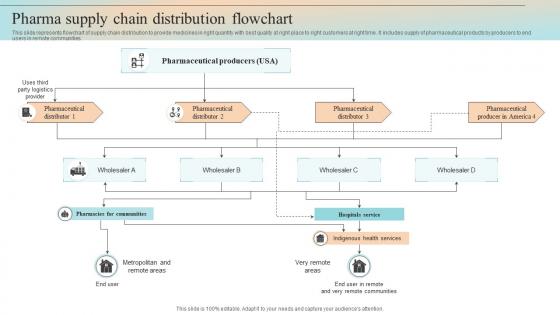
This slide represents flowchart of supply chain distribution to provide medicines in right quantity with best quality at right place to right customers at right time. It includes supply of pharmaceutical products by producers to end users in remote communities.
People who downloaded this PowerPoint presentation also viewed the following :
Pharma Supply Chain Distribution Flowchart with all 6 slides:
Use our Pharma Supply Chain Distribution Flowchart to effectively help you save your valuable time. They are readymade to fit into any presentation structure.





FAQs for Pharma Supply
Regulatory stuff is honestly the worst part - every country wants different serialization, so tracking becomes a mess. Cold chain management will make you want to pull your hair out, especially when you're dealing with global shipping. Counterfeit drugs are sneaking in everywhere too. Most companies still can't see their products moving in real-time, which is crazy in 2024. Oh, and don't get me started on shortages - we're way too dependent on single sources, plus all the geopolitical drama isn't helping. I'd start by figuring out where your visibility sucks most, then tackle whatever compliance deadlines are coming up first.
Dude, pharma supply chains are wild now compared to even five years ago. Blockchain lets you track pills from factory to pharmacy in minutes instead of weeks - that serialization stuff was a nightmare to implement but totally worth it. AI predicts demand way better than those old spreadsheets everyone used to rely on. RFID tags catch supply issues before they blow up, and IoT sensors keep vaccines at the right temp automatically. My buddy's warehouse went full robot last year and it's crazy fast now. Start with blockchain tracking if you're looking into this - regulators aren't backing down on traceability requirements.
Dude, pharma supply chain compliance is literally everywhere - manufacturing, storage, distribution, you name it. FDA guidelines are super strict. Cold chain has to stay perfect, serialization tracking is mandatory, and the documentation? Endless. Sometimes I wonder if we spend more time on paperwork than actual work lol. But here's the thing - one slip-up and they'll shut you down instantly. Building compliance into your processes from the start is way smarter than trying to fix everything later. That retrofit approach will cost you big time and stress everyone out.
Look, start with demand forecasting analytics - that's your quick win right there. Analytics helps predict what you'll need and when, so no more surprise stockouts or warehouse overflow. Real-time tracking becomes huge for temperature-sensitive stuff (seriously, one bad cold chain incident can wreck your whole quarter). You can catch bottlenecks early instead of scrambling later. Plus it shows you which suppliers actually deliver on time and which routes are burning money. The visibility alone changes everything - suddenly you're not flying blind anymore. Honestly think most pharma companies are still way behind on this.
Dude, don't even think about skipping validated cold chain packaging - I've watched people lose thousands that way. Get containers with backup cooling and real-time data loggers that'll ping you if temps go wonky. Your carriers better understand pharma stuff too, not just regular shipping. Pre-condition everything first, then map your whole route to spot where things could go wrong. Honestly, delays happen more than you'd think, so have backup plans ready. It's all about having multiple safety nets - one system fails and you're still covered.
Yeah, global disruptions totally screw with drug supply chains. Shortages hit hard, especially generics since most active ingredients come from like three manufacturing hubs in Asia. Shipping delays or one factory going down? Creates this massive domino effect everywhere. Honestly, it's wild how fragile the whole system is - everything's so interconnected now. I'd keep an eye on FDA shortage lists and try to work with multiple suppliers if you can. Price spikes are inevitable too, which sucks but that's just reality when supply gets squeezed.
Hey! So first thing - don't rely on just one supplier, especially for critical stuff. Spread your bets around different regions so if one area gets hit, you're not screwed. Get some solid tracking systems in place too, the real-time visibility is a game changer. Keep buffer inventory for the essentials (I learned this the hard way). Also, stay on top of your suppliers' financial health - audit them regularly so you catch problems early instead of scrambling when they go under. Being proactive saves you so many headaches down the road.
So basically each package gets its own unique ID - like a fingerprint but digital. Way better than the old batch tracking system that was honestly pretty messy. Now you can follow one specific bottle or box from the factory all the way to the pharmacy shelf. Counterfeits become way easier to spot, and recalls? Total game changer there. Instead of yanking thousands of products, you pinpoint exactly which ones are the problem. The tricky part is making sure your systems can actually talk to each other and share that serial data with everyone in the chain.
Dude, counterfeit drugs are seriously scary - some fakes are getting ridiculously sophisticated these days. They completely destroy trust between patients, suppliers, everyone. Regulators start breathing down your neck with extra oversight. You'll end up bleeding money on authentication tech and compliance stuff. The worst part? Legit manufacturers lose market share while drowning in liability issues and brand damage. My advice - invest in solid track-and-trace systems now and stick with verified suppliers you actually trust. Once counterfeits get into your supply chain, the cleanup costs are insane. Prevention beats damage control every time.
So basically, companies are switching to green packaging and carbon-neutral shipping now. Manufacturing facilities are going renewable too. Biodegradable stuff is replacing plastic packaging everywhere. They're optimizing delivery routes to cut emissions, and some pharma companies are using AI to reduce waste - which honestly seems like overkill but whatever works. Supply chain partners aren't just judged on cost and quality anymore. Environmental practices matter now too. Here's the thing though - sustainable suppliers cost more upfront, but they're better for long-term risk management and staying compliant with regulations. Worth considering for your procurement decisions.
Look, pharma supply chains are messy - so many regulations and moving parts. Strong partnerships between manufacturers and distributors make everything run smoother though. You'll get way better demand forecasting and fewer stockouts when everyone's actually talking to each other. Response times improve too when problems hit (and they always do). Honestly, the companies that share data transparently just perform better - less waste, smarter inventory decisions. My advice? Set up regular check-ins with your supply chain partners and get everyone using the same tech platforms. Makes collaboration actually happen instead of just being something you talk about in meetings.
Dude, emerging markets are totally flipping pharma supply chains on their head. India and China aren't just making everything now - they're also massive patient bases needing cheaper drugs. Companies have to completely rethink distribution, pricing, even what they develop first. Your supply chain better be flexible because regulatory stuff varies wildly between countries. Cost pressures are insane too. Honestly, the speed of this shift has been crazy to watch. If you're not planning around these markets, you're gonna miss huge opportunities. And probably some major risks while you're at it.
Focus on on-time delivery rates first - that's your bread and butter. Then track inventory turnover, how often you're running out of stock, and temperature compliance during shipping. Cost per unit matters way more than people realize, pharma isn't as profitable as everyone thinks! Cold chain stuff is absolutely critical though, one temp spike ruins everything. Also monitor your supplier quality scores and lead times from manufacturers. Oh, and batch traceability metrics since the regulatory folks will tear you apart without proper documentation. Build dashboards so you can see this stuff in real-time.
Dude, AI is seriously game-changing for pharmacy forecasting. It crunches through your sales history, seasonal patterns, patient demographics - even stuff like disease outbreaks that you wouldn't think to factor in. The accuracy boost vs old-school methods is honestly crazy impressive. Your inventory gets way more dialed in, which is huge when you're dealing with meds that expire fast. Plus the system keeps learning, so predictions just get better over time. Oh, and start with your priciest or most unpredictable stock first - that's where you'll see the biggest wins right away.
Honestly, it all comes down to remembering you're dealing with people's lives, not just moving products around. Patient access is huge - making sure underserved areas actually get what they need. Don't let companies price gouge during shortages (that stuff makes me so angry). Quality control throughout the whole chain matters too, plus being upfront when supply issues hit. Oh, and the environmental side is getting bigger - all that packaging and shipping adds up. Before any decision, just ask yourself: how does this affect actual patient outcomes? That question will guide you right.
-
Every time I ask for something out-of-the-box from them and they never fail in delivering that. No words for their excellence!
-
Colors used are bright and distinctive.