

Product portfolio launch powerpoint presentation slides





Try Before you Buy Download Free Sample Product
 Impress Your
 Audience
 100%
100% Editable
 Save Hours
 of Time


Keeping a record of all the ideas for new products and deciding which amongst them are best for investment is a challenging task. Therefore, we have provided content-ready product portfolio launch PowerPoint presentation slides that will help you manage your brand portfolios effectively. In the portfolio management PPT templates, we have included product research, idea, concept, design, prototyping, manufacturing concept, production, value proposition, market entry strategy, competitive brand analysis, buyer behaviour and launch stages. Moreover, you will also be enlightened with various related topics such as product lifecycle, product launch, portfolio launch, and launch process. Whether you want to manage individual products, a line of products, or both, download product portfolio launch presentation designs to excel at all the three levels of portfolio management. This will lead to a strong organization with planned goals. Identify external factors with our Product Portfolio Launch Powerpoint Presentation Slides. Assess the impact on your business.
People who downloaded this PowerPoint presentation also viewed the following :
Content of this Powerpoint Presentation
Slide 1: This slide introduces PRODUCT PORTFOLIO LAUNCH. State YOUR COMPANY NAME and get started.
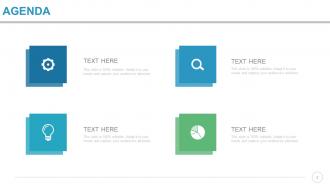
Slide 2: This slide showcases AGENDA. Add the company agenda and use it.
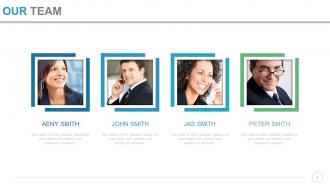
Slide 3: This slide showcases Our Team with Name and Designation to fill.
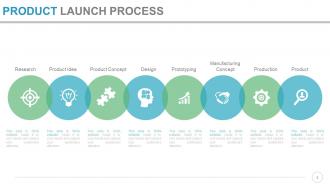
Slide 4: This slide presents product launch process with these of the different stages- Prototyping, Manufacturing Concept, Production, Product, Research, Product Idea, Product Concept, Design.
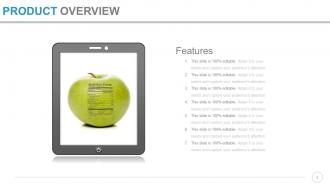
Slide 5: This slide shows product overview with the features you can add.
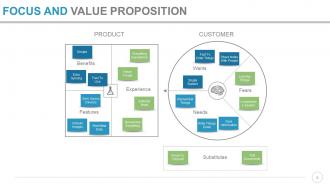
Slide 6: This slide presents focus and value proposition with these of the following features, characteristics and customer- Substitutes, Email To Yourself, Text Documents, CUSTOMER, Wants, Needs, Fears, Loosing Things, Locked Into A System, Fast To Enter Things, Share Notes With People, Single System, Save Information, Write Things Down, Remember Things, PRODUCT, Benefits, Features, Experience, Include Images, Rich Meta Data, Sync Across Devices, Everything Everywhere, External Brain, Remember Everything, Never Forget, Simple, Easy Syncing, Fast To Use.
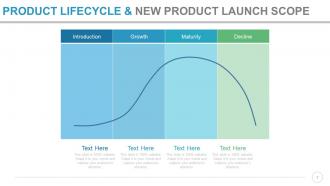
Slide 7: This slide presents product lifecycle and new product launch.
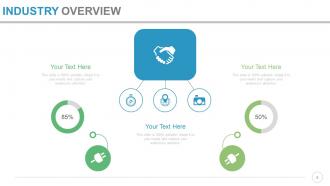
Slide 8: This slide showcases INDUSTRY OVERVIEW. Use this for adding the industry information and compare your company.
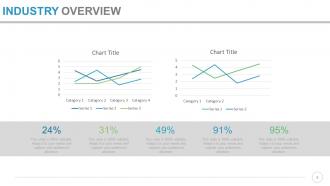
Slide 9: This slide presents industry overview. Add the chart and the percentage as per your requirement.
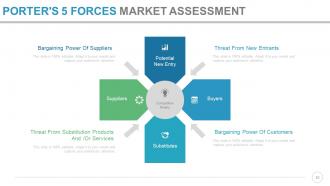
Slide 10: This slide shows PORTER'S 5 FORCES MARKET ASSESSMENT with these of the four stages- Threat From New Entrants, Bargaining Power Of Suppliers, Threat From Substitution Products And /Or Services, Bargaining Power Of Customers.
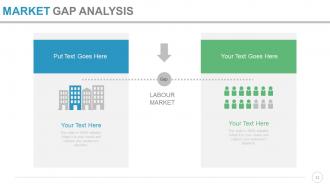
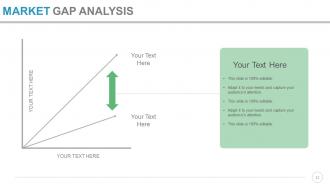
Slide 11: This slide presents MARKET GAP ANALYSIS which further presents LABOUR MARKET and Gap.
Slide 12: This slide presents MARKET GAP ANALYSIS chart.
Slide 13: This slide showcases market research findings.
Slide 14: This slide presents MARKET RESEARCH FINDINGS.
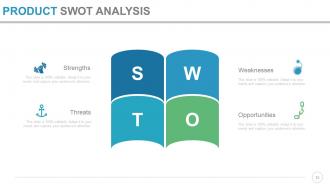
Slide 15: This slide shows product swot analysis with these four factors- Strengths, Weaknesses, Opportunities, Threats.
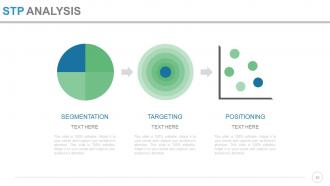
Slide 16: This slide presents STP ANALYSIS which further showcases- SEGMENTATION, TARGETING, POSITIONING.
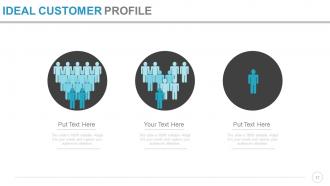
Slide 17: This slide showcases ideal customer profile.
Slide 18: This slide presents ideal customer profile.
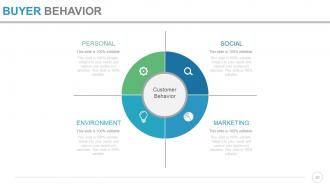
Slide 19: This slide showcases BUYER BEHAVIOR with three of the circular parameters you can add.
Slide 20: This slide presents BUYER BEHAVIOR which further includes Customer Behavior PERSONAL, SOCIAL ENVIRONMENT, MARKETING.
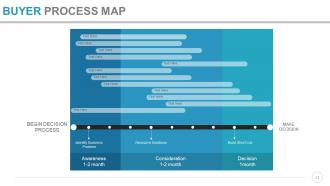
Slide 21: This slide showcases BUYER PROCESS MAP with these of the factors- Awareness, month, Identify Business Problem, Build Short List, Research Solutions, BEGIN DECISION PROCESS, MAKE DECISION.
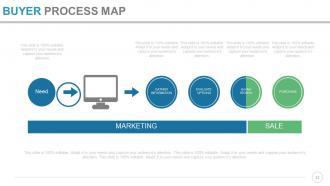
Slide 22: This slide showcases BUYER PROCESS MAP which further presents MARKETING SALE, Need, GATHER INFORMATION, EVALUATE OPTIONS, PURCHASE, BUYING DECISION.
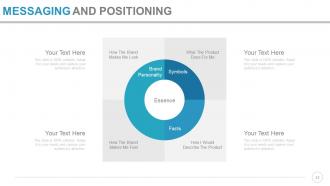
Slide 23: This slide presents MESSAGING AND POSITIONING using these four you can use these four important questions. How The Brand Makes Me Look, What The Product Does For Me, How The Brand Makes Me Feel, How I Would Describe The Product.
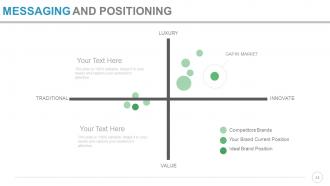
Slide 24: This slide showcases MESSAGING AND POSITIONING with these of the four important parameters- LUXURY, TRADITIONAL, INNOVATE, VALUE.
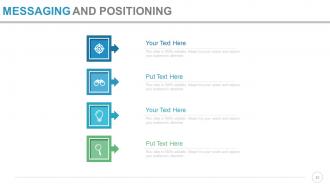
Slide 25: This slide presents messaging and positioning. Add you own data and use it.
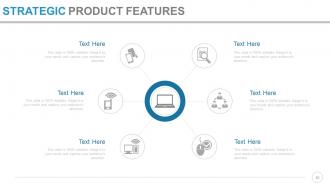
Slide 26: This slide showcases STRATEGIC PRODUCT FEATURES.
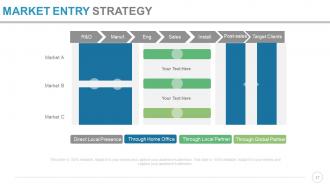
Slide 27: This slide presents MARKET ENTRY STRATEGY with three of the markets you can add and with different parameters.
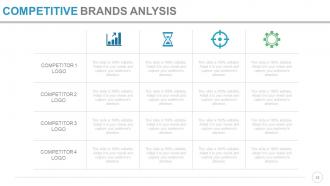
Slide 28: This slide showcases COMPETITOR 1 LOGO which further have these of the COMPETITIVE BRANDS ANLYSIS.
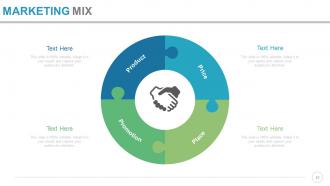
Slide 29: This slide presents MARKETING MIX with these four consideration- Product, Price, Place, Promotion.
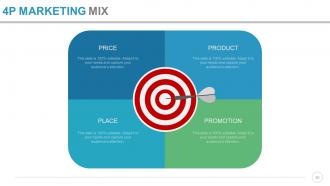
Slide 30: This slide showcases 4P MARKETING MIX with these four of the parameters- PRICE, PLACE, PRODUCT, PROMOTION.
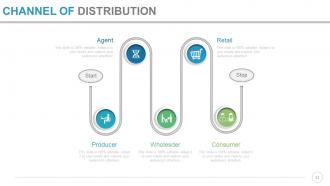
Slide 31: This slide presents CHANNEL OF DISTRIBUTION which further presents these of the five main channels- Producer, Wholesder, Consumer, Agent, Retail, Start, Stop.
Slide 32: This slide showcases channel of distribution.
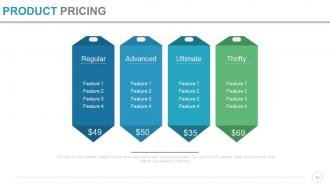
Slide 33: This slide shows product pricing.
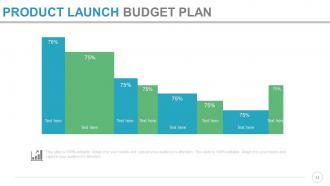
Slide 34: This slide shows product launch budget plan.
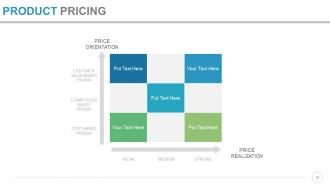
Slide 35: This slide presents PRODUCT PRICING with these of the simple steps we have used- CUSTOMER VALUE-BASED PRICING, COMPETITION BASED PRICING, COST-BASED PRICING, WEAK, MEDIUM, STRONG, PRICE, REALIZATION, PRICE, ORIENTATION.
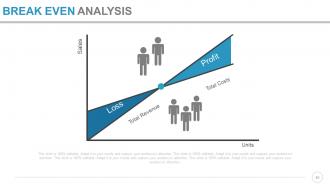
Slide 36: This slide shows break even analysis with these of the factors- LOSS, PROFIT, Sales, Units, Total Costs, Total Revenue.
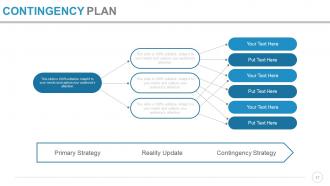
Slide 37: This slide presents CONTINGENCY PLAN which further showcases Primary Strategy, Reality Update, Contingency Strategy.
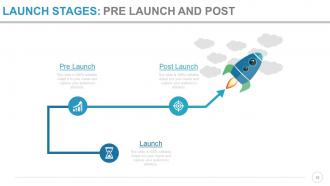
Slide 38: This slide showcases LAUNCH STAGES: PRE LAUNCH AND POST.
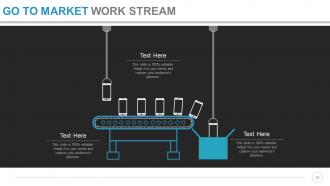
Slide 39: This slide presents GO TO MARKET WORK STREAM.
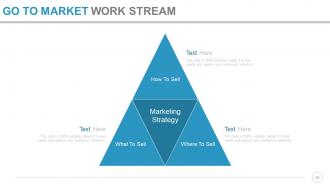
Slide 40: This slide showcases GO TO MARKET WORK STREAM with these strategies we have used- Marketing Strategy, How To Sell, Where To Sell, What To Sell.
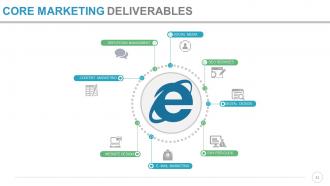
Slide 41: This slide presents CORE MARKETING DELIVERABLES with these of the important factors- WEBSITE DESIGN, E- MAIL MARKETING, PAY-PER-CLICK, DIGITAL DESIGN, SEO SERVICES, SOCIAL MEDIA, CONTENT MARKETING, REPUTATION MANAGEMENT.
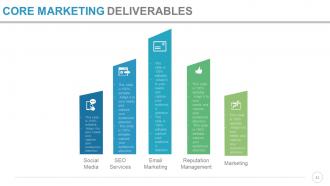
Slide 42: This slide showcases CORE MARKETING DELIVERABLES with these five criteria- Marketing, Social Media, SEO Services, Email Marketing, Reputation Management.
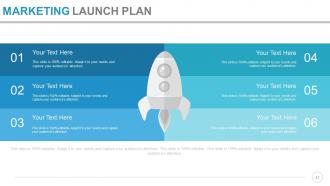
Slide 43: This slide presents MARKETING LAUNCH PLAN. Add your own content as per your requirement.
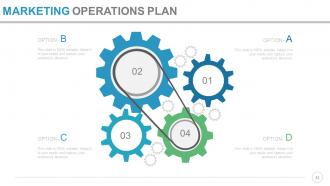
Slide 44: This slide showcases MARKETING OPERATIONS PLAN.
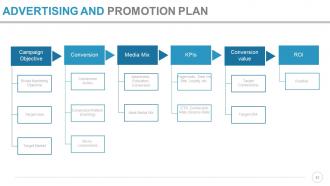
Slide 45: This slide presents advertising and promotional plan with these of the Campaign Objective, Broad Marketing Objective, Media Mix, KPIs, Conversion value, ROI.
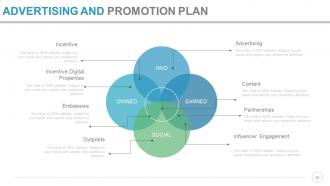
Slide 46: This slide presents advertising and promotional plan with these of the different stages- Incentive, Incentive Digital Properties, Embassies, Outposts, Advertising, Content, Partnerships, Influencer Engagement, PAID, SOCIAL, EARNED, OWNED.
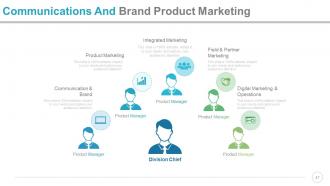
Slide 47: This slide presents Communications And Brand Product Marketing which further shows these of the main categories- Division Chief, Integrated Marketing, Product Marketing, Field & Partner Marketing, Communication & Brand, Digital Marketing & Operations.
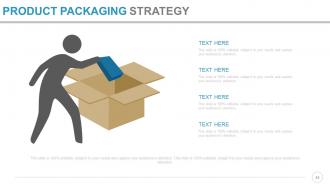
Slide 48: This slide showcases PRODUCT PACKAGING STRATEGY which further presents imagery and space for the necessary use.
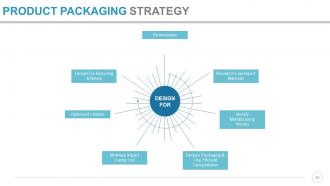
Slide 49: This slide shows PRODUCT PACKAGING STRATEGY which further presents DESIGN FOR Be Innovative, Reduce Packaging & Use Efficient Transportation, Minimize Impact During Use, Identify Manufacturing Wastes, Optimized Lifetime, Research Low Impact Materials, Design For Recycling & Reuse.
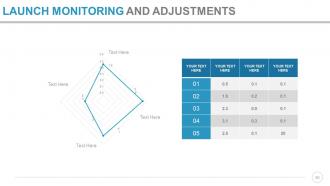
Slide 50: This slide presents LAUNCH MONITORING AND ADJUSTMENTS.
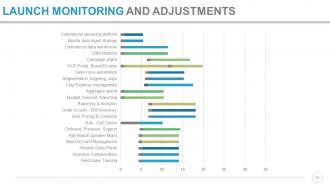
Slide 51: This slide showcases LAUNCH MONITORING AND ADJUSTMENTS.
Slide 52: This slide presents SALES STRATEGY with these of the parameters- Awareness, Consideration, Intent, Decision, Email/Webinar, Social, Paid Search, Referral/White Paper, Website, Demos, Trade Show, Sales.
Slide 53: This slide presents CORPORATE BUYER'S BUYING PROCESS with these of the steps involve in form of graph- Decision, Recommendation, Evaluation, Project, Initiative, Awareness, Strategy, Education, Interest, Investigation, Initial Interest, Project Definition, Solution, Decision, CXO, VP, MGR.
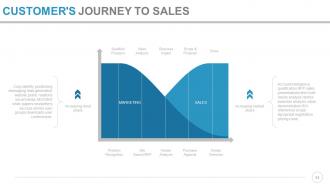
Slide 54: This slide presents CUSTOMER'S JOURNEY TO SALES which further showcases- Qualified Prospect, Need Analysis, Business Impact, Scope & Proposal, Close, Problem Recognition, Info Search/RFP, Vendor Analysis, Purchase Approval, Vendor Selection, Increasing market share.
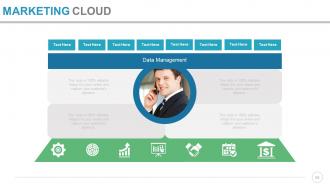
Slide 55: This slide showcases MARKETING CLOUD which further presents Data Management.
Slide 56: This idea shows an image of Bulb Or Idea to state your facts, notes etc.
Slide 57: This is a News Paper slide to flash company event, news or anything to highlight.
Slide 58: This is an About us slide to state company specifications etc
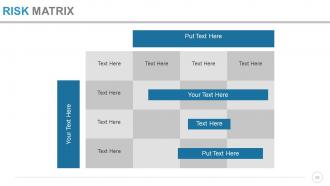
Slide 59: This slide presents RISK MATRIX. Add the data and use it.
Slide 60: This slide shows a Magnifying glass with text boxes.
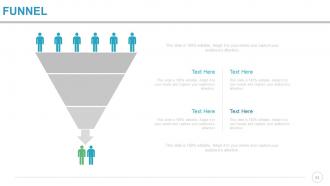
Slide 61: This is a Funnel slide. Showcase the funnel aspect of your team, company, product etc.
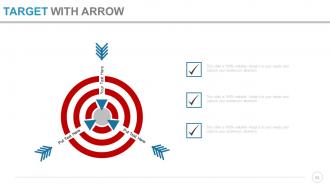
Slide 62: This is a Target slide. State targets here.
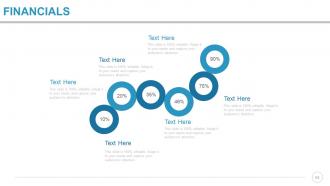
Slide 63: This slide is titled as Financials. Show finance related stuff here.
Slide 64: This is a Quotes slide to highlight, or state anything specific.
Slide 65: This is a Dashboard slide displaying- Revenue, Purchase Value, Units Sold.
Slide 66: This slide showcases Global Project Locations with a World map and text boxes to make it explicit.
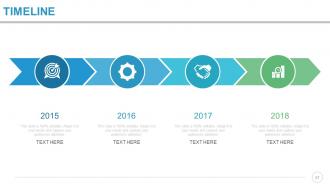
Slide 67: This slide shows Project Events Timeline with icons and text boxes.
Slide 68: This is a Thank You slide with Address# street number, city, state, Contact Number, Email Address.
Product portfolio launch powerpoint presentation slides with all 68 slides:
Use our Product Portfolio Launch Powerpoint Presentation Slides as a baton. Conduct the symphony of your thoughts.







FAQs for Product portfolio launch
Figure out who you're actually selling to first - that's everything. Map which products hit which audiences, then think about timing because launching similar stuff at once is just dumb (you'll compete with yourself). I've watched teams rush the market research part and it always bites them later. Budget and team capacity matter more than people think - portfolio launches are resource hogs compared to single drops. Honestly, sequence it so each launch builds momentum for the next instead of creating a mess. Oh, and pick your strongest product to lead with.
Market research shows you what customers actually want instead of what you think they want. Surveys, focus groups, competitor analysis - all that stuff helps you find market gaps and test if people will actually buy your product before you waste money building it. I'd start with customer interviews to figure out their biggest problems, then see which products could solve those issues. The data helps you decide what to prioritize based on pain points and what people will pay. Seriously, I've watched so many teams bomb because they trusted their gut instead of doing this homework first.
Dude, you HAVE to get customer feedback before launching anything. Seriously - I've watched so many teams get obsessed with their own brilliant ideas and totally bomb because nobody actually wanted what they built. Test everything: which features matter most, what people will actually pay, whether your products solve real problems or just seem clever to you. Focus groups, surveys, beta tests - whatever gets you honest answers. The trick is asking the right stuff early enough that you can still change direction if needed. Trust me, a little feedback now beats finding out you're wrong after you've spent all your money.
Different groups care about totally different stuff, so you can't use the same pitch for everyone. Investors want to see ROI numbers and market size - the money stuff. Customers just need to know how it fixes their actual problems. Your team's probably thinking "great, more work" so focus on how it helps their daily grind. Map out what each group needs first, then make separate presentations. Use real numbers and case studies instead of that "game-changing innovation" BS nobody buys anymore. Visual stuff works way better than walls of text too. Oh and make sure it ties back to your company's bigger picture - investors especially love that alignment thing.
Track your revenue growth and customer acquisition costs obviously, but the engagement stuff is where you'll really see what's working. Customer satisfaction scores, how fast people adopt new products, cross-selling between your different offerings. Time-to-market matters too - honestly that one's huge but people always forget about it. Market share gains are nice to have but harder to measure consistently. Set up some kind of weekly dashboard so you're not flying blind, because waiting for monthly reports is just asking for trouble when things go sideways.
Look, competitive analysis is basically your roadmap to finding the sweet spots everyone else missed. Map out 5-7 main players first - then dig into what they're NOT doing well. Price gaps, missing features, angry customer reviews... that's where you swoop in. Don't just look at obvious competitors either - sometimes the real threat comes from left field. I learned this the hard way once. Check adjacent markets too. You'll find 2-3 underserved segments pretty quick if you're paying attention. It's honestly like getting the answers before the test - shows you exactly where to throw your R&D money instead of guessing.
First thing - map each product to actual business goals like revenue or market expansion. Prioritize based on what'll actually move your key metrics (don't just launch everything because it feels exciting). Your timeline needs to match budget cycles and when you actually have resources available. Getting leadership buy-in early is huge - show them exactly how each product fits the bigger strategy. Oh, and create some kind of simple scorecard to track portfolio performance against your original objectives. That way you can pivot fast if something's not working. Honestly, most people skip that last part and regret it later.
Dude, cross-functional teams are honestly a game-changer for launches. You want marketing, product, sales, engineering, and support all in the same room from the start - none of this working in separate bubbles nonsense. Problems get spotted way earlier this way. Plus everyone actually knows what's going on instead of sales promising features that aren't ready yet (we've all been there). Start these meetings like 8-10 weeks out, but here's the key thing - make sure whoever shows up can actually make decisions. Otherwise you're just having meetings about meetings, which is my personal hell.
Honestly, the biggest headache is gonna be your teams fighting over budget and resources. Plus customers get super confused when you drop multiple products at once - I've seen companies totally bomb their launches this way. You need to stagger the timelines and maybe create separate teams for each product so they're not stepping on each other. Clear messaging is huge too - people need to know which product actually solves their problem. Oh, and definitely map out who needs what resources before everything goes sideways. Trust me, planning this stuff early saves you from chaos later.
Look, when you're launching multiple products together, branding is what stops everything from looking like a hot mess. I've watched people skip this step and customers just get confused about how things connect. Your brand basically becomes the thread that ties it all together - shows the value, builds trust, makes sense of the whole collection. Plus it sets you apart from competitors with similar stuff. Oh and once you get the branding right, everything else just clicks into place way easier. Don't sleep on this part, seriously.
Look, you really need digital marketing for this launch - there's no way around it. Without it, you're basically screaming into the void hoping someone notices (and trust me, they won't). Start by figuring out your customer journey for each product first. Then build campaigns that walk people from "what's this?" to actually buying. Social media and email work great together for this stuff. You can target different segments, see what's actually working, and keep your messaging consistent across everything. Oh, and content marketing helps too - people need to understand what you're selling before they'll buy it. Otherwise you're just crossing your fingers.
Start teasing stuff like 6-8 weeks out. Behind-the-scenes shots work really well - your team working, maybe some blurred product shots that don't give everything away. I'm obsessed with countdown campaigns right now, they actually get people hyped. Let your audience vote on features or colors through polls. Stories are perfect for this because they feel way more real than regular posts. Build that email list by offering early access. Oh, and post something related every few days so people don't forget about it. Seriously though, map out your content calendar now or you'll be scrambling later.
Honestly, figure out your success metrics before you launch - trust me on this one. I made that mistake once and spent weeks playing catch-up. Sales numbers and market share are obvious, but don't forget customer feedback through surveys too. The 30-60-90 day checkpoint thing actually works really well, way better than waiting forever to see how things went. Compare your real results against what you predicted, see which products are killing it vs. the duds. Oh and write down lessons learned right away while it's all still fresh - you'll thank yourself later when things get crazy again.
Look, UX will absolutely make or break this launch - I've seen it happen too many times. People need to instantly get how your products connect and flow together, otherwise they'll just bounce. Bad navigation kills momentum faster than anything else. You'll want smooth onboarding that feels natural, plus consistent design so everything looks like it belongs in the same family. Think of it as designing one big experience instead of separate pieces. Oh, and definitely map out those user journeys first - sounds boring but it's honestly the most important step.
Honestly, data privacy stuff should be your first stop - that's where companies get burned the worst. Don't oversell what your products actually do either, people hate feeling tricked. Inclusivity matters too... are you accidentally leaving out certain groups in your targeting? The whole sustainability thing is massive right now, so just be upfront about packaging and how things are made. Pricing is tricky - you don't want to come off like you're taking advantage of people who are desperate. Oh, and definitely run everything past legal first. Maybe grab a few teammates for a quick "does this feel sketchy" gut check before you launch.
-
Best way of representation of the topic.
-
Unique research projects to present in meeting.