


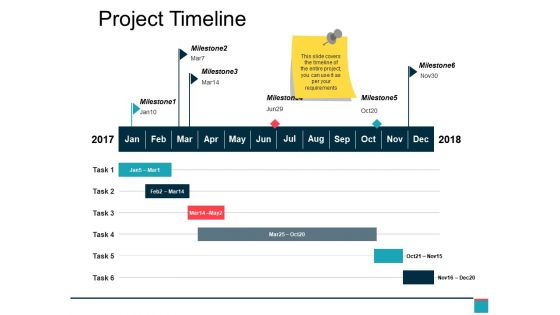
Project timeline ppt slides





Try Before you Buy Download Free Sample Product
 Impress Your
 Audience
 100%
100% Editable
 Save Hours
 of Time


Be completely hands on with our Project Timeline Ppt Slides. Be fully aware of every detail.
People who downloaded this PowerPoint presentation also viewed the following :
Project timeline ppt slides with all 5 slides:
Improve the functioning of existing devices with our Project Timeline Ppt Slides. Be able to bring in innovations.
FAQs for Project
Okay so for your timeline, definitely include the big milestones and who's doing what. Map out which tasks depend on others - that stuff always trips people up. Build in buffer time because I swear everything takes way longer than expected! Also track your start/end dates for each phase and any external approvals you're waiting on. Regular check-ins are clutch so you can pivot if things go sideways. Oh, and use something collaborative like Asana or whatever so everyone can see updates. Trust me, email chains about project status are the worst.
Honestly, timelines are a game-changer because nobody has to play that annoying guessing game of "wait, when's this due again?" You can see who's waiting on what from who, which stops people from sitting around blocked for days. The visual part is clutch too - everyone gets how their piece fits the whole thing. I always tell people to update it weekly in meetings (super quick, like 10 minutes max) so you can catch problems before they blow up. Trust me, it saves so much headache down the road when Sarah from marketing isn't scrambling last minute.
Honestly, Microsoft Project or Asana are pretty solid for Gantt charts if you need the whole dependency tracking thing. I've been obsessed with Notion lately - super customizable but yeah, it takes forever to set up initially. Trello's timeline view is decent too for smaller stuff. Here's the thing though - doesn't matter how fancy the tool is if your team won't use it consistently. I'd just start with whatever plays nice with what you're already using. You can always switch later once you figure out what actually works for your workflow.
First thing - list out every single task, even the boring ones you don't want to think about. Then be brutally honest about timing instead of optimistic (we're all guilty of this). I tack on at least 25% extra because Murphy's law is real. Check what similar stuff took you before if you can remember. Dependencies are annoying but you gotta map them out - like when Bob needs to finish his part before Sarah can even start. Oh and don't forget people take vacations at the worst possible times. Once you have everything mapped, work backwards from your deadline to see if you're dreaming or not.
Scope creep will absolutely destroy your timeline - stakeholders love throwing in "quick additions" that aren't quick at all. Unrealistic estimates are another killer, plus those sneaky dependencies that pop up out of nowhere. Build buffer time into everything, seriously. Weekly check-ins help you catch problems before they explode. Set up a proper change request process so random new features don't tank your whole project. Map out dependencies early and have backup plans ready. Oh, and tell people about delays the second you see them coming - not after you've already missed the deadline. That conversation only gets worse with time.
Honestly, visuals are a game-changer for project timelines. Way better than those boring text documents nobody wants to read. Gantt charts are solid, but I've seen simple color-coded calendars work great too - especially for smaller stuff. The cool thing is stakeholders get the big picture instantly without drowning in details. When things go sideways (and they always do), updating a visual timeline is so much easier than writing another novel-length email explaining what changed. Oh, and definitely use different colors for team members or phases. Makes status checks super quick.
So traditional project management is all about planning everything upfront - you know, those massive Gantt charts mapping out months of work with fixed deadlines. Agile's totally different. You work in short 2-4 week bursts and pivot based on what you discover. Traditional gives you that nice predictability, but good luck making changes midway through. Agile adapts super fast but makes it harder to plan way ahead. I always think of it like having a detailed vacation itinerary versus just picking a direction and seeing what happens. Choose based on how messy your project might get.
Oh man, you HAVE to get stakeholder input for timelines - I can't stress this enough. They know the real deal about constraints and when their teams are actually free. I once guessed legal review would take two weeks and it took six (facepalm). Without their input, you're just shooting in the dark about review cycles and availability. Get them involved early so you can spot bottlenecks and understand what else they're juggling. Trust me, it's way better than scrambling later when everything's behind schedule.
Oh man, I totally messed this up on my last project! Remote teams need way more buffer time - like 20% extra minimum. Those quick desk chats don't exist anymore, so you gotta be super deliberate about mapping out who needs what from whom. Shared project boards are a lifesaver for seeing where everyone's at. And honestly? People won't always speak up about being stuck, so regular check-ins are crucial. I usually schedule them weekly but some teams need more. The whole thing is just more intentional than in-person work - communication won't happen by accident anymore.
Check your timeline every week, or whenever you hit (or totally miss) a big milestone. Compare what actually happened vs what you planned. Based on what you're learning about how complex tasks really are, adjust future dates accordingly. Here's the thing though - don't just push everything back automatically. Look at your dependencies first. Maybe you can run some tasks at the same time or trim scope somewhere. Oh and definitely keep stakeholders in the loop as changes happen, not after you're already screwed. Set a recurring reminder or this thing will just collect dust.
Put milestones at major decision points or when you finish big deliverables - basically your key checkpoints. I space mine 2-4 weeks apart usually, closer than that feels like overkill tbh. Make each one super specific and measurable, like "design mockups approved" not just "design phase done." Here's what works for me: start with your biggest deliverables first, then figure out what smaller wins you need to hit along the way. That way there's zero confusion about whether you've actually reached a milestone or not.
Look, you gotta revise when big stuff changes - scope creeps, key people disappear, or tasks drag way longer than expected. Dependencies shift around too. I've watched so many PMs cling to dead timelines because they're scared to tell stakeholders the truth. Terrible idea. Better to pivot early than faceplant later. Track your weekly progress against milestones religiously - if you're 20%+ behind for two weeks running, time to bite the bullet. Have that awkward conversation and reset expectations. Trust me on this one.
Dude, external stuff will mess up your timeline if you don't see it coming. Regulatory changes are the worst - suddenly you're scrambling for new documentation or compliance stuff. Market shifts force you to change priorities or move resources around (honestly such a pain). Weather, politics, economic weirdness - all create delays you never planned for. I always build in buffer time from day one now. Have backup plans ready too. Oh and definitely warn stakeholders about these risks early on, otherwise they'll freak when things inevitably get pushed back.
Ugh, missed deadlines are the worst - everything just spirals from there. Your budget gets wrecked because you're paying people longer than planned. Stakeholders get pissed and stop trusting you for future stuff. The team starts dragging their feet when projects feel endless (been there). Then your delayed project crashes into other scheduled work and creates this whole mess of resource conflicts. I learned the hard way that you gotta catch slips early. Like, the second things start going sideways, get on the phone with stakeholders about what's actually realistic instead of pretending everything's fine.
Honestly, break those huge goals into tiny wins your team can actually hit. Nothing beats that feeling of crossing stuff off the list! Visual progress is everything - when people see how far they've come, it's like rocket fuel. Plus everyone gets why their piece matters in the bigger puzzle. Definitely celebrate the small milestones (even if it's just pizza or a shoutout). I learned this the hard way on my last project. You want it feeling like a bunch of victories instead of staring up at Mount Everest, you know?
-
Awesome use of colors and designs in product templates.
-
Use of different colors is good. It's simple and attractive.