


Diapositivas de presentación de PowerPoint del modelo de ingresos






Try Before you Buy Download Free Sample Product
 Impress Your
 Audience
 100%
100% Editable
 Save Hours
 of Time


Documente un plan de acción para generar ingresos para su negocio utilizando las diapositivas de presentación de PowerPoint del modelo de ingresos. Aumente el ROI del marketing, la productividad de las ventas y el crecimiento con la ayuda de las plantillas PPT del modelo de ingresos. Incorpore la presentación de diapositivas PPT del modelo de ingresos para identificar las áreas importantes para aumentar los ingresos. Tome decisiones comerciales beneficiosas con respecto a la planificación financiera utilizando una presentación completa de generación de ingresos lista para usar. Esta presentación lista para el contenido cubre temas como flujos de ingresos, modelo de ingresos, modelo de gastos, métodos de generación de ingresos, modelo de ingresos y más. Haga clic en el botón de descarga para tener en sus manos estas diapositivas de presentación de modelo de ingresos diseñadas profesionalmente y listas para usar y evaluar el estado de los ingresos de la empresa, descubrir los obstáculos y tomar decisiones comerciales beneficiosas. Elija el mejor curso con nuestras diapositivas de presentación en PowerPoint del modelo de ingresos. Preste la misma consideración a todos los ángulos.
People who downloaded this PowerPoint presentation also viewed the following :
Contenido de esta presentación de Powerpoint
Diapositiva 1 : esta diapositiva presenta el modelo de ingresos. Úselo para indicar el nombre de su empresa.
Diapositiva 2 : esta diapositiva muestra las fuentes de ingresos. Las fuentes de ingresos se han clasificado en 2 partes: fuentes presentes y fuentes futuras, y estas se pueden modificar según su modelo de ingresos.
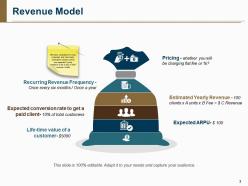
Diapositiva 3 : esta diapositiva presenta el modelo de ingresos. Hemos considerado los 6 factores más importantes y comúnmente considerados que los inversores esperan que formen parte de su modelo de ingresos. Estos son: valor de por vida de un cliente, precios, frecuencia de ingresos recurrentes, ingresos anuales estimados, tasa de conversión esperada para obtener un cliente pagado, ARPU esperado, modificarlos según su propio modelo de ingresos.
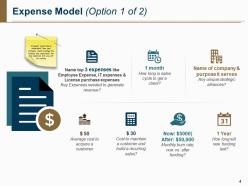
Diapositiva 4 : esta diapositiva muestra el modelo de gastos.
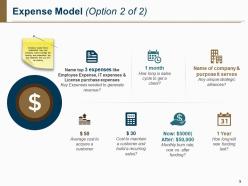
Diapositiva 5 : Esta diapositiva también muestra el modelo de gastos.
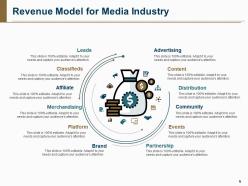
Diapositiva 6 : Esta diapositiva muestra el modelo de ingresos para la industria de los medios con los siguientes piontes: clientes potenciales, anuncios clasificados, afiliados, comercialización, plataforma, marca, asociación, publicidad, contenido, distribución, comunidad, eventos.
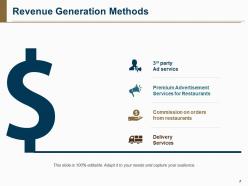
Diapositiva 7 : Esta es la presentación de diapositivas de Métodos de generación de ingresos: servicios de publicidad premium para restaurantes, comisión por pedidos de restaurantes, servicios de entrega, servicio de publicidad de terceros.
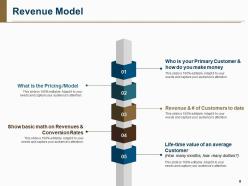
Diapositiva 8 : Esta es una presentación de diapositivas del modelo de ingresos: quién es su cliente principal y cómo gana dinero, ingresos y número de clientes hasta la fecha, valor de por vida de un cliente promedio, cuál es el precio / modelo, mostrar matemáticas básicas sobre Ingresos y Tasas de Conversión.
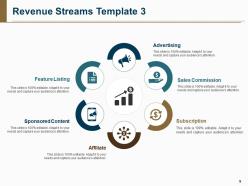
Diapositiva 9 : Esta diapositiva indica las fuentes de ingresos como: publicidad, comisión de ventas, suscripción, afiliado, contenido patrocinado, listado de funciones.
Diapositiva 10 : Esta diapositiva avanza a Cuadros y gráficos. Puede alterar / modificar el contenido según sus necesidades.
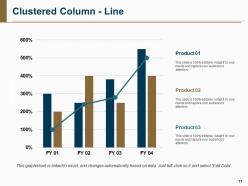
Diapositiva 11 : Esta es una columna agrupada: diapositiva de línea para presentar la comparación de producto / entidad, especificaciones, etc.
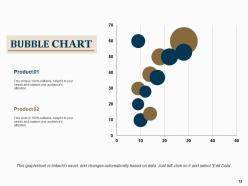
Diapositiva 12 : Esta es una diapositiva de gráfico de burbujas para presentar la comparación de productos / entidades, especificaciones, etc.
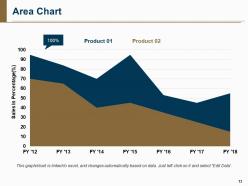
Diapositiva 13 : Esta es una diapositiva de Gráfico de áreas para presentar la comparación de productos / entidades, especificaciones, etc.
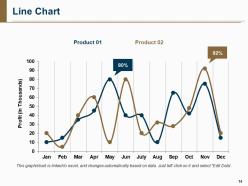
Diapositiva 14 : Esta es una diapositiva de Gráfico de líneas para presentar la comparación de productos / entidades, especificaciones, etc.
Diapositiva 15 : Esta es una imagen de Coffee Break para detener. Edite según sea necesario.
Diapositiva 16 : esta diapositiva se titula Diapositivas adicionales para avanzar. Edite según sea necesario.
Diapositiva 17 : Esta diapositiva contiene Nuestra misión con cuadros de texto.
Diapositiva 18 : Esta diapositiva ayuda a representar a Nuestro equipo con cuadros de texto.
Diapositiva 19 : Esta es una diapositiva Acerca de nosotros. Indique aquí las especificaciones de la empresa o el equipo.
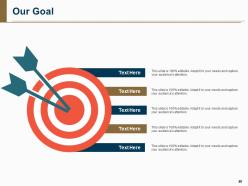
Diapositiva 20 : Esta es la diapositiva Nuestro objetivo. Indique aquí sus metas importantes.
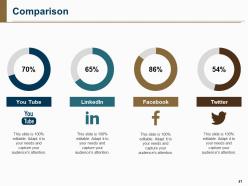
Diapositiva 21 : Esta es una diapositiva de comparación para comparar productos / entidades, etc.
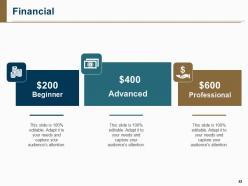
Diapositiva 22 : Esta es una diapositiva de Estadísticas financieras para indicar los aspectos financieros, etc.
Diapositiva 23 : Esta diapositiva presenta Cotizaciones. Exprese sus citas inspiradoras aquí. Puede cambiar el contenido de la diapositiva según sus necesidades.
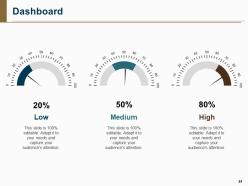
Diapositiva 24 : Esta diapositiva presenta el Tablero con parámetros bajos, medios y altos.
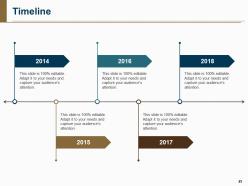
Diapositiva 25 : Esta es una diapositiva de la línea de tiempo para mostrar el crecimiento, los hitos, los factores destacados, etc.
Diapositiva 26 : Esta es la diapositiva de imagen de Nuestro objetivo. Indique sus objetivos aquí.
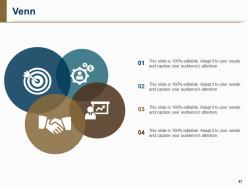
Diapositiva 27 : Esta es una diapositiva de imagen del diagrama de Venn para mostrar información, especificaciones, etc.
Diapositiva 28 : Esta es una diapositiva de siluetas de personas. Úselo de la manera que desee para mostrar soluciones, etc.
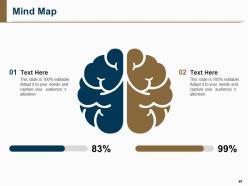
Diapositiva 29 : Esta es una diapositiva de imagen de mapa mental para mostrar información, especificaciones, etc.
Diapositiva 30 : Esta es una diapositiva de imagen de bombilla o idea para mostrar ideas, información innovadora, etc.
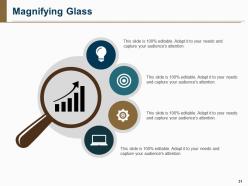
Diapositiva 31 : Esta es una diapositiva con imagen de lupa para mostrar información, especificaciones, etc.
Diapositiva 32 : Esta es una diapositiva de agradecimiento con dirección # número de calle, ciudad, estado, números de contacto, dirección de correo electrónico.
Diapositivas de presentación de PowerPoint del modelo de ingresos con las 32 diapositivas:
Los gemidos desaparecen con nuestras diapositivas de presentación de PowerPoint del modelo de ingresos. Todo el mundo empieza a sonreír de nuevo.











FAQs for Revenue Model
So there are basically three ways to make money: selling individual templates, doing subscription plans for unlimited downloads, and offering premium stuff like custom design work. Honestly? The subscription thing is where you'll really cash in - once people get addicted to your designs, they want access to everything. Oh, and definitely charge more for commercial licenses since businesses will totally pay extra to use your templates with their clients. I'd probably start with just selling individual ones first though, then add subscriptions once you've got enough content to make it worth the monthly fee.
Honestly, subscriptions work because people hate feeling like they wasted money. Bundle your templates into monthly plans and customers will keep downloading stuff to justify the cost. I'd start with a basic tier - maybe your most popular designs - and see what people actually use. The cool part is you can make subscribers feel special with exclusive templates or early access. Builds that VIP vibe, you know? Plus you'll get way better feedback since these are paying customers who actually care. Way better than random one-time buyers.
Here's the thing - pricing is basically a signal to customers about quality. Price too low and people think your templates are garbage before they even look. Psychology is weird like that. But go too high and you'll scare everyone off. You want that middle ground where people feel like they're getting a good deal without thinking you're cheap. Honestly, the best way is just testing different prices and seeing what converts. Your conversion rates will tell you exactly what people think your stuff is worth.
Map out where customers naturally hit upgrade points - usage limits, milestones, stuff like that. Cross-selling works when you bundle things that actually make sense together, not random add-ons. Honestly, most companies screw this up by being way too aggressive about it. Your offers need to feel helpful, not like you're just trying to squeeze more money out of people. Set up triggers in your CRM so your team knows when to jump in. I'd start with finding your top 3 moments where upgrades make obvious sense, then build around those.
Freemium's honestly pretty smart for presentation templates - people get to try your stuff before spending money, which builds trust. Plus free users bring in tons of traffic. But here's the thing: most people will never upgrade. Like, ever. Conversion rates are usually around 2-5%, which kinda sucks. You'll also burn through way more content since everyone expects fresh free templates constantly. I'd start with maybe 5-10 really good free ones that show off your skills, then put the fancy designs behind a paywall. Oh, and make sure those free templates actually look decent - nothing worse than crappy freebies that scare people away.
Look, customer feedback is basically your cheat sheet for pricing stuff right. People tell you straight up when prices are too high or when your packages make zero sense. I've watched companies totally overhaul their billing because customers kept complaining it was too complicated - which honestly makes sense. Your users also spot ways to use your product you probably never thought of, which can mean new ways to make money. Set up surveys, dig through support tickets, actually talk to people. The trick is doing something with what they tell you instead of just collecting it and forgetting about it.
Oh totally! Back-to-school season is huge - August/September you'll see crazy spikes when everyone's scrambling for presentation templates. New Year's another goldmine with all the planning decks people need. Holidays are dead though, nobody wants to mess with work stuff on vacation (can't blame them honestly). Q4 might surprise you with how slow it gets despite other industries being slammed. Conference season in spring brings things back up. I'd time your marketing around those peaks and maybe throw together some themed templates when demand's high. Easy revenue boost right there.
Dude, educational partnerships are actually a goldmine if you do them right. Course licensing brings in direct cash, same with certification programs or building custom training for them. But here's the cool part - you get access to their entire student network for recruiting or selling your stuff. Universities are always down to collaborate on research projects too, which can turn into grant money or licensing deals later. Oh, and it's basically free market research since you're working directly with your target audience. Just don't go in with some vague "let's work together" pitch - they hear that garbage all day. Find schools that match what you're good at and propose something specific.
CLV to CAC ratio is what you really need to watch - that's your main thing. Monthly recurring revenue growth and churn rate matter too, plus average revenue per user. Most founders get caught up in follower counts and stuff that doesn't actually matter. Conversion rates at each funnel stage will show you where people drop off. Oh, and time-to-payback on new customers is clutch. If you're doing subscriptions, expansion revenue from current customers can be bigger than new signups sometimes. I'd check these weekly so you catch problems before they get worse.
So tiered pricing is basically where you set up different price levels for different types of customers. Budget people get the basic version, heavy users pay more for premium features - makes total sense, right? You're not missing out on money from either group this way. Small companies can start cheap while big enterprises drop serious cash for the fancy stuff. Each tier needs to feel worth it though, and customers should easily see the differences. Oh, and definitely figure out who your customers actually are first - like what they need vs. what they'll pay for. Game changer honestly.
Yeah, custom templates can definitely make you more money if you price them right. People pay extra for personalized stuff, so your margins are usually better. Plus customers stick around longer when they're invested in something custom-made for them. The catch? Development takes way longer and support gets messy - I've seen too many companies totally underestimate the ongoing headaches. Honestly, test it with your biggest clients first. Figure out what it actually costs you before you go crazy and offer it to everyone. That way you won't price yourself into a corner later.
Dude, user-generated content is honestly a money maker. Your users basically create content for free, which cuts your costs big time. That authentic stuff performs way better than polished ads too - people trust it more. Here's what's cool: you get massive insight into what your audience actually wants. Some brands even license user photos or feature them in paid products. The trick is making it super simple for people to share stuff, then figuring out how to turn that content into cash. Oh, and having good systems to organize it all - otherwise you'll drown in submissions.
Honestly, there's a bunch of ways to make money from free templates. The freemium thing works really well - give away basic stuff, then charge for the fancy versions. Lead magnets are huge too. People download your free template, join your email list, then you can sell them courses or whatever. Some folks do licensing deals with bigger companies, which is pretty sweet if you can swing it. Oh, and tiered access is solid - like free for personal use but businesses pay. The trick is making sure your free stuff doesn't suck, because if it does, nobody's gonna trust you enough to buy anything. I'd probably start with just one approach and see what sticks before going crazy with it.
Honestly, global markets will mess with your revenue model constantly. Emerging markets need freemium or cheaper tiers since people just can't afford premium pricing. Currency swings are brutal too - found that out the hard way last quarter when the dollar went crazy. But hey, mature markets are where you can actually push those enterprise deals and premium subscriptions. Oh, and cultural stuff matters more than you'd think. Some places hate subscriptions and want one-time purchases instead. You've gotta build in flexibility so you can switch up pricing and payment options depending on where your customers are. It's honestly exhausting but necessary.
So customer segmentation is basically figuring out which groups will pay what. Different segments have totally different spending habits and what they actually value - enterprise customers might drop serious cash on premium features while startups couldn't care less about that stuff. You can spot your highest-value segments and focus your marketing budget there instead of just throwing money around everywhere (which honestly most companies do way too much). The trick is matching each segment to the right pricing tier. I'd start by looking at your current customers' behavior. See if there are any obvious patterns in how much they're spending and go from there.
-
Professional and unique presentations.
-
Best Representation of topics, really appreciable.