

Risk Based Approaches To Quality Management Powerpoint Presentation Slides






Try Before you Buy Download Free Sample Product
 Impress Your
 Audience
 100%
100% Editable
 Save Hours
 of Time


Pay attention to our content-ready risk based approaches to quality management PowerPoint presentation slides. These business risk management PPT templates help you ensure the reliability of process and data. The quality management risk assessment presentation graphics document the necessary information such as quality assurance, company focus, leadership benefit, process approach, supplier relations, service gap model, cost analysis and financial ratio. Our predesigned quality control liability PPT illustrations ensure that your products meet the consumer expectations. These six sigma risk analysis presentation visuals help you assess your organization both analytically and creatively. You can also make use of our audit checklist risk identification PowerPoint slides in other topics such as trait improvement uncertainty, theory of constraints, quality planning, operational planning risk analysis, manufacturing approval process, DMAIC model, strategy planning, QA management, and merchant adoption risk. Simply download our risk based approaches to quality management PPT designs and deliver reliable product to your consumer!. Get your audience shaken and stirred. Our Risk Based Approaches To Quality Management Powerpoint Presentation Slides are licensed to thrill.
People who downloaded this PowerPoint presentation also viewed the following :
Content of this Powerpoint Presentation
Slide 1: This slide introduces Risk Based Approaches to Quality Management.
Slide 2: This slide showcases AGENDA. Take the company agenda and make use of it.
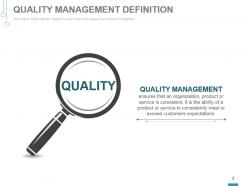
Slide 3: This slide presents quality management ensures that an organization, product or service is consistent. It is the ability of a product or service to consistently meet or exceed customers expectations.
Slide 4: This slide shows FOUR MAIN COMPONENTS OF QUALITY MANAGEMENT with these of the four parameters you can use- Quality Improvement, Quality Planning, Quality Control, Quality Assurance, Quality Management.
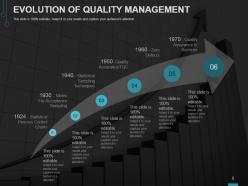
Slide 5: This slide shows evolution of quality management with Statistical Process Control Charts, Tables For Acceptance Sampling, Statistical Sampling Techniques, Quality Assurance/TQC, Zero Defects, Quality Assurance In Services.
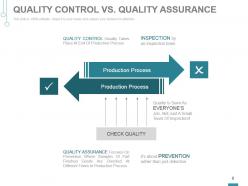
Slide 6: This slide shows quality control VS. quality assurance Production Process, Production Process, CHECK QUALITY, INSPECTION by an inspection team.
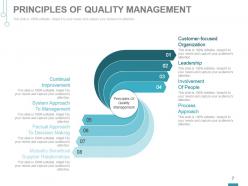
Slide 7: This slide showcases 8 principles of quality management Principles Of Quality Management Customer-focused Organization, Leadership, Involvement Of People, Process Approach, Continual Improvement, System Approach To Management, Factual Approach To Decision Making, Mutually Beneficial Supplier Relationships.
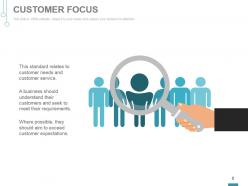
Slide 8: This slide shows 8 customer focus.
Slide 9: This slide showcases 8 benefits of customer focus.
Slide 10: This slide shows 8 leadership.
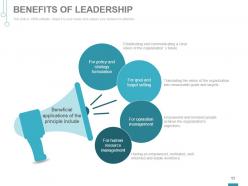
Slide 11: This slide presents 8 benefits of leadership.
Slide 12: This slide showcases 8 involvement of people.
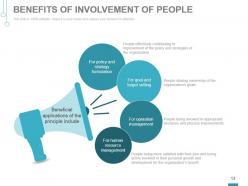
Slide 13: This slide shows 8 benefits of leadership.
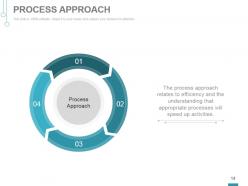
Slide 14: This slide showcases 8 PROCESS APPROACH which further presents Process Approach. The process approach relates to efficiency and the understanding that appropriate processes will speed up activities.
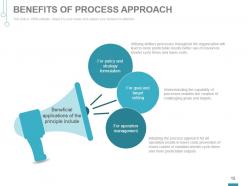
Slide 15: This slide presents 8 benefits of process approach with these- For policy and strategy formulation, For goal and target setting, For operation management.
Slide 16: This slide showcases 8 system approach to maangement.
Slide 17: This slide shows 8 benefits of system approach to management For policy and strategy formulation, For goal and target setting, For operation management, For human resource management.
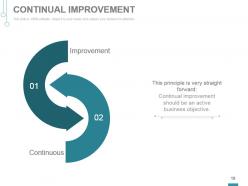
Slide 18: This slide showcases 8 continual improvement with these two processes- Continuous, Improvement.
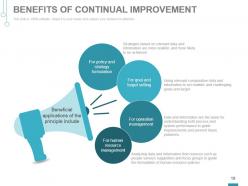
Slide 19: This slide shows 8 BENEFITS OF CONTINUAL IMPROVEMENT.
Slide 20: This slide presents factual approach to decision making.
Slide 21: This slide showcase benefits of approach to decision making.
Slide 22: This slide shows mutually beneficial supplier realtions- Mutually Beneficial, Supplier Relations.
Slide 23: This slide showcases benefits of mutually beneficial supplier relation.
Slide 24: This slide showcases dimension of quality Performance Quality 1, Features Quality 2, Reliability Quality 3, Durability Quality 4, Conformance Quality 5, Serviceability Quality 6, Aesthetics Quality 7, Perceived Quality.
Slide 25: This slide showcases the dimension: performance and features.
Slide 26: This slide showcases THE DIMENSIONS: RELIABILITY AND DURABILITY- Durability, Reliability.
Slide 27: This slide showcase the dimensions: serviceability and aesrgetics.
Slide 28: This slide presents the dimesions: conformance and percieved quality.
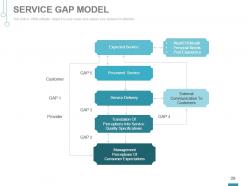
Slide 29: This slide showcases SERVICE GAP MODEL with these of the Customer, Provider, Management Perceptions Of Consumer Expectations, Perceived Service, Service Delivery, Translation Of Perceptions Into Service Quality Specifications External Communication To Customers, Expected Service, World Of Mouth, Personal Needs, Post Experience.
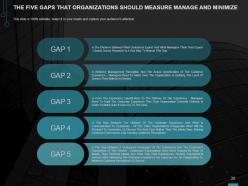
Slide 30: This slide showcase the five gaps that organisation should measure manage and minimize.
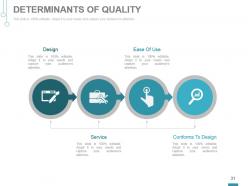
Slide 31: This slide determinants of quality with these four stages- Design, Ease Of Use, Conforms To Design, Service.
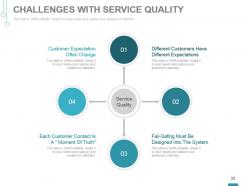
Slide 32: This slide showcases CHALLENGES WITH SERVICE QUALITY Different Customers Have Different Expectations, Fail-Safing Must Be Designed Into The System, Customer Expectation Often Change, Each Customer Contact Is A “ Moment Of Truth", Service Quality.
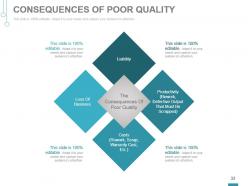
Slide 33: This slide showcases consequences of poor quality which further showcases- Loss Of Business, Liability, Productivity,
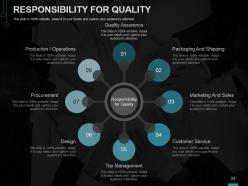
Slide 34: This slide showcases responsibility for quality which further presents - Top Management, Quality Assurance, Packaging And Shipping, Marketing And Sales, Customer Service, Production / Operations, Procurement, Design, Responsibility for Quality.
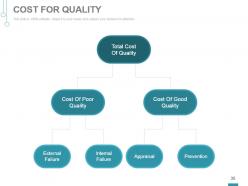
Slide 35: This slide presents cost for quality with these of the consideration- Appraisal, Prevention, External Failure, Internal Failure, Total Cost Of Quality, Cost Of Poor Quality, Cost Of Good Quality.
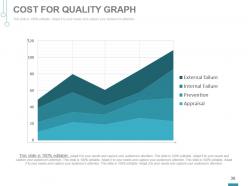
Slide 36: This slide shows cost for quality graph.
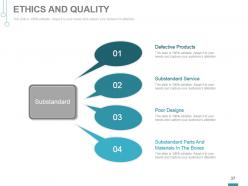
Slide 37: This slide showcases ethics and quality Defective Products, Substandard Service, Poor Designs, Substandard Parts And Materials In The Boxes, Substandard.
Slide 38: This slide is titled Additional Slides to move forward.
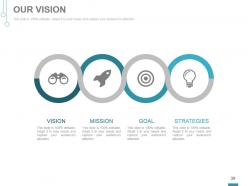
Slide 39: This is a Vision, Mission and Goals slide. State them here.
Slide 40: This is an Our Team slide with name, image &text boxes to put the required information.
Slide 41: This is an Our Goal slide. State them here.
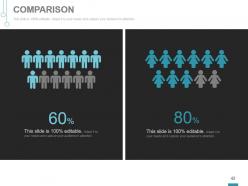
Slide 42: This slide shows Comparison of Positive Factors v/s Negative Factors with thumbs up and thumb down imagery.
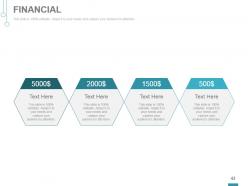
Slide 43: This is a Financial Score slide to show financial aspects here.
Slide 44: This is a Quotes slide to convey message, beliefs etc.
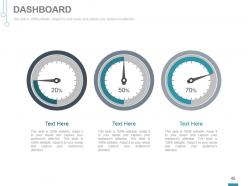
Slide 45: This is a Dashboard slide to show- Strategic System, Success, Goal Process, Sales Review, Communication Study.
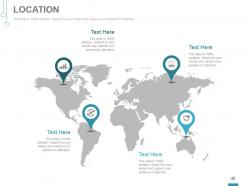
Slide 46: This is a Location slide to show global growth, presence etc. on world map.
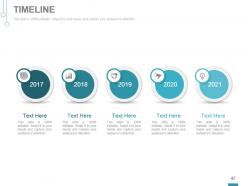
Slide 47: This is a Timelines slide to show- Plan, Budget, Schedule, Review.
Slide 48: This slide shows an image with text boxes titled Business Person with Post It notes.
Slide 49: This is a Puzzle image slide to show information, specification etc.
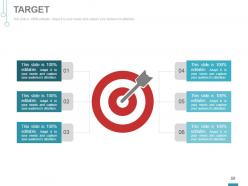
Slide 50: This is a Target slide with the following subheadings- Current Situation, Competitive Analysis, Target Segments, Vision, Positioning.
Slide 51: This slide displays Our Target with a background image.
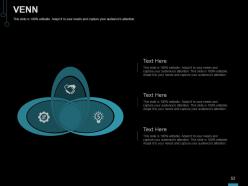
Slide 52: This is a Venn diagram image slide to show information, specifications etc.
Slide 53: This slide showcases a Matrix with the following content- Development Clients, Dilemna Clients, Star Clients, High Value Clients.
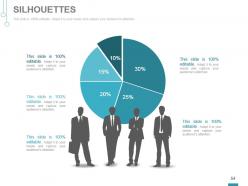
Slide 54: This is a Silhouettes image slide with the subheadings- INVENTORY, PAYMENT, CASH, CREDITCARD, CHECKOUT.
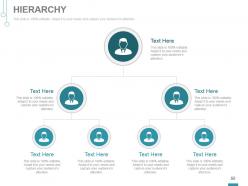
Slide 55: This is a Hierarchy slide showing- Supply Chain Manager, Supply Chain Council, Sourcing, Supplier Quality Engineer, Procurement, Logistics & Management, Supplier Management, Student, Contract Management.
Slide 56: This is a Bulb Or Idea image slide to show information, innovative aspects etc.
Slide 57: This is a Magnifying glass image slide to show information, scoping aspects etc.
Slide 58: This is a Bar Graph image slide to show product comparison, growth etc.
Slide 59: This slide showcases a Funnel with text boxes. State information, process in funnel form here.
Slide 60: This is a Thank You slide with Address# street number, city, state, Contact Numbers, Email Address.
Risk Based Approaches To Quality Management Powerpoint Presentation Slides with all 60 slides:
Our Risk Based Approaches To Quality Management Powerpoint Presentation Slides are ideal for any job. It even caters for impulsive ideas.
-

Risk Based Approaches to Quality Management
-
Agenda Slide
-
QUALITY MANAGEMENT DEFINITION
-

Four Main Components of Quality Management
-
Evolution of Quality Management
-
QUALITY CONTROL VS QUALITY ASSURANCE
-
Principles of Quality Management
-
Customer Focus
-

Benefits of Customer Focus
-

Leadership
-
Benefits of Leadership
-

Involvement of People
-
Benefits of Involvement of People
-
Process Approach
-
Benefits of Process Approach
-

System Approach to Management
-

Benefits of System Approach to Management
-
Continual Improvement
-
Benefits of Continual Improvement
-
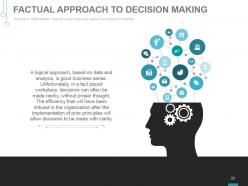
Factual Approach to Decision Making
-
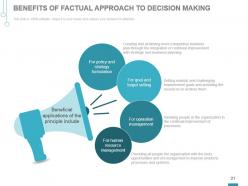
Benefits of Factual Approach to Decision Making
-

Mutually Beneficial Supplier Relations
-
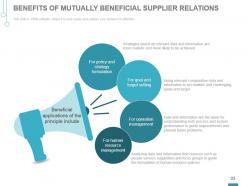
Benefits of Mutually Beneficial Supplier Relations
-
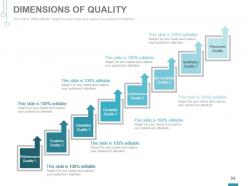
Dimensions of Quality
-
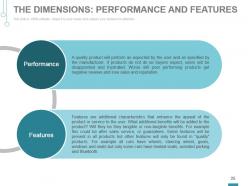
The Dimensions Performance and Features
-
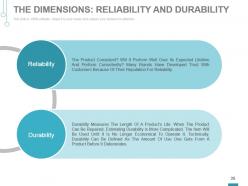
The Dimensions Reliability and Durability
-
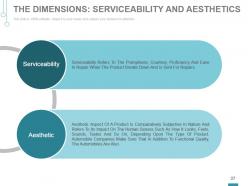
The Dimensions Serviceability and Aesthetics
-
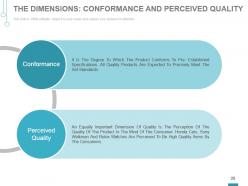
The Dimensions Conformance and Perceived Quality
-
SERVICE GAP MODEL
-
The Five Gaps That Organizations Should Measure Manage And Minimize
-
Determinants of Quality
-
CHALLENGES WITH SERVICE QUALITY
-
Consequences of Poor Quality
-
RESPONSIBILITY FOR QUALITY
-
Cost for Quality
-
Cost for Quality Graph
-
Ethics and Quality
-

Additional Slide
-
OUR VISION
-

OUR TEAM
-

OUR GOAL
-
Comparison
-
Financial
-

Quotes
-
Dashboard
-
Location
-
Timeline
-

Post It
-

Puzzle
-
Target
-
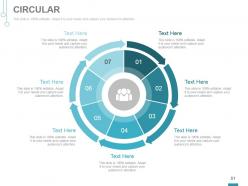
Circular
-
Venn Diagram
-

Matrix
-
Silhouettes
-
Hierarchy
-

BULB FOR IDEA
-
Magnifying Glass
-
Bar Graph
-

Funnel
-

Thank You Slide
FAQs for Risk Based Approaches To Quality Management
Key principles of Risk-Based Quality Management include risk identification and assessment, proportionate monitoring based on risk levels, centralized oversight with decentralized execution, data-driven decision making, and continuous quality improvement. These principles enable pharmaceutical companies and clinical research organizations to streamline trial oversight, enhance patient safety, and optimize resource allocation, with many finding that this strategic approach ultimately delivers faster study completion and improved data quality while reducing operational costs.
RBQM differs from traditional quality management by prioritizing resources based on actual risk levels rather than applying uniform oversight across all areas, enabling targeted monitoring, adaptive protocols, and data-driven interventions. This strategic approach allows organizations in pharmaceuticals, manufacturing, and healthcare to streamline compliance efforts, reduce operational costs, and enhance quality outcomes while maintaining regulatory standards.
RBQM delivers enhanced trial oversight, improved data quality, reduced monitoring costs, faster issue identification, and better resource allocation across study sites. Through centralized data analytics and targeted site visits, pharmaceutical companies streamline operations while maintaining regulatory compliance, with many organizations finding that this strategic approach accelerates trial timelines and enhances patient safety outcomes.
Organizations identify and assess quality management risks through comprehensive process mapping, regular audits, stakeholder feedback collection, performance metric analysis, and predictive modeling. These systematic approaches enable companies across manufacturing, healthcare, and financial services to proactively detect potential quality failures, regulatory compliance gaps, and operational inefficiencies, ultimately delivering enhanced product reliability and reduced costs.
Common RBQM tools include centralized monitoring platforms, statistical process control, predictive analytics, risk assessment matrices, and automated data validation systems. These technologies streamline trial oversight by enabling real-time data monitoring, identifying protocol deviations early, and prioritizing resources on high-risk sites, ultimately delivering faster study completion and enhanced data quality for clinical research organizations.
RBQM integrates with existing quality management systems through data harmonization, workflow automation, and centralized monitoring platforms that connect with current databases, regulatory frameworks, and operational processes. These integrations enable organizations to enhance oversight capabilities, streamline compliance reporting, and maintain regulatory standards while leveraging real-time analytics, ultimately delivering improved operational efficiency and risk mitigation.
Data analytics plays a pivotal role in Risk-Based Quality Management by enabling predictive risk assessment, real-time monitoring, trend identification, and automated compliance tracking across operations. Through advanced analytics platforms, organizations streamline quality processes, enhance decision-making accuracy, and minimize potential failures, with manufacturing and pharmaceutical companies finding that data-driven approaches ultimately deliver superior product quality and regulatory compliance.
Successful RBQM implementations span pharmaceuticals, where companies like Novartis streamline clinical trial monitoring, medical devices with accelerated approval processes, and biotechnology firms enhancing data quality oversight. These strategic implementations deliver reduced monitoring costs, faster regulatory submissions, and improved patient safety outcomes, with many organizations finding that risk-focused approaches ultimately provide significant competitive advantages in increasingly regulated markets.
Transitioning to Risk-Based Quality Management presents challenges including resistance to cultural change, inadequate risk assessment capabilities, insufficient staff training, integration complexities with existing systems, and resource allocation concerns. While organizations in pharmaceuticals, medical devices, and manufacturing initially struggle with identifying critical processes and establishing risk thresholds, most ultimately find that systematic implementation delivers enhanced compliance efficiency and operational focus.
Organizations ensure stakeholder buy-in for RBQM initiatives by demonstrating clear ROI through cost reduction projections, enhanced compliance outcomes, and operational efficiency gains. Through strategic communication that highlights sector-specific benefits, companies present compelling business cases showing how risk-based approaches streamline quality processes, reduce regulatory burden, and ultimately deliver competitive advantage while maintaining rigorous standards.
Continuous monitoring in RBQM enables real-time risk detection, proactive issue resolution, and adaptive quality strategies throughout clinical trials. This approach streamlines regulatory compliance, minimizes costly protocol deviations, and enhances patient safety, with many pharmaceutical companies finding that ongoing surveillance ultimately delivers faster trial completion and improved data integrity.
RBQM enhances regulatory compliance by enabling proactive risk identification, continuous monitoring of critical data points, and real-time corrective actions throughout clinical trials. This systematic approach streamlines FDA and EMA submission processes, reduces audit findings, and demonstrates quality oversight transparency, with pharmaceutical companies finding that risk-based frameworks significantly accelerate approval timelines while maintaining rigorous safety standards.
Key metrics for evaluating RBQM effectiveness include data quality scores, protocol deviation rates, site performance indicators, audit findings reduction, and time-to-database lock improvements. These measurements enable sponsors to assess risk mitigation success, optimize resource allocation across clinical sites, and demonstrate enhanced study oversight, with many pharmaceutical companies finding that comprehensive metric tracking delivers faster trial completion and improved regulatory compliance.
Training and education enhance RBQM adoption by building cross-functional expertise, establishing standardized methodologies, and creating organizational change management capabilities that address resistance to new quality approaches. Through comprehensive programs covering risk assessment tools, data analytics, and regulatory requirements, clinical research organizations streamline protocol deviations, accelerate study timelines, and ultimately deliver more efficient trials with enhanced data integrity.
Future trends in Risk-Based Quality Management include AI-powered predictive analytics, real-time monitoring systems, integrated digital platforms, automated compliance tracking, and enhanced data visualization tools. These technologies streamline risk identification, accelerate response times, and improve decision-making accuracy, with many organizations finding that predictive capabilities ultimately deliver proactive quality control and significant competitive advantages.
-
Unique design & color.
-
Top Quality presentations that are easily editable.