


Sales improvement financial management performance strategy risk





Try Before you Buy Download Free Sample Product
 Impress Your
 Audience
 100%
100% Editable
 Save Hours
 of Time


Conduct yourself in an impeccable fashion with our Sales Improvement Financial Management Performance Strategy Risk. It will impress the judges.
People who downloaded this PowerPoint presentation also viewed the following :
Sales improvement financial management performance strategy risk with all 13 slides:
Enthral the judges with our Sales Improvement Financial Management Performance Strategy Risk. Impress them with your impeccable display.

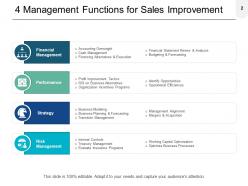
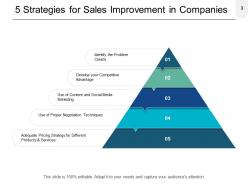
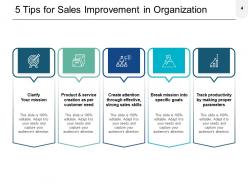
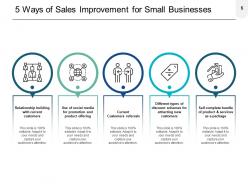



FAQs for Sales improvement financial management
Track both the doing and the results, if that makes sense. Call volume, emails sent, meetings booked - that's your activity stuff. Then you've got conversion rates, deal sizes, how long sales take. Revenue's obviously key but it tells you what already happened. Pipeline velocity and win rates? That's where the money is - they actually predict what's coming. Honestly, don't go crazy with like 20 different metrics. Pick 3-5 that actually move the needle for your specific business and stick with those. Otherwise you'll just drown in spreadsheets.
You'd be amazed how much better forecasting gets with proper data analytics. It catches patterns you'd never spot manually and handles way more variables than spreadsheets ever could. Historical sales, seasonal shifts, customer habits, economic stuff - it processes everything simultaneously. Predictive models can actually forecast demand months out and factor in your marketing pushes or what competitors are doing. I mean, once you see it work, there's really no going back to guessing. Get some predictive software that connects to your CRM. Your inventory planning will thank you later.
Honestly, sales training is like the backbone of your whole operation. Your team won't magically figure out how to handle tough objections or really know your product – trust me on that one. Good training builds their confidence, which makes a huge difference when they're talking to prospects. It helps them close deals way more effectively too. Here's the thing though: don't just do it once during onboarding and call it done. That's where most companies mess up. Monthly skill sessions are where you'll actually see your numbers start climbing. It's ongoing work, but totally worth it.
Honestly, you've gotta get everyone actually talking to each other first. Those weekly cross-team meetings where sales, marketing, and customer success dump all their intel? Pure gold. I'm talking real stuff - which objections keep coming up, where prospects are ghosting you, what's actually closing deals. Yeah I know, another meeting sounds awful but hear me out. Set up some shared Slack channels too for the quick updates. Your SDRs need to tell AEs what made prospects light up, and marketing has to hear when their messaging is totally bombing. Don't try to fix everything at once though - pick one thing and actually stick with it.
Honestly, ask your team what motivates them first - you'd be surprised how different everyone is. Mix money stuff with recognition because some people just want their name on the board, you know? Set up clear goals with bonuses, throw in some friendly competition with leaderboards. Don't forget the growth piece though - training opportunities matter more than you think. Regular check-ins are huge for catching problems early. The pizza party thing is so overdone, but consistency matters way more anyway. Build around what they actually tell you, not what you assume works.
Honestly, you can't ignore market trends when building your sales strategy - they'll make or break you. Customer behavior shifts, the economy tanks, industry stuff changes... you've got to roll with it or you're screwed. Like when remote work exploded, smart SaaS teams stopped pushing office collaboration and started hammering home the distributed team angle instead. Pricing gets tricky during recessions too. The trick is staying ahead of this stuff with regular monitoring. I mean, your competitors are probably already doing it. You don't want to be the last one figuring out what's happening.
Honestly, start with a good CRM - Salesforce, HubSpot, or Pipedrive work great for tracking your pipeline. That's like 80% of what you need if you actually set it up properly. After that, grab some analytics tools like Tableau or just build Excel dashboards for performance stuff. Oh and if your team's doing phone sales, call tracking software is huge. Tools like Outreach or SalesLoft are solid for activity tracking too. But seriously, clean up your CRM data first or you're just gonna be working with garbage - learned that one the hard way!
Look, customer feedback is basically your cheat sheet for fixing what's broken in your sales approach. When people consistently complain about your pricing or love a specific feature, that's gold - you can adjust your pitch accordingly. I always tell people to actually ask for feedback instead of waiting around for it. Positive comments show you what to emphasize more. The negative stuff? That's where you're probably losing deals without realizing it. It's way easier than guessing what prospects want, honestly.
Honestly, just look at what your team actually did last quarter - forget the pie-in-the-sky stuff. Factor in new hires, market shifts, whatever's changed since then. I usually bump targets up maybe 10-15% because people do better with a challenge, but don't go nuts with impossible numbers. Nobody wants demoralized reps. Monthly goals work better than one giant scary target. Oh, and definitely get your reps involved in setting these - they know their territories way better than you do, plus they'll actually care about hitting numbers they helped create. Buy-in is everything.
Here's the thing - blanket approaches just don't work anymore. When you segment customers, you can actually customize messaging and pricing for different groups based on company size or industry. I've watched teams jump their conversion rates 20-30% by building separate playbooks for each segment. Don't go overboard though - stick to maybe 3-4 segments max or you'll be all over the place. Honestly, the smart move is digging into your current customer data first to see what patterns show up in your best deals.
Dude, cross-selling and upselling can bump your revenue like 10-30% when you get it right. Way easier than hunting for new customers since these people already trust you. Getting them to use more of your stuff makes them stickier - plus upselling to premium tiers means better margins for you. The trick is making it feel natural in conversations, not some weird sales pitch. I'd start by figuring out which customers haven't tried your other products yet. Oh, and timing matters big time - catch them when they're already happy with what they've got.
Here's what I've seen work: When your whole team's actually bought into the same goals and values, performance just takes off naturally. People start sharing wins and knowledge instead of hoarding it. The messaging to prospects gets way more consistent too. Honestly, half the battle is just making work a place people don't dread coming to. Your reps will own their stuff more, celebrate together, and actually stick it out during rough patches. I'd start by figuring out what success looks like beyond the obvious numbers game - then make sure you're recognizing the right behaviors.
CRM is like having all your customer stuff in one place instead of scattered across sticky notes and random spreadsheets. You can see your whole sales pipeline and figure out which tactics actually work. The automation handles boring follow-ups so you don't have to remember to email that guy from last Tuesday. What's really cool is how you can personalize outreach based on all that data you're collecting. One thing though - your team has to actually use it consistently or you'll just have a expensive mess of incomplete records. Honestly, that's where most people screw up.
So basically you're taking cold prospects and warming them up over time instead of going straight for the sale. I'd segment your leads by what they're doing and what interests them, then send targeted stuff that actually solves their problems. Email sequences are perfect for this - though honestly most people way overcomplicate it. Just stay consistent with valuable touchpoints. Think educational content, case studies, industry insights, whatever fits. Watch what gets engagement and focus your sales calls on those hot leads. I'd start simple this week with maybe a 5-email welcome series and build from there.
Honestly, one-on-ones with real feedback work best. Role-play those tricky customer scenarios too. I always had my team shadow actual calls - way more valuable than just staring at spreadsheets all day. Focus on the how, not just the what. Like, are they actually listening during objections or just waiting to talk? Record calls if you can and review together. Ask them what they'd change next time. Oh, and connect it to what they personally want - promotion, more money, whatever motivates them. Stick to weekly 30-minute sessions. Consistency beats everything else.
No Reviews