

Sales Team Challenges Powerpoint Presentation Slides





Try Before you Buy Download Free Sample Product
 Impress Your
 Audience
 100%
100% Editable
 Save Hours
 of Time


Your thoughts are highly coherent. Sharpen their focus with our Sales Team Challenges Powerpoint Presentation Slides.
People who downloaded this PowerPoint presentation also viewed the following :
Content of this Powerpoint Presentation
Slide 1: This slide introduces Sales Team Challenges. State Your Company Name and begin.
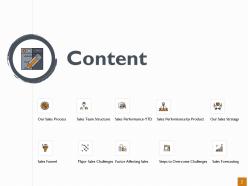
Slide 2: This slide shows Content of the presentation.
Slide 3: This slide presents Our Sales Process describing- Preparation, Presentation, Closing, Prospecting, Approach, Objections, Follow-up.
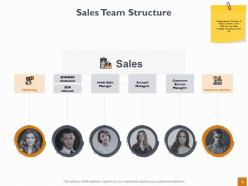
Slide 4: This slide displays Sales Team Structure with related diagram.
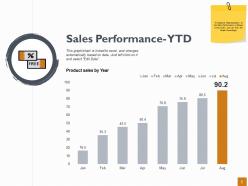
Slide 5: This slide represents Sales Performance- YTD with the help of bar graph.
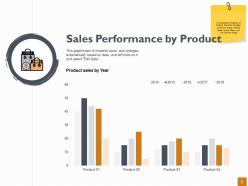
Slide 6: This slide showcases Sales Performance by Product over a span of various years.
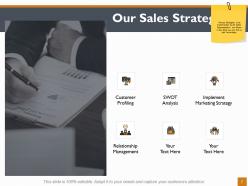
Slide 7: This slide shows Our Sales Strategy which are to be implemented by the sales representative.
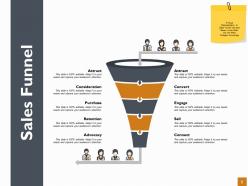
Slide 8: This slide presents Sales Funnel describing- Awareness, Consideration, Purchase, Retention, Advocacy, Convert, Engage, Sell, Connect, Attract.
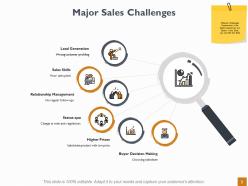
Slide 9: This slide displays Major Sales Challenges experienced in the sales department.
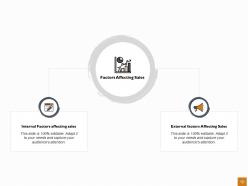
Slide 10: This slide represents internal and external Factors Affecting Sales.
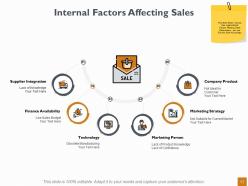
Slide 11: This slide showcases Internal Factors Affecting Sales describing- Company Product, Marketing Strategy, Marketing Person, Technology, Finance Availability, Supplier Integration.
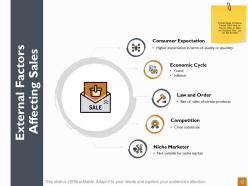
Slide 12: This slide shows External Factors Affecting Sales describing- Law and Order, Economic Cycle, Competition, Consumer Expectation, Niche Marketer.
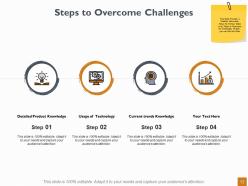
Slide 13: This slide displays Steps to Overcome Challenges such as- Detailed Product Knowledge, Usage of Technology, Current Trends Knowledge etc.
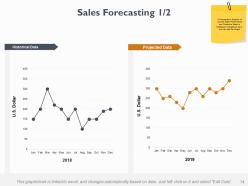
Slide 14: This slide represents Sales forecasting displaying current sales performance and predictive sales.
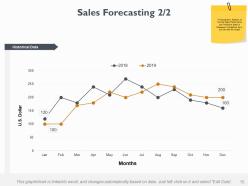
Slide 15: This slide showcases Sales Forecasting with the help of line graph.
Slide 16: This slide is titled as Additional Slides for moving forward.
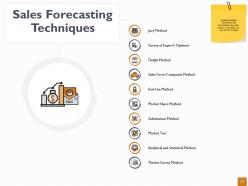
Slide 17: This slide shows Sales Forecasting Techniques describing various methods such as- Jury Method, Survey of Expert’s Opinions, Delphi Method, Sales Force Composite Method, End-Use Method, Market Share Method, Substitution Method, Market Test, Analytical and Statistical Method, Market Survey Method.
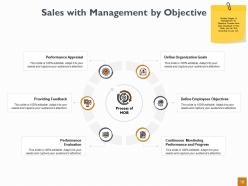
Slide 18: This slide presents Sales with Management by Objective with stages as- Define Organization Goals, Define Employees Objectives, Continuous Monitoring Performance and Progress, Performance Evaluation, Providing Feedback, Performance Appraisal.
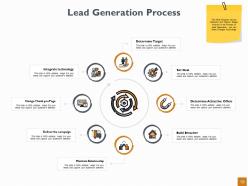
Slide 19: This slide displays Lead Generation Process displaying various inbound and outbound stages.
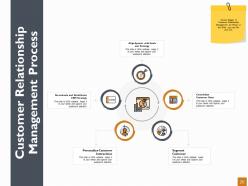
Slide 20: TThis slide represents Customer Relationship Management Process as- Align System with Goals and Strategy, Consolidate Customer Data, Segment Customer, Re-evaluate and Recalibrate CRM Strategy, Personalize Customer Interactions.
Slide 21: This slide showcases Sales Team Challenges Icons.
Slide 22: This slide reminds about a 15 minutes Coffee Break.
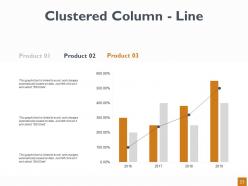
Slide 23: This slide presents Clustered Column - Line chart with three products comparison.
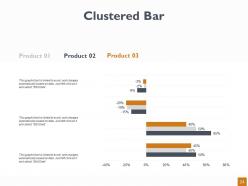
Slide 24: This slide shows Clustered Bar graph with three products comparison.
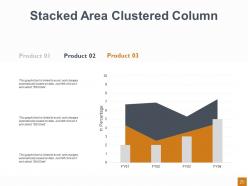
Slide 25: This slide represents Staked Area-Clustered Column chart with three products comparison.
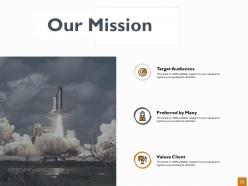
Slide 26: This is Our Mission slide with related imagery and text.
Slide 27: This is Our Team slide with names and designation.
Slide 28: This is About Us slide to show company specifications etc.
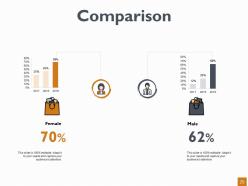
Slide 29: This is a Comparison slide to state comparison between commodities, entities etc.
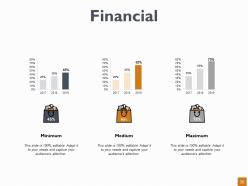
Slide 30: This is a Financial slide. Show your finance related stuff here.
Slide 31: This is a Quotes slide to convey message, beliefs etc.
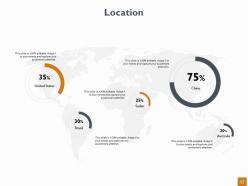
Slide 32: This is a Location slide with maps to show data related with different locations.
Slide 33: This is a Timeline slide to show information related with time period.
Slide 34: This is another slide continuing Timeline.
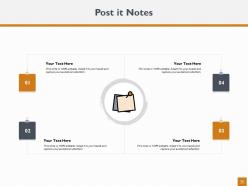
Slide 35: This slide is titled as Post It Notes. Post your important notes here.
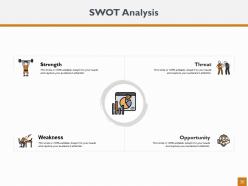
Slide 36: This slide shows Swot Analysis describing- Strengths, Weaknesses, Opportunities and Threats.
Slide 37: This is a Venn slide with additional text boxes to show information.
Slide 38: This is a Blub or Idea slide to state a new idea or highlight information, specifications etc.
Slide 39: This is a Thank you slide with address, contact numbers and email address.
Sales Team Challenges Powerpoint Presentation Slides with all 39 slides:
Keep your feet on the ground with our Sales Team Challenges Powerpoint Presentation Slides. They are always down to earth.









FAQs for Sales Team Challenges
Honestly, it's usually crappy leads and unrealistic quotas that kill teams. Bad training doesn't help either. When marketing and sales aren't talking to each other? Total disaster - I've seen so many deals die because of that mess. Territory drama and seasonal dips screw with everything too. Look, your people could be rockstars, but if they're stuck chasing garbage leads with impossible numbers, they're screwed from day one. I'd start by checking where your leads actually come from. Then make sure those targets aren't completely out of touch with what's actually happened before.
Honestly, the biggest thing is just staying super close to your customers and being ready to pivot fast. Like, actually talk to prospects about what's changing for them - don't just look at spreadsheets all day. I've watched so many sales teams get stuck using the same old tactics that worked two years ago but are totally useless now. Monthly strategy reviews help a ton - sit down and figure out what's actually working vs what isn't, then move on it quickly. Also make sure your reps are getting trained on new objections and different industries they might need to sell into.
Honestly, tech can fix most of your sales team drama. CRM systems handle lead tracking automatically - no more stuff getting lost. Training platforms actually help with that crazy turnover problem you guys always have. Analytics show what's really working vs what your reps claim works (usually two different things lol). Video calls and mobile apps keep everyone connected even when they're working from home. But here's the thing - don't just grab whatever tool is trendy right now. Pick stuff that'll actually solve your specific problems, not just look cool in meetings.
Honestly? Start doing weekly one-on-ones where people can actually vent before stuff explodes. I've watched teams completely implode because everyone just ignored the obvious problems. Make sure your CRM tracks all the handoffs so things don't slip through cracks - that's usually where the blame game starts. Oh, and create shared goals that get people working together instead of competing against each other. When you win, celebrate as a team. When deals fall through, do group post-mortems without the finger-pointing drama. Regular check-ins are everything though - you'll catch issues way earlier.
Honestly, don't just dump them into training videos - that's useless. Have them shadow your best reps first, then do role-playing together. Works way better. Give them the easier, warmer leads to start so they won't get completely destroyed by rejection right off the bat. Make sure they actually know your CRM and sales process before they touch anything important. Weekly check-ins are huge during month one - you'll catch problems before they become habits. Oh, and create an environment where they can say "I'm lost" instead of faking it. Trust me on that last part.
Honestly, start with weekly check-ins where each rep rates their motivation 1-10 and explains why. Numbers help, but listening matters more than tracking call volume or whatever. One-on-ones are clutch for this stuff. Set goals they can actually hit, celebrate small wins (seriously, this works better than you'd think), and let people figure out their own workflow. I've seen managers obsess over engagement metrics but ignore what their team is literally telling them. Pulse surveys work too, just don't make them a pain to fill out. Recognition beats money most of the time.
First, sit down with them one-on-one to figure out what's actually happening. Could be missing skills, personal stuff, or they're just not feeling it anymore. Then build a clear improvement plan with real deadlines - none of that vague "do better" nonsense. Have them shadow your best rep and throw in extra training if they need it. Check in weekly to see how it's going. Look, some people honestly aren't built for sales, but give them a fair shot first. If nothing changes after 60-90 days of real support, you'll have to have that awkward conversation about finding them a different role.
Customer feedback is like having a roadmap for your sales process. You get to see exactly where things go sideways. When people tell you why they passed or what confused them, you can actually fix those spots in your pitch. Honestly, I used to just brush off the "no thanks" responses, but they're pure gold. Your whole team benefits from understanding common objections and refining the message. Track why deals fall through - the patterns will blow your mind and make coaching so much more focused. Those lost deals teach you more than the wins sometimes.
Look, quotas can totally work when they're realistic and your team has what they need to actually hit them. Problem is, most companies just pull numbers out of thin air and then wonder why everyone's miserable. Your people will bust their asses for achievable goals - but make them impossible and watch productivity crash. I'd dig into whether your current targets are based on actual market data or just some exec's fantasy numbers. Also, are you giving your team proper support? Because even great salespeople can't perform miracles without the right tools and resources.
Honestly, when sales and marketing actually work together, the finger-pointing just stops. You'll finally agree on what makes a good lead and who you're targeting - no more sales complaining about garbage leads while marketing wonders why nothing converts. Marketing starts getting real feedback instead of working blind, and sales gets prospects who actually want what they're selling. Regular data sharing is where things click though. I'd say start with weekly check-ins between the team leads - sounds simple but most companies don't even do that basic step. Once everyone's pulling in the same direction, deals close faster and stick better.
Honestly, the biggest pain with remote sales is losing those random water cooler chats and in-person client meetings - that stuff actually moves deals. Communication gets messy when everyone's scattered. New hires take forever to get up to speed without someone right there to show them the ropes. Plus managers can't read the room or jump in when deals are going sideways. Oh, and maintaining that competitive team vibe? Super hard virtually. My advice would be to way over-communicate and do regular video calls. It's not perfect but helps close those gaps.
Honestly, data analytics just shows you what's actually happening with your sales instead of guessing. Track where your best leads come from and you'll stop wasting time on the stuff that doesn't work. I used to think it was too much extra work, but once you see the patterns - like which deals close fastest or where people bail out of your pipeline - it's pretty eye-opening. Just start simple. Track conversion rates by source and you'll know exactly where to spend your energy instead of throwing spaghetti at the wall.
Honestly, it comes down to three things. First, your team has to feel safe screwing up - otherwise they'll hide problems until everything's on fire (been there). Second, make everyone accountable for the group's numbers, not just their own quota. Stops the internal competition BS. Also celebrate the small stuff - great discovery calls, better objection handling, whatever. Don't wait for closed deals to give props. Oh, and here's the thing most managers miss: actually ask your people what they need instead of guessing. You'll be surprised what they tell you.
Honestly, BANT framework is still your best bet - budget, authority, need, timeline. Dig into your data to see which lead sources actually turn into paying customers. Takes forever but you'll thank me later. Prioritize leads matching your ideal customer profile, especially ones downloading pricing stuff or asking for demos. Those are golden. Track everything in your CRM and tackle hot leads first - seems obvious but you'd be surprised how many people mess this up. Set up a 1-10 scoring system so everyone's on the same page about priorities.
Dude, leadership makes or breaks everything here. Your reps are gonna hit walls constantly - deals die, prospects ghost them, whatever. You've gotta jump in and clear the path when they're stuck. Set realistic expectations too, because burnout kills teams faster than anything. Watch for early warning signs. Maybe someone keeps choking on enterprise accounts or your quotas are just nuts. Regular one-on-ones are clutch - that's where you'll actually figure out what's blocking people. Oh, and make sure they have decent tools and training. Sounds obvious but you'd be shocked how many managers skip this stuff. Bottom line: be proactive about solving their problems before they tank your numbers.
No Reviews