


Scrum Model Step By Step Powerpoint Presentation Slides





Try Before you Buy Download Free Sample Product
 Impress Your
 Audience
 100%
100% Editable
 Save Hours
 of Time


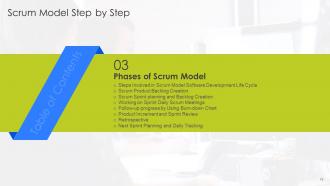
Scrum model enables an iterative and incremental process for development wherein each step is called a sprint. Scrum is required for the project, which focuses on defining roles, procedures, tools, and techniques for efficient and effective project delivery. Grab our efficiently designed Scrum Model Step by Step template that focuses on the scrum overview, the scope of lifecycles, and the phases of the scrum model. In the scrum overview, we have covered the scrum design and features, advantages and disadvantages of scrum software model methodology, Scrum roles, and benefits of implementing the model. In the scope of lifecycles, we have focused on scrum construction lifecycle, agile system model, disciplined agile delivery, continuous lifecycle, and agile software model lifecycle. Steps involved in scrum model software, scrum product backlog creation, sprint planning, daily scrum meeting, the follow-up process, product increment and sprint review, retrospective and next sprint planning and daily tracking are covered in phases of the scrum model. This PowerPoint template ensures the possibility of continually increasing product value by maintaining flexibility in further iterations. Download it now.
People who downloaded this PowerPoint presentation also viewed the following :
Content of this Powerpoint Presentation
Slide 1: This slide introduces Scrum Model Step by Step. State Your Company Name and begin.
Slide 2: This is an Agenda slide. State your agendas here.
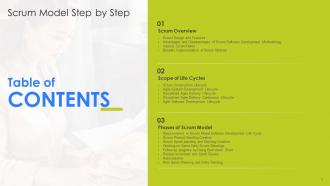
Slide 3: This slide presents Table of Content for the presentation.
Slide 4: This slide shows title for topics that are to be covered next in the template.
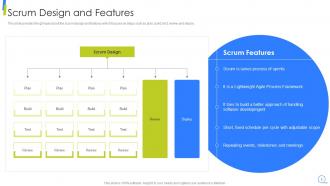
Slide 5: This slide presents scrum design and features which focuses on steps such as plan, build, test, etc.
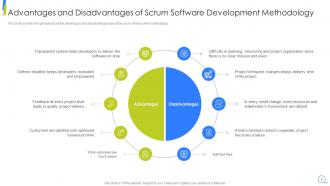
Slide 6: This slide displays advantages and disadvantages about the scrum development methodology.
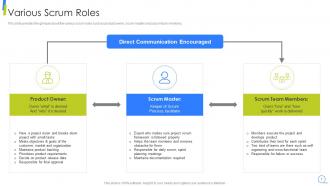
Slide 7: This slide represents various scrum roles such as product owner, scrum master and scrum team members.
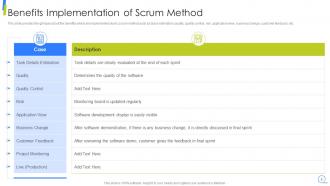
Slide 8: This slide represents benefits which are implemented due to scrum method such as tasks estimation, quality, quality control, etc.
Slide 9: This slide shows title for topics that are to be covered next in the template.
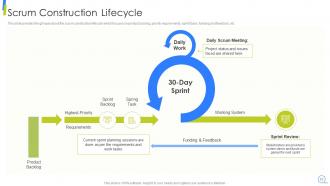
Slide 10: This slide showcases scrum construction lifecycle which focuses on product backlog, priority requirements, etc.
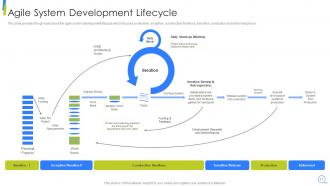
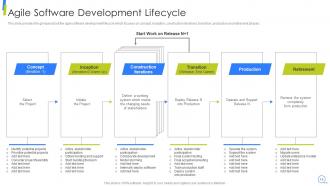
Slide 11: This slide displays agile system development lifecycle which focuses on iteration, inception, construction iterations, etc.
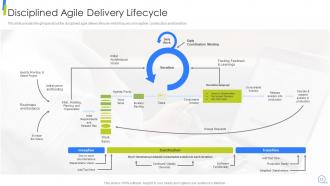
Slide 12: This slide represents disciplined agile delivery lifecycle which focuses on inception, construction and transition.
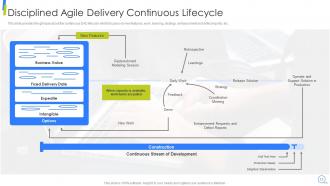
Slide 13: This slide showcases continuous DAD lifecycle which focuses on new features, work, learning, etc.
Slide 14: This slide shows agile software development lifecycle which focuses on concept, inception, etc.
Slide 15: This slide shows title for topics that are to be covered next in the template.
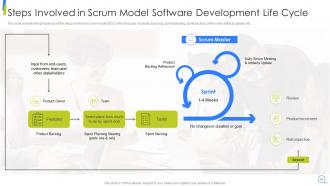
Slide 16: This slide represents steps involved in scrum model SDLC which focuses on product backlog, sprint planning, sprint backlog, etc.
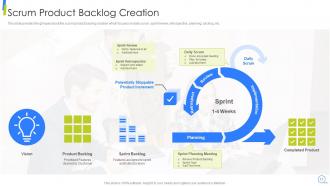
Slide 17: This slide showcases scrum product backlog creation which focuses on daily scrum, sprint review, retrospective, etc.
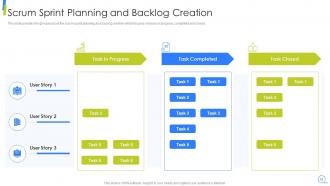
Slide 18: This slide shows scrum sprint planning and backlog creation which focuses on tasks in progress, completed and closed.
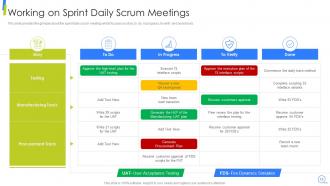
Slide 19: This slide presents sprint daily scrum meeting which focuses on story, to do, in progress, to verify and done tasks.
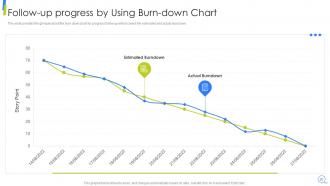
Slide 20: This slide displays Follow-up Progress by Using Burn-Down Chart.
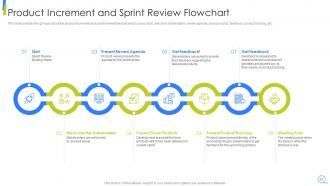
Slide 21: This slide provides the glimpse about the product increment and sprint review flowchart.
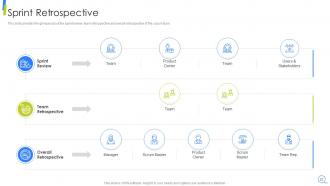
Slide 22: This slide provides the glimpse about the sprint review, team retrospective and overall retrospective of the scrum team.
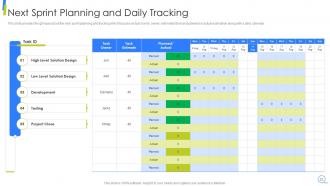
Slide 23: This slide represents next sprint planning and tracking which focuses on task name, owner, estimated time, etc.
Slide 24: This slide displays Icons for Scrum Model Step by Step.
Slide 25: This slide is titled as Additional Slides for moving forward.
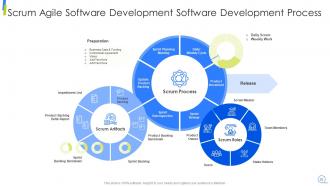
Slide 26: This slide shows Scrum Agile Software Development Software Development Process.
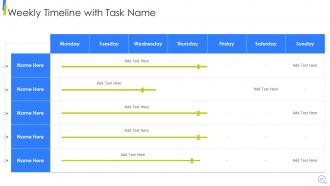
Slide 27: This slide represents Weekly Timeline with Task Name.
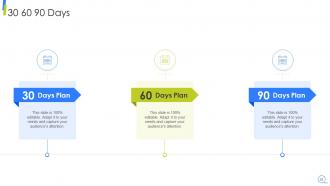
Slide 28: This slide provides 30 60 90 Days Plan with text boxes.
Slide 29: This slide shows Post It Notes. Post your important notes here.
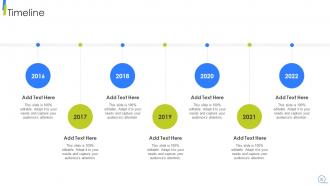
Slide 30: This is a Timeline slide. Show data related to time intervals here.
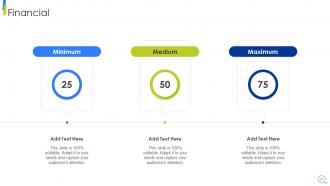
Slide 31: This is a Financial slide. Show your finance related stuff here.
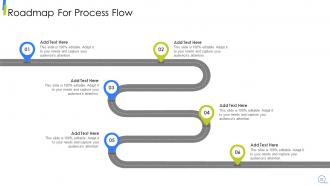
Slide 32: This slide showcases Roadmap For Process Flow.
Slide 33: This is a Thank You slide with address, contact numbers and email address.
Scrum Model Step By Step Powerpoint Presentation Slides with all 38 slides:
Use our Scrum Model Step By Step Powerpoint Presentation Slides to effectively help you save your valuable time. They are readymade to fit into any presentation structure.








FAQs for Scrum Model Step By Step
So basically you work in short 2-4 week chunks called sprints instead of planning everything upfront like the old waterfall method. Teams get to decide how they'll tackle the work - no micromanaging bosses telling you every little step. Daily standups keep everyone on the same page, and you actually ship working software regularly instead of waiting forever for some "final" version. Change happens constantly and that's fine, you just adapt. Sprint reviews give you continuous feedback too. Honestly the whole approach just makes way more sense than those nightmare projects that drag on for months. Start with short sprints if you're drowning in planning meetings.
So your Scrum Master is basically there to make your life easier - removing roadblocks, running those daily standups, and keeping random people from bugging you while you're trying to code. They're like a coach mixed with... I dunno, a traffic director? Not your boss though - they won't tell you how to build stuff or micromanage your tasks. Good ones help the team figure out their own groove and catch problems before everything goes sideways. During retros they'll help you actually fix process issues instead of just complaining about them. Honestly, if yours isn't making work smoother, you should probably mention it.
So there's four main events you'll deal with: Sprint Planning, Daily Standups, Sprint Review, and Sprint Retrospective. Planning gets everyone on the same page about what you're building. Those daily standups? They sync the team up, but honestly they can drag sometimes. Sprint Review is where you show off your work to stakeholders and get their input. Retros are actually pretty useful - you hash out what went well and what sucked. The whole point is forcing people to talk regularly so you don't get those awkward "I thought YOU were doing that" situations. Just don't phone it in during these meetings or they're useless.
Oh totally! Just focus on the main ideas instead of all the techy stuff. So break everything into 1-4 week chunks, make a list of what needs doing (prioritized obviously), and do quick daily check-ins. Retrospectives are honestly gold - that's where you figure out what's actually working vs what's trash. Works great for marketing campaigns, events, whatever. The trick is being super clear about when something's actually "finished" each sprint. I'd probably test it on just one project first though - don't go crazy and try to change everything at once.
Honestly, the toughest part is just getting people to let go of their old ways of doing things. Resistance is huge. Your product owner will probably suck at prioritizing initially - mine definitely did! Standups turn into boring status updates instead of actual planning too. Training everyone upfront helps a ton, not just developers. Make sure your PO can actually make decisions and isn't hiding in meetings all day. Creating that safe space where people aren't afraid to be transparent? That's the real game changer. Oh, and don't expect miracles overnight. Celebrate the small stuff or you'll go crazy.
Dude, those backlogs are game-changers for transparency. Your Product Backlog shows everyone the full roadmap and priorities - no more confused stakeholders wondering what's next. Sprint Backlog is different though, it's your current commitment broken down so there's literally nowhere to hide. I swear it's like having your to-do list plastered everywhere. Daily standups become way more real when you're updating these live. No more BS status updates either. Everyone sees who's doing what and how it connects to sprint goals. Honestly kills those awkward "wait, I was supposed to do that?" conversations before they start.
So there's a bunch of stuff you can track, but honestly velocity is your best friend - just don't obsess over the numbers being huge, consistency matters way more. Sprint burndowns show if you're gonna hit your goals, and tracking whether you actually complete sprint objectives tells you if you're building useful stuff. Lead time catches those annoying bottlenecks (seriously changed my life when I started watching this). Don't sleep on team happiness surveys either. Oh, and see if people actually follow through on retro action items. The real trick? Look at patterns across multiple sprints instead of freaking out over one bad week.
Look, sprint length really changes how quickly you can pivot. Two weeks is usually the sweet spot - you get decent feedback without everything feeling rushed. One week sprints? They're way too chaotic, trust me. Three to four weeks gives you more breathing room for complex stuff, but then you might spend ages building something users actually hate. I've seen teams get burned by that. Start with two weeks and see how it feels for your team. You can always tweak it later based on what's actually working.
Yeah, stakeholder feedback is super important in Scrum - you don't want to build something nobody actually wants, right? Sprint Reviews are the obvious place to get input, but honestly I've seen too many teams wait until then and get burned. Better teams do regular demos and user testing throughout the sprint. Your Product Owner should be chatting with real users constantly, not just guessing what they need. I mean, assumptions are dangerous. Quick demos during the sprint work great too - catches problems early before you've wasted weeks going down the wrong path.
Think of Scrum stuff as guardrails, not commandments. Sprint rhythm and daily standups? Don't mess with those - they're what keeps everything from falling apart. But how your team actually gets work done? That's where you can bend the rules. Maybe you guys love pair programming or slice up tasks weird compared to what the books say. Whatever works! Your sprint goal is basically your GPS while you figure out the best route. Oh, and use retros to fine-tune this balance - like what's actually helping vs. what's just annoying paperwork nobody wants to deal with.
Honestly, most retros are pretty useless because teams just go through the motions. You need people to actually feel safe calling out what's broken - without the blame game, obviously. I've sat through way too many that turned into whining sessions instead of focusing on stuff you can actually fix next sprint. Get everyone sharing both wins and failures openly. Actually follow through on improvements though, or people will stop caring. Oh, and celebrate when someone takes initiative to fix broken processes - that stuff spreads. Works best when the whole team owns continuous improvement, not just the Scrum Master doing everything.
So basically, self-organizing teams get to decide their own approach to hitting the sprint goal. No boss hovering over them telling them exactly how to code or test stuff. The team figures out who's doing what and when. Honestly, it works way better than traditional management. Decisions happen faster since nobody's waiting around for approvals. Plus the people actually doing the work usually know the best way to tackle problems anyway. Teams get way more motivated when they have real ownership over their process. Just make sure you're crystal clear about WHAT needs to get done, even if you're chill about HOW they do it.
Honestly, digital tools make or break remote Scrum teams. Get your backlog sorted in Jira or Azure DevOps first. Daily standups should be 15 minutes tops - any longer and people zone out. For retrospectives, Miro's pretty solid for the collaborative stuff. Oh, and always record sprint planning because someone's always going to miss it. The real trick though? You've got to overcommunicate everything since you can't just tap someone's shoulder anymore. Set up Slack channels or whatever for random conversations - that's where the good ideas actually happen. Start by figuring out what tools you're already using that suck.
Oof, scaling scrum is tricky! I'd check out SAFe or LeSS - they're built for exactly this mess. Both help coordinate multiple teams working on the same product. The "Scrum of Scrums" thing is clutch - reps from each team meet regularly to sort out dependencies and roadblocks. Trust me, without good coordination it becomes chaos real quick. You'll need your sprint cycles aligned and one chief product owner managing shared backlogs. Oh, and don't try to coordinate everything at once. Start with teams that depend on each other most heavily first.
Get specific examples from the sprint instead of vague complaints. I always do the sticky note thing first - prevents one loud person from hijacking everything. Start/Stop/Continue works great, or try "5 Whys" if there's a bigger issue to unpack. Here's what kills retrospectives though - not following up on last time's action items. People stop caring real quick when nothing changes. Cap it at 90 minutes, assign owners to everything, and make sure it actually feels safe to complain. Otherwise you'll just get surface-level "everything's fine" responses that help nobody.
-
Placing an order on SlideTeam is very simple and convenient, saves you a lot of your time.
-
Templates are beautiful and easy to use. An amateur can also create a presentation using these slides. It is amazing.