


Diapositivas de presentación de Powerpoint de integración de sistemas





Try Before you Buy Download Free Sample Product
 Impress Your
 Audience
 100%
100% Editable
 Save Hours
 of Time


¿Desea integrar los diversos sistemas o funciones de su empresa a la vez? Luego, hemos venido con una presentación de diapositivas de PowerPoint de integración de sistemas que lo ayudarán a describir los diversos elementos y hechos relacionados con el proceso de integración de su sistema empresarial. Una de las características fascinantes de esta imagen de PowerPoint de integración de sistemas es ilustrar el concepto de crecimiento empresarial con una mejora continua en la estructura empresarial y su productividad, así como su rentabilidad. También puede describir varios componentes que afectan la integración del sistema con la necesidad de los mismos con este diseño PPT como con la introducción del marco de TI en empresas como ERP o CRM. Surge la necesidad de integrar el sistema de la empresa para agilizar el proceso empresarial y para la gestión de la base de datos empresarial. Comience a integrar los sistemas de su empresa para mejorar su posición en el mercado con este diseño de presentación. Por lo tanto, cree una permutación orientada a resultados para sus audiencias. La gente se siente atraída por su actitud amistosa debido a nuestras diapositivas de presentación de Powerpoint de integración de sistemas. Mostrará un enfoque agradable.
People who downloaded this PowerPoint presentation also viewed the following :
Contenido de esta presentación de Powerpoint
Diapositiva 1 : esta es una diapositiva introductoria a la integración del sistema. Indique el nombre de su empresa y comience.
Diapositiva 2 : Esta es una diapositiva de Agenda. Exprese sus agendas aquí.
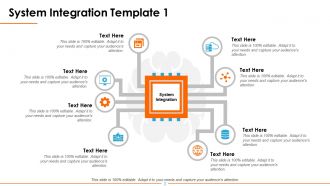
Diapositiva 3 : esta diapositiva presenta la plantilla de integración del sistema con las respectivas imágenes y cuadros de texto.
Diapositiva 4 : Esta diapositiva muestra la plantilla de integración del sistema con los siguientes subtítulos: productos de diferentes proveedores, aplicaciones de diferentes proveedores, nube (privada, pública, híbrida), implementación de nuevas funciones, personalización, datos de diversos dominios.
Diapositiva 5 : Esta diapositiva presenta la Plantilla de integración de sistemas con los siguientes subtítulos: ERP, Aplicaciones internas, Procesos comerciales, Sistemas heredados, Base de datos, CRM.
Diapositiva 6 : Esta diapositiva muestra la plantilla de integración del sistema con planificación, implementación, soporte, web, datos y dispositivos móviles.
Diapositiva 7 : Esta diapositiva muestra la Plantilla de integración de sistemas con los siguientes subtítulos: Servicios de integración de sistemas, Comprender el contexto empresarial, Identificar las aplicaciones de apoyo, Medir su preparación, Identificar la infraestructura requerida, Crear un sistema de gobierno.
Diapositiva 8 : Esta diapositiva muestra la plantilla de integración de sistemas, desde TI hasta la integración del sistema y la integración estratégica (TI, negocios, procesos, servicios, productos, OT).
Diapositiva 9 : Esta diapositiva presenta la Plantilla de integración del sistema con las respectivas imágenes y cuadros de texto.
Diapositiva 10 : Esta diapositiva muestra la Plantilla de integración de sistemas con los siguientes subtítulos: Adquisición de datos, Visualización, Redes, Control y Automatización.
Diapositiva 11 : Esta es la diapositiva de iconos de integración del sistema. Elija los iconos según sus necesidades.
Diapositiva 12 : Esta es la diapositiva para detener la pausa del té.
Diapositiva 13 : esta diapositiva se titula Diapositivas adicionales para continuar.
Diapositiva 14 : Esta es una diapositiva de Nuestro equipo con nombre y designación.
Diapositiva 15 : Esta es una diapositiva de destino. Indique sus objetivos, metas, etc. aquí.
Diapositiva 16 : Esta es una diapositiva de Cotizaciones. La siguiente cita se ha mostrado como ejemplo. Puede indicar aspectos destacados, información, etc. aquí.
Diapositiva 17 : esta es una diapositiva de rompecabezas para mostrar información, especificaciones, etc.
Diapositiva 18 : Esta es una diapositiva de Venn para mostrar información, especificaciones, etc.
Diapositiva 19 : Esta es una bombilla o idea para mostrar información, ideas, especificaciones, etc.
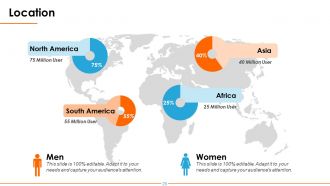
Diapositiva 20 : Esta es una diapositiva de Ubicación en términos de hombres y mujeres para mostrar la segregación a nivel mundial.
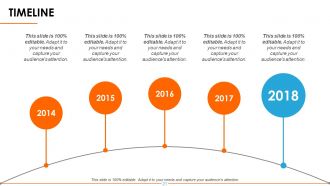
Diapositiva 21 : Esta diapositiva muestra un CRONOGRAMA a lo largo de los años para presentarlo en un solo lugar.
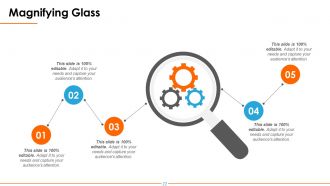
Diapositiva 22 : Esta diapositiva muestra una lupa con imágenes y cuadros de texto para acompañar.
Diapositiva 23 : Esta diapositiva se titula Cuadros y gráficos para seguir adelante.
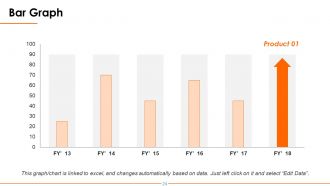
Diapositiva 24 : Esta diapositiva presenta un gráfico de barras para el crecimiento del producto, etc.
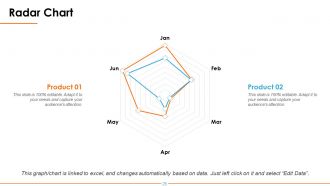
Diapositiva 25 : Esta es una diapositiva de gráfico de radar para mostrar la comparación de productos, etc.
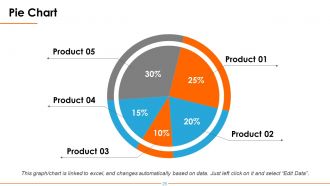
Diapositiva 26 : Esta es una diapositiva de gráfico circular para mostrar la comparación de productos, etc.
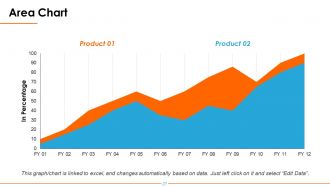
Diapositiva 27 : Esta diapositiva muestra un gráfico de áreas para comparar productos, crecimiento, etc.
Diapositiva 28 : Esta es una diapositiva de agradecimiento con número de dirección, número de calle, ciudad, estado, dirección de correo electrónico y números de contacto.
Diapositivas de presentación de Powerpoint de integración del sistema con las 28 diapositivas:
Nuestras diapositivas de presentación de Powerpoint de integración de sistemas son como una melodía pegadiza. Agregue su letra y componga un ganador seguro.
-
System Integration
-
Agenda
-
System Integration Template 1
-
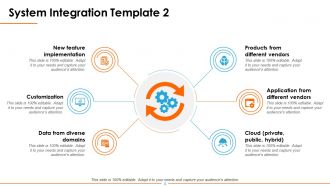
System Integration Template 2
-
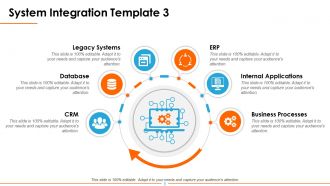
System Integration Template 3
-
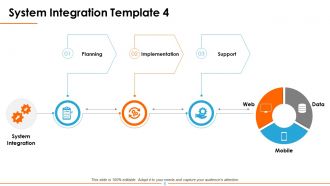
System Integration Template 4
-
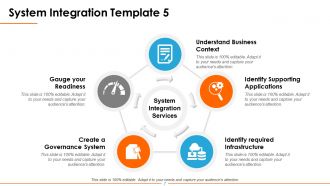
System Integration Template 5
-
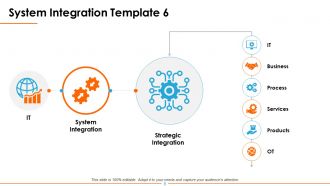
System Integration Template 6
-
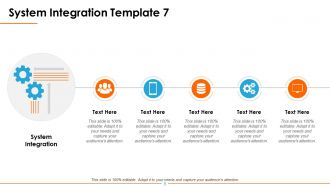
System Integration Template 7
-
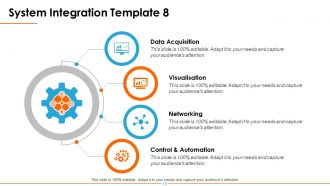
System Integration Template 8
-
System Integration Icon Slide
-

It s Time For Tea Break
-

Additional Slides
-

Our Team
-
Target
-

System Integration
-
Puzzle
-
Venn
-
Bulb or Idea
-
Location
-
Timeline
-
Magnifying Glass
-

Charts Graphs
-
Bar Graph
-
Radar Chart
-
Pie Chart
-
Area Chart
-

Thank You
FAQs for System integration
Honestly, start with mapping out your current systems and data flows - it's boring but saves you from disaster later. You absolutely need solid data mapping, good API management, and bulletproof error handling. Testing protocols are huge too, plus having rollback plans ready because stuff always breaks at the worst times. Security and monitoring can't be afterthoughts either. Oh and documentation - nobody wants to write it but you'll thank yourself when someone asks how something works six months from now. I learned this the hard way on my last project.
So APIs are basically like translators for software - they let different apps talk to each other without caring what language they're coded in. Pretty handy, right? Instead of building custom connections for every single thing (which would be absolutely brutal), you just use standard API calls to move data around. Your mobile app needs to grab info from a web service? API handles it. Syncing stuff between cloud platforms? Same deal. Honestly, they're kind of magic at hiding all the messy technical stuff. Oh, and start by figuring out what data you actually need to share first - saves you headaches later.
Oh man, data format issues are the absolute worst - your old system and new one just refuse to talk to each other properly. API problems will make you want to scream, especially when the docs are garbage (which they always are). Performance hits come out of nowhere too. And don't even get me started on users losing their minds over any tiny workflow change. Unexpected downtime during go-live is basically guaranteed at this point. Honestly, just pad your testing timeline like crazy and have that rollback plan locked and loaded before you even start.
Honestly, cloud integration is a game changer. You get all these ready-made APIs and connectors instead of building everything from scratch - saves so much time. I worked on a project last year where we used Azure Logic Apps and it was like night and day compared to our old custom setup. The auto-scaling thing is pretty sweet too since you don't worry about traffic spikes. We cut our integration time by more than half, which was wild. I'd start by looking at what's currently breaking or slowing you down, then see what cloud tools can replace those headaches you're dealing with.
So middleware is basically like having a universal translator for all your different software systems. It handles the annoying stuff - converting protocols, reformatting data, routing messages between apps. Pretty much saves you from building custom connections for every single integration, which honestly becomes a nightmare when you're trying to get some ancient mainframe to play nice with modern APIs. You'll want to pick middleware that actually fits how your systems need to work together. Real-time messaging? Batch jobs? API stuff? First step is just mapping out what connects to what and how your data moves around.
So basically you want validation checks everywhere - checksums, data type checks, constraint validation before writing anything to your target systems. Transaction rollbacks are a lifesaver when things crash halfway through (trust me on this one). I'd use staging tables first to double-check everything looks good before hitting production. Audit logs are clutch for tracking down what went wrong later. Oh, and definitely test with a small dataset first to make sure your integrity checks actually work. Don't go full-scale until you're confident it won't blow up.
Honestly, go with Agile for system integration. You can break things into smaller pieces and actually catch problems before they blow up on you. Waterfall might seem tempting if everything's super well-defined, but come on - that's like never in real life, right? The cool thing about Agile is you're constantly testing how your systems talk to each other instead of crossing your fingers at the end. Focus on building your APIs first and keep your docs updated as you go. Oh, and definitely start with whatever integrations are most critical - learned that one the hard way. Build out from there and you'll be golden.
Ok so with complex systems, definitely go incremental - don't try testing everything at once or you'll lose your mind. I'd do the sandwich thing where you test user flows top-down and data stuff bottom-up at the same time. Mock your external dependencies right away (seriously, saves you hours of headaches later). The interfaces between big subsystems? That's where bugs love to hide, so hit those first. Get your test environments matching prod as much as possible. Oh and test the failure stuff too - timeouts, db crashes, all that fun chaos. Build it up piece by piece.
First thing - figure out what sensitive data you're moving between systems, then build security around those flows. Encryption everywhere (data moving AND stored), plus solid authentication so systems actually verify who they're talking to. The regulatory maze is honestly the worst part - GDPR, HIPAA, SOX all have their own weird requirements you'll need to hit. Network segmentation helps too since it limits damage if something gets breached. Don't forget audit trails for compliance reporting. Last thing you want is creating new attack vectors when you're just trying to connect systems.
Honestly, you need to measure both the techy stuff and actual business impact. System uptime, data accuracy - basically is it working without breaking? But also track if processes are faster, costs dropped, people happier using it. Here's what I learned the hard way - get your baseline numbers BEFORE you start anything. So many people skip this step and then can't prove their project worked. Measure reduced manual hours, fewer screw-ups, faster customer responses. Define what winning looks like first, then actually track against it instead of just crossing your fingers.
Honestly, start by mapping what you've got first - saves so much time later. MuleSoft and Dell Boomi are great for bigger setups, but Zapier works fine if you're doing simpler stuff. Docker's been a lifesaver for us when deploying across different environments. Azure Logic Apps is solid too if you're already in Microsoft's ecosystem. Oh, and definitely use Postman for testing APIs - it's free and actually good. New Relic's worth it for monitoring performance issues. Pick whatever matches your budget though, some of these tools get pricey fast.
Honestly, cross-functional training is your lifeline here - get your devs, analysts, and ops people talking to each other instead of staying in their bubbles. Documentation sucks but you'll thank yourself later. Sandbox environments are clutch for testing without nuking production (learned that one the hard way). Regular syncs between everyone keep things from going sideways. Oh, and start with small pilot integrations first - builds confidence before you tackle the nightmare-level system connections. Clear communication protocols sound boring but they're what separate the successful projects from the dumpster fires.
Honestly, the ROI is pretty solid once you get past the initial sticker shock. Manual data entry becomes a thing of the past, which alone saves tons of time. Errors get caught way earlier too - before they turn into those nightmare scenarios that keep you up at night. Better visibility means you can actually make informed decisions instead of just guessing. Most companies I've heard about hit their break-even point around 12-18 months through lower operational costs. My advice? Start with whatever's causing your team the biggest headaches right now. Those disconnected systems are usually your best bet for quick wins.
Dude, those data silos are killing your speed. Getting your systems to actually communicate changes everything - suddenly you're not stuck waiting around for manual reports from like 5 different platforms. Real-time info means you can jump on opportunities or fix problems right when they happen. The whole "responding to market changes" thing becomes so much easier when departments aren't working in isolation. Honestly, I'd start by figuring out where your biggest delays are happening right now. Map out what's connected and what isn't. You'll probably find some obvious wins pretty fast.
Honestly, AI and machine learning are about to flip system integration on its head. They're already automating data mapping and predicting when stuff's gonna break before it happens. Cloud-native setups with microservices? Game changer - you can just snap components together now. Everyone's going API-first these days, and those low-code platforms mean your business folks can handle basic integrations without bugging you constantly (thank god). Oh, and edge computing's moving everything closer to where the data actually lives. You should definitely start playing around with AI-powered integration tools - I've been messing with a few and they're pretty wild.
-
Informative presentations that are easily editable.
-
Easy to edit slides with easy to understand instructions.