

Plan Operativo Anual Diapositivas de Presentación de PowerPoint





Try Before you Buy Download Free Sample Product
 Impress Your
Audience
 100%
Editable
 Save Hours
of Time


La planificación es el aspecto más vital del desarrollo empresarial, ya que necesitas hacer una estrategia para cumplir con tus objetivos profesionales. Nuestro conjunto de 41 diapositivas de PowerPoint ha sido diseñado con el plan de operaciones anual que puedes usar para crear una presentación impactante y compartirla con tus socios comerciales, accionistas, inversores, clientes, etc. La planificación operativa es el proceso de trabajar en las estrategias que te ayudan a avanzar hacia los objetivos empresariales. Define todo el proceso, es decir, hitos, condiciones para el éxito, plan estratégico durante un período operativo, etc. Nuestro conjunto de PowerPoint consta de información que necesitas para tu próxima presentación. Algunas de las diapositivas clave incluidas en este diseño de PPT son el resumen ejecutivo, las metas y objetivos, la visión y la misión, los hitos, los aspectos destacados operativos, los indicadores clave de rendimiento, etc. Resalta claramente tus objetivos empresariales, planifica, estrategia de gestión de riesgos, proceso para monitorear el progreso para lograr el éxito con este conjunto de presentación. Este conjunto completo de diapositivas innovadoras ha sido diseñado por nuestros expertos en diseño para satisfacer tus necesidades. Así que, revísalo y descárgalo. Tenga las respuestas siempre disponibles con nuestras Diapositivas de Presentación del Plan de Operaciones Anuales de PowerPoint. Poder aclarar dudas de inmediato.
People who downloaded this PowerPoint presentation also viewed the following :
Contenido de esta presentación de Powerpoint
Diapositiva 1: Esta diapositiva presenta el Plan Operativo Anual. Indique el nombre de su empresa y comience.
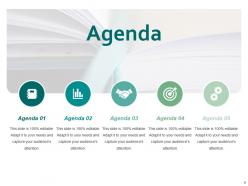
Diapositiva 2: Esta diapositiva muestra la Agenda.
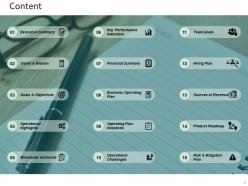
Diapositiva 3: Esta diapositiva presenta el Contenido con los siguientes elementos: Resumen Ejecutivo, Metas y Objetivos, Visión y Misión, Aspectos Destacados Operacionales, Hitos Alcanzados, Indicadores Clave de Desempeño, Resumen Financiero, Plan Operativo de Negocios, Iniciativas del Plan Operativo, Desafíos Operacionales, Metas del Equipo, Plan de Contratación, Fuentes de Ingresos, Hoja de Ruta del Producto, Plan de Riesgos y Mitigación.
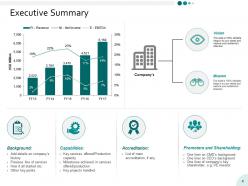
Diapositiva 4: Esta diapositiva presenta el Resumen Ejecutivo Misión de la Empresa, Visión, Agregar detalles sobre la historia de la empresa, Líneas de servicios anteriores, Cómo comenzó todo, etc., Otros puntos clave, Antecedentes, Lista de principales acreditaciones, si las hay, Acreditación, Una línea sobre los antecedentes del Director General, Una línea sobre los antecedentes del CEO, Una línea sobre el accionista clave de la empresa; por ejemplo, inversor de capital privado, Promotores y Accionistas, Servicios clave ofrecidos/Capacidad de producción, Hitos alcanzados en los servicios ofrecidos/producción, Proyectos clave manejados, Capacidades.
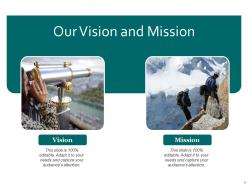
Diapositiva 5: Esta diapositiva muestra Nuestra Visión y Misión. Puede agregar la visión y misión según su empresa.
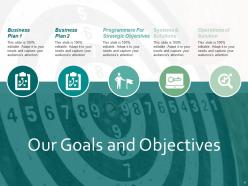
Diapositiva 6: Esta diapositiva muestra Nuestras Metas y Objetivos con los siguientes elementos: Plan de Negocios 1, Plan de Negocios 2, Programas para Objetivos Estratégicos, Sistemas y Soluciones, Operación de la Solución.
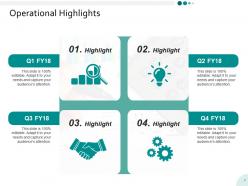
Diapositiva 7: Esta diapositiva muestra los Aspectos Destacados Operacionales. Agregue los aspectos destacados y utilícelos.
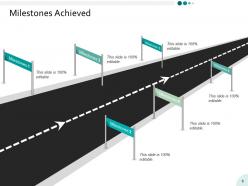
Diapositiva 8: Esta diapositiva presenta los Hitos Alcanzados.
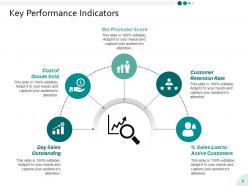
Diapositiva 9: Esta diapositiva muestra los Indicadores Clave de Desempeño, que a su vez presentan: Días de Ventas Pendientes, Costo de Ventas, Puntuación Neta del Promotor, Tasa de Retención de Clientes, % de Ventas Perdidas a Clientes Activos.
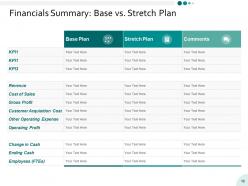
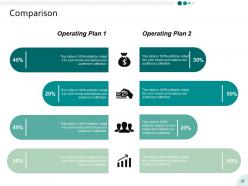
Diapositiva 10: Esta diapositiva presenta el Resumen Financiero: Plan Base vs. Plan Extendido.
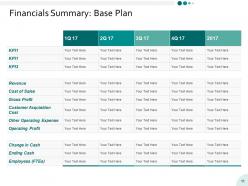
Diapositiva 11: Esta diapositiva muestra el Resumen Financiero: Plan Base.
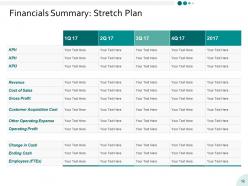
Diapositiva 12: Esta diapositiva presenta el Resumen Financiero: Plan Extendido.
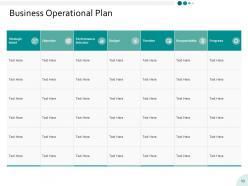
Diapositiva 13: Esta diapositiva muestra el Plan Operativo de Negocios.
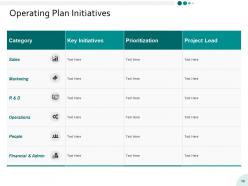
Diapositiva 14: Esta diapositiva presenta las Iniciativas del Plan Operativo.
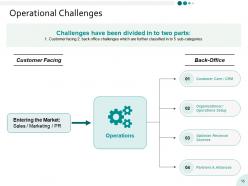
Diapositiva 15: Esta diapositiva muestra los Desafíos Operacionales. Estos Desafíos se han dividido en dos partes: Orientados al Cliente, Oficina Trasera, Operaciones, Atención al Cliente/CRM, Configuración Organizacional/Operaciones, Optimizar Fuentes de Ingresos, Socios y Alianzas, Ingreso al Mercado, Ventas/Marketing/Relaciones Públicas.
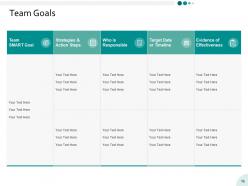
Diapositiva 16: Esta diapositiva muestra las Metas del Equipo.
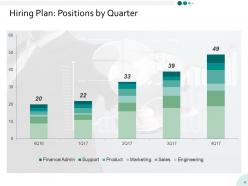
Diapositiva 17: Esta diapositiva presenta el Plan de Contratación: Posiciones por Trimestre.
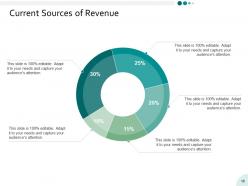
Diapositiva 18: Esta diapositiva muestra las Fuentes Actuales de Ingresos.
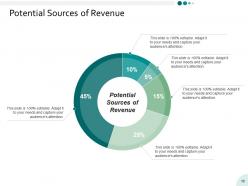
Diapositiva 19: Esta diapositiva muestra las Fuentes Potenciales de Ingresos.
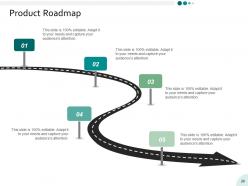
Diapositiva 20: Esta diapositiva muestra la Hoja de Ruta del Producto. Puede agregar los detalles y datos que desee.
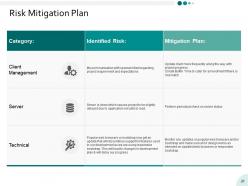
Diapositiva 21: Esta diapositiva muestra el Plan de Mitigación de Riesgos.
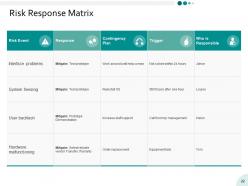
Diapositiva 22: Esta diapositiva presenta la Matriz de Respuesta a Riesgos. Agregue los datos en la tabla y utilícela.
Diapositiva 23: Esta diapositiva muestra la Diapositiva de Iconos del Plan Operativo Anual.
Diapositiva 24: Esta diapositiva se titula Diapositivas Adicionales.
Diapositiva 25: Esta diapositiva ayuda a mostrar: Sobre Nuestra Empresa. Los subtítulos incluyen: Diseño Creativo, Atención al Cliente, Expansión de la Empresa.
Diapositiva 26: Esta diapositiva presenta el Equipo de Gestión con nombre y cargo.
Diapositiva 27: Esta diapositiva muestra la Comparación de Factores Positivos vs. Factores Negativos con imágenes de pulgares arriba y pulgares abajo.
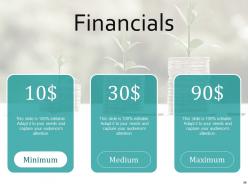
Diapositiva 28: Esta diapositiva se titula Finanzas. Muestre información relacionada con las finanzas aquí.
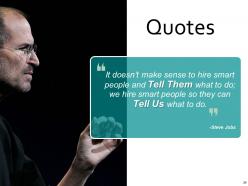
Diapositiva 29: Esta es una diapositiva de Citas para resaltar o declarar algo específico.
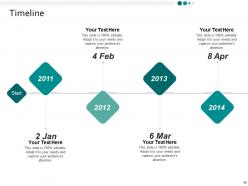
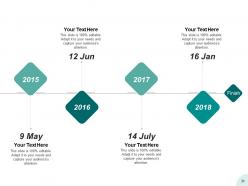
Diapositiva 30: Esta diapositiva muestra la Línea de Tiempo de Eventos del Proyecto con iconos y cuadros de texto.
Diapositiva 31: Esta diapositiva presenta Finalizar.
Diapositiva 32: Esta diapositiva muestra Tiempo para un Descanso para Tomar Café.
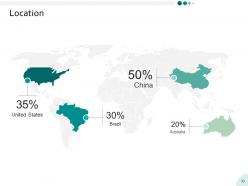
Diapositiva 33: Esta es una diapositiva de Ubicación con un mapa mundial para mostrar presencia global, crecimiento, etc.
Diapositiva 34: Esta diapositiva muestra una Lupa.
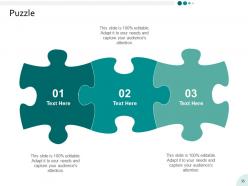
Diapositiva 35: Esta diapositiva presenta un Rompecabezas.
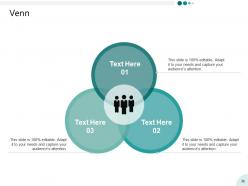
Diapositiva 36: Esta es una diapositiva de imagen de Diagrama de Venn para mostrar información, especificaciones, etc.
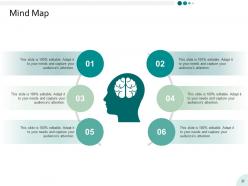
Diapositiva 37: Esta diapositiva muestra un Mapa Mental para representar entidades.
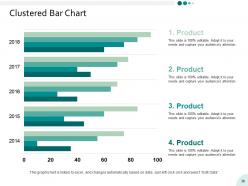
Diapositiva 38: Esta diapositiva presenta un Gráfico de Barras Agrupadas.
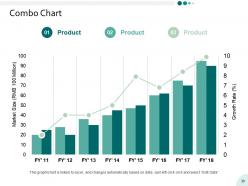
Diapositiva 39: Esta diapositiva muestra un Gráfico Combinado.
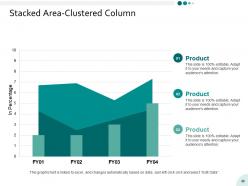
Diapositiva 40: Esta diapositiva presenta un Área Apilada-Columna Agrupada.
Diapositiva 41: Esta diapositiva muestra Gracias.
Presentación de diapositivas de PowerPoint del Plan Operativo Anual con las 41 diapositivas.
Presentación de diapositivas de PowerPoint del Plan Operativo Anual para ayudarte a compartirlo con otros.






FAQs for Yearly Operating Plan
So you'll need four main things: financial projections, strategic goals, resource planning, and ways to measure success. Cover your revenue targets, budgets, and cash flow - that's what the executives actually care about. Map out specific initiatives for each goal and figure out who's doing what with how much money. Honestly, half the battle is just having realistic numbers to start with. Use last year as your starting point. Set up quarterly check-ins with trackable KPIs because "better customer service" means nothing without real data. And yeah, definitely plan for when things go wrong - they always do somehow.
Break your big goals down into stuff you can actually hit in 12 months first. Every project you take on should connect back to those bigger picture things - otherwise you're just spinning your wheels. Honestly, most people try to do way too much and end up accomplishing nothing meaningful. Be picky about what makes the cut this year. Check in every quarter to see how you're doing and pivot if needed. Oh, and make a simple one-pager that shows how everything connects - you'll thank yourself later when people start asking questions.
Track both money stuff and operations - revenue growth, profit margins, budget variance for the financial side. But also look at customer satisfaction, employee engagement, market share, project completion rates. I've honestly seen way too many teams obsess over just the numbers and completely miss red flags happening elsewhere. Pick like 5-7 metrics that actually connect to your main goals instead of drowning in data. Monthly dashboard works best so you can pivot fast. Oh, and don't wait until December to realize something's broken - learned that one the hard way.
So a Yearly Operating Plan is basically how you execute your bigger strategic plan. Your strategic plan covers like 3-5 years of big picture stuff, but the YOP breaks down what you're actually doing THIS year - specific actions, budgets, deadlines, all that. I always think of it like... if strategy is your road trip route, YOP is today's actual driving directions. Business plans are totally different though - those are more for getting investors or launching new stuff. Honestly, just start by grabbing your top priorities from the strategic plan, then get super specific with quarterly goals.
Dude, you absolutely need your whole team involved in this. Don't try to do it solo - I learned that the hard way last year. Get finance to run the numbers, have sales actually commit to realistic targets, and make sure operations can deliver what you're promising. Different departments see stuff you'll miss completely. Plus when everyone helps build the plan, they're way more likely to stick to it during execution. The process takes longer but honestly? It's worth it because you won't have people pushing back later saying "we never agreed to this." Start those planning sessions early and keep the key people in the loop throughout.
Honestly, tech can totally transform your YOP process. Start with your biggest headaches - those manual tasks that eat up time. Project management tools track milestones automatically. Financial software handles budget monitoring so you're not constantly updating spreadsheets (thank god). Cloud platforms let everyone update from anywhere, which is huge for keeping teams synced. The real game-changer? Dashboards that pull actual performance data instead of you guessing if things are on track. Real-time collaboration means no more version control nightmares. I'd skip trying to overhaul everything at once though - pick one pain point and build from there.
Don't set crazy ambitious goals just because they sound good in meetings - your team will hate you when they can't hit them. Also, get input from people who actually do the work instead of having executives decide everything behind closed doors. I swear, half the strategic plans I've seen look amazing but fall apart because nobody asked the operations team if it's even possible. Build in some flexibility too since markets change constantly. Oh, and start planning way earlier than you think - procrastinating until the holidays is a recipe for disaster.
Honestly, quarterly reviews are the bare minimum but I'd go monthly if you can manage it. Markets are crazy unpredictable right now. Do the heavy lifting quarterly - budget stuff, checking if your goals still make sense, all that. Monthly can be way more chill, just peek at your key numbers and catch any weird trends early. Oh, and mid-year deep dives are clutch for course-correcting. Don't change direction every five seconds though - that'll drive everyone nuts. Set those calendar reminders now or you'll totally forget.
Look, you really need to get stakeholders involved early or you're gonna regret it later. They'll catch stuff you missed and actually know if your plan is realistic or just wishful thinking. Finance will shut down unrealistic budgets real quick - trust me on that one. Different teams have insights about what's actually happening in the market that you won't get from sitting in meetings all day. The trick is asking for their input now, not after you've already decided everything. Way easier to adjust things upfront than trying to backtrack later when people push back.
Honestly, don't wait until something goes wrong to think about risks - build it into your planning upfront. When you're doing annual goals and budgets, figure out what could tank each big project first. Supply chain issues, regulations changing, star employees bailing - that kind of stuff. Most people totally skip this part (learned that the hard way). Build backup plans and extra resources right into your operating plan from day one. Each quarter, have someone actually watch your biggest risks and tweak your game plan. Oh, and make it a regular thing in monthly reviews so it doesn't just disappear.
Honestly, the key is hitting people from multiple angles. Do a big company presentation first so leadership can lay out the main goals. After that, have department managers break it down in smaller meetings - way more personal that way. Skip the boring documents though, nobody reads those things. Instead go with dashboards, simple one-pagers, maybe some infographics that actually look decent. The trick is doing regular check-ins throughout the year so it doesn't just disappear after January. Oh, and make sure everyone gets how their specific job connects to the bigger company goals - that's what really makes it stick.
Honestly? You gotta bake in some buffer time right from the start - like 10-15% extra for when stuff inevitably goes sideways. Set quarterly checkpoints where you can actually change direction, not just talk about what happened. Your goals should be specific but not so rigid you can't adjust tactics. Too many teams I've worked with just... stick to plans that made zero sense anymore? It's wild. Treat your YOP like it's alive - schedule those review sessions now and actually USE them when reality smacks you in the face.
Start with your basic P&L stuff - revenue projections, expenses, net income broken down monthly. Cash flow is huge since that's literally what keeps you alive. Balance sheet projections and whatever ratios your boss obsesses over too. I'd definitely run a few scenarios - best case, worst case, realistic. Nobody can predict the future anyway, right? Connect everything back to your actual strategic plans so the numbers make sense together. The whole point is creating something people can reference when making decisions all year. Oh, and keep it digestible - no one wants to wade through spreadsheet hell.
Look, a good YOP basically gets your whole team on the same page about what you're actually trying to accomplish. Break those massive annual goals into quarterly chunks - trust me, less overwhelming that way. People work harder when they can see how their daily stuff connects to the big picture wins. I'd definitely get your team involved in creating the plan rather than just dumping it on them. Creates those natural check-in moments too, so nobody can just coast and hope no one notices. Honestly, half the battle is just making sure everyone knows what success looks like.
Honestly, most people I know just use a combo - like Asana or Monday.com for the day-to-day stuff, then something like Tableau for the fancy executive dashboards. Google Sheets can work too if your YOP isn't super complicated (though it gets messy fast). The real trick is picking whatever your team will actually stick with. I've seen so many beautiful setups that nobody touches after week two. Start simple - maybe try Asana's goals feature first and see how it goes after a few months. You can always upgrade later once you figure out what you actually need.
No Reviews