


Project Proposal Powerpoint Presentation Slides





Try Before you Buy Download Free Sample Product
 Impress Your
 Audience
 100%
100% Editable
 Save Hours
 of Time


Need project proposal PowerPoint presentation slides? Here we bring forth our readymade project proposal PPT templates to impress your clients. Our customizable service proposal template slides are the core from which a successful business originates. These project lifecycle PowerPoint templates help you successfully pitch program that will be profitable to your team and business as a whole. Our program proposal PPT designs cover all the innovative slides such as design process, target audience, marketing approach, social media approach, search marketing and program phases. Furthermore, our content-ready business plan PowerPoint illustrations have been designed by our knowledgeable designers and with vast research. Our project presentation ppt visuals outline project goals, objective & deliverables. These iterative and incremental program development presentation illustrations can be utilized for procurement, bidding, presales, marketing plan, SWOT analysis, business environment analysis, program research, and many more. Download our stunning research proposal PPT show to galvanize your audience!. Grins begin to appear on faces with our Project Proposal Powerpoint Presentation Slides. They ensure frowns disappear.
People who downloaded this PowerPoint presentation also viewed the following :
Content of this Powerpoint Presentation
Slide 1: This slide introduces Project Proposal with relevant imagery.
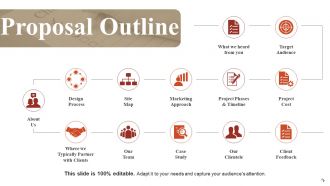
Slide 2: This slide presents a Proposal Outline displaying- What we heard from you, Target Audience, Design Process, Site Map, Marketing Approach, Project Phases & Timeline, Project Cost, About Us, Where we Typically Partner with Clients, Our Team, Case Study, Our Clientele, Client Feedback.
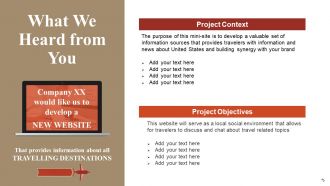
Slide 3: This slide showcases What We Heard From You with- Project Context Project Objectives as crucial factors to display.
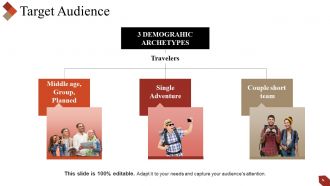
Slide 4: This slide presents Target Audience divided into- Middle age, Group, Planned Single Adventure Couple short team as Travelers of 3 DEMOGRAHIC ARCHETYPES.
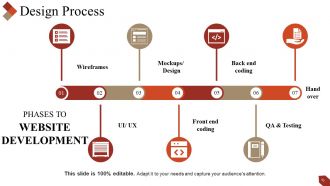
Slide 5: This slide showcases Design Process displaying- Wireframes, UI/ UX, Mockups, Design, Front end coding, Back end coding, QA & Testing, Hand over.
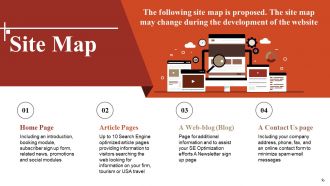
Slide 6: This slide presents a Site Map. The following site map is proposed. The site map may change during the development of the website. Home Page, Article Pages, A Web-blog (Blog), A Contact Us page.
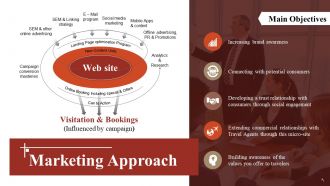
Slide 7: This slide showcases the Marketing Approach showing- Online Booking Including special & Offers, Landing Page optimization Program, Web site, New Content Units, Can to Action, SEM & other online advertising, Mobile Apps & content, Social media marketing, SEM & Linking strategy, E & ndash; Mail program, Campaign conversion masteries, Offline advertising, PR & Promotions, Visitation & Bookings, (Influenced by campaign), Analytics & Research, Increasing brand awareness, Connecting with potential consumers, Developing a trust relationship with consumers through social engagement, Extending commercial relationships with Travel Agents through this micro-site, Building awareness of the values you offer to travelers.
Slide 8: This slide is named Mobile Apps for relative information to be put.
Slide 9: This slide shows Social Media Approach displaying- Seeding & feeding activities, KOL & blogger outreach & management, Social media advertising, Structured content development, Paid media planning & management.
Slide 10: This slide presents Search Marketing aspects to be displayed.
Slide 11: This slide displays Project Phases & Timeline to be marked and presented.
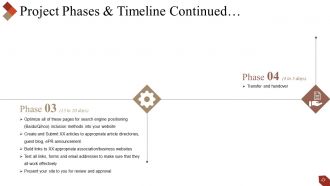
Slide 12: This is Project Phases & Timeline Continued… slide. Present your timeline here.
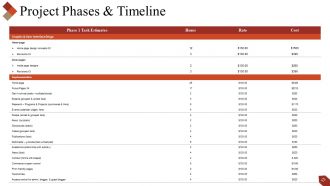
Slide 13: This is a Project Phases & Timeline slide in tabular form.
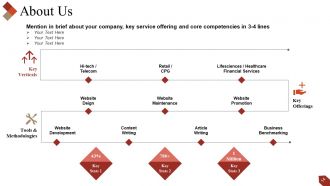
Slide 14: This is an About Us slide. State company/team, service specifications here.
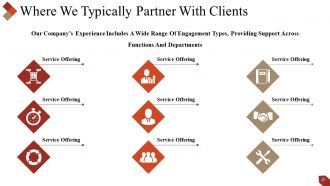
Slide 15: This slide shows Where We Typically Partner With Clients displaying Service Offering.
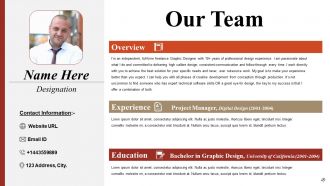
Slide 16: This is Our team slide with name, designation and text boxes to state information.
Slide 17: This is a Case Study slide showing- Client Objective, Our Approach, Timeline.
Slide 18: This is Our Clientele slide showing creative imagery to present relative information.
Slide 19: This slide showcases A Proven Record of Success displaying Name, Designation and related information.
Slide 20: This is a Company Logo slide to show relative information.
Slide 21: This slide is titled Coffee Time Break to halt and move further. You may change the slide content as desired.
Slide 22: This slide is titled Our Charts and Graphs. You may change the slide content as desired.
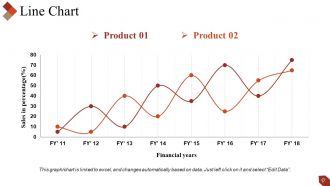
Slide 23: This is a Line Chart slide to show product/entity comparison, specifications etc.
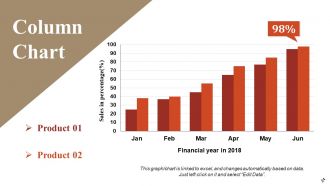
Slide 24: This is a Column Chart slide to show product/entity comparison, specifications etc.
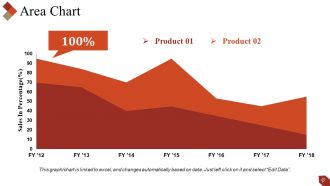
Slide 25: This is an Area Chart slide to show product/entity comparison, specifications etc.
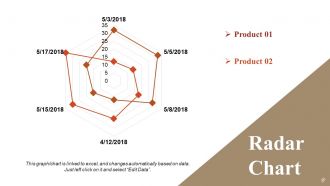
Slide 26: This is a Radar Chart slide to show product/entity comparison, specifications etc.
Slide 27: This slide is titled Additional Slides to move forward. You can change the slide content as per need.
Slide 28: This is an About Our Company slide. State team/company specifications here.
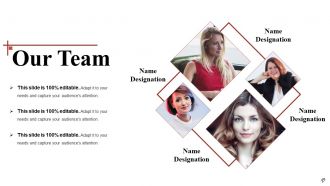
Slide 29: This slide showcases Our team with name, designation and image boxes to fill information for.
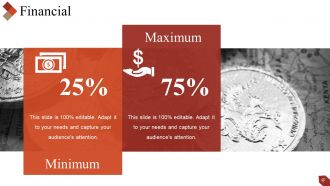
Slide 30: This is a Financial score slide. State financial aspects, information etc. here.
Slide 31: This is Our Goal slide. State your goals here.
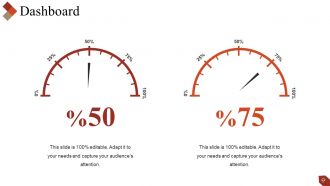
Slide 32: This is a Dashboard slide to state metrics, kpis etc.
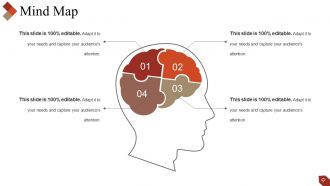
Slide 33: This is a Mind map image slide to show information, specifications etc.
Slide 34: This is a Bulb With Idea image slide to show ideas, innovative information etc.
Slide 35: This is a Thank You slide with Address# street number, city, state, Contact Number, Email Address.
Project Proposal Powerpoint Presentation Slides with all 35 slides:
Now you know your reputation is at stake. Use our Project Proposal Powerpoint Presentation Slides and make a great and lasting impression.
-
Project Proposal
-
Proposal Outline
-
What We Heard from You
-
Target Audience
-
Design Process
-
Site Map
-
Marketing Approach
-
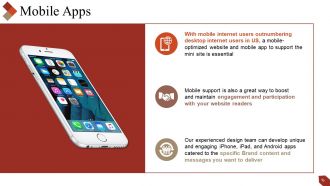
Mobile Apps
-
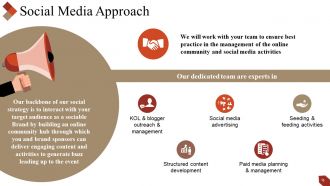
Social Media Approach
-
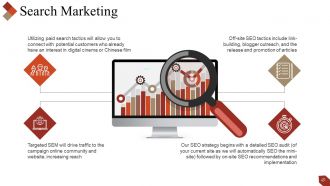
Search Marketing
-
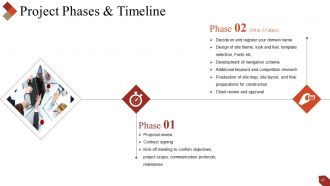
Project Phases Timeline
-
Project Phases Timeline Continued
-
Project Phases Timeline
-
About Us
-
Where We Typically Partner With Clients
-
Our Team
-
Case Study
-

Our Clientele
-

A Proven Record of Success
-
Project Proposal
-
Coffee Time Break
-
Our Graph And Charts
-
Line Chart
-
Column Chart
-
Area Chart
-
Radar Chart
-

Additional Slides
-
About Our Company
-
Our Team
-
Financial
-
Our Goal
-
Dashboard
-
Mind Map
-
Bulb With Idea
-
Thank You Slide
FAQs for Project Proposal
So for your project proposal, start with a killer executive summary that grabs attention. Then break down the problem you're solving and your specific goals. Include your methodology, timeline with key milestones, and budget details. Team qualifications matter too - show why you're the right people for this. Oh, and don't skip stakeholder analysis and risk assessment (I see people forget these all the time). Make everything measurable so they can actually judge if it's worth doing. You'll also want to list any resources you'll need from them. Keep it realistic or they'll just roll their eyes.
Here's the thing - call out their specific worries right at the start. Don't try to sneak around the issues they're already stressed about. Figure out who matters most and what's giving them headaches, then hit those problems with real solutions and actual numbers. I've watched so many proposals crash because people pretended the obvious problems didn't exist (honestly drives me crazy). Talk their language, not yours. Show them you get why they're worried and spell out how you'll handle the risks. Don't oversell - they can smell BS from a mile away. Whatever benefits you're promising need to connect to what they actually lose sleep over.
Dude, financial projections are basically storytelling with numbers. Break down your revenue streams and costs by quarters, but don't get crazy optimistic - I've seen people tank their credibility that way. Conservative estimates are your friend here. Start with a summary table so people get the gist fast. Then show best/worst case scenarios because honestly, shit happens and investors know it. Make sure you can explain how you got your numbers - like, actually walk through your math. Oh, and tie everything to real milestones so it doesn't look like you're just throwing darts at a board.
Honestly, it's all about knowing your audience before you even start writing. Executives? Hit them with ROI and big picture stuff right away - they'll zone out if you get into the weedy details. But technical teams are the opposite - they want all the specifics, timelines, how you're actually gonna pull it off. I made this mistake once sending way too much technical jargon to our CEO and... yeah, that didn't go well lol. With clients, focus on what's in it for them and the results they'll actually see. Quick tip: before writing anything, literally ask yourself "what does this person care about most?" Then put that stuff first.
Honestly, less is way more with presentation slides. Charts and graphs are your best friend for showing metrics or before/after stuff - just keep everything super clean and uncluttered. If you're pitching something concrete, definitely include mockups or prototypes. Timeline visuals work great too for breaking down project phases. Oh, and stick to consistent colors that match your brand (seems obvious but you'd be surprised). The key thing is making sure every single visual backs up what you're actually saying out loud. Don't just slap on random pretty pictures. Practice beforehand so you're not stumbling through explanations!
Honestly, you've gotta hit them with hard numbers - like "cuts processing time by 30%" or "saves us 50K a year." That's what gets attention. Paint that before/after picture so they can actually see the difference your project makes. Features are boring - focus on solving problems people actually lose sleep over. If you've got a similar project that worked well, throw that in there too (adds some street cred). Oh, and timelines matter more than you'd think. Make it super obvious what winning looks like and why anyone should care.
Dude, research is everything - seriously separates the winners from the trash pile. You've gotta dig into your audience's actual problems, what solutions already exist, and where the gaps are. My first proposal? Total disaster because I skipped this step like an idiot. Also helps you nail down realistic timelines and budgets before you promise something crazy. Oh, and you'll spot potential issues early instead of getting blindsided later. Without it, you're just throwing stuff at the wall and praying. Start with understanding your stakeholders and scoping out the competition first.
Definitely list out your main risks first - budget issues, timeline problems, tech failures, that kind of stuff. Then match each one with an actual plan, not just vague "we'll figure it out" nonsense. I learned this the hard way on my last project tbh. Always add some buffer time and money because something WILL go wrong. Skip the generic "monitor closely" stuff and get specific about backup options. What happens if your developer quits? If the client changes their mind halfway through? A risk matrix works great for bigger projects. Show them you've actually thought this through instead of just crossing your fingers.
Honestly, just work backwards from your big deadlines and chop everything into 2-week chunks. Anything longer than that and people zone out completely. I throw together a basic Gantt chart or even a simple table - whatever works. Your milestones need to be super specific though, like "user testing done" instead of wishy-washy stuff like "design progress." Always pad extra time if you're dealing with outside vendors or stakeholders. Trust me on this one - they'll change their minds at least twice. Keep it visual and actually update the thing, or you'll end up with a pretty but useless document nobody looks at.
Honestly, the executive summary is make-or-break time. Decision-makers usually only read that part, so you've got one shot. Pack in your project's purpose, main goals, what you expect to happen, timeline, and how much money you need. Write it last but put it first - weird, I know. One page max or people zone out. Think of it like your elevator pitch but on paper (though who actually pitches in elevators anyway?). It should grab them right away and make approval feel obvious. If you can't nail the summary, maybe the whole project needs some work first.
Dude, specifics are everything - vague timelines and fuzzy objectives will tank you instantly. Budget realistically too, don't lowball yourself just to look cheaper. Typos are brutal, I've seen great proposals get trashed over sloppy proofreading. Actually answer what they're asking for instead of pitching your pet project (I know, obvious but people mess this up constantly). Risk assessment matters more than you think. Acting like nothing could possibly go wrong? That screams amateur hour to reviewers who've seen everything fail spectacularly.
Okay so first thing - group all the feedback by topic because you'll get random stuff mixed with actually useful comments. I always throw it in a spreadsheet (yeah I know, super exciting lol) but it helps track who said what. Start with your main stakeholders' input, especially anything about scope or deadlines. Budget concerns too obviously. Here's the thing though - you don't have to use every single suggestion people give you. That's impossible anyway. Handle the big issues that could mess up your project success. For everything else? Just acknowledge it politely. Always send back a quick summary showing how you incorporated their feedback. People love seeing that.
So basically, you write the proposal first to get people to say yes and give you money. That's your "hey, this project is awesome and here's why we need it" pitch. Once they approve it, THEN you create the actual plan with all the boring details - who does what, when stuff happens, how long each task takes. Honestly, I used to mix these up all the time. The proposal is selling the dream ("why this matters"), but the plan is pure logistics ("okay, now how do we actually pull this off"). Don't waste time planning every little detail until you know the project's even happening. Get approval first, then dive into the weeds.
Research what other proposals look like first. Then figure out what actually sets yours apart - faster delivery, cheaper price, your team's background, whatever. Your exec summary needs to make this super obvious. I know it sounds weird, but think of it like explaining why you're the right person for the job without being a total jerk about everyone else. Focus on concrete stuff, not vague "we're innovative" nonsense. Don't bash competitors directly. Just show how you solve problems they typically miss. Keep hammering your main advantages throughout the whole thing.
Honestly, watch how people react during your pitch - are they asking real questions or just being polite? The first 24 hours after are huge. Follow up with a few key people to see if they're actually interested or were just nodding along. Obviously track the concrete stuff too: did you get approval, funding, buy-in from the right stakeholders? I'd set up a simple scorecard beforehand so you know what you're aiming for. Then see if your idea actually makes it to the implementation phase. Sometimes the timeline for next steps tells you everything you need to know about whether it really landed.
-
Outstanding templates design
-
Wonderful templates design to use in business meetings.
-
Excellent template with unique design.
-
its very good for me to use this