


Annual Cycle For Planning Each Month Highlighting Four Periods Arrow




Try Before you Buy Download Free Sample Product
 Impress Your
 Audience
 100%
100% Editable
 Save Hours
 of Time


Folks feel like expressing appreciation of our Annual Cycle For Planning Each Month Highlighting Four Periods Arrow. They ensure good comments keep coming.
People who downloaded this PowerPoint presentation also viewed the following :
Content of this Powerpoint Presentation
Slide 1: This slide introduces Annual Cycle. State Your Company Name and begin.
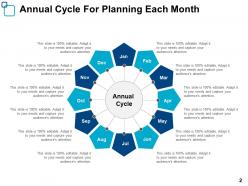
Slide 2: This slide shows Annual Cycle For Planning Each Month.
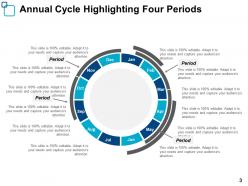
Slide 3: This slide presents Annual Cycle Highlighting Four Periods.
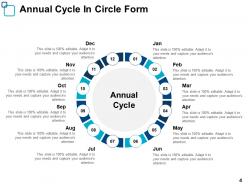
Slide 4: This slide displays Annual Cycle In Circle Form.
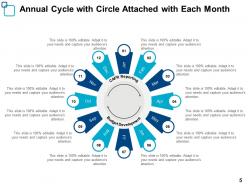
Slide 5: This slide represents Annual Cycle with Circle Attached with Each Month.
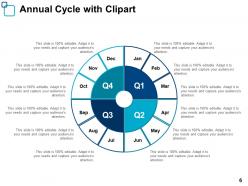
Slide 6: This slide showcases Annual Cycle with Clipart.
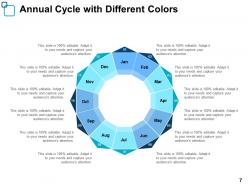
Slide 7: This slide shows Annual Cycle with Different Colors.
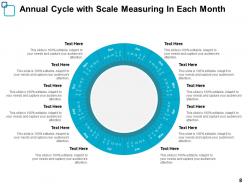
Slide 8: This slide presents Annual Cycle with Scale Measuring In Each Month.
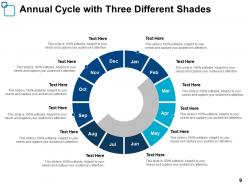
Slide 9: This slide displays Annual Cycle with Three Different Shades.
Slide 10: This is a Thank You slide with address, contact numbers and email address.
Annual Cycle For Planning Each Month Highlighting Four Periods Arrow with all 10 slides:
Make an auspicious beginning with our Annual Cycle For Planning Each Month Highlighting Four Periods Arrow. Your thoughts will be blessed by the audience.

FAQs for Annual Cycle For Planning Each Month Highlighting
Okay so there's basically five things you need: goal setting, budget stuff, timelines, figuring out your resources, and review points. Honestly, I've screwed this up before by skipping steps. Start with your big goals first, then work backwards to see what you can actually afford and when. Set up quarterly check-ins because things will go wrong - they always do. Everything's gotta connect though. Like, your budget can't be totally disconnected from what you're trying to achieve, you know? Oh and pro tip - schedule those review meetings first, then plan everything else around them. Makes it way easier.
Honestly, just think of your annual plans as stepping stones to whatever you're trying to hit in 3-5 years. Break down those big goals into yearly chunks, then work backwards - what actually has to happen THIS year? Most teams (and I've been guilty of this too) just copy-paste last year's stuff instead of thinking strategically. Do quarterly check-ins to make sure you're not just keeping busy but actually moving toward something bigger. Every major thing you're doing should connect back to those longer-term goals somehow.
Data analysis is your roadmap for annual planning - shows you what actually worked vs. what flopped. Grab your performance metrics and financial data from the last 12-18 months. Look for patterns and gaps. Market trends too, obviously. Without this stuff, you're basically throwing darts blindfolded at next year's goals. The numbers don't lie, even when we wish they would! Use those insights to set realistic targets and figure out where to dump your budget for maximum impact. Trust me, it beats the whole "let's just wing it" approach most companies seem to love.
Get them involved from day one - seriously, don't make my mistake of waiting till everything's done. I learned that one the hard way! Start with just listening to what they actually care about. Then keep checking in as you go, sharing drafts and getting their thoughts. Mix up how you talk to them too. Some people want the full PowerPoint thing, others just want to grab coffee and chat about it. Oh and surveys work great for the quiet ones who won't speak up in meetings. Main thing is they need to feel like you're actually listening, not just going through the motions. Tell them upfront how you'll use their input, then actually do it.
Oh man, where do I start? Companies love setting these crazy unrealistic goals that nobody can hit. Then they plan everything in silos - marketing does their thing, sales does theirs, nobody talks. Biggest mistake though? Treating it like you write the plan once and you're done. I've literally watched teams spend months tweaking some perfect strategy that's already outdated by launch day. Get your cross-functional people involved early, set actual deadlines you can stick to, and for the love of god, build in time to pivot. Because trust me, something will go sideways.
Check it quarterly for sure, but honestly monthly is way better if you can manage it. Your plan should be alive, not gathering dust since January (I've watched so many teams do this and it's painful). Market stuff changes, budgets shift, random chaos happens - quarterly reviews help you roll with it. Monthly check-ins catch the small stuff before it snowballs. Oh and set those calendar reminders right now or you'll totally forget. Trust me on this one.
Honestly, if you've got the budget, Anaplan or Adaptive Insights are pretty solid - they're made for exactly this kind of thing. But for smaller teams? Don't overthink it. Excel or Google Sheets with good templates can do wonders, especially if you throw in Monday.com or Asana to track your milestones. I've seen people get really creative with Tableau or Power BI for visualizing different scenarios too. My advice though - map out what you're doing now first. Then just tackle your biggest headaches instead of trying to fix everything at once. Way less overwhelming that way.
Honestly, just track how much of your original plan you actually pulled off. Check your completion rates, whether you hit major deadlines, and if your budget estimates were remotely close. But here's what I'd really focus on - ask your team if the planning process was actually helpful or just corporate BS. That'll tell you more than any spreadsheet. Also keep tabs on how often you had to completely scrap plans mid-year. Some pivoting is normal, but if you're constantly changing course? Your planning might suck. Quarterly reviews help you spot patterns and fix things for next time.
Do quarterly check-ins where you can actually pivot when reality doesn't match your predictions. Keep like 10-15% of your budget unallocated at first - basically your "oh shit, things changed" fund. Rolling forecasts work way better than those rigid yearly plans everyone loves. Create a few scenarios too (best case, worst case, realistic) so you're not stuck with one vision. Monthly check-ins help you catch trends before they bite you. Honestly, the biggest thing is making it okay culturally to change direction when the numbers tell you something different. Don't be stubborn about it.
Okay so first thing - be brutally honest about what actually worked last year vs what you planned. Don't just focus on the wins (though I get why that's tempting). Check your metrics, get real feedback from your team, think about what external stuff messed you up. The gaps are honestly where you'll learn the most. Also look at what surprised you in a good way - sometimes those random successes turn into your best strategies. Use all of this to tweak your planning assumptions and timelines for this year. Oh and write it down so your team can actually reference it when they're making decisions later.
Think of KPIs as your GPS for the year - they turn those massive goals into stuff you can actually measure. I learned this the hard way when I spent months "working hard" with zero idea if I was moving the needle. They're clutch for catching problems before they blow up and keeping everyone focused on what actually matters. Honestly, quarterly reviews become so much easier when you've got real numbers to point to instead of just vibes. Start with 3-5 that connect directly to your biggest objectives. More than that and you'll just confuse yourself.
Yeah, external stuff will totally derail your annual plans whether you like it or not. Market shifts can flip customer demand overnight - remote work completely changed software priorities, for example. Economic downturns mess with budgets and hiring too. You can't just ignore this stuff and stick to your original plan (trust me, learned that lesson!). Build in flexibility from day one. I'd do quarterly check-ins to reassess everything. Keep some budget aside for unexpected opportunities. Also create backup scenarios for different market conditions so you're not scrambling when things change. Makes pivoting way less painful.
Dude, try throwing in some brainstorming sessions or scenario planning stuff. Get everyone away from spreadsheets for once – seriously, sticky notes on walls work magic. Run those "what if" sessions where teams can explore totally wild futures. Bring in outside voices too, like customers or industry people. Creating that safe space matters so people actually share their crazy ideas. Oh, and design thinking workshops are pretty solid if you're into that. Start your next planning cycle with one creative session before jumping into budget reviews. Trust me, you'll be shocked what comes up when people aren't staring at numbers all day.
Honestly, you gotta connect your day-to-day stuff to the big picture somehow. I like to break those huge goals into yearly chunks first, then work backwards to quarterly and monthly targets. Too many people (myself included sometimes) get stuck doing busy work that feels productive but doesn't actually move anything forward. Set up quarterly reviews where you ask yourself two things: am I hitting my short-term stuff AND making real progress on the long-term vision? Course-correct when things get off track. It's simple but most people skip the review part.
Honestly, digital transformation totally flips your annual planning on its head. Gone are the days of setting January budgets and calling it done. Tech moves way too fast now. You'll need quarterly check-ins minimum - maybe even monthly if you're in a really volatile space. The cool part? Way better data to actually make smart decisions with. I'd build in formal "pivot moments" throughout the year where you step back and ask: are these digital bets still worth it? Sometimes you gotta kill projects mid-stream, which feels weird but it's necessary.
No Reviews