


Business Analysis Methodology Powerpoint Presentation Slides




Try Before you Buy Download Free Sample Product
 Impress Your
 Audience
 100%
100% Editable
 Save Hours
 of Time


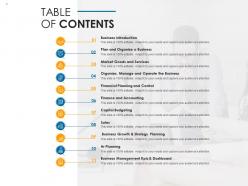
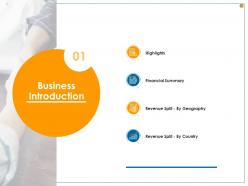
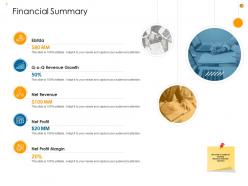
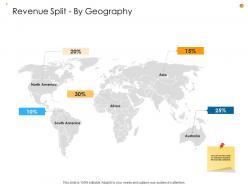
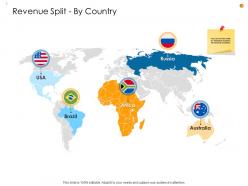
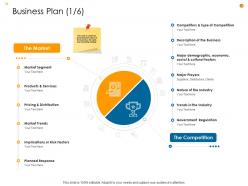
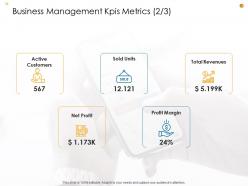
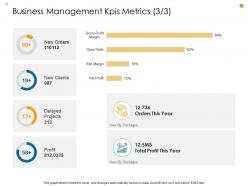
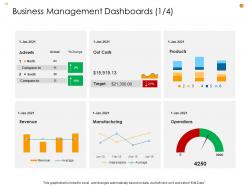
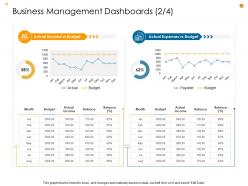
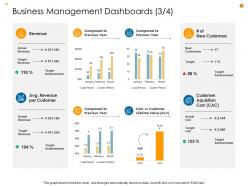
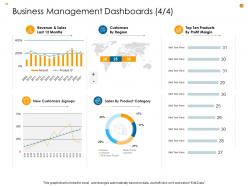
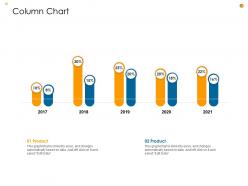
Employ our Business Analysis Methodology PowerPoint Presentation Slides to conduct an in-depth business review. Select these PowerPoint templates to determine the stand and position of your company in this competitive market space. Exhibit an accurate financial summary of your business by taking the aid of this operational review PPT slideshow. This performance evaluation PPT presentation incorporates global map templates to help you display the revenue split by both; country and geography. Take the assistance of these brand assessment PPT layouts to fulfill the brand analysis needs of your organization. Showcase the entire business plan including, crucial elements like market segment, pricing, distribution, market trends, and planned response through these business strategy PowerPoint designs. Present your financial and operational data in an organized format with our completely customizable templates that provide you with a wide range of charts, tables, and graphs to illustrate your content. Eliminate any concern of your customers by giving an overview of the company's vision, mission, goals, objectives, achievements, and awards with the assistance of this market strategy PPT proposal. Download this business analysis PowerPoint presentation and share your strategic assessment procedure with the audiences.
People who downloaded this PowerPoint presentation also viewed the following :
Business Analysis Methodology Powerpoint Presentation Slides with all 102 slides:
Use our Business Analysis Methodology Powerpoint Presentation Slides to effectively help you save your valuable time. They are readymade to fit into any presentation structure.





FAQs for Business Analysis Methodology
You'll want to focus on stakeholder engagement and solid requirements gathering techniques first. Documentation standards are crucial too - trust me, templates will save you hours later. Don't skip the validation processes either. Change management protocols honestly keep you sane when scope creep hits (and it will). Clear roles help avoid the whole "I thought you were handling that" mess. Communication plans keep everyone happy and informed. My advice? Pick 2-3 techniques you're actually comfortable with instead of overwhelming yourself. Build your process gradually - trying to do everything perfectly from day one is a recipe for burnout.
Honestly, just match your approach to what you're actually dealing with. Small stuff? Lean methods or user story mapping work great - sometimes you literally just need a whiteboard and some sticky notes. Medium projects usually need more structure, so BABOK practices or mixing agile with waterfall makes sense. The really big, complex initiatives though? You'll want enterprise architecture frameworks or proper requirements management. I learned this the hard way, but don't overcomplicate things. Look at your timeline, how many stakeholders you're wrangling, and any compliance stuff first. Then pick whatever won't drive everyone crazy.
Oh man, stakeholder engagement can totally make or break your project. Map out who matters early - and I mean REALLY early, not halfway through when you realize the finance director has final say. Keep them looped in the whole time, not just for that initial kickoff meeting. Honestly, I've watched so many good analyses die because someone ignored a key player who could shut everything down. Regular check-ins are your friend here. The better you work with stakeholders, the cleaner your requirements get and the less painful implementation becomes. Trust me on this one.
Oh man, agile basically throws out everything you know about BA work. No more giant requirements docs upfront - now you're writing user stories and sitting in daily standups. Requirements change constantly, which honestly drove me nuts at first. Short sprints become your life, and you'll be talking to stakeholders way more than before. The upside? You can actually pivot when things go sideways instead of being stuck with some ancient spec. Get ready for ambiguity though - it's weird but you adapt. Practice those user stories now, trust me on this one.
Honestly? Track if they actually used your recommendations and got the results you promised. ROI, cost savings, efficiency gains - whatever you put in your business case. So many analysts just ghost after delivering the report (which drives me nuts tbh). Check if stakeholders are happy and if you hit deadlines. But here's the thing - set up those success metrics right at the start. Don't wait until the project's over when everyone's already thinking about other stuff. The real question is simple: did you solve the problem or not?
Okay so basically - waterfall makes you nail down every single requirement upfront and document the hell out of everything. Super rigid when people inevitably change their minds (which they always do). Agile's way more flexible though. You figure out requirements as you go through short sprints, talk to stakeholders constantly, and can actually pivot when priorities shift. Way less paperwork, more actual conversations and quick prototypes. If your company's always changing direction or requirements are kinda fuzzy, you'll definitely want the adaptive route. Saves so much rework headache.
Honestly, data analytics just makes everything so much clearer when you're trying to figure out business problems. You stop guessing about what customers actually want or where your processes are breaking down. Instead you've got real patterns and numbers backing up your ideas. The forecasting stuff is pretty cool too - you can test different scenarios before jumping into recommendations. Oh, and you don't need anything fancy to start. Grab whatever data you already have lying around and mess with some basic charts or dashboards. Trust me, your analysis will feel way more solid once you see the actual trends instead of just going with hunches.
You'll want some solid requirements management software first - JIRA or Azure DevOps work great for tracking everything. Visio or Lucidchart are perfect for process mapping and wireframes. Miro's honestly been a lifesaver for workshops and getting stakeholders engaged (way better than those boring conference calls). Confluence keeps all your documentation in one place so you're not hunting through random folders later. But here's the thing - it doesn't really matter which specific tools you pick as long as your team actually uses them. Just make sure they integrate well together so you're not doing a million copy-paste sessions between systems.
Honestly, you've gotta start by figuring out what the company actually wants to accomplish. Dig into their strategic plan, chat with the leadership team - find out what's really driving the business. Once you know that, connect your BA work directly to those goals. Say they want to cut costs by 15% - focus your analysis on finding process inefficiencies or spots where automation makes sense. I usually throw together a simple matrix showing stakeholders how each thing I'm analyzing ties back to what they care about. Sounds basic but it works. Makes getting approval and budget so much easier when people can see the connection.
Honestly, departments are gonna push back hard - they all think their processes are special snowflakes. Sales hates paperwork and wants everything yesterday. IT demands detailed docs for literally everything. The jargon alone will drive you nuts since everyone speaks their own language and measures success differently. Teams get weirdly territorial about their existing workflows too, like you're trying to steal their favorite coffee mug or something. Best approach? Tailor your pitch to each group's specific headaches first. Show them what's in it for THEM. Keep your core stuff the same but package it differently for each audience.
Make a scoring matrix - rate everything on impact vs effort, then hit the high-impact, low-effort stuff first. I throw together a simple spreadsheet with business value, technical complexity, and urgency. Stakeholders will swear everything's "critical" but you can totally push back with actual data. Go for anything that directly hits revenue or user experience first, plus whatever other features depend on. Oh and definitely get everyone to agree on your scoring criteria upfront - otherwise they'll try changing the rules when priorities shift later. Trust me on that one.
Honestly, just focus on making stuff people will actually open and read. Put the big picture stuff first - what's broken, what it costs, how to fix it. Charts and diagrams are your friend because walls of text make everyone's eyes glaze over. I learned this the hard way lol. Break everything into clear sections with bullet points. Don't forget to mention where your data came from so nobody questions your work later. Oh, and match your detail level to who's reading it - your CEO doesn't need the same info as the person implementing changes. Pro tip: document findings as you go instead of scrambling at the end.
Honestly, visual aids are a lifesaver throughout the whole BA process. During requirements gathering, I always throw up process maps and flowcharts - people just get it way faster when they can see the workflow. Wireframes save you from endless rounds of "wait, that's not what I meant" with UI stuff. Charts and dashboards make data analysis so much clearer for spotting trends. Even basic diagrams keep folks awake during presentations instead of staring at walls of text. Just match what you show to who you're talking to - execs want the big picture dashboards, devs need those nitty-gritty process details.
Oh this is actually pretty straightforward! You're basically always tweaking how you do your BA work to make it better. Like, instead of doing the same inefficient stuff on repeat (we've all been there), you regularly check what's working and what isn't. Get feedback from people, update your methods, stay current with how business is changing. Honestly, the world moves fast and you don't want to be stuck using techniques from 2015. I'd say just start with one thing you do every week - maybe how you gather requirements or something - and figure out how to make it even 10% smoother.
Look, business analysis methods are basically your roadmap for figuring out what's actually changing and who's gonna freak out about it. Map your current processes first, then compare them to where you're headed. Stakeholder analysis is where the magic happens though - you'll catch your potential troublemakers before they derail everything. Root cause stuff helps too since most change projects crash and burn for predictable reasons. Oh, and document everything before you go announcing changes to the whole company. Trust me on this one - I've seen too many leaders skip the groundwork and regret it later.
-
Editable templates with innovative design and color combination.
-
Helpful product design for delivering presentation.
-
It saves your time and decrease your efforts in half.
-
I discovered this website through a google search, the services matched my needs perfectly and the pricing was very reasonable. I was thrilled with the product and the customer service. I will definitely use their slides again for my presentations and recommend them to other colleagues.
-
Appreciate the research and its presentable format.
-
Much better than the original! Thanks for the quick turnaround.
-
Unique design & color.
-
Innovative and attractive designs.