


Capital Market Trends Powerpoint Presentation Slides




Try Before you Buy Download Free Sample Product
 Impress Your
 Audience
 100%
100% Editable
 Save Hours
 of Time


Regulate securities activities in a transparent, and efficient manner by utilizing Capital Market Trends PowerPoint Presentation Slides. Analyze capital markets and predict their future movements with the use of professionally designed financial market PowerPoint graphics. Showcase the general direction of a market or an asset’s price by taking the assistance of the financial market trends PPT layouts. Predict if a particular market sector is growing now and would continue to grow in the future by using money market overview PPT slideshow. You can also showcase the benefits of investing in the capital market such as saving, wealth or capital gain, securities as collateral, liquidity, etc. Showcase the nature of the market integration and financial system by using the readily available financial market PPT infographics. Showcase your industry performance in the capital market and analyze growth rate and revenue rate. Reduce upfront capital expenses by downloading our ready to use market trading PowerPoint Presentation.
People who downloaded this PowerPoint presentation also viewed the following :
Content of this Powerpoint Presentation
Slide 1: This slide introduces Capital Market Trends. State your Company name and begin.
Slide 2: This slide presents Capital Market Trends - Template 1 with brand names.
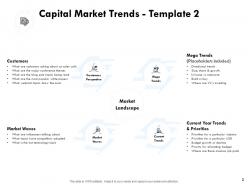
Slide 3: This slide displays Capital Market Trends - Template 2.
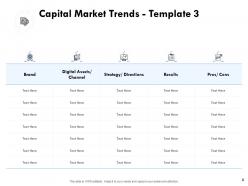
Slide 4: This slide showcases Capital Market Trends - Template 3
Slide 5: This slide displays Traffic Received by Google SEO Ranking.
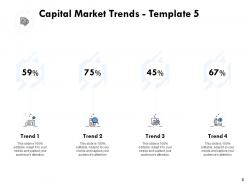
Slide 6: This slide showcases Capital Market Trends - Template 5.
Slide 7: This is Capital Market Trends Icons Slide.
Slide 8: This slide is titled as Additional Slides for moving forward.
Slide 9: This is Our Mission slide with Vision, Mission and Goals.
Slide 10: This is Our Team slide with Names and Designation.
Slide 11: This is About Us slide to showcase company specifications.
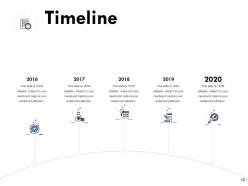
Slide 12: This slide depicts Timeline process.
Slide 13: This is Idea Generation slide to convey message, beliefs, etc.
Slide 14: This is Thank You slide with Address, Email address and Contact number.
Capital Market Trends Powerpoint Presentation Slides with all 14 slides:
Use our capital market trends powerpoint presentation slides to effectively help you save your valuable time. They are readymade to fit into any presentation structure.









FAQs for Capital Market Trends
So there are two main parts to capital markets. Primary markets are where companies first sell stocks and bonds to raise cash - think of it like the "factory" making new securities. Then you've got secondary markets, which is where all of us regular investors buy and sell those same securities later. That's your stock exchanges, bond trading, all that stuff. Secondary markets are honestly where most of the action happens day-to-day. Prices move around, there's liquidity flowing. If you're investing or your company needs funding, just figure out which market you're dealing with first - it'll help you time things better.
So primary markets are where companies first sell new stocks or bonds to raise money - like IPOs. Secondary markets are where people trade those same securities after, like on NYSE. The difference matters because primaries actually fund business growth (which is pretty cool when you think about it), while secondaries just let you buy/sell with other investors. But honestly, you need both - primaries get companies the cash they need, and secondaries mean you're not stuck holding shares forever. Quick way to think about it: primary = fresh money going to the company, secondary = just shuffling existing shares around between people.
So capital markets are basically where you'll find stocks, bonds, and derivatives - all with totally different risk levels. Stocks give you ownership in companies plus maybe dividends, but they bounce around a lot. Bonds are way steadier since they're just debt that pays fixed income, though companies can still default. Then there's derivatives like options and futures, which honestly get crazy complicated fast. Oh, and you've got REITs and ETFs mixed in there too. Unlike money markets, everything here is long-term focused. I'd stick with basic stocks and bonds first before getting into the weird stuff.
So basically rates control everything in markets. Bond prices drop when rates go up, and stocks usually tank too since borrowing costs more. Growth stocks get absolutely crushed because their whole value depends on future profits looking good. But here's what's wild - markets don't even wait for actual rate changes. They're constantly guessing what the Fed will do next and moving beforehand. I learned this the hard way last year honestly. Watch the yield curve and Fed speeches. That's your best bet for positioning before everything shifts.
Think of regulation like bumpers at a bowling alley - stops the market from totally crashing into the gutter. The SEC makes companies show their real financials so you're not buying blind. They also watch for insider trading and other sketchy stuff (though honestly, people still find ways around it). Without these rules, information would be all over the place and markets would swing like crazy. I know it sounds boring, but this stuff actually builds trust. And trust keeps everything running smoothly instead of pure chaos.
So capital markets are huge for emerging economies - they funnel people's savings into actual productive stuff that creates growth. Companies can raise money way easier when there's decent stock and bond markets, which means more jobs and innovation. Regular folks get to build wealth too instead of just parking cash in terrible savings accounts. Here's what's interesting though - countries with stronger capital markets almost always grow faster. Better allocation of resources and all that. If you're thinking about emerging market investments, I'd look for places actively building up their financial systems and regulations. Makes a big difference.
Market volatility and inflation are your biggest headaches, plus credit risk if you're into bonds. Honestly, 2008 was a nightmare - but diversifying helps a ton. Spread your money across different asset classes and countries. Dollar-cost averaging smooths things out too. Never sell during crashes if you can help it - that's why emergency funds exist. Stop-losses can save you sometimes, though I'm not always convinced they're worth it. Short answer: figure out how much risk makes you comfortable, then build around that. Long-term thinking beats panic every time.
Dude, fintech apps have totally changed the game. No more crazy broker fees or needing thousands just to start investing. You can literally buy fractional shares of Amazon from your couch - pretty insane if you think about it. Pricing's way more transparent now too. But here's the thing: these apps make trading almost too easy sometimes. The whole setup can feel like a video game, which isn't always great for your wallet. My take? Use the low fees and accessibility to your advantage, just don't get sucked into checking your portfolio every five minutes.
Markets freak out over geopolitical stuff because nobody knows what's coming next. Defense stocks might jump while airlines crash - it's crazy how fast things move. Wars, trade fights, even big elections can tank or pump sectors overnight. I swear $2 trillion disappeared once over some tweet. Gold and bonds usually do well when everyone's panicking. But here's the thing - most of these drops are just knee-jerk reactions unless something really fundamental changes. Don't sell everything when the news gets scary. That's when you lose money for real. Stay diversified and ride it out.
So capital markets are basically where companies can raise money by selling stocks or issuing bonds instead of just hitting up banks. For startups, this is massive - you get access to VC funding and can eventually IPO to really scale up. It's crazy how you can literally turn a business idea into something people trade on exchanges. The whole thing works because it matches companies who need cash with investors hunting for returns. Oh and if you're thinking about funding options, definitely look into both debt and equity markets sooner rather than later - wish someone had told me that earlier.
Look, market cap is basically how you can tell if investors are feeling good or bad about the whole market. Growing market cap? People are confident, the economy's doing well, companies are raising money easily. Shrinking cap usually means trouble's coming. I use it to check if there's decent IPO activity happening and whether the market's pricing stuff right - though honestly, nothing's foolproof. It's probably one of the best ways to get a quick read on how healthy capital markets actually are right now.
So when foreign money flows into your domestic market, it pumps up liquidity big time. Trading volumes spike, and you'll usually see asset prices climb across different sectors. But honestly? It's a double-edged sword. Your market becomes way more volatile because it's now tied to global sentiment - just look at how emerging markets get crushed whenever international investors panic and bail out. Sure, the integration makes everything more efficient, but you lose that protective isolation from worldwide drama. These days you can't just analyze local stocks in a vacuum anymore. Gotta watch those international capital flows too.
Dude, ESG is everywhere in finance right now. Climate disclosures are becoming mandatory, sustainability bonds are exploding. Investors want ESG data with the usual financial stuff - it's not optional anymore. Europe's killing it with their taxonomy rules, but we're finally catching up here. Asset managers are reshuffling whole portfolios around this stuff. Honestly? Your firm needs to get on this yesterday. I'd audit what you've got now and build some kind of ESG framework. My cousin works at BlackRock and says they won't even look at deals without ESG metrics anymore.
So market indices are basically like a snapshot of how different groups of stocks are doing. The S&P 500 tracks 500 big US companies, while the Dow just follows 30 major ones. They're pretty useful for getting a feel for the overall market mood - when they're climbing, investors are feeling good about things. Down trends usually mean people are getting nervous about the economy or whatever's happening in the world. You can actually buy index funds that follow these too, which is honestly way easier than picking individual stocks. I always check a few major indices before making any moves - gives you a decent read on where everything stands right now.
So investment banks are like middlemen between companies that need cash and investors who have it. They'll underwrite your securities - basically buying and selling your stocks or bonds. Plus they do M&A advisory work and help institutional investors trade stuff. Honestly, they're pretty necessary if you want to raise capital because the regulatory maze is insane to navigate alone. They know which investors to target too. Just be ready for some serious fees - these guys don't work cheap! But yeah, if your company needs funding, you'll probably end up needing them.
-
Commendable slides with attractive designs. Extremely pleased with the fact that they are easy to modify. Great work!
-
Innovative and Colorful designs.
-
Editable templates with innovative design and color combination.