


Cloud Computing For Efficient Project Management Powerpoint Presentation Slides
Cloud computing is a tool that integrates planning, designing, monitoring, and project delivery with cloud based technology and software. Grab our competently designed Cloud Computing for Efficient Project Management template that provides access to a comparative assessment of traditional and cloud based project management along with various features and benefits of using cloud computing in projects. Also, the PPT deck highlights multiple service models such as SaaS, PaaS, IaaS, Hybrid, Public, and Private. This presentation offers a timeline to help project managers implement cloud computing in their project management workflows. Additionally, the PowerPoint contains multiple initiatives that can support project teams, tasks, resources, schedules, and reporting. The strategies are Kanban backlog management, workflow automation, cloud collaboration, devices management, cloud timesheet and calendars, mobile device integration, etc. Furthermore, the PowerPoint slides include members, roles, responsibilities, training program, and RACI matrix of the cloud project management team. The complete deck also contains a budget allocation plan and comparative software assessment for implementing and handling projects on the cloud platform. Lastly, it provides KPI dashboards, monthly performance reports, and impact analysis for measuring the effectiveness of cloud computing on projects. Get access now.


















-

- Google Slides is a new FREE Presentation software from Google.
- All our content is 100% compatible with Google Slides.
- Just download our designs, and upload them to Google Slides and they will work automatically.
- Amaze your audience with SlideTeam and Google Slides.
-

Want Changes to This PPT Slide? Check out our Presentation Design Services
-

- WideScreen Aspect ratio is becoming a very popular format. When you download this product, the downloaded ZIP will contain this product in both standard and widescreen format.
-

- Some older products that we have may only be in standard format, but they can easily be converted to widescreen.
- To do this, please open the SlideTeam product in Powerpoint, and go to
- Design ( On the top bar) -> Page Setup -> and select "On-screen Show (16:9)” in the drop down for "Slides Sized for".
- The slide or theme will change to widescreen, and all graphics will adjust automatically. You can similarly convert our content to any other desired screen aspect ratio.
Compatible With Google Slides

Get This In WideScreen
You must be logged in to download this presentation.


Do you want to remove this product from your favourites?
PowerPoint presentation slides
Enthrall your audience with this Cloud Computing For Efficient Project Management Powerpoint Presentation Slides. Increase your presentation threshold by deploying this well-crafted template. It acts as a great communication tool due to its well-researched content. It also contains stylized icons, graphics, visuals etc, which make it an immediate attention-grabber. Comprising fifty five slides, this complete deck is all you need to get noticed. All the slides and their content can be altered to suit your unique business setting. Not only that, other components and graphics can also be modified to add personal touches to this prefabricated set.

People who downloaded this PowerPoint presentation also viewed the following :
Content of this Powerpoint Presentation
Slide 1: This slide displays title i.e.'Cloud Computing for Efficient Project Management' and your Company Name.
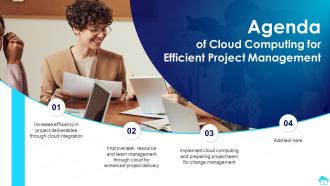
Slide 2: This slide presents agenda.
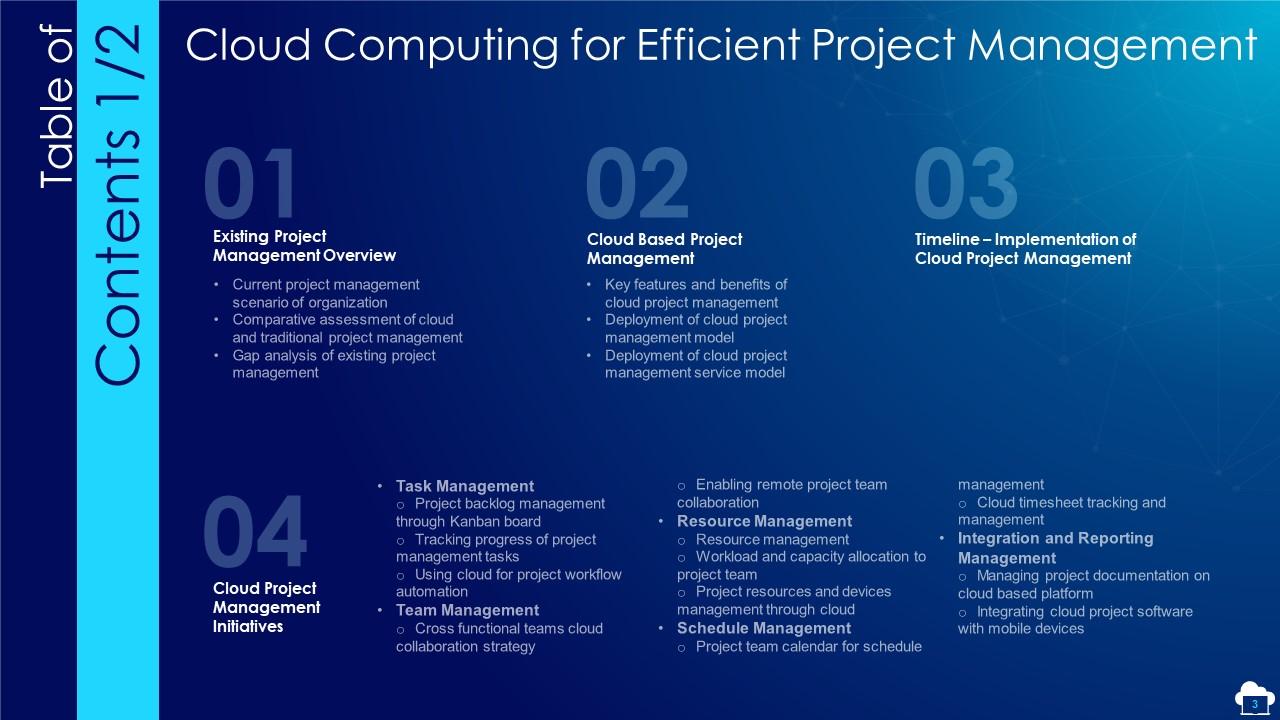
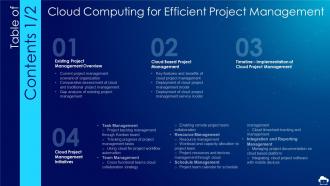
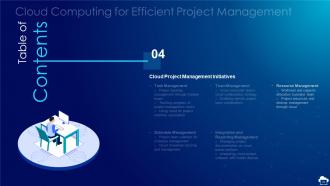
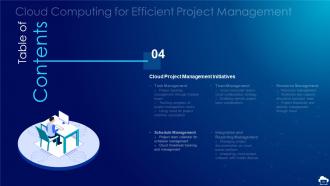
Slide 3: This slide exhibits table of contents.
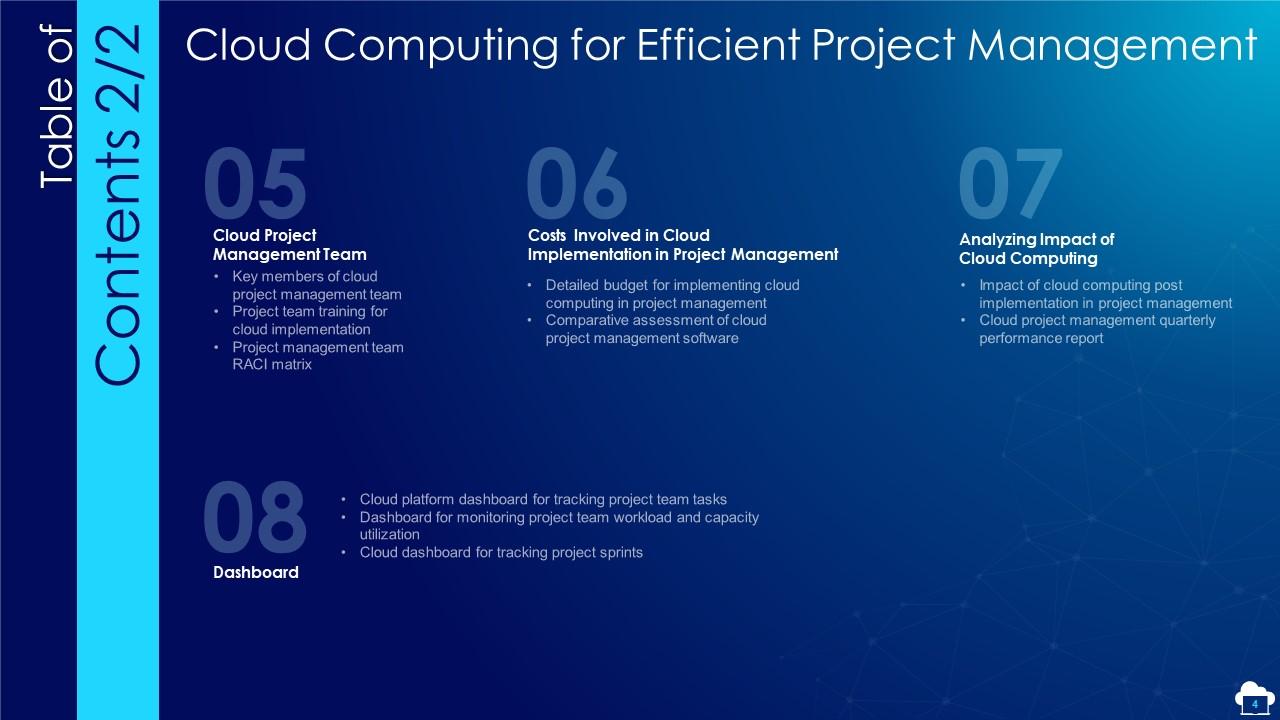
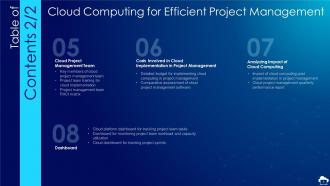
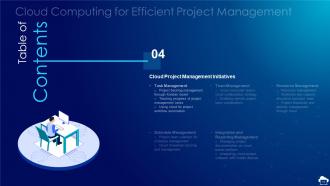
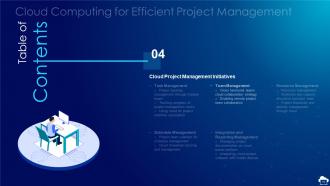
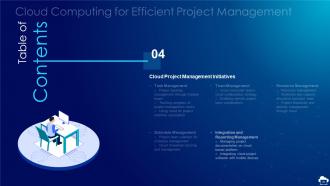
Slide 4: This slide also shows table of contents.
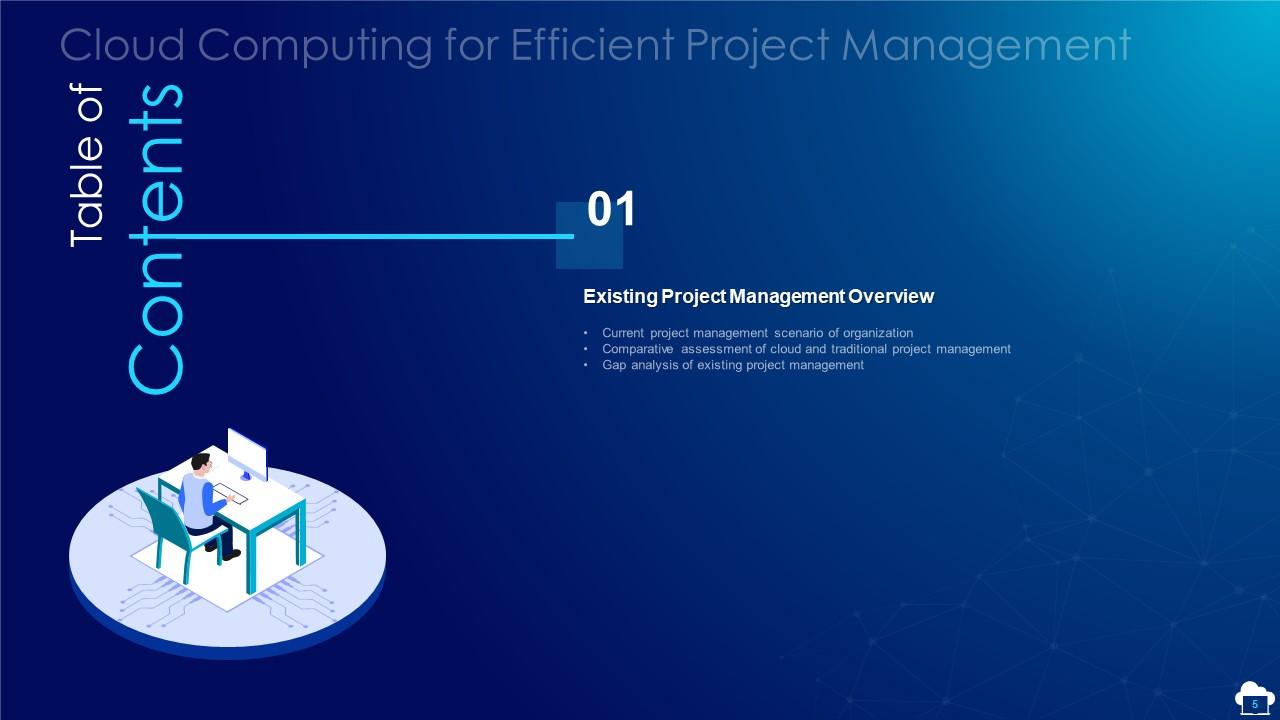
Slide 5: This slide depicts title for three topics that are to be covered next in the template.
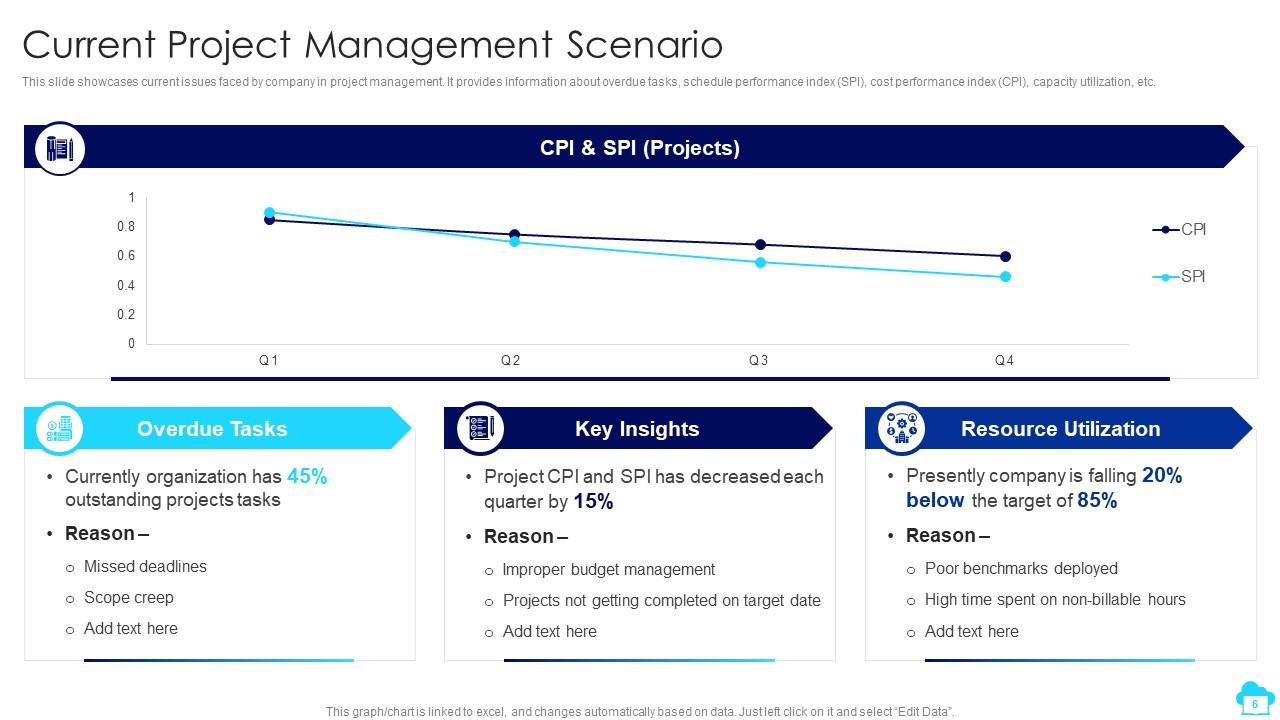
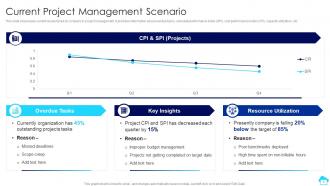
Slide 6: This slide showcases current issues faced by company in project management.
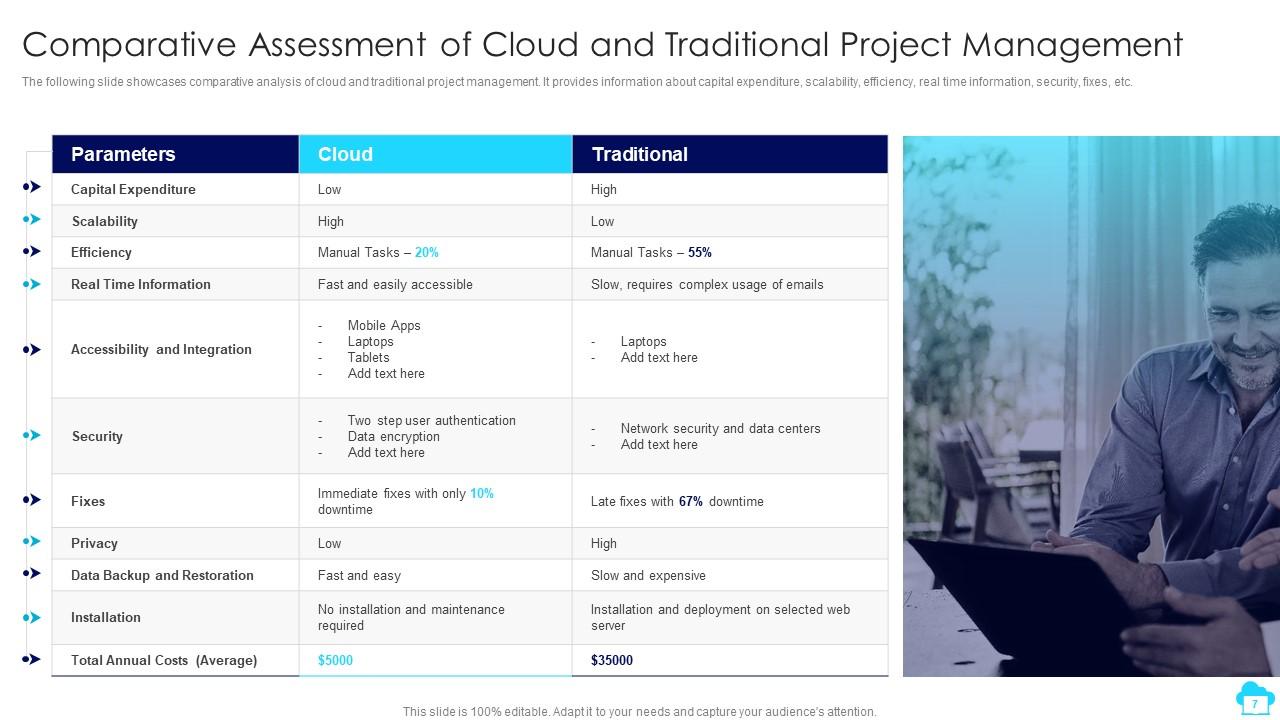
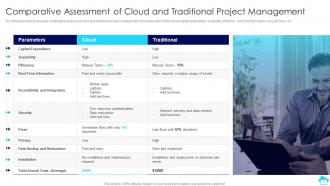
Slide 7: This slide showcases comparative analysis of cloud and traditional project management.
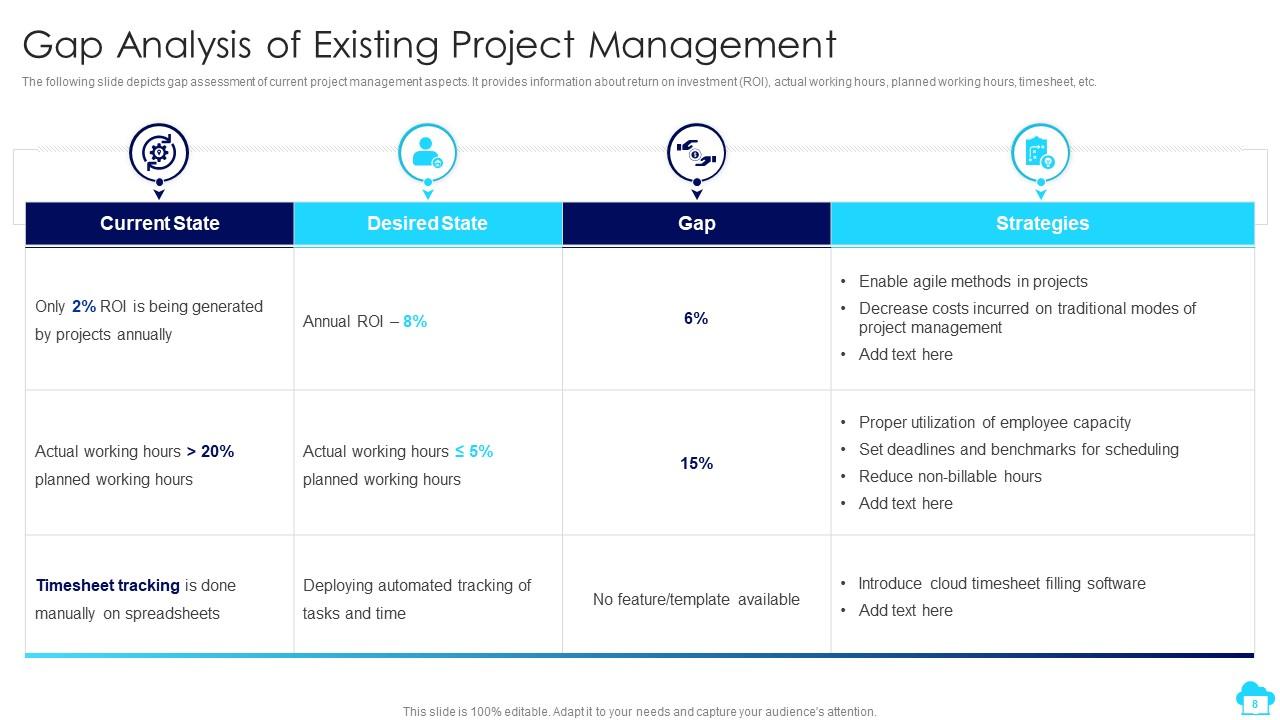
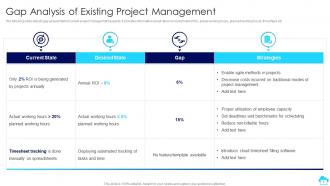
Slide 8: This slide depicts gap assessment of current project management aspects.
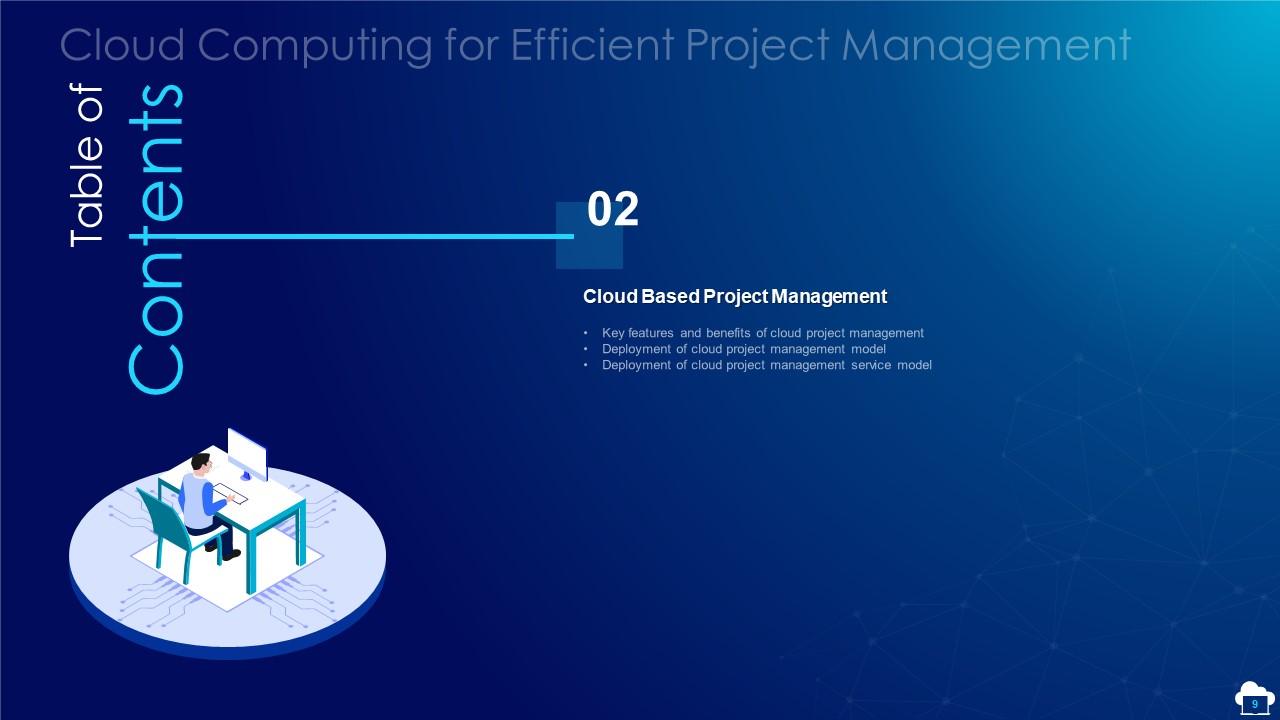
Slide 9: This slide depicts title for three topics that are to be covered next in the template.
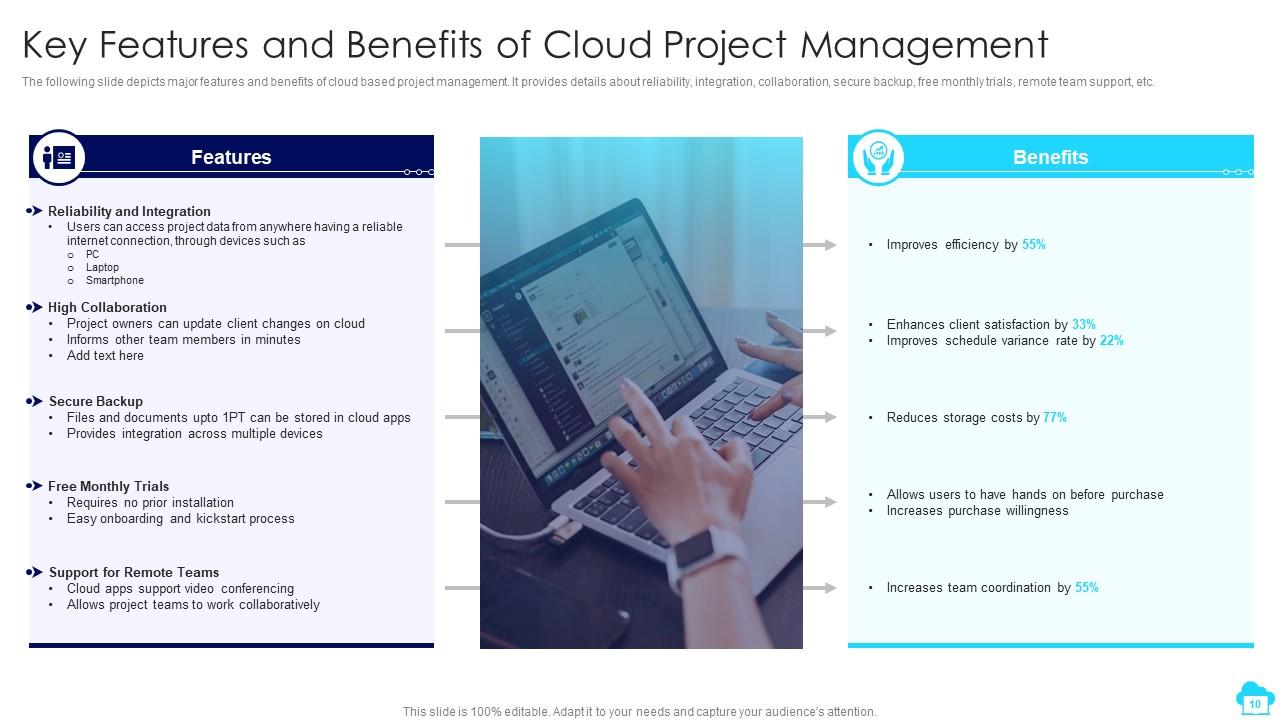
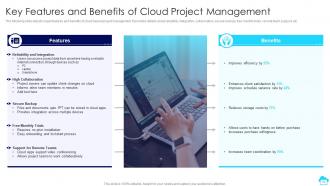
Slide 10: This slide depicts major features and benefits of cloud based project management.
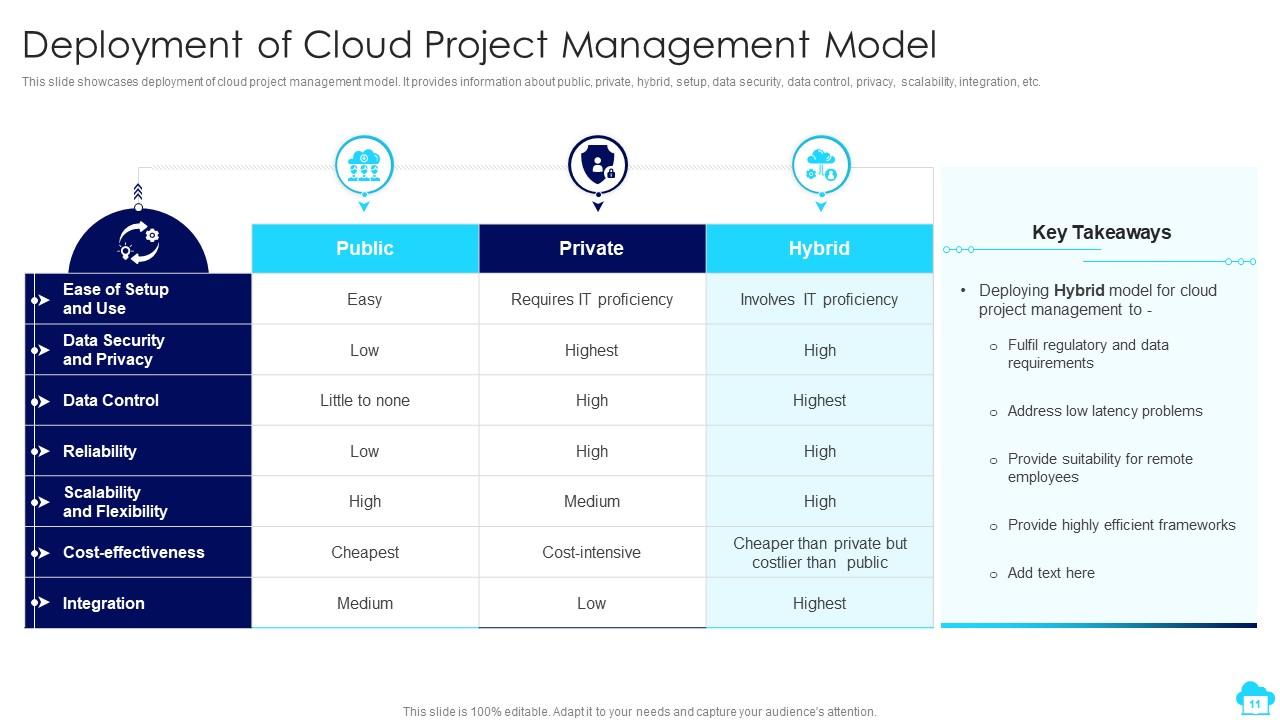
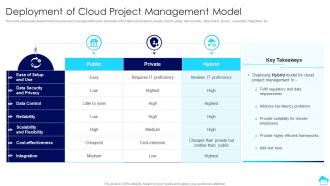
Slide 11: This slide showcases deployment of cloud project management model.
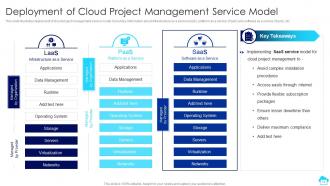
Slide 12: This slide illustrates deployment of cloud project management service model.
Slide 13: This slide depicts title for the topic that are to be covered next in the template.
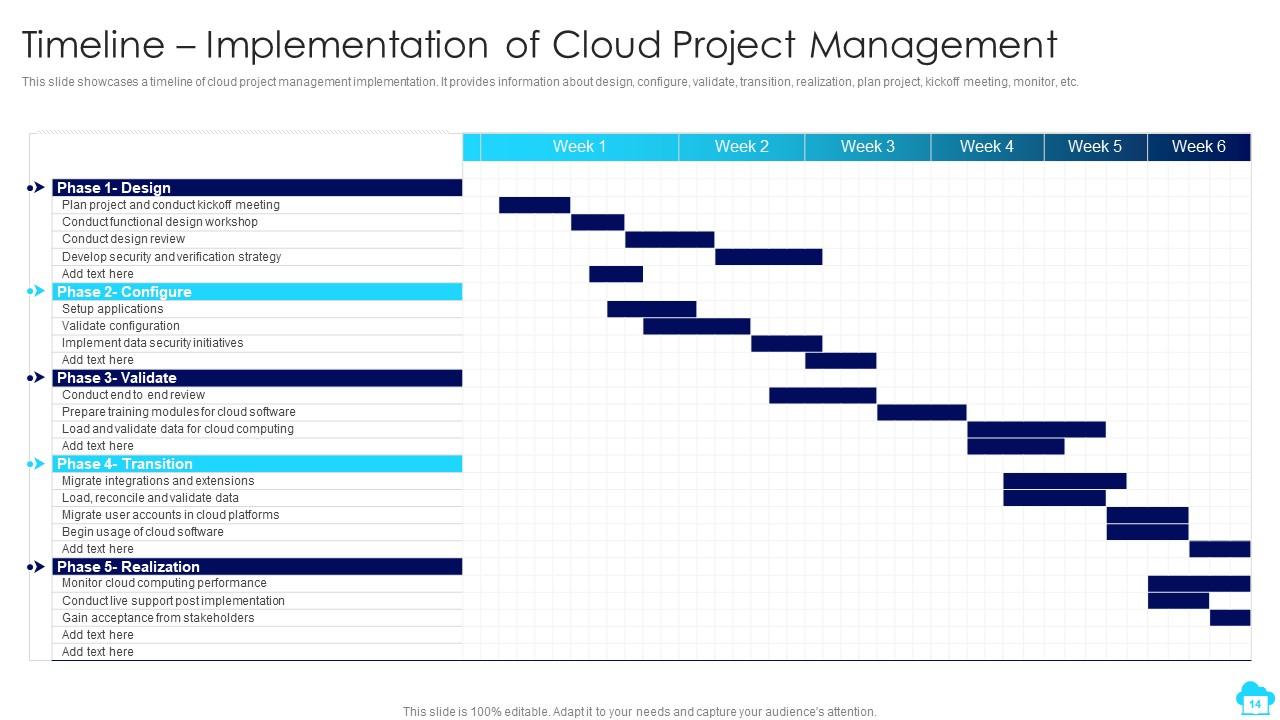
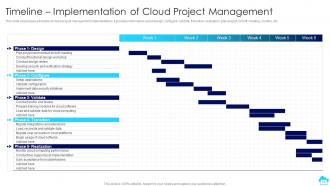
Slide 14: This slide showcases a timeline of cloud project management implementation.
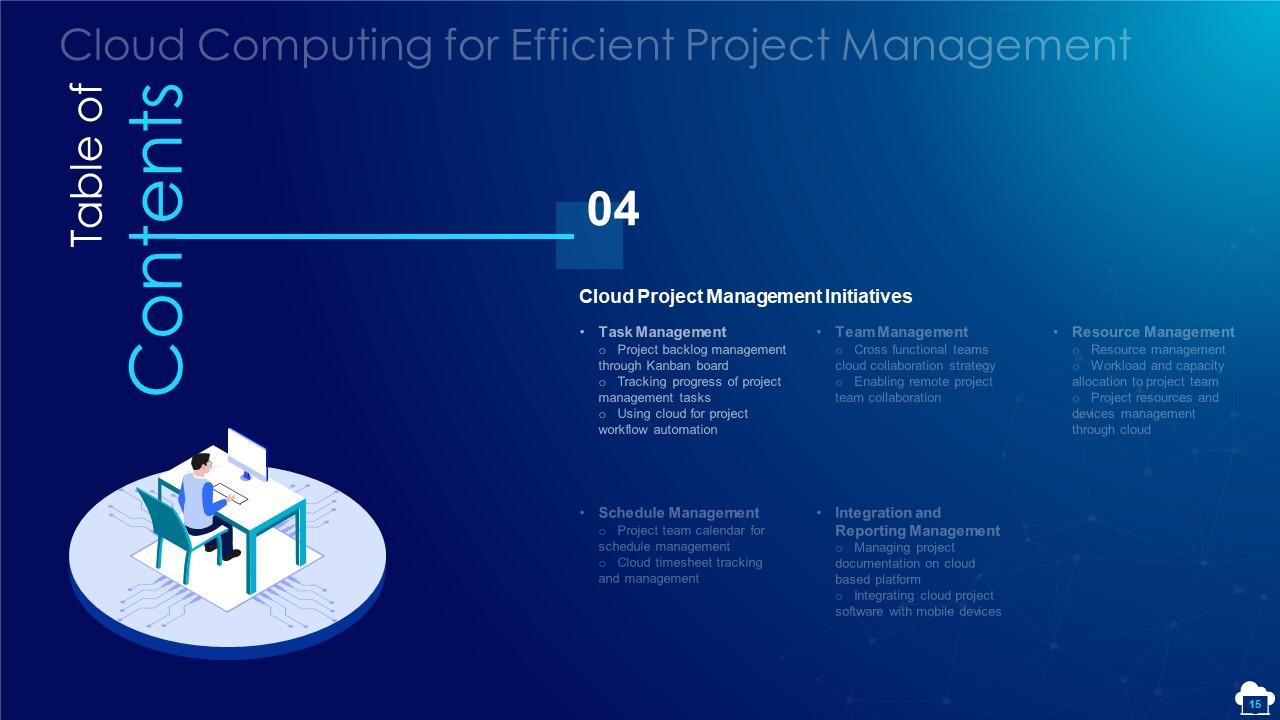
Slide 15: This slide depicts title for three topics that are to be covered next in the template.
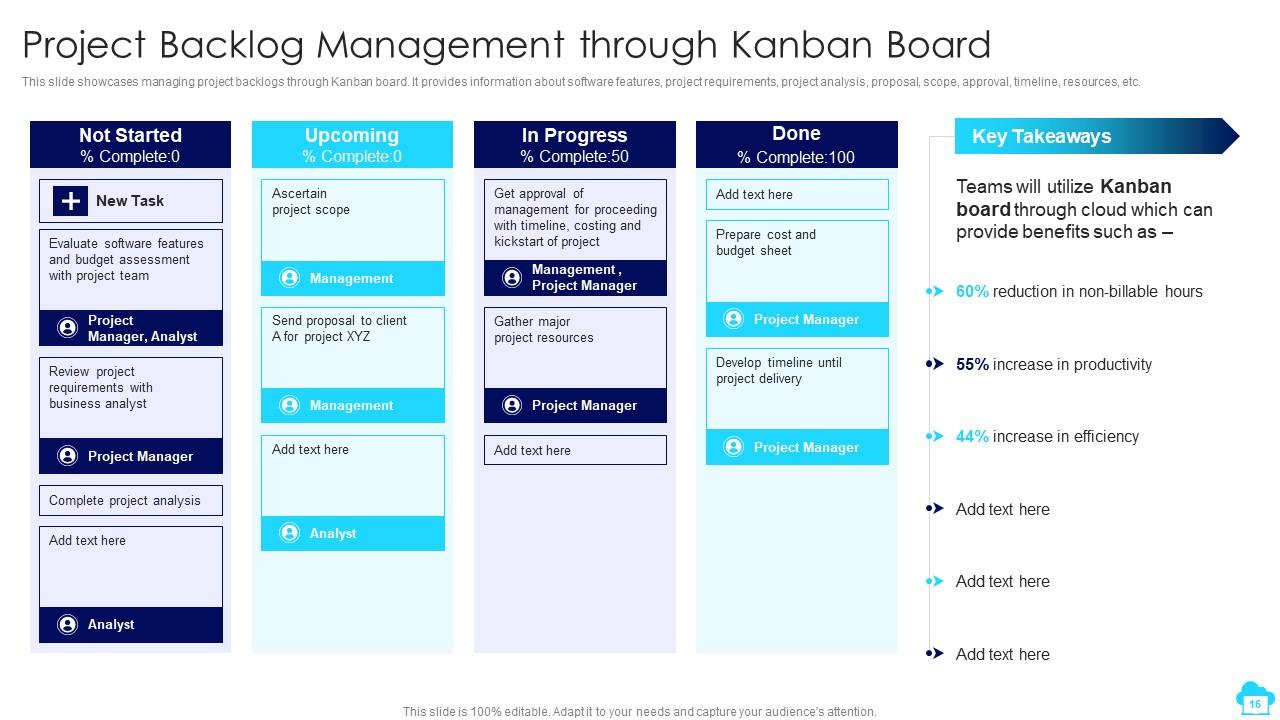
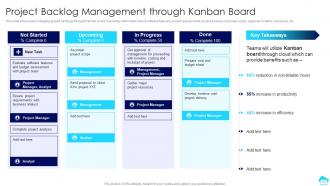
Slide 16: This slide showcases managing project backlogs through Kanban board.
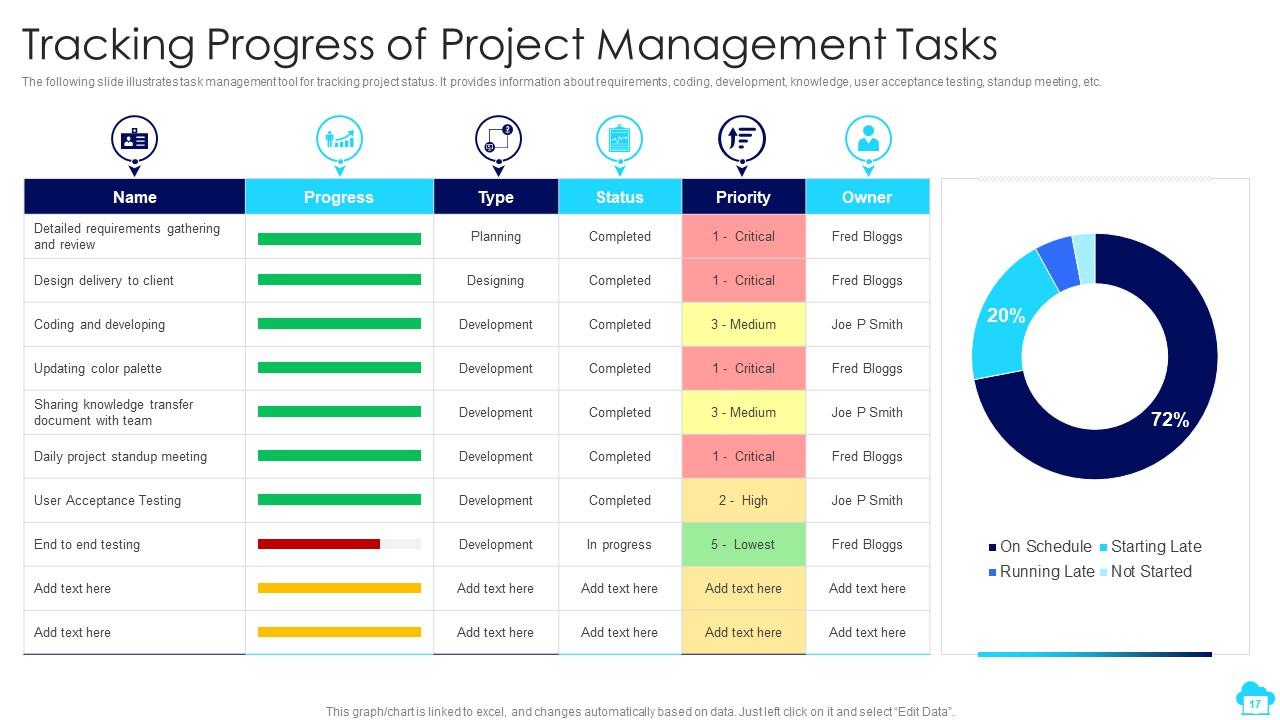
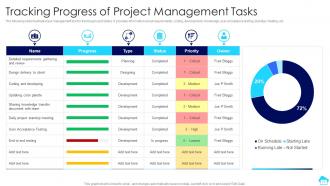
Slide 17: This slide illustrates task management tool for tracking project status.
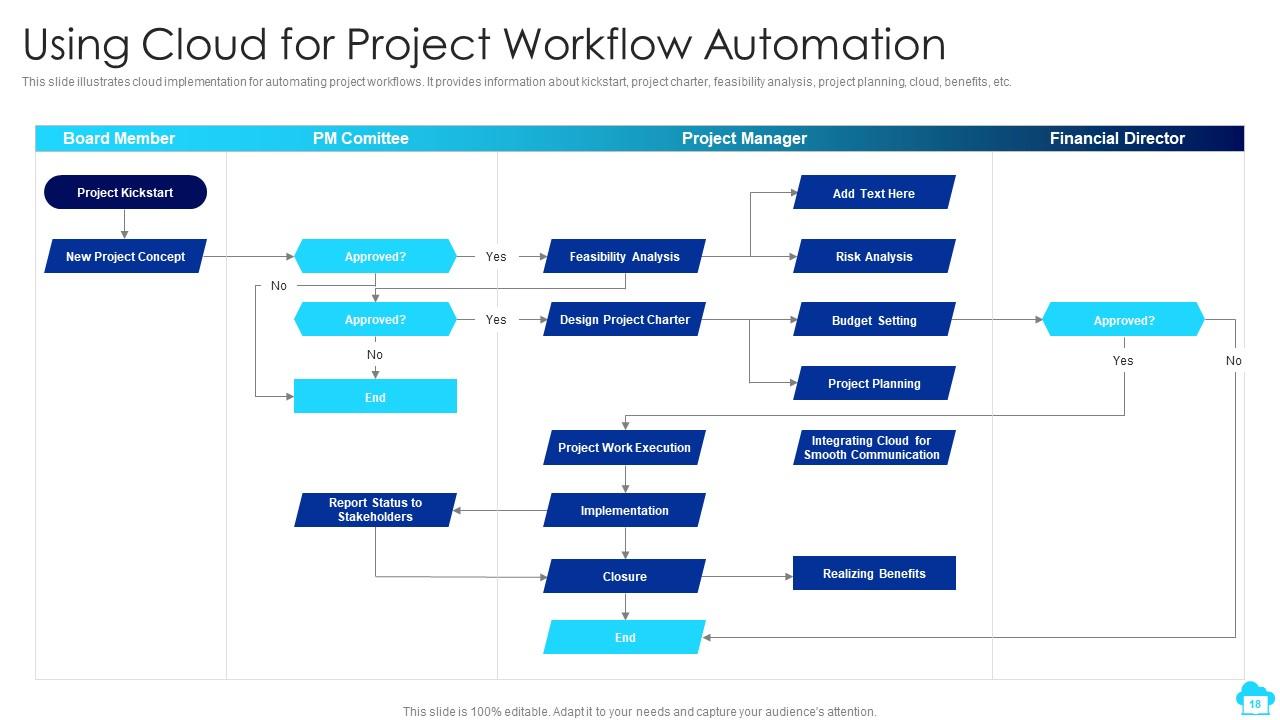
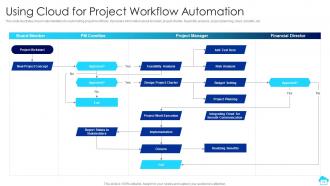
Slide 18: This slide illustrates cloud implementation for automating project workflows.
Slide 19: This slide depicts title for two topics that are to be covered next in the template.
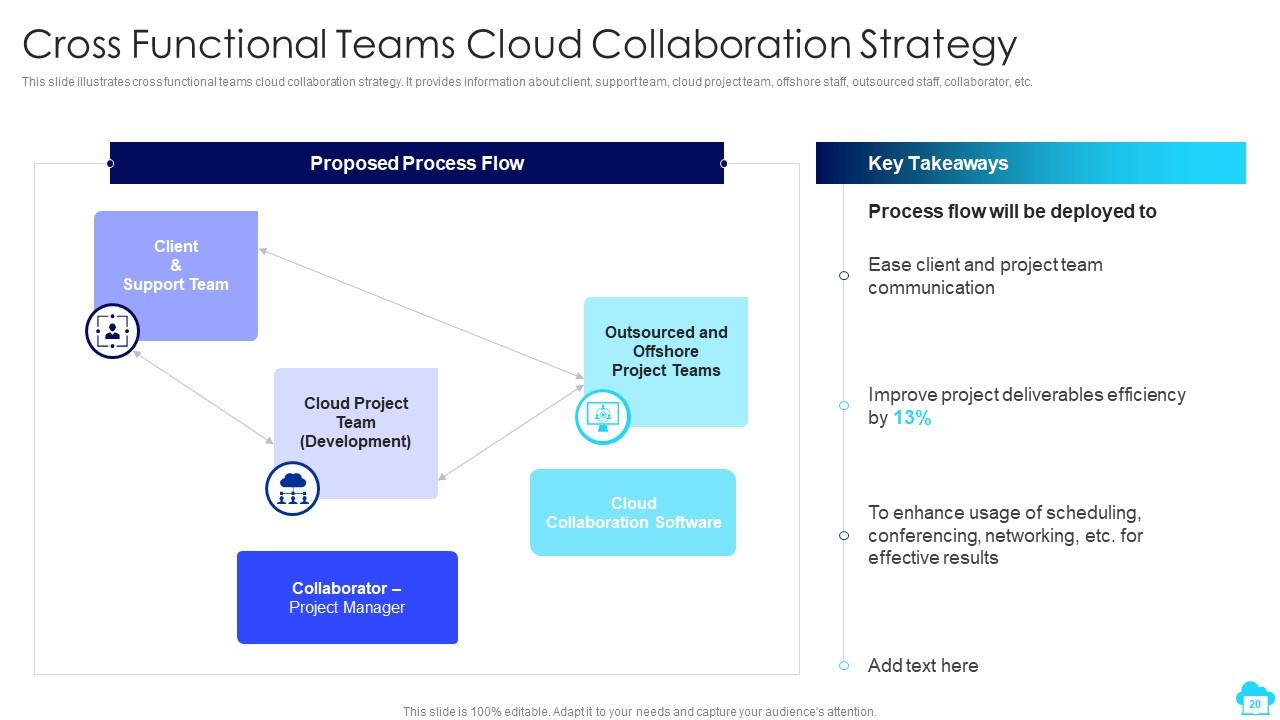
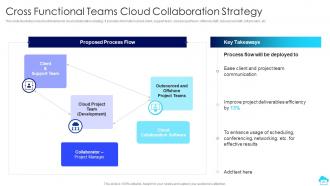
Slide 20: This slide illustrates cross functional teams cloud collaboration strategy.
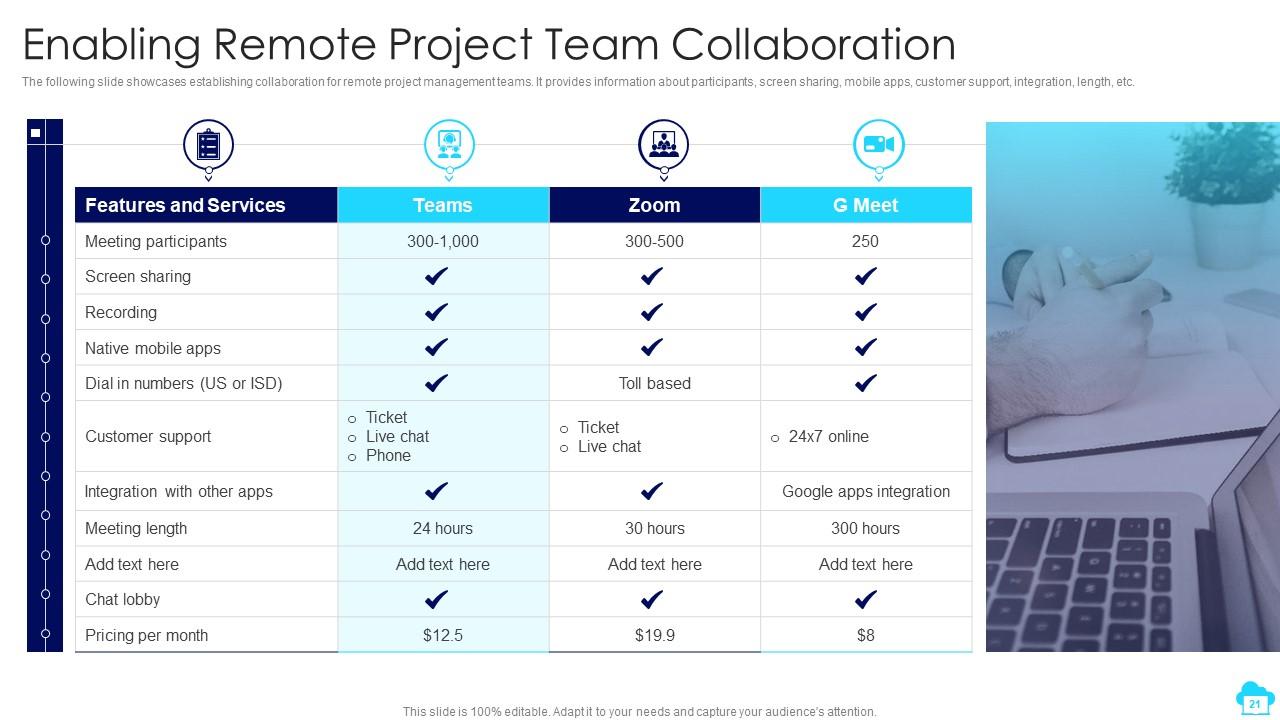
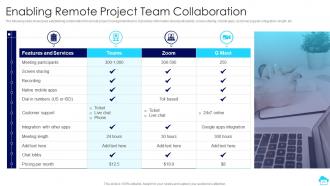
Slide 21: This slide showcases establishing collaboration for remote project management teams.
Slide 22: This slide depicts title for two topics that are to be covered next in the template.
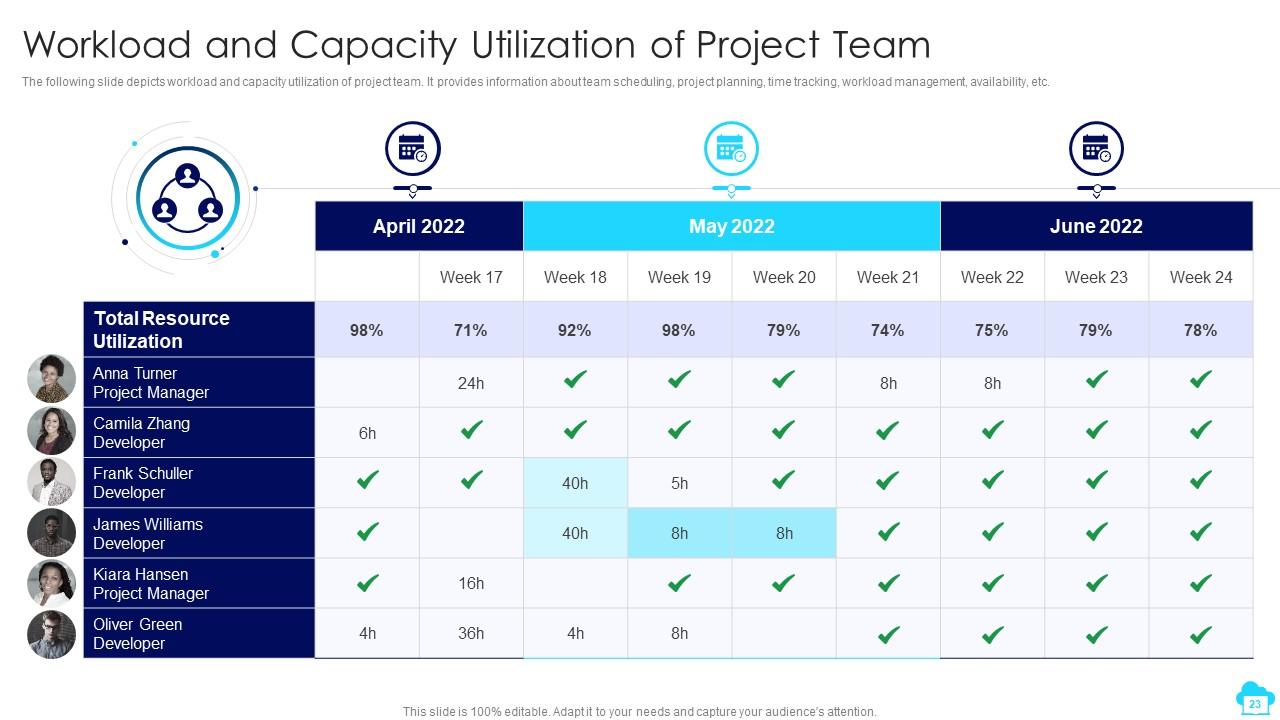
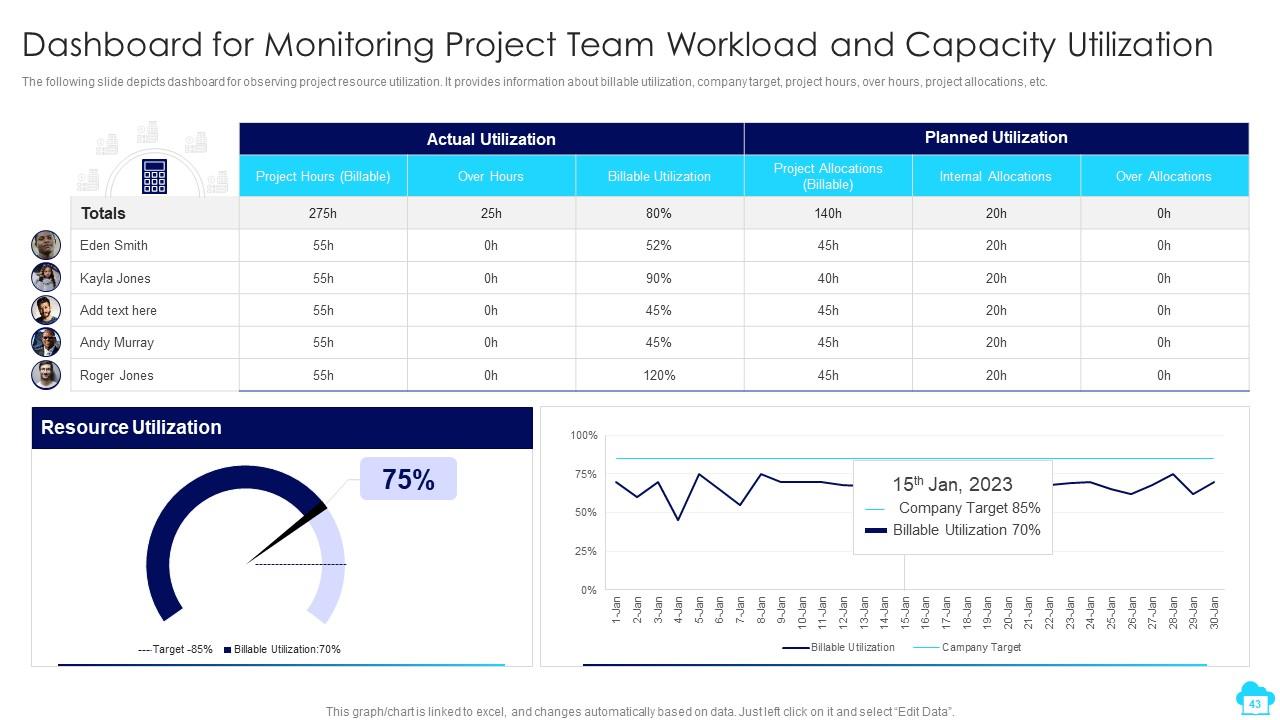
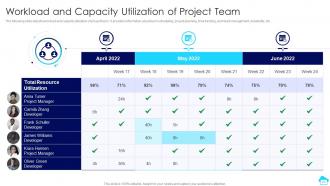
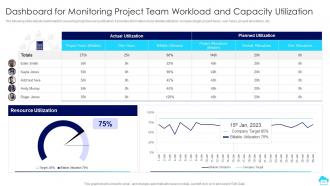
Slide 23: This slide depicts workload and capacity utilization of project team.
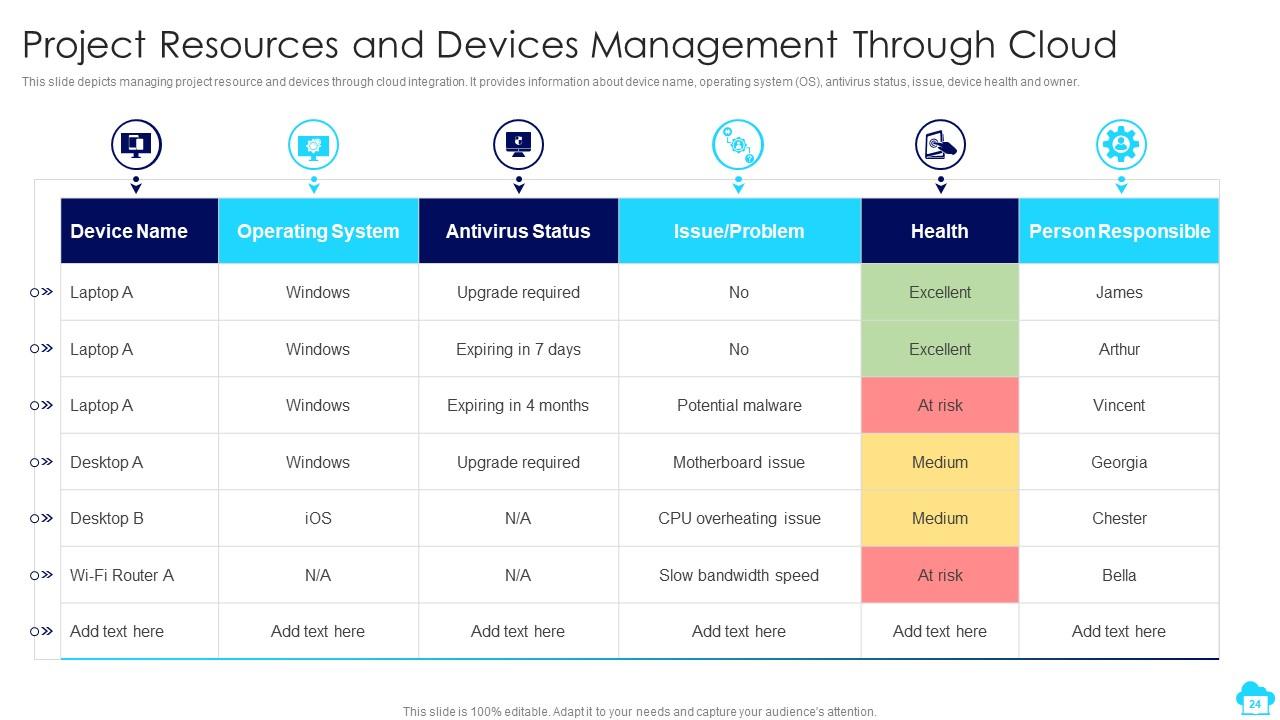
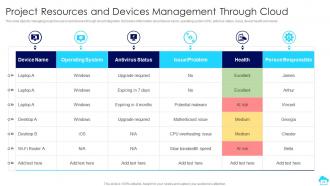
Slide 24: This slide depicts managing project resource and devices through cloud integration.
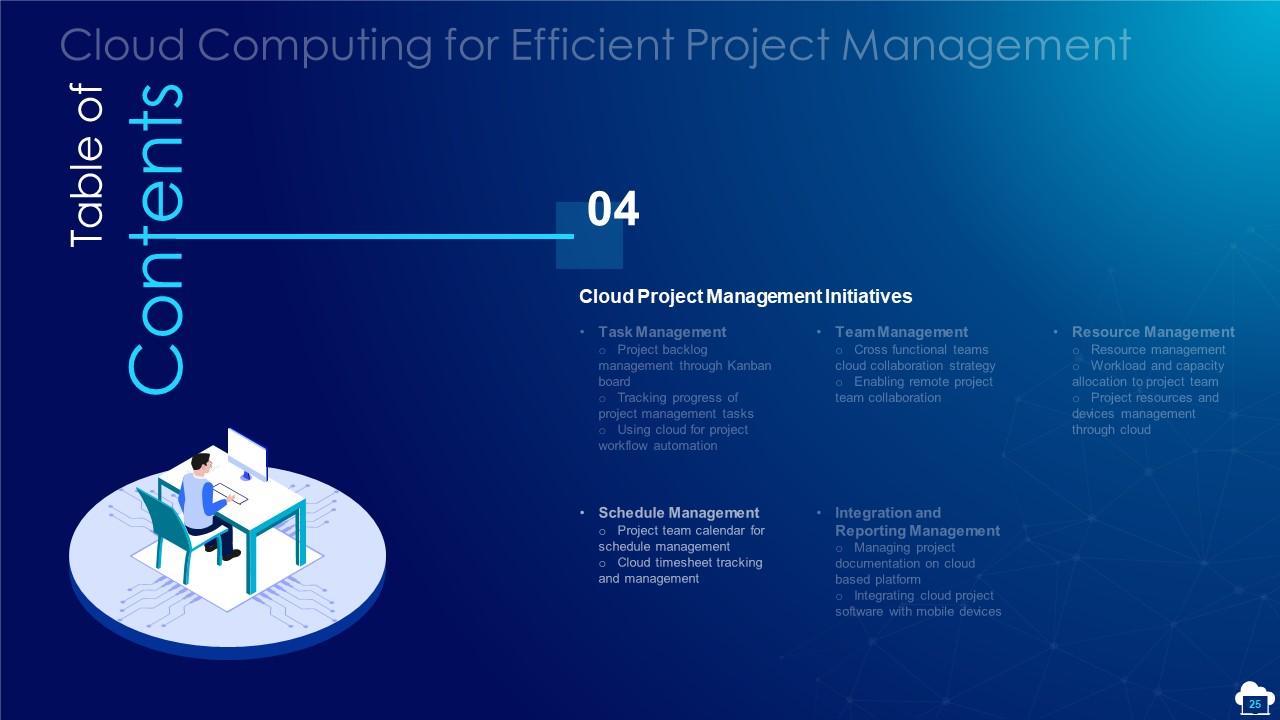
Slide 25: This slide depicts title for two topics that are to be covered next in the template.
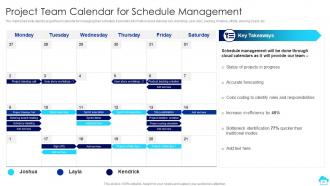
Slide 26: This slide depicts project team calendar for managing their schedule.
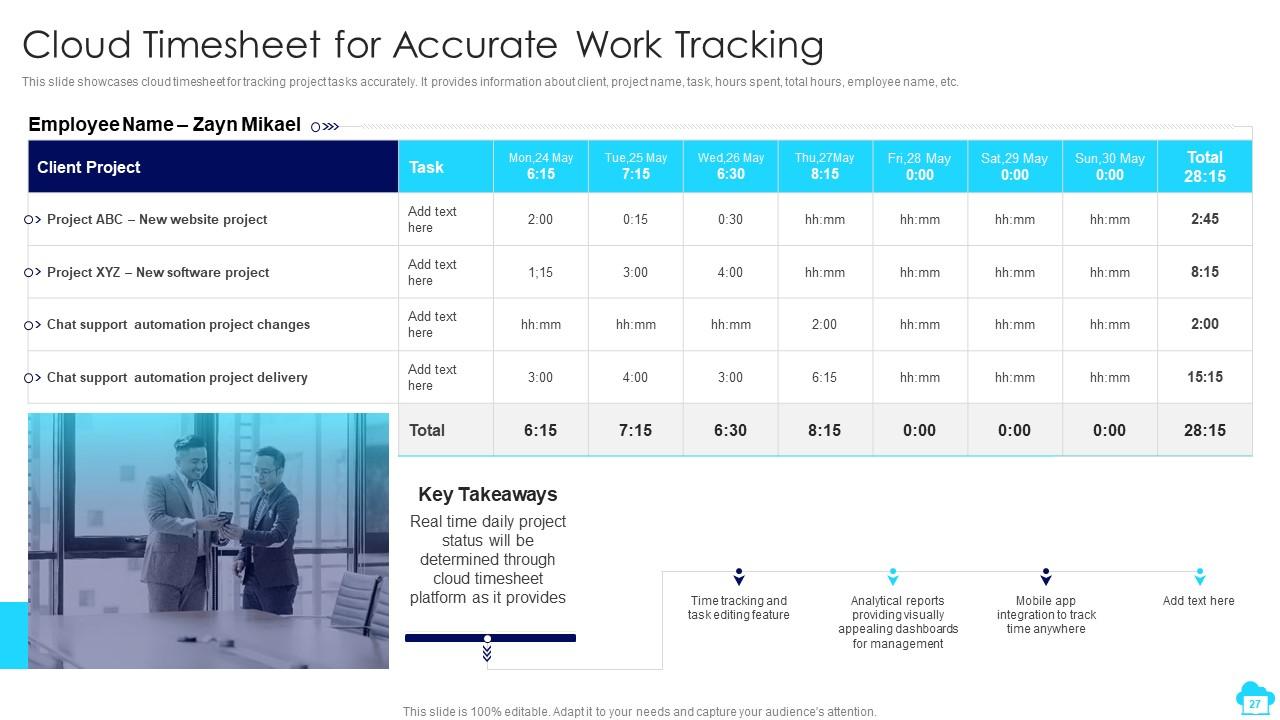
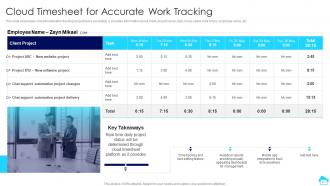
Slide 27: This slide showcases cloud timesheet for tracking project tasks accurately.
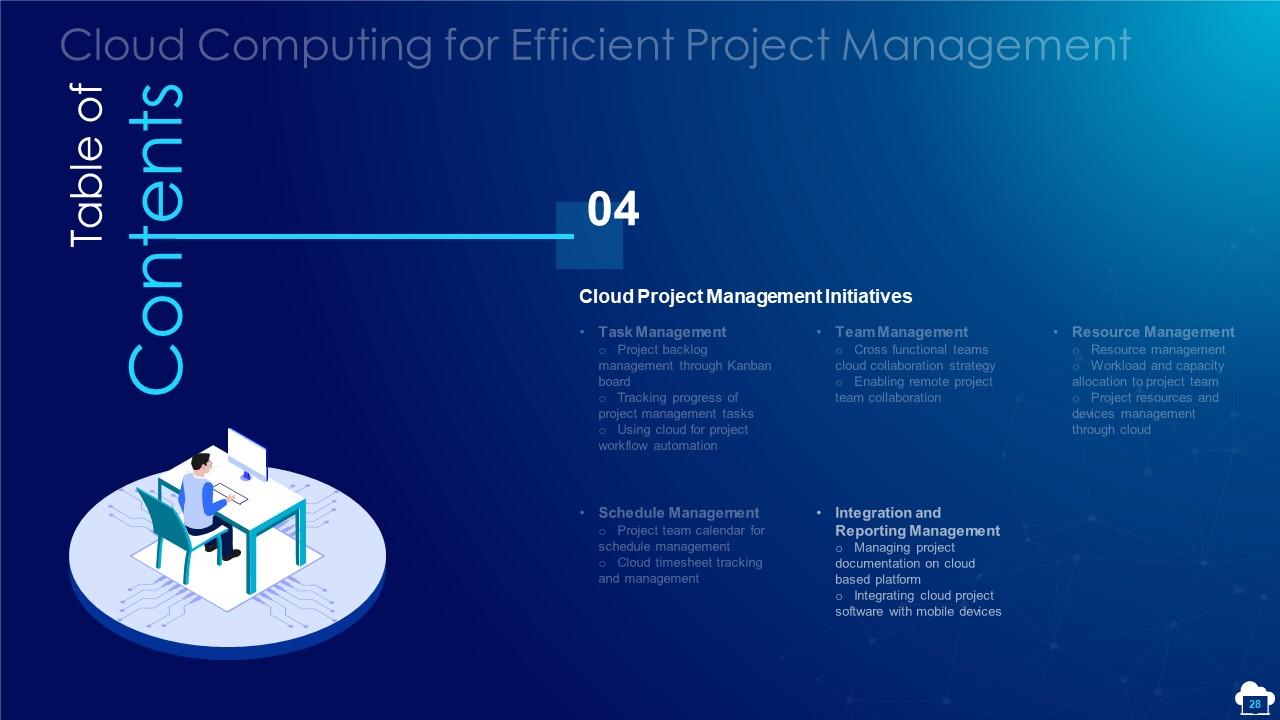
Slide 28: This slide depicts title for two topics that are to be covered next in the template.
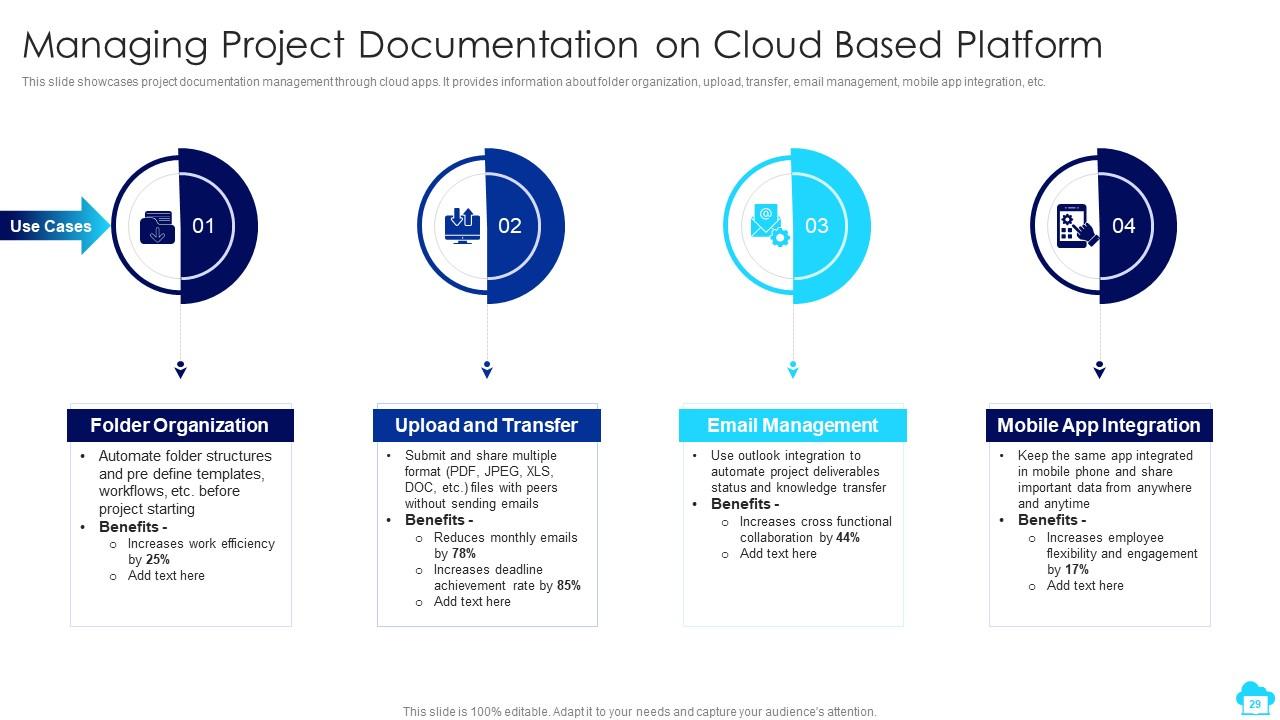
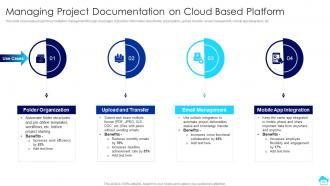
Slide 29: This slide showcases project documentation management through cloud apps.
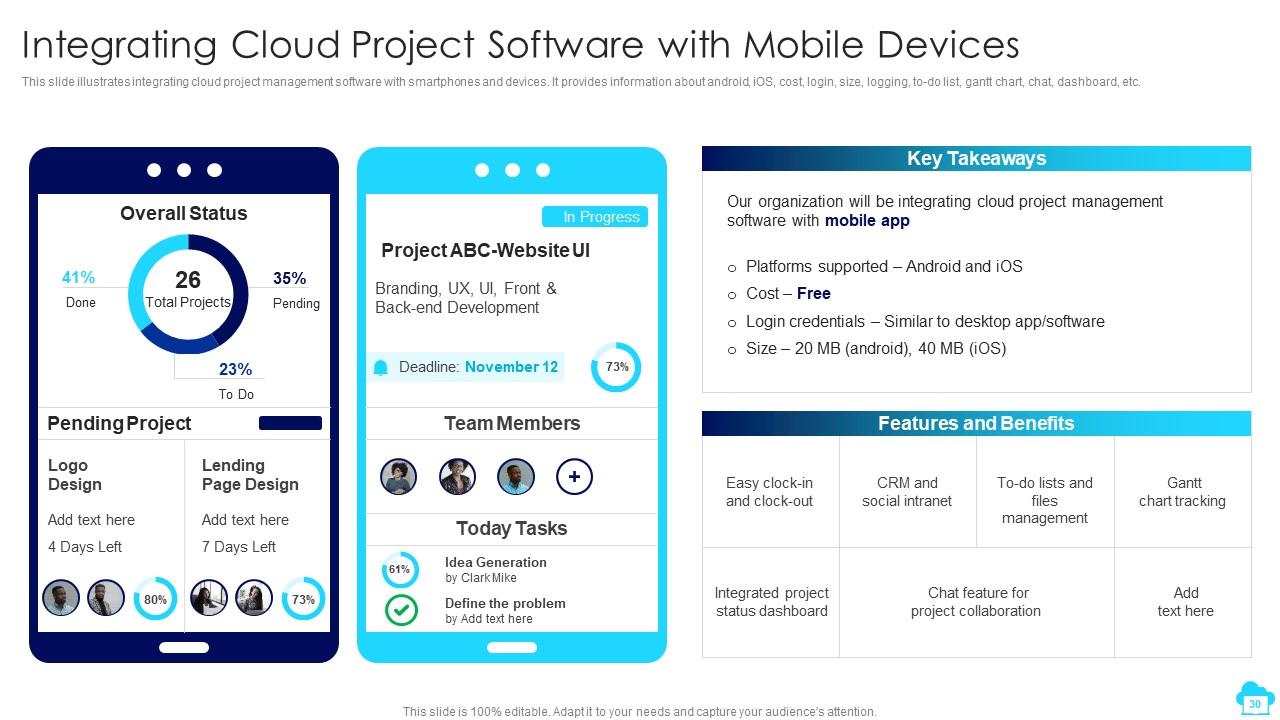
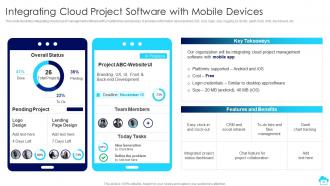
Slide 30: This slide illustrates integrating cloud project management software with smartphones and devices.
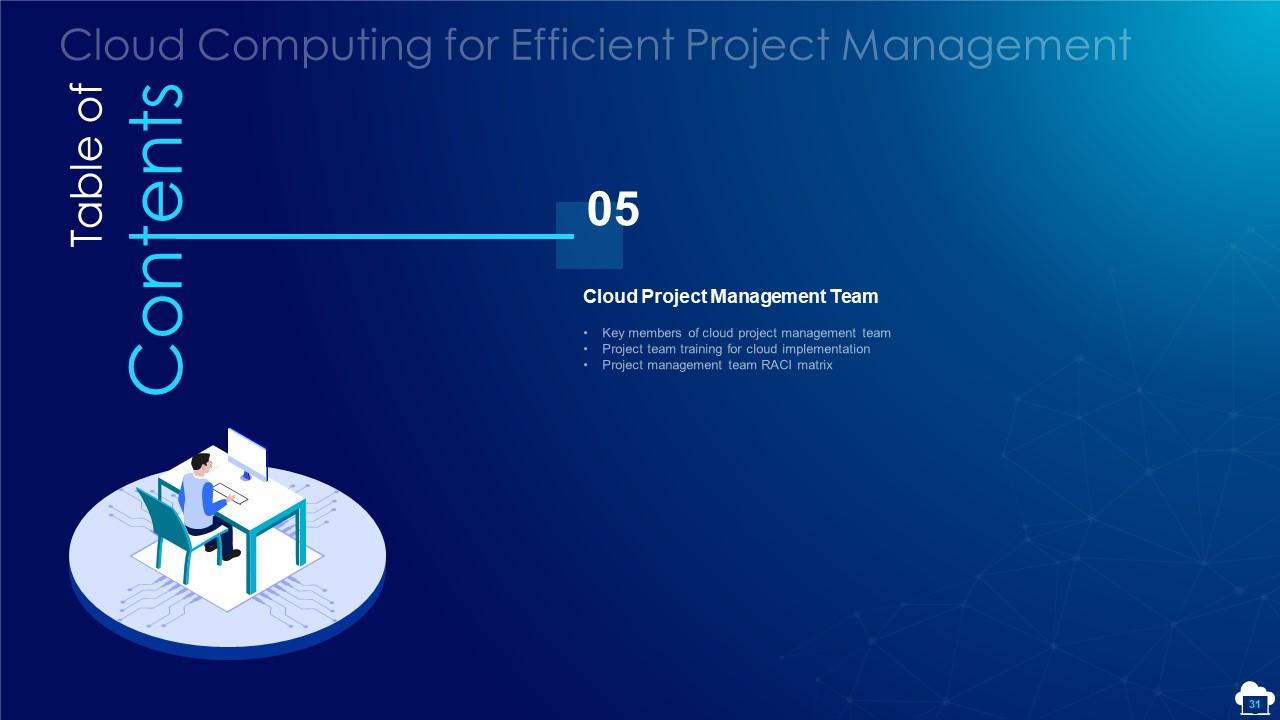
Slide 31: This slide depicts title for three topics that are to be covered next in the template.
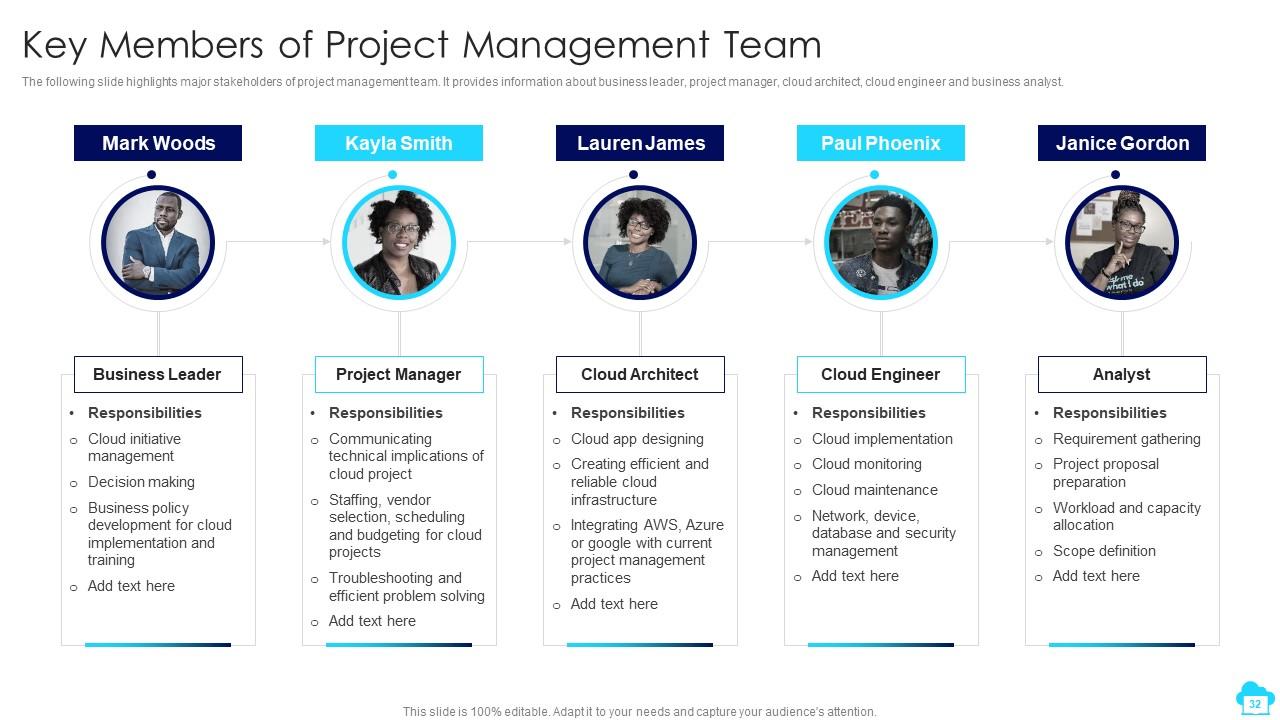
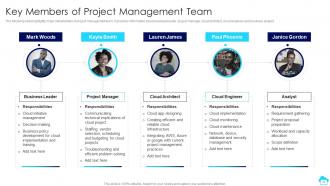
Slide 32: This slide highlights major stakeholders of project management team.
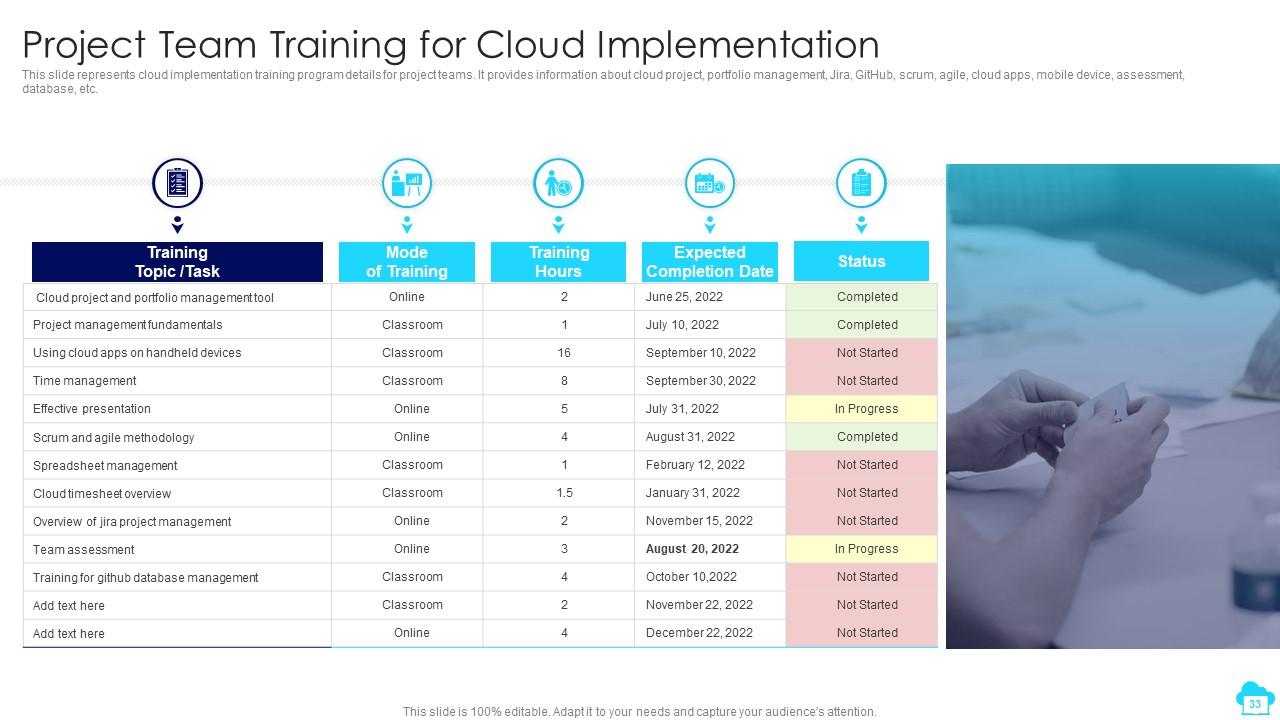
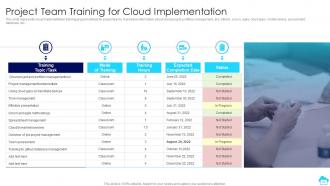
Slide 33: This slide represents cloud implementation training program details for project teams.
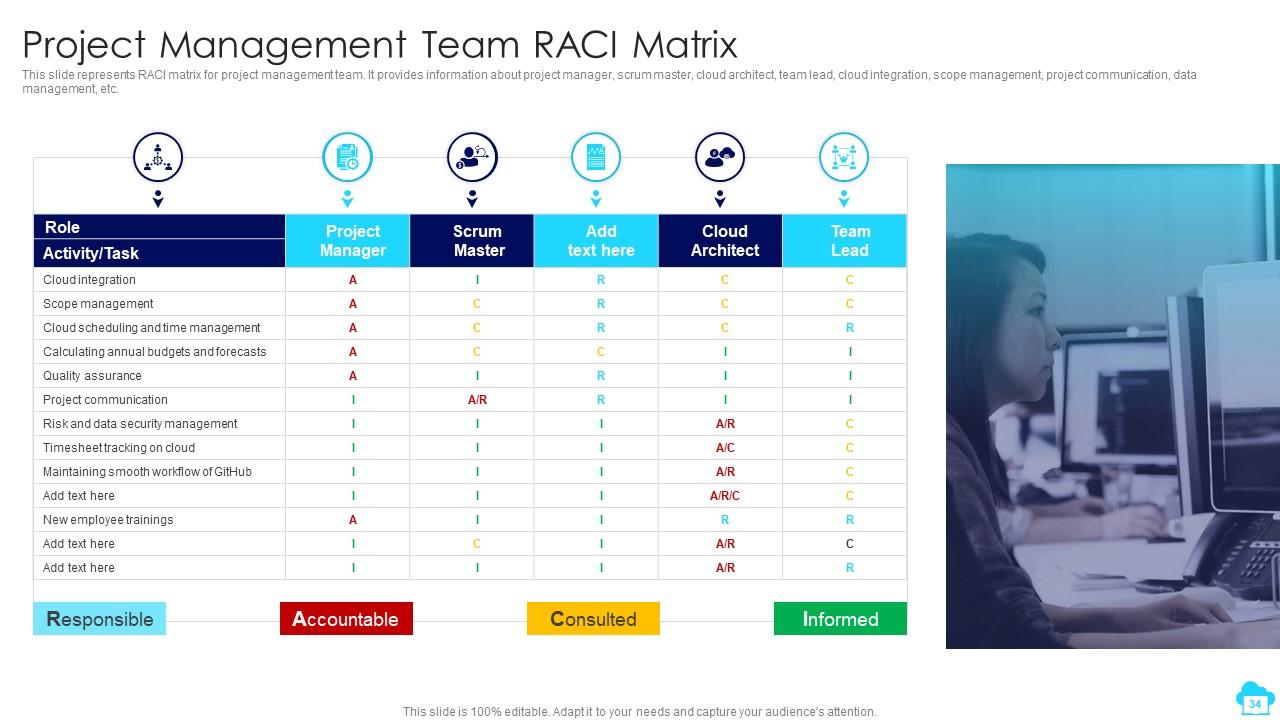
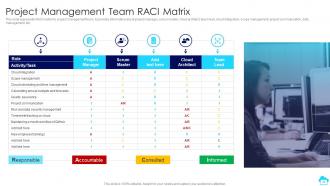
Slide 34: This slide represents RACI matrix for project management team.
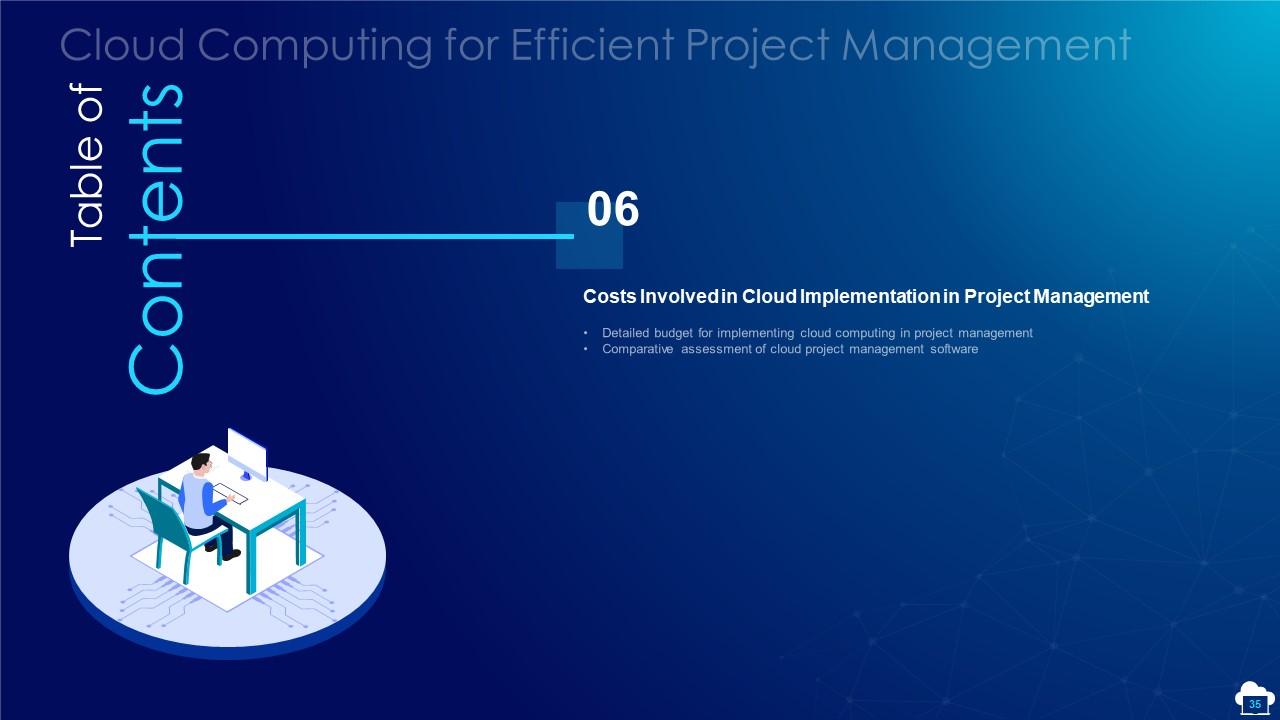
Slide 35: This slide depicts title for two topics that are to be covered next in the template.
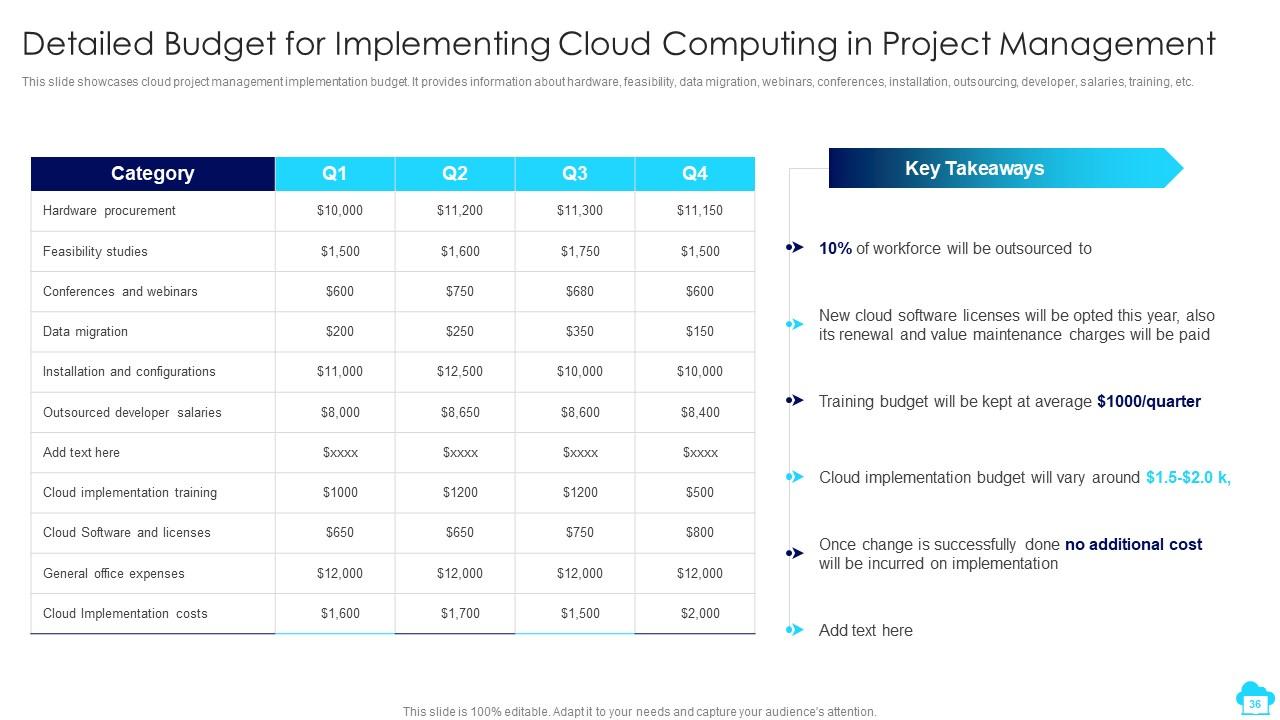
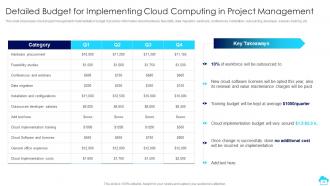
Slide 36: This slide showcases cloud project management implementation budget.
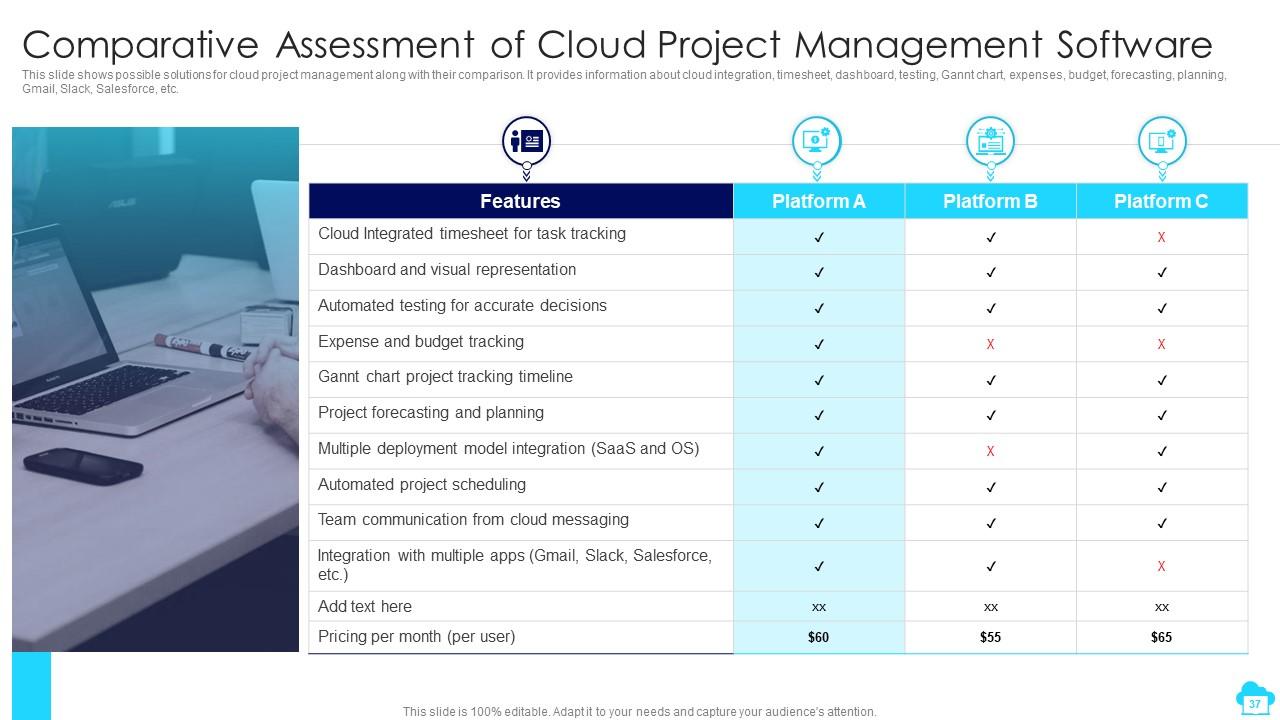
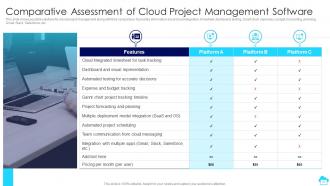
Slide 37: This slide shows possible solutions for cloud project management along with their comparison.
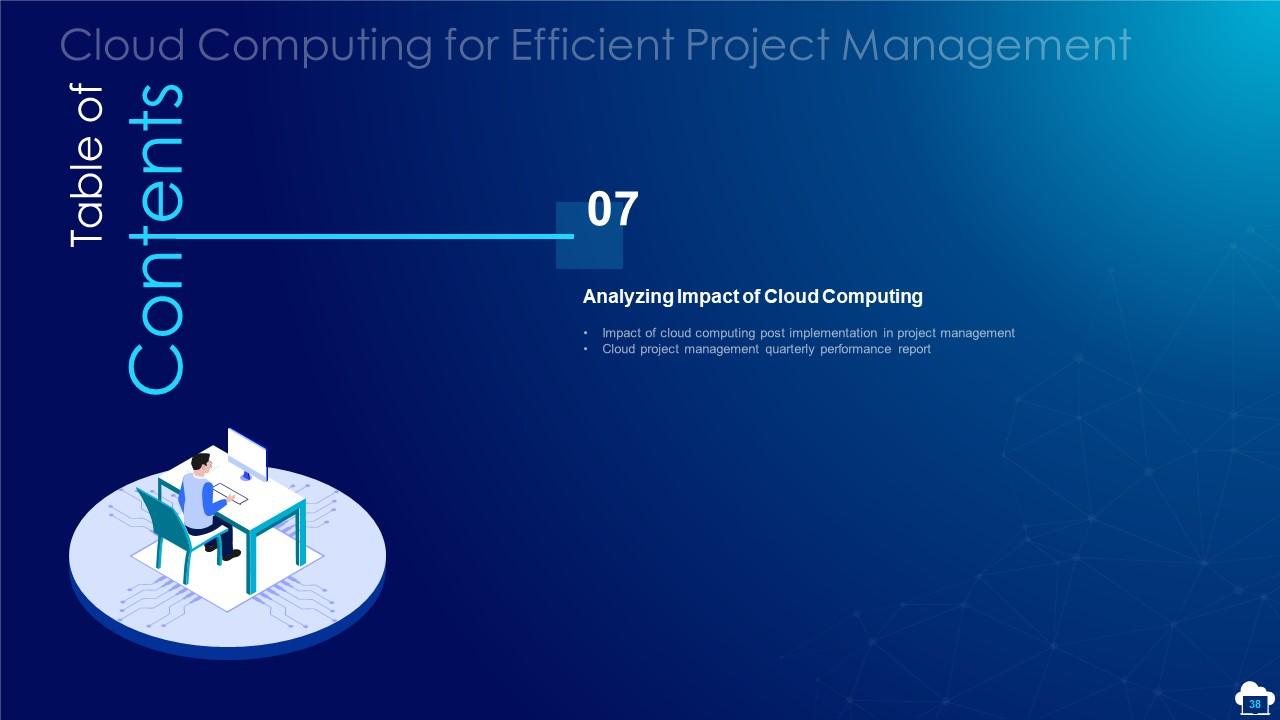
Slide 38: This slide depicts title for two topics that are to be covered next in the template.
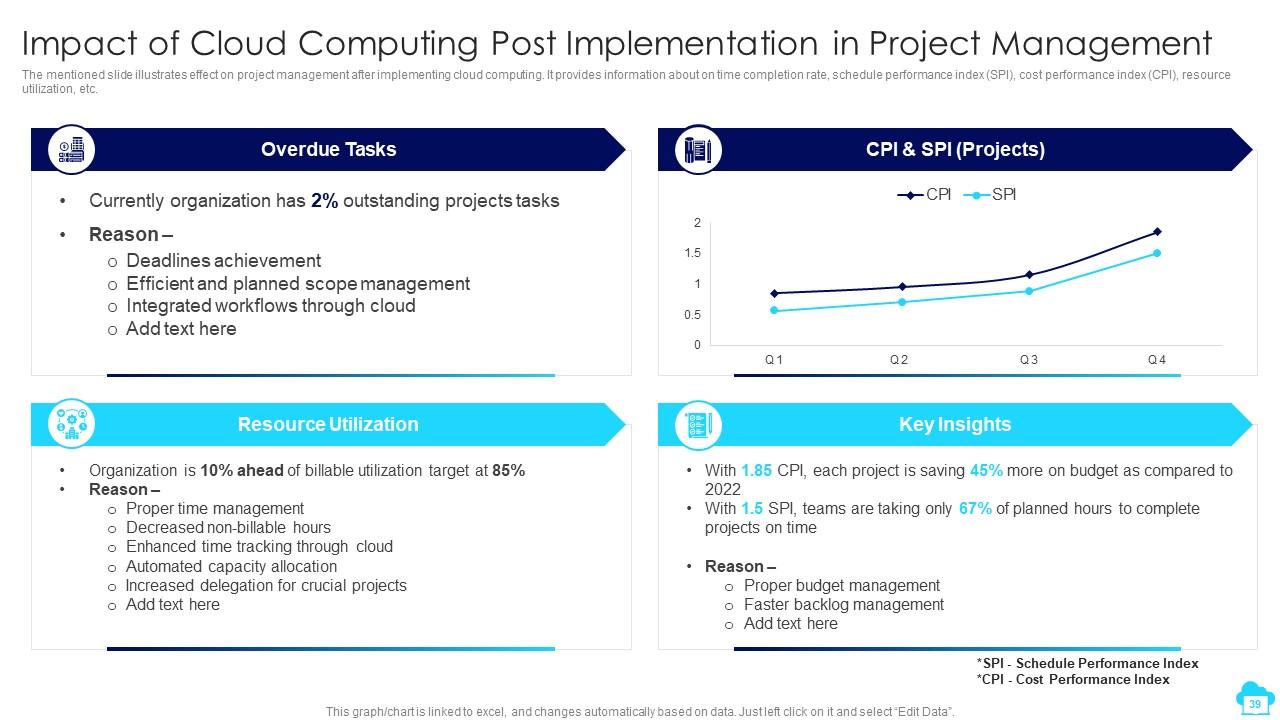
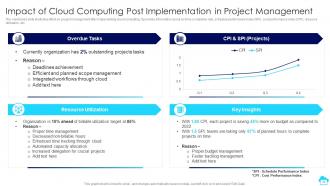
Slide 39: This slide illustrates effect on project management after implementing cloud computing.
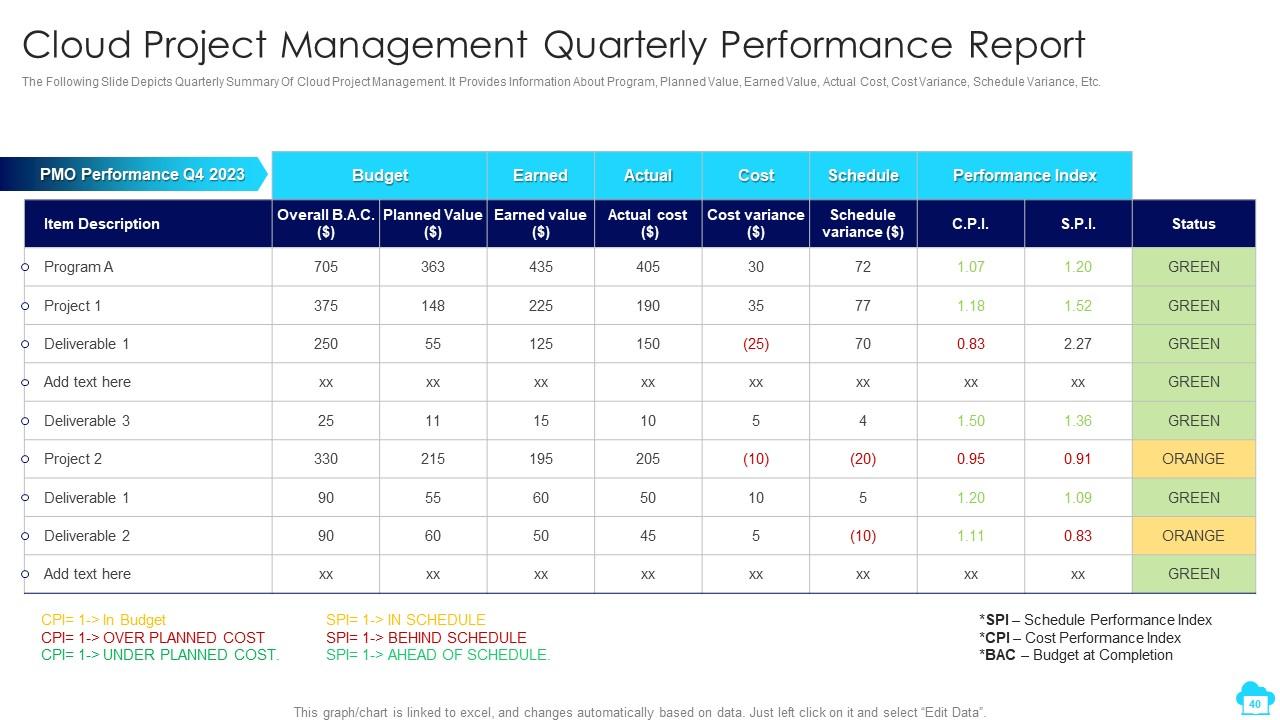
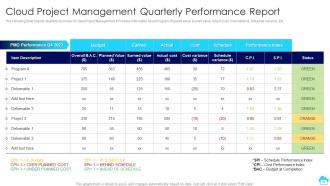
Slide 40: This Slide Depicts Quarterly Summary Of Cloud Project Management.
Slide 41: This slide depicts title for three topics that are to be covered next in the template.
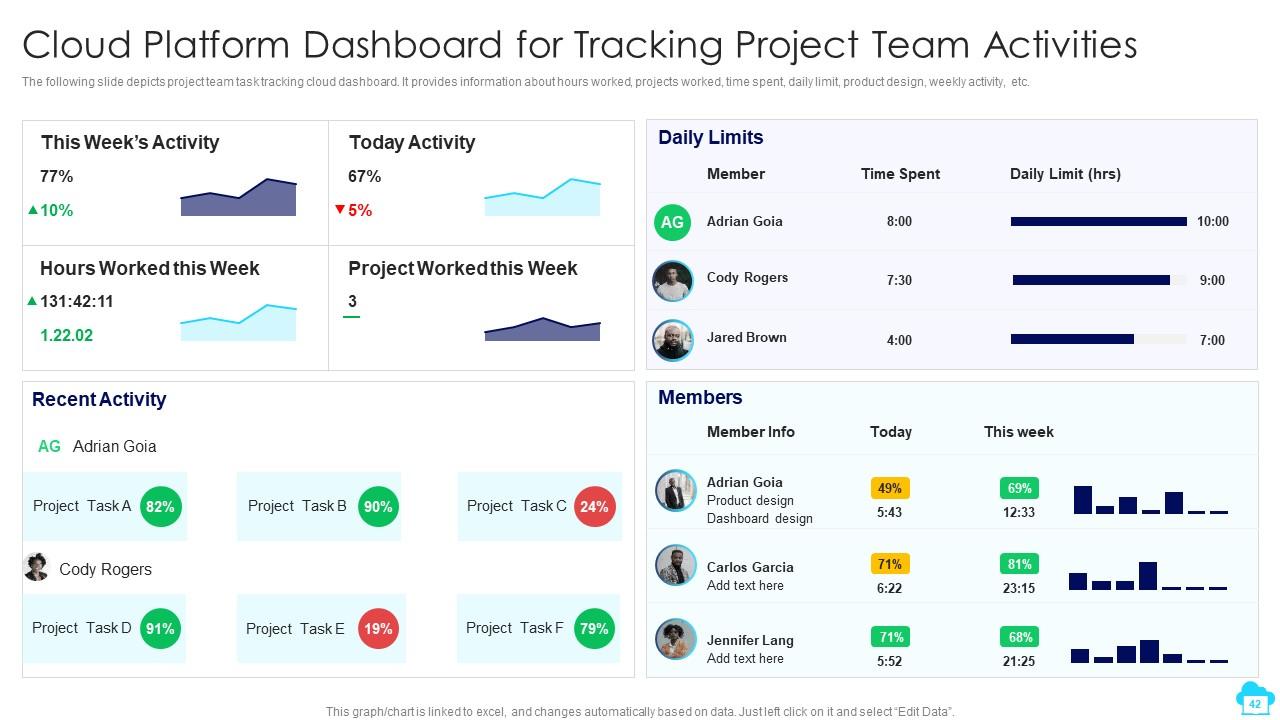
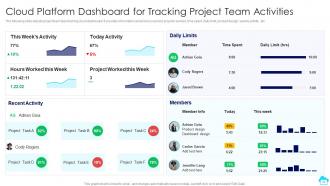
Slide 42: This slide depicts project team task tracking cloud dashboard.
Slide 43: This slide depicts dashboard for observing project resource utilization.
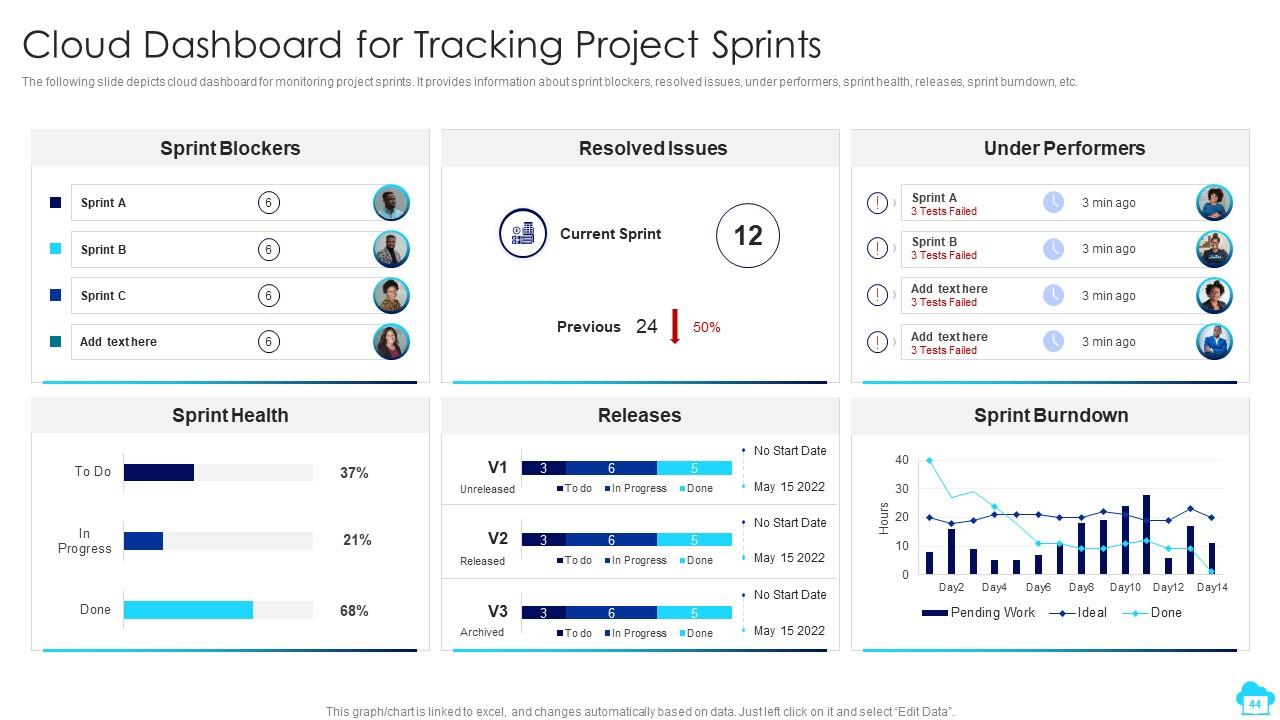
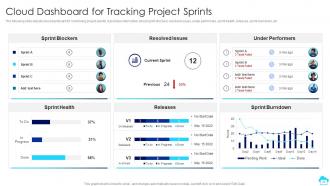
Slide 44: This slide depicts cloud dashboard for monitoring project sprints.
Slide 45: This is the icons slide.
Slide 46: This slide presents title for additional slides.
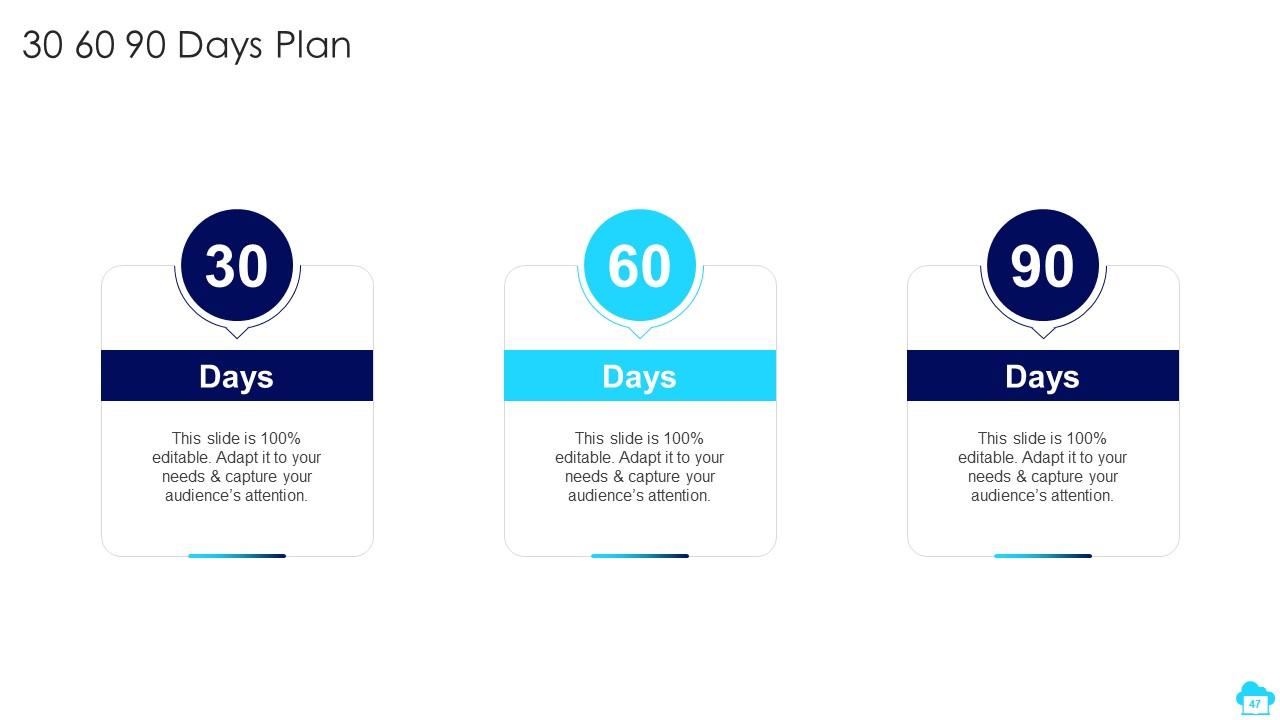
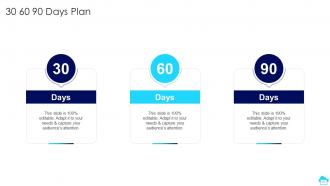
Slide 47: This slide depicts 30-60-90 days plan for projects.
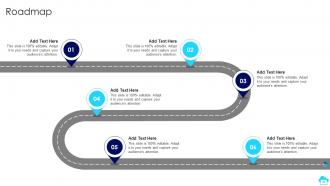
Slide 48: This slide shows roadmap of company.
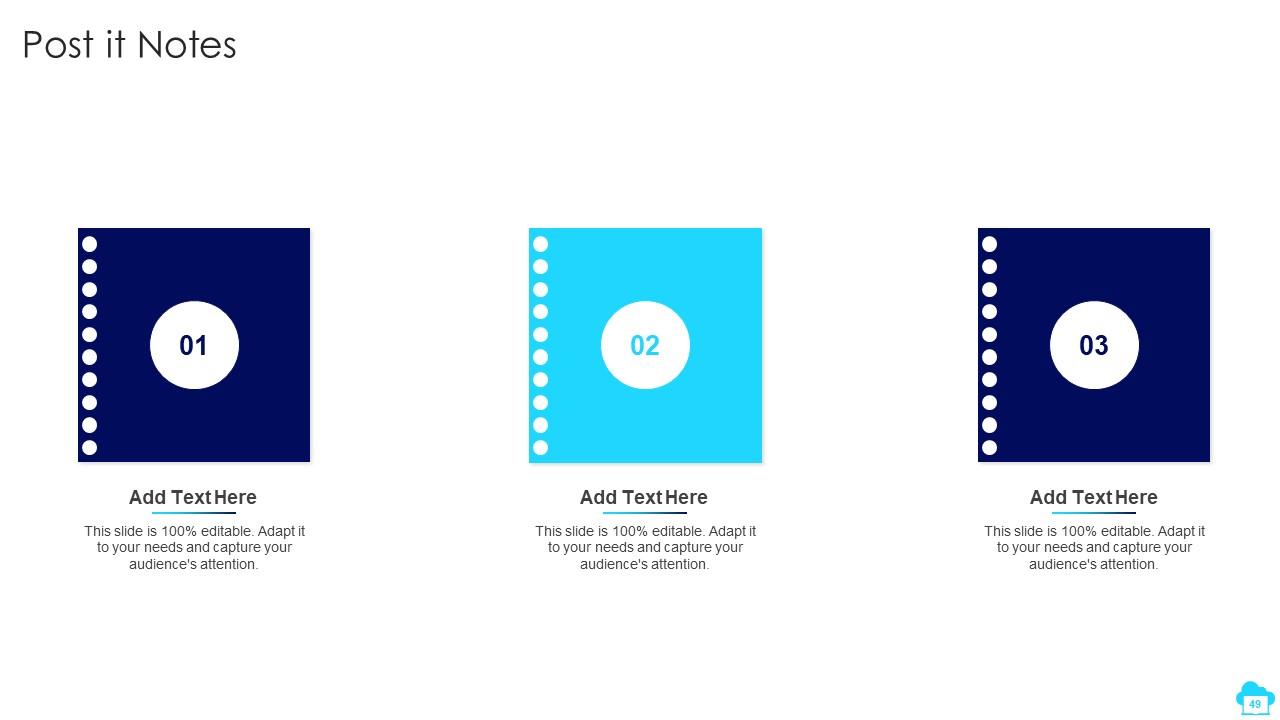
Slide 49: This slide depicts posts for past experiences of clients.
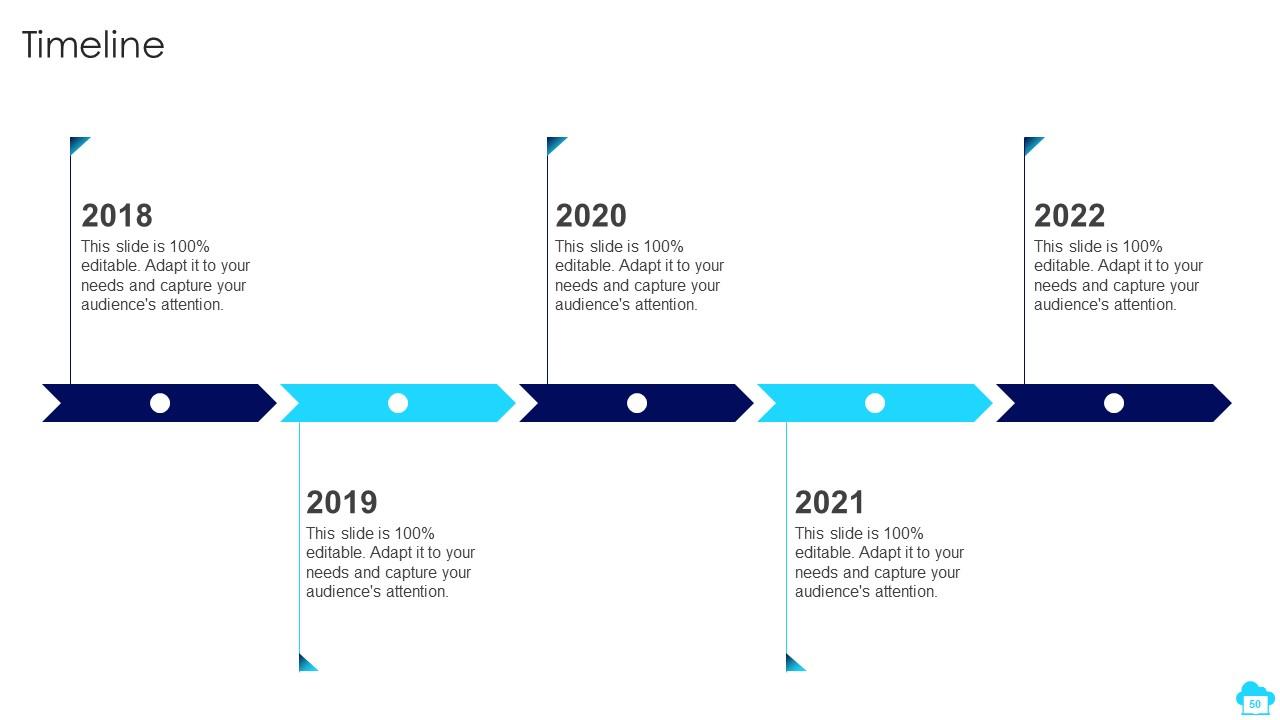
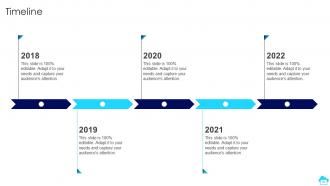
Slide 50: This slide exhibits yearly timeline of company.
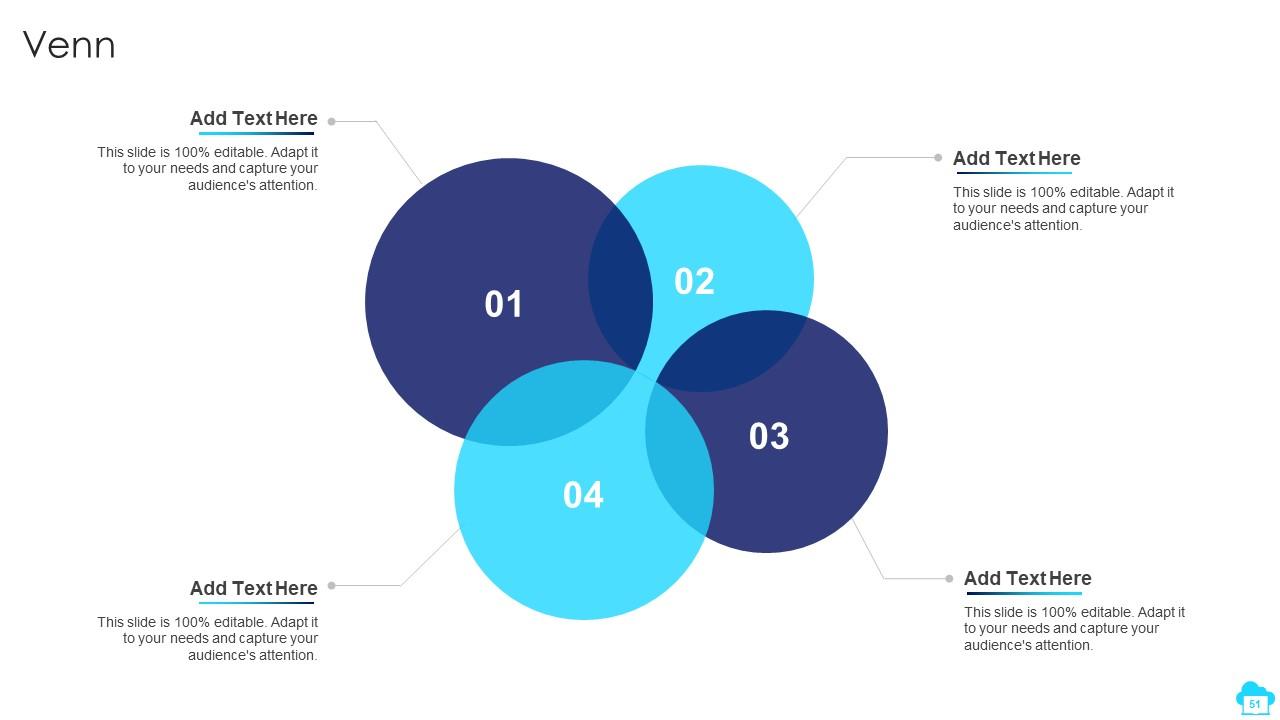
Slide 51: This slide displays Venn.
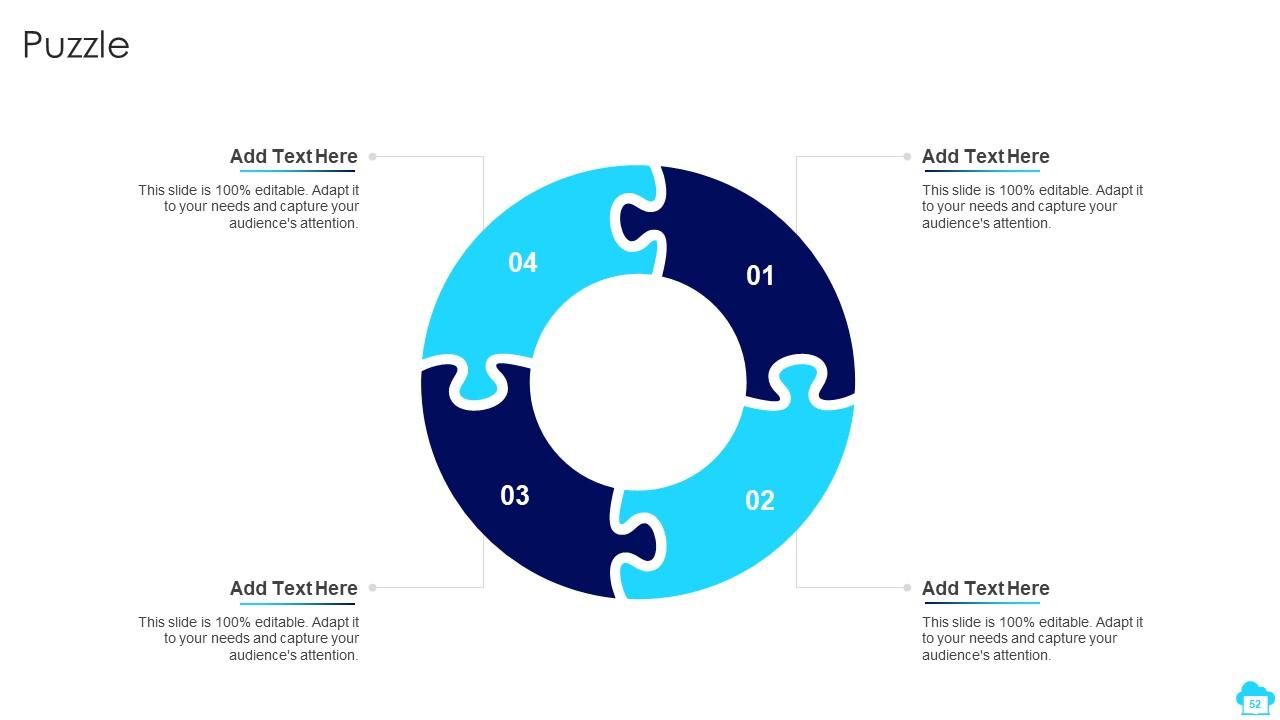
Slide 52: This slide shows puzzle for displaying elements of company.
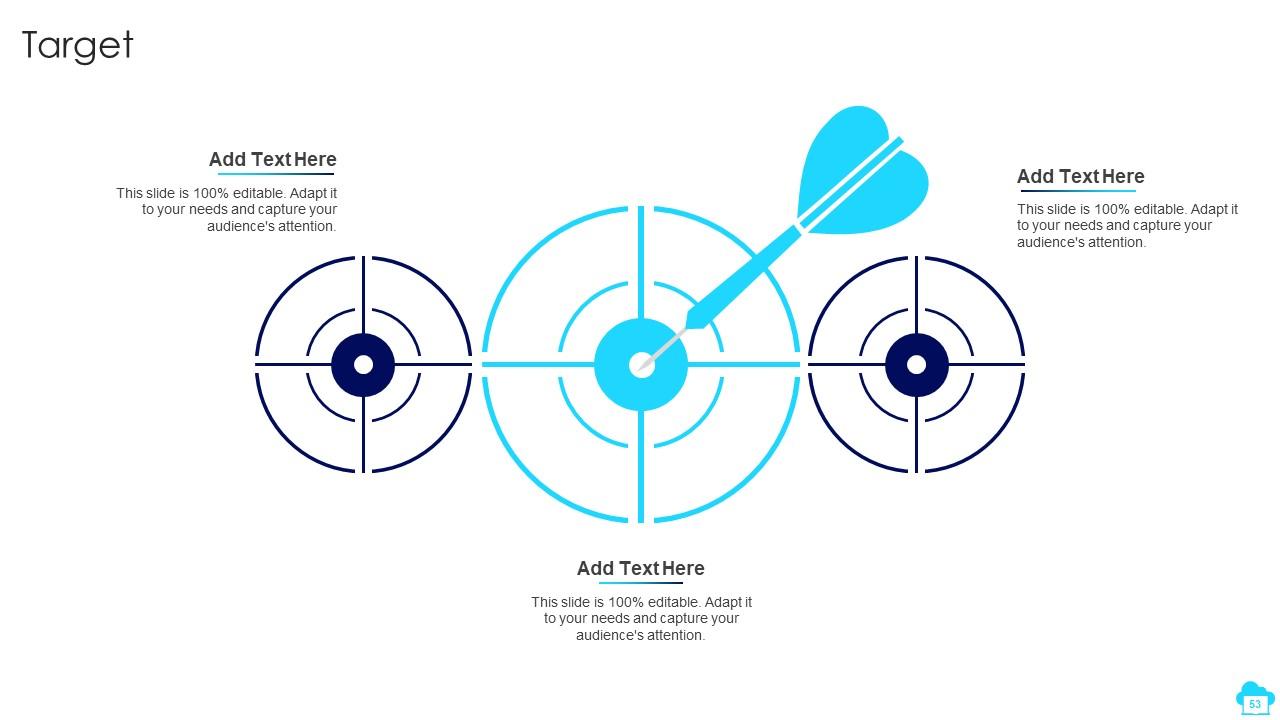
Slide 53: This slide showcases targets of the company.
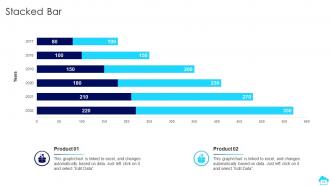
Slide 54: This slide exhibits yearly stacked bar charts for different products. The charts are linked to Excel.
Slide 55: This is thank you slide & contains contact details of company like office address, phone no., etc.
Cloud Computing For Efficient Project Management Powerpoint Presentation Slides with all 60 slides:
Use our Cloud Computing For Efficient Project Management Powerpoint Presentation Slides to effectively help you save your valuable time. They are readymade to fit into any presentation structure.
-
I can say with full confidence that all your business, academic, or professional work requirements will be sufficed with SlideTeam. Their gallery is as rich as 2Million+!!
-
Great product, helpful indeed!
