


Co Creation Framework Business Management Circular Gear Planning




Try Before you Buy Download Free Sample Product
 Impress Your
 Audience
 100%
100% Editable
 Save Hours
 of Time


Our Co Creation Framework Business Management Circular Gear Planning are topically designed to provide an attractive backdrop to any subject. Use them to look like a presentation pro.
People who downloaded this PowerPoint presentation also viewed the following :
Co Creation Framework Business Management Circular Gear Planning with all 12 slides:
Use our Co Creation Framework Business Management Circular Gear Planning to effectively help you save your valuable time. They are readymade to fit into any presentation structure.
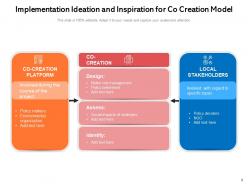
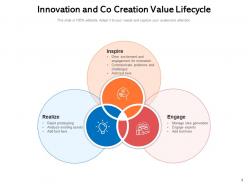
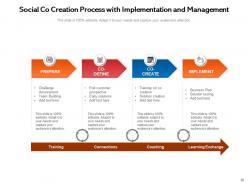
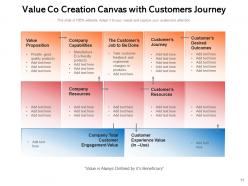
FAQs for Co Creation Framework Business Management
Honestly, get everyone in the room from day one - customers, designers, engineers, the whole crew. Don't wait until the end to ask what people think. Communication is huge because when people start talking past each other, everything falls apart fast. Give everyone an equal say even if they know different stuff. Regular check-ins are your friend, and you'll probably need to change direction based on what you discover together. Oh, and definitely start with something small first - test out how your team works together before you go big. Trust me on that one.
Track engagement rates, idea quality, and how many people stick around - that's your core data. But the feedback stuff is honestly just as crucial. Survey people about their actual experience and see if you're speeding up innovation. Are you solving real problems or just creating busywork? Set your success criteria before launching anything - I learned this the hard way. Pick maybe 3-4 metrics that match what you're trying to achieve. Check monthly. Oh, and implementation success rates tell you if ideas are actually worth pursuing or just sound good on paper.
Honestly, diversity is everything when it comes to co-creation. Different backgrounds mean different ways of attacking problems - whether that's people from various departments, cultures, or age groups. You know how sometimes you're stuck on something and then someone completely outside your field suggests something obvious that you totally missed? That's the magic right there. Short sentences hit different. But when those varied perspectives start bouncing off each other, you'll get solutions nobody would've thought of solo. So don't just grab whoever's around - actually hunt for those different voices. Trust me on this one.
Honestly, the right tech just makes everything flow better. Tools like Miro or Figma let customers jump into actual design sessions instead of waiting around to give feedback later. Real-time polling is huge too - your whole team can iterate together without those soul-crushing email threads. Video calls are obvious, but they're way better when paired with interactive stuff where everyone contributes at once. Oh, and pick something your customers will actually want to use, not just what makes your team happy. Nothing worse than forcing someone through clunky software they hate.
Honestly, the hardest part is everyone wanting different things at once. Customers have one vision, your internal team has another, and partners throw in their own ideas. It gets messy fast. Your current processes definitely weren't built for this chaos - I learned that the hard way. Decision-making becomes super unclear when everyone's involved. Also, forget measuring ROI the normal way, that just doesn't work anymore. My take? Pick one small project first. Figure out who's actually making decisions before you start. Get decent collaboration tools too - trust me on this one. Then scale up once you've got it down.
When customers help shape your brand, they get this crazy emotional attachment to it. Like, way beyond normal customer relationships. They're involved in building products or making decisions, so suddenly they feel ownership over the whole thing. It's honestly pretty powerful psychology - people defend stuff they helped create. These folks become your biggest cheerleaders because they're not just buying from you anymore, they're part of the story. Just make sure you're actually listening to their input, not doing those pointless surveys that go nowhere. That'll backfire fast.
Map out who your stakeholders are right away - don't wait on this. Mix up the group too, not just the same people who volunteer for everything. Give folks different ways to jump in since some hate big meetings. I learned this the hard way on my last project. Keep everyone posted regularly, even during slow weeks. The real trick? Actually listen to feedback and tell people what you did with it. Close that loop or they'll feel ignored. Short workshops work better than marathon sessions, trust me.
Honestly, you've got to nail down your boundaries first - budget, timeline, all that boring but necessary stuff. Then just let people go crazy within those limits. I learned this the hard way after watching sessions completely fall apart without any structure. But don't box them in too much or you'll kill all the good ideas. Design sprints work really well for this kind of thing. Be super strict about your framework but stay flexible with whatever wild stuff comes out of it. Oh, and definitely tell everyone upfront what's set in stone versus what they can actually mess around with.
Oh, there's tons of good examples! LEGO lets fans submit set ideas and actually makes the winning ones - pretty cool business model. Starbucks got like 150k suggestions through their idea platform, which gave us free WiFi and mobile ordering. Threadless basically built their whole company around community-designed t-shirts (honestly genius). Nike's customization thing is solid too. The pattern here? These companies didn't just ask "what do you want" - they let customers actually create stuff and split the profits. Way smarter than typical surveys.
Don't wait until the end to ask for feedback - that's rookie mistake territory. Build it right into every stage instead. During ideation and prototyping, do quick 15-minute check-ins or weekly pulse surveys with your stakeholders. Real-time collab tools beat formal review cycles every time (seriously, who has patience for those anymore?). Here's the key part though - actually show people how you used their input. Otherwise they'll stop caring. Start simple with one feedback method per stage, then build from there. Trust me on this one.
Honestly, just don't be sketchy about it. Get real consent upfront - like actually explain how you'll use their ideas, not buried in some legal mess. Fair pay is huge too, whether that's cash or free stuff or whatever makes sense. IP rights need sorting before you start (trust me on this one). Data privacy is obvious but people forget - you're collecting personal thoughts here. I guess the key thing is treating people like actual partners instead of free idea machines. Draft a clear agreement covering all this stuff before kicking things off. Sounds boring but it'll save your ass later.
Honestly, it's night and day between startups and big companies. Startups can pivot crazy fast and actually listen to customers without dealing with endless approval chains. You're building alongside users from the start, which is huge for finding that sweet spot in the market. Big companies? They've got the budget to scale things quickly, but man - the internal politics and slow decisions kill momentum. I've seen it happen so many times. Established players mainly use co-creation to avoid getting disrupted, while startups are just trying to figure out what people actually want. Either way, start small with like 10-15 engaged users and move fast.
Honestly, virtual co-creation just needs way more structure than in-person stuff. I'd swap workshops for breakout rooms and use tools like Miro for real-time brainstorming - though sometimes the tech gets glitchy, fair warning. You can't rely on natural conversation flow anymore, so rotate who speaks and give people multiple ways to jump in. Virtual feels weirdly formal otherwise. Build in some casual chat time too because that's where good ideas actually happen. Start by figuring out what digital tools match your current process, then just experiment. Some teams love async work, others need live sessions.
Don't just grab your usual customers - go find people from totally different backgrounds and demographics. The process itself needs to work for everyone too. Multiple ways to join (online, in-person, different languages), no expensive tech requirements, that kind of stuff. So many companies think throwing up an Instagram post counts as "diverse outreach" lol. Pay people fairly for their time. Oh, and create space where everyone actually feels safe sharing ideas without judgment. Otherwise you'll just get surface-level feedback from whoever's loudest in the room.
Honestly, listening is huge - like really hearing what people mean, not just their actual words. Group dynamics can get messy fast with different personalities, so you gotta learn to wrangle that. I'd say it's half art, half psychology? Good questions matter too - the open-ended ones that get people thinking. Emotional intelligence helps when the room gets tense or everyone's checked out. Oh, and being able to take all their scattered ideas and pull out the main themes without losing anyone. I'd start small with team meetings first - way less pressure than jumping into big co-creation sessions right away.
-
Excellent design and quick turnaround.
-
Excellent products for quick understanding.
-
I discovered this website through a google search, the services matched my needs perfectly and the pricing was very reasonable. I was thrilled with the product and the customer service. I will definitely use their slides again for my presentations and recommend them to other colleagues.
-
Awesome use of colors and designs in product templates.
-
Unique research projects to present in meeting.
-
Top Quality presentations that are easily editable.
-
Awesome use of colors and designs in product templates.
-
Excellent Designs.
-
Wonderful templates design to use in business meetings.
-
Really like the color and design of the presentation.