


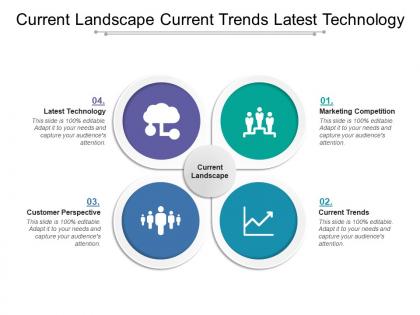
Current landscape current trends latest technology




Try Before you Buy Download Free Sample Product
 Impress Your
 Audience
 100%
100% Editable
 Save Hours
 of Time


Delve on the benefits of jogging with our Current Landscape Current Trends Latest Technology. Clearly explain how it improves health.
People who downloaded this PowerPoint presentation also viewed the following :
Current landscape current trends latest technology with all 5 slides:
Approach the subject with our Current Landscape Current Trends Latest Technology. You will never get a diffident response.
FAQs for Current landscape current
Honestly, AI and machine learning are everywhere now - healthcare, supply chains, you name it. Quantum computing is finally becoming real (still blows my mind tbh) and will completely change cybersecurity. AR/VR is getting way better too. Edge computing's huge because it processes stuff locally instead of sending everything to some server farm miles away. Makes everything snappier. The crazy part is when these technologies start combining - like AI-powered AR becoming totally normal. I'd grab a couple tech newsletters for your industry. Helps you see what's actually coming vs just hype.
Dude, AI is basically just handling all the tedious crap so you can focus on real work. Customer service bots don't completely blow anymore, plus there's predictive stuff for inventory and automated reports. Honestly saves so much time it's crazy. Works best when you've got repetitive tasks or mountains of data to crunch through. Oh, and smart scheduling systems too - those are pretty solid. Start small if you haven't already, maybe automated emails or basic data analysis. Even simple stuff frees up hours each week. Trust me, your future self will thank you.
Honestly, big data is a game-changer for making strategic decisions instead of just winging it. You'll spot customer patterns and predict market changes before they hit. Real-time data shows you what's actually working vs what's flopping - way better than those gut feelings we all rely on too much. It's like having superpowers, but for business nerds. The smart move? Don't go crazy right away. Pick one area where your data's already solid and prove it works there first. Then you can tackle the bigger strategic stuff once everyone's convinced.
Dude, cloud computing basically changed everything for remote work. You can grab your files from literally anywhere now - no more being stuck because something's on your work laptop at the office. Slack, Zoom, all that stuff runs in the cloud so your whole team stays connected whether someone's working from their kitchen table or a beach in Thailand (lucky them). Companies are actually saving tons on office rent and IT costs too since everything's hosted online. Short version: if your company isn't using cloud tools yet, they're behind the times. Push for it!
Honestly, facial recognition is kinda sketchy on multiple levels. Privacy gets thrown out the window since you can't be anonymous anywhere anymore. Nobody's actually consenting to being scanned either - it just happens. The tech is also super biased against women and people of color, which leads to false IDs and wrongful arrests (yikes). Plus there's the whole Big Brother surveillance thing going on. If your work is thinking about using it, you'll want solid policies around data storage and bias testing. I mean, the last thing you need is a discrimination lawsuit, right?
So AR lets people "try before they buy" but in ways we couldn't do before. Like overlaying product details right onto real stuff, or letting someone see how that couch actually looks in their living room. IKEA's app does this and it's honestly pretty brilliant for furniture. Oh, and you can show repair instructions directly on broken equipment too. The whole point is making things way more intuitive than regular interfaces. People get instant context and make decisions faster. I'd start by figuring out where your customers get most frustrated - that's usually where AR makes the biggest difference.
Look, every smart device you add is basically another door hackers can try. Your thermostat, doorbell, even that weird WiFi coffee maker - they're all potential ways in. Most come with garbage security too. Default passwords are usually "admin123" or something equally stupid. Once hackers get into one device, they can hop to others on your network or use thousands of them for massive attacks. Honestly, the whole thing's kind of a mess right now. Best thing you can do? Put all your smart stuff on a separate network from your important devices. And yeah, change those ridiculous default passwords.
Dude, 5G opens up so many possibilities you couldn't do before. Real-time AR stuff actually works now. Cloud processing happens instantly, and video streaming doesn't buffer anymore - which honestly should've happened years ago. The crazy low latency means your apps can handle complex real-time tasks that used to be way too laggy. Heavy computational work? Just toss it to the cloud since data moves so fast now. If you're working on mobile stuff, definitely think about what 5G features you could use. Your users will actually notice the difference, trust me.
So basically blockchain gives you this tamper-proof record of everything that happens to your products. Each step gets locked into these connected "blocks" - nobody can mess with them after the fact. You'll know exactly where stuff came from, who touched it, how it was made, all that. Super helpful when something goes wrong because you can trace issues back to the source fast. Plus customers love knowing their products are ethically sourced (honestly, who doesn't want that transparency these days?). I'd start by figuring out which parts of your supply chain would benefit most from tracking.
Dude, customers want everything personalized now across all their apps and stuff. TikTok and Instagram literally became stores overnight - honestly didn't see that coming so fast. Mobile design isn't optional anymore, it's where everyone shops. AI chatbots are doing customer service around the clock, which is pretty convenient. One-click buying and subscriptions make purchasing stupid easy. Oh, and omnichannel is huge too - people bounce between platforms constantly. If you're doing retail strategy, start with mobile. That's where people actually spend their time scrolling and buying.
Dude, the energy world is going crazy right now. Solar and wind are literally the cheapest options in most places - wild, right? Everything's moving toward these decentralized grids with smart tech that can actually handle when the wind stops blowing or whatever. Traditional power companies aren't just making electricity anymore; they're becoming these complex service managers dealing with tons of distributed stuff. Oh, and utilities are completely changing their whole business model. For your company, I'd definitely check out battery storage and those flexible contracts - that's where the money is.
Honestly, telehealth exploded for obvious reasons, but the cool stuff is happening with mental health apps and wearables that actually do useful things beyond step counting. AI diagnostics are finally going mainstream - like, actually working in real clinics now. Remote monitoring got way better too. Oh, and digital therapeutics are wild - there are apps that can literally treat depression or help manage diabetes instead of just tracking it. COVID basically fast-forwarded everything by five years. If you're thinking investment-wise, anything that keeps people healthy at home while delivering solid care is where the smart money's going. That's the sweet spot right now.
Honestly, automation's hitting every industry right now and it's wild how fast it's moving. Routine stuff gets replaced first, so people need to pivot toward creative or people-focused work. There's this huge skills gap though - companies can't find workers with the right tech background. My cousin just went through this at his manufacturing job, had to learn all these digital systems. Short answer: figure out what parts of your job a robot could do, then get really good at the stuff it can't. Learning new tools now puts you way ahead of everyone who's just hoping things won't change.
Energy-efficient processors are cutting power use like crazy now. Cloud computing helps too - basically lets companies share resources instead of everyone running their own servers. AI's getting pretty good at predicting waste in supply chains and data centers. Oh, and edge computing is smart since it processes stuff locally rather than sending everything across the country. Honestly think the whole carbon footprint thing is becoming a selling point for companies now. Developers are starting to write code that doesn't suck up as much energy. When you're buying new tech, definitely check those energy ratings first.
Honestly, ML is perfect for this kind of thing. Feed your historical data into algorithms and they'll spot patterns you'd never catch - like which customers are about to bail or when equipment might break down. I'd start small, maybe predicting repeat purchases based on buying history. AWS SageMaker makes it pretty painless these days (Google Analytics Intelligence too). The whole point is flipping from "crap, what happened?" to actually seeing what's coming next. Then you can do something about it before it bites you.
-
Great experience, I would definitely use your services further.
-
Very unique and reliable designs.