


Data Governance Framework Continuous Business Organizational Structures





Try Before you Buy Download Free Sample Product
 Impress Your
 Audience
 100%
100% Editable
 Save Hours
 of Time


Our Data Governance Framework Continuous Business Organizational Structures are topically designed to provide an attractive backdrop to any subject. Use them to look like a presentation pro.
People who downloaded this PowerPoint presentation also viewed the following :
Data Governance Framework Continuous Business Organizational Structures with all 12 slides:
Use our Data Governance Framework Continuous Business Organizational Structures to effectively help you save your valuable time. They are readymade to fit into any presentation structure.
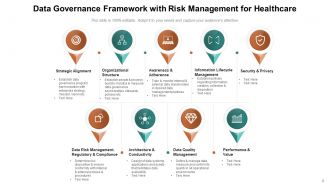
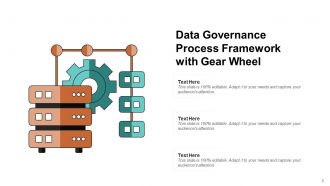
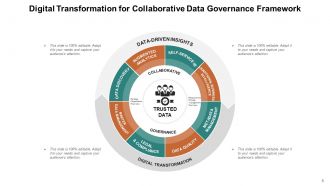
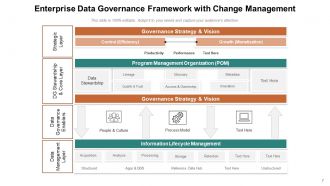
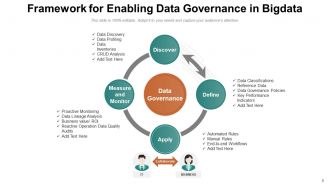
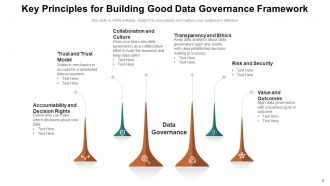
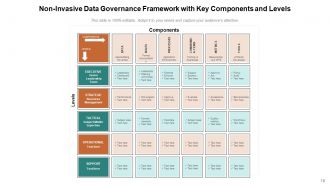
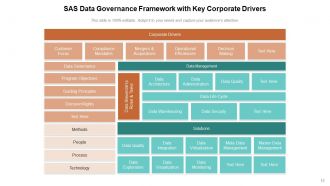
FAQs for Data Governance Framework Continuous
So you'll need data stewards first - that's honestly the most important part. Build your policies around them instead of doing it backwards. Set up clear standards for quality management, plus security and privacy controls. Governance committees help with the big decisions, and you definitely want accountability frameworks so people actually know who owns what data. Data lineage tracking is a pain but trust me, skip it and you'll regret it later. Don't forget the tech infrastructure to run everything. Regular monitoring and compliance reports keep you out of trouble.
Track both the hard numbers and the softer stuff - data quality scores, compliance rates, how quickly people can actually get to their data. User adoption matters way more than most people realize though. If your governance tools are sitting there unused, that tells you everything. I've watched so many companies celebrate perfect policies while their teams just... ignored them completely. Fast decision-making and lower compliance headaches are good business wins to measure too. Pick maybe 3-4 metrics that actually matter to your company and stick with tracking those consistently.
So data stewardship is basically your governance strategy in action. Those are the people actually making your policies work every day. Governance creates the rules, but stewards are out there maintaining data quality and handling access requests. They're like quality control for your data - honestly, they catch problems before they become disasters. These folks connect your big-picture strategy to reality, like when someone desperately needs clean customer data for a report. You probably already have people doing this work. They just don't have the official title yet.
Okay so first thing - figure out what data you're actually collecting and where it all sits. Make a full inventory of who can access what. Then write up policies for handling, keeping, and deleting data that match GDPR or CCPA rules. Here's the annoying part though: getting everyone to actually follow those policies is a nightmare. You'll need regular audits, proper team training, and some automated monitoring tools. Oh and definitely assign someone in each department to own this stuff - can't just be one person's problem across the whole company.
So honestly, start with a solid data catalog - Collibra or Alation are good bets. You need to actually know what data you have first (which sounds obvious but isn't). Then grab some lineage tools to track where everything comes from and goes. Super helpful for compliance stuff. Automated classification is your third must-have - it'll scan through and tag sensitive info like PII without you doing it manually. That saves tons of time. The catalog's really your foundation though. Once you've got that sorted, everything else just clicks into place and your team can actually find things.
So basically data governance sets up clear rules for how your data gets handled - who owns what, formatting standards, accuracy checks, all that stuff. Without it you're gonna have a mess on your hands. Someone actually becomes responsible when things go wrong (which they will). You'll get way fewer duplicates and your reports won't be garbage anymore since everyone's following the same process. Honestly I'd start small though - just pick your most important datasets first and build some basic quality rules around those.
Honestly, the worst part is usually getting executives to actually care - they talk big but don't back it up. Teams get super territorial about their data too, like you're trying to steal their toys or something. Nobody wants new processes slowing them down, which I totally get. Data quality is all over the place between different systems, and figuring out who's responsible for what becomes this endless blame game. Most places just dive in without the right tools or clear roles. Total mess. My take? Pick one important dataset, nail that first, then use it to show everyone else why this stuff matters.
Look, data governance is basically about having one version of the truth so you're not making decisions off sketchy spreadsheets. You know those painful meetings where someone goes "wait, which report are we looking at?" Yeah, good governance kills that nonsense. Set up clear standards for who owns what data and how it gets cleaned up. Teams can actually trust their numbers then. Honestly, I'd start by figuring out your biggest business decisions first - like what data drives those? That's where you'll see the biggest wins. Way better than trying to fix everything at once.
Start with classification levels that actually fit your business - public, internal, confidential, whatever works. Get your team involved early because nobody wants this stuff forced on them (learned that the hard way). Use data discovery tools to automate where you can, but honestly? You'll still need human eyes on things. Make classification part of everyone's regular workflow, not some annoying extra step. Train people on why it matters - they need to get it. Oh, and review your classifications regularly since data sensitivity shifts over time. Begin with your most critical datasets first, then expand from there.
Cloud data governance is basically like managing your stuff at someone else's place - you need clear rules about who owns what and who can access it. The catch? Your cloud provider only handles part of it, so figure out the split early. Most teams think AWS or whoever covers everything (they really don't). Start with classifying your data and setting up encryption for everything moving around and stored. Oh, and audit those permissions regularly - I've seen that bite people. Honestly, just don't migrate anything until you've got a solid inventory and written policies down.
Think of it as your data referee committee. Pull together folks from IT, legal, and business teams who can actually make calls on data policies and access rules. Trust me, without this you'll have total anarchy - everyone just wings it with sensitive info. The committee handles the messy stuff like resolving fights between departments and keeping you out of regulatory hot water. Honestly, half the battle is just getting people who genuinely give a damn about data quality, not just the usual suspects who volunteer for everything. Start there and you're golden.
Look, the old manual stuff just won't cut it anymore with AI moving this fast. You need automated quality checks running constantly, plus real-time monitoring to catch bias before your models go sideways. Dynamic classification helps too - tags sensitive data automatically as it moves around. Honestly, most companies are still playing catch-up after things break instead of preventing them. Focus on your riskiest AI projects first and build safeguards around those. Way better than trying to fix everything at once and burning out your team.
Start by figuring out what each role actually does daily, then build training around those tasks. Data stewards need the technical stuff - quality assessment and all that. Business folks need governance frameworks and compliance basics. Those generic "data governance 101" sessions? Total waste of time honestly. Make hands-on workshops instead where people work through real scenarios they'll actually face. Everyone should know your data policies and privacy regs. Quick reference guides help too - people forget things. Oh, and definitely create a central knowledge base they can access later. It's way more effective than hoping they remember everything from one training session.
Honestly, your company culture will make or break this whole thing. Without leadership that actually cares about data quality - not just talks about being "data-driven" - you're dead in the water. Silos are the absolute worst enemy here. People need clear roles and can't be scared to call out data problems when they see them. I've seen too many places where great frameworks just sit there collecting dust because nobody wants to rock the boat. Start with figuring out what your culture's really like first. Then build something that'll actually work with how people operate day-to-day.
Honestly, the trick is making data governance feel like it actually matters to their day-to-day work instead of some boring policy thing. Role-specific training helps - show them how crappy data screws up their specific job. Lunch-and-learns are great because free food gets people there! Get some data champions in each department to be your cheerleaders. Real war stories work best - like when bad data cost you that big client or whatever. Oh, and definitely work it into performance reviews. Otherwise people won't care. New hire training too, obviously.
-
The Designed Graphic are very professional and classic.
-
Use of different colors is good. It's simple and attractive.
-
Great experience, I would definitely use your services further.