


Demand Generation Marketing Strategy Powerpoint Presentation Slides




Try Before you Buy Download Free Sample Product
 Impress Your
 Audience
 100%
100% Editable
 Save Hours
 of Time


Demand generation is the idea of creating the need for the product in the minds of potential buyers. Our content ready Demand Generation Marketing Strategy PowerPoint Presentation Slides helps you to acquire long term and loyal customers. This demand creation marketing tactics PowerPoint complete deck consist of professionally designed PPT slides such as demand creation process and strategy, demand acceleration framework, elements of demand creation campaign, demand generation from a sales perspective, to name a few. Utilize these demand chain ppt visuals for demand and supply planning. Showcase demand creation tactics like product marketing paid acquisition, and marketing operation using B2B demand generation presentation design. The deck is fully editable. You can modify, color, text, and font size. It has relevant marketing strategy template to cater to your business needs. Outline all the important concepts without any hassle. Download this visually appealing PowerPoint templates to build an integrated demand generation plan.
People who downloaded this PowerPoint presentation also viewed the following :
Content of this Powerpoint Presentation
Slide 1: This slide introduces Demand Generation Marketing Strategy. State Your Company Name and begin.
Slide 2: This is an Agenda slide. State your agendas here.
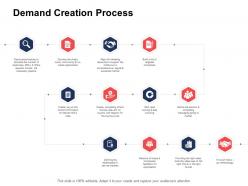
Slide 3: This slide shows Demand Creation Process with related icons.
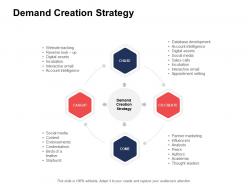
Slide 4: This slide presents Demand Creation Strategy describing- CHASE, CO-CREATE, COME, CAUGHT.
Slide 5: This slide showcases Demand Creation System. We have categorized in to three most common categories as Value Innovation, Opportunity & Threat Discovery, and Value Enhancement, just to give a basic idea on classification which can be altered by you as per your requirement.
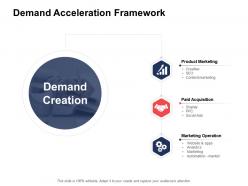
Slide 6: This slide shows Demand Acceleration Framework with three basic stages and those are- Product Marketing, Paid Acquisition, Marketing Operation.
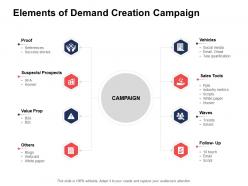
Slide 7: This slide presents Elements of Demand Creation Campaign . Also this include several elements you can use as per your requirement.
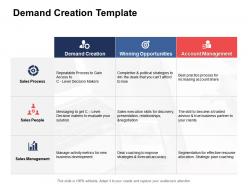
Slide 8: This slide presents Demand Creation template. This table can give you the idea about how to manage demand with sales.
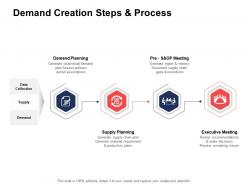
Slide 9: This slide talks about Demand Creation Steps & Process. We have shown some of the steps- Demand Planning, Supply Planning, Pre - S&OP Meeting, Executive Meeting.
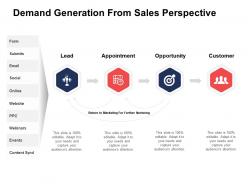
Slide 10: This slide presents Demand Generation From Sales Perspective. We have categorized in to four most common categories just to give a basic idea on classification which can be altered by you as per your requirement. Lead, Appointment, Opportunity, Customer.
Slide 11: This slide displays Demand Creation Icons.
Slide 12: This slide is titled as Additional Slides for moving forward.
Slide 13: This is Our Team slide with names and designation.
Slide 14: This is an Idea or Bulb slide to state a new idea or highlight specifications/information etc.
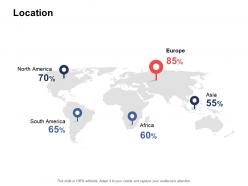
Slide 15: This is a Location slide with maps to show data related with different locations.
Slide 16: This is Our Goal slide. State your important goals here.
Slide 17: This is a Puzzle slide with text boxes to show information.
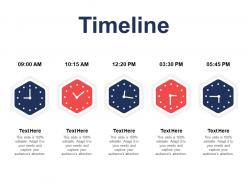
Slide 18: This is a Timeline slide. Show information related with time period here.
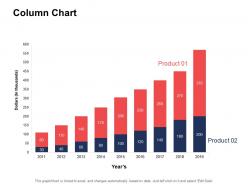
Slide 19: This slide shows Column Chart with two products comparison.
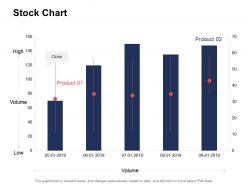
Slide 20: This slide displays Stock Chart with Open, high, low and close volume.
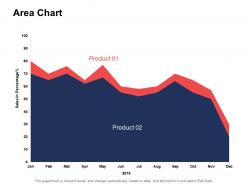
Slide 21: This slide represents Area Chart with two products comparison.
Slide 22: This is a THANK YOU slide with address, contact numbers and email address.
Demand Generation Marketing Strategy Powerpoint Presentation Slides with all 22 slides:
Inform folks about ensuring healthy ingredients with our Demand Generation Marketing Strategy Powerpoint Presentation Slides. Be an advocate for grow at home.




FAQs for Demand Generation Marketing Strategy
First thing - map out your buyer's journey before you do anything else. Content marketing is huge, but it has to actually solve problems your audience faces. Email sequences and automation help nurture those leads down the funnel. Social media, SEO, paid ads - they're all good for getting your message out there. Honestly, which channels you pick doesn't matter as much as keeping your messaging consistent everywhere. Oh, and if you're doing B2B stuff, definitely look into account-based marketing. The whole thing works best when everything connects together smoothly.
Track your MQLs and conversion rates first - that's the stuff that actually pays the bills. But here's the thing, engagement metrics matter way more than people think. Website behavior, email opens, content downloads, webinar attendance - all that shows you're hitting the right nerve before anyone converts. I'd honestly focus on connecting those early signals back to deals that actually close. That way you know what's worth doubling down on. Short bursts of data are fine, but the real gold is seeing the whole journey from first click to signed contract.
Look, content marketing is literally what drives your entire demand gen machine. Blog posts and guides grab attention at the top. Case studies and demos close deals later on. Without good content? You're basically screaming at nobody. Here's what actually works - map everything to where people are in their buying journey. I'd start with a content audit to see what you're missing at each stage. Then build a calendar around the real problems your prospects face. Trust me, most companies skip this step and wonder why their funnel sucks.
Honestly, segmentation is a game changer because it stops you from just blasting everyone with the same boring message. You group people by stuff like company size, industry, or what problems they're dealing with. Then you can actually speak to what matters to them. Startups care about budget, enterprises worry about compliance - totally different worlds. So you'd make separate content and email sequences for each group. Way better conversion rates when people feel like you get their situation. I'd start by looking at your best customers and seeing what they have in common, then work backwards from there.
Dude, biggest mistakes I see? People cast way too wide and try targeting everyone - burns through cash with awful conversion rates. Focus on mid-funnel stuff instead of getting obsessed with impressions and clicks that don't actually move the needle. Set up your attribution tracking BEFORE you launch anything (trust me on this one, made that mistake myself). Your marketing message needs to match what your sales team is telling prospects too - can't have everyone saying different things. Honestly, just start narrow with your ideal customer profile and make sure your whole team's on the same page story-wise.
So first thing - get both teams on the same page about what actually counts as a qualified lead. Sounds basic but you'd be shocked how often this trips people up. Then set up regular meetings where they're looking at pipeline data together, not just throwing leads over the fence. I'd tie their metrics together too - marketing's lead quality should connect to sales conversion rates so they're both working toward the same goal. Here's what really works though: have marketing listen in on actual sales calls sometimes. They'll hear what prospects really think, and sales can loop back on which leads actually closed deals. Makes the targeting way smarter over time.
LinkedIn ads are probably your best bet for targeting decision-makers - the precision is honestly insane. Email's great for nurturing since B2B cycles drag on forever. Content stuff like blogs and webinars work well too, just takes patience. Oh, and if you're going after big enterprise deals, account-based marketing is clutch. I'd pick maybe 2-3 channels max though. Better to nail those than half-ass everything. Track what's actually moving deals forward, not just vanity metrics. Then pour more budget into what's working.
So marketing automation basically runs your repetitive stuff in the background while you work on bigger picture things. Set up nurture sequences that send the right content based on where people are in their buying journey. Lead scoring helps you figure out who's actually ready to purchase vs just browsing around. Plus you can trigger campaigns when someone does specific things on your site. Honestly took me forever to set up properly but now it's pretty sweet - keeps leads flowing even when I'm not actively working on it. Just start simple with one nurture sequence first.
Ok so funnel metrics are everything - don't just look at surface level stuff. Lead volume and quality scores first, then cost per lead and how MQLs convert to SQLs. Website engagement is huge too (time on page, downloads, email opens). Honestly I'm kind of obsessed with conversion rates because they actually tell you if campaigns work or not lol. Pipeline velocity matters more than people think. Revenue attribution shows the real impact. Oh and set up weekly dashboard checks - you'll catch problems way faster that way. Trust me, waiting too long to spot trends will bite you.
Honestly, targeting is everything in demand gen. Get it wrong and you're basically burning money on people who'll never buy from you. I learned this the hard way when we had this killer campaign that bombed because we went too broad – classic mistake. You want to get super specific about your ideal customer profile first. What's their actual pain? Do they have budget? Can they make decisions? Then use that to pick your channels. The more focused you get, the better your conversion rates and cost per lead will be. It's like the difference between a sniper and a shotgun, you know?
Okay so for lead nurturing - email sequences are your best friend. Map out different content based on where people are in their buying journey. Educational stuff first, then case studies, product demos at the end. Social media retargeting is honestly where I've seen the best results (maybe I'm biased but whatever). Lead scoring helps you figure out who's actually ready to buy vs. just browsing around. Don't be salesy right away - that's the fastest way to turn people off. I'd start by plotting out like 3-5 touchpoints for your main buyer types and see how that goes.
Honestly, start by figuring out where your people actually spend time online. LinkedIn's solid for B2B stuff, but maybe your audience is scrolling Instagram or Twitter instead. Share content that actually helps them solve problems - not constant sales pitches because that's annoying as hell. Run some targeted ads to specific buyer types. Join conversations naturally. I'd mix educational posts with occasional product mentions in your content calendar. The whole point is moving people from "hey, this is interesting" to actually buying from you. Just don't be that person who only talks about themselves at parties, you know?
Dude, customer feedback is literally your cheat sheet for demand gen. Instead of throwing darts blindfolded, you'll know exactly what pain points hit home and which messages make people yawn. I've watched teams blow serious cash on campaigns that bombed because they never bothered asking what their audience actually cared about. Plus you get the inside scoop on where these people hang out online and what content they don't immediately scroll past. Just start simple - surveys after sales calls, quick LinkedIn polls, whatever. Your next campaign will thank you for it.
SEO helps demand gen by getting your stuff in front of people when they're actually looking for solutions. Focus on keywords with buying intent - stuff like "best CRM for small business" or "HubSpot alternative." Honestly, most companies mess this up by chasing random informational keywords that don't convert. Think of it like planting seeds that keep growing, unlike ads that die when you stop paying. Build content hubs around your main topics and optimize for featured snippets. Also, use tools like Ahrefs to see what your ideal customers are searching for - you're probably missing some obvious wins there.
Honestly, saturated markets are tough but there's still room if you're smart about it. Look for weird partnership opportunities - like that fitness app that teamed up with meal delivery companies. Genius move. Let your customers be the stars instead of always pushing your product. I've noticed companies doing really well when they build tools that solve problems *around* their main thing, not just the obvious stuff. Micro-influencers in tiny niches work way better than going broad too. Oh and be helpful first - people can smell when you're just trying to sell them something.
No Reviews