


Employee pip powerpoint presentation slides




Try Before you Buy Download Free Sample Product
 Impress Your
 Audience
 100%
100% Editable
 Save Hours
 of Time


Every angle is comprehensively covered by our Employee Pip Powerpoint Presentation Slides. They enable complete awareness.
People who downloaded this PowerPoint presentation also viewed the following :
Content of this Powerpoint Presentation
Slide 1: This slide introduces Employee PIP. State Your Company Name and begin.
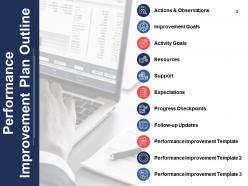
Slide 2: This slide shows Performance Improvement Plan Outline describing- Actions & Observations, Improvement Goals, Activity Goals, Resources, Support, Expectations, Progress Checkpoints, Follow-up Updates, Performance Improvement Template.
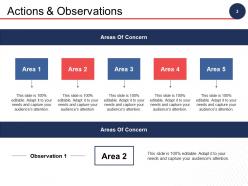
Slide 3: This slide presents Actions & Observations with text boxes to show information.
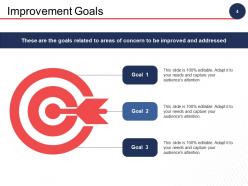
Slide 4: This slide displays Improvement Goals with related imagery and text boxes.
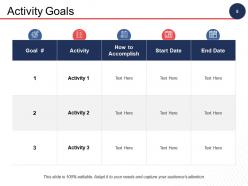
Slide 5: This slide represents Activity Goals in tabular form with categoriews as- Goal, activity, start and end date etc.
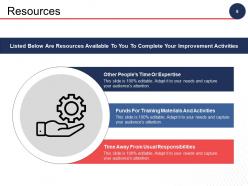
Slide 6: This slide showcases Resources describing- Other People’s Time Or Expertise, Funds For Training Materials And Activities, Time Away From Usual Responsibilities.
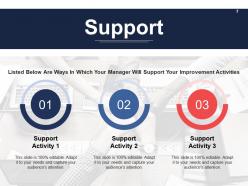
Slide 7: This slide shows Support with related imagery, diagram and additional text boxes.
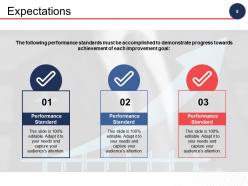
Slide 8: This slide presents Expectations with related diagram and text boxes to show information.
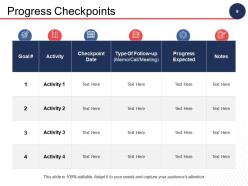
Slide 9: This slide displays Progress Checkpoints with Goal, activity, progress expected, notes etc.
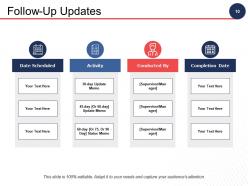
Slide 10: This slide represents Follow-Up Updates describing- Date Scheduled, Activity, Conducted By, Completion Date.
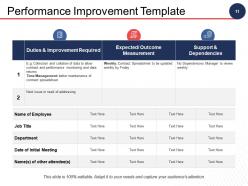
Slide 11: This slide showcases Performance Improvement Template describing- Duties and improvements required, expected outcome and support and dependencies.
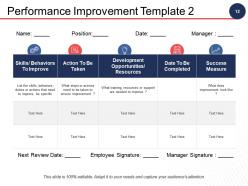
Slide 12: This slide shows Performance Improvement Template 2 with- Next review date, Employee Signature, Manager Signature, Name, Position, Date etc.
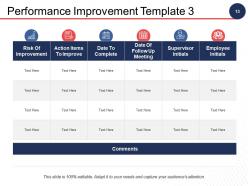
Slide 13: This slide presents Performance Improvement Template 3 with- risk of improvement, action items to improve, date to complete etc.
Slide 14: This slide shows Employee PIP Icons.
Slide 15: This slide is titled as Additional slide for moving forward.
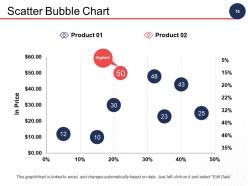
Slide 16: This slide shows Scatter bubble Chart with two products comparison.
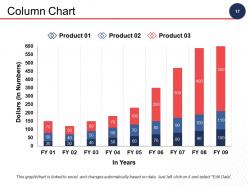
Slide 17: This slide displays Column Chart with three products comparison.
Slide 18: This slide shows Our Mission with related imagery and text.
Slide 19: This is Our Team slide with names and designation.
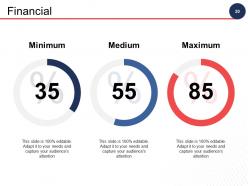
Slide 20: This is a Financial slide. Show your finance related stuff here.
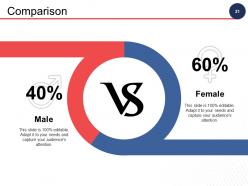
Slide 21: This is a Comparison slide to state comparison between commodities, entities etc.
Slide 22: This is Our Goal slide. Show your important goals here.
Slide 23: This is a Puzzle slide with text boxes to show information.
Slide 24: This is a Lego slide with text boxes. Show relevant information here.
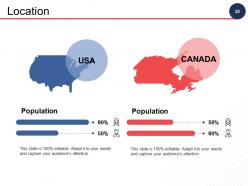
Slide 25: This is a Location slide with maps to show data related with different locations.
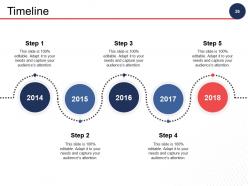
Slide 26: This is a Timeline slide. Show information related with time period here.
Slide 27: This is a Bulb Or Idea slide to state a new idea or highlight specifications, information etc.
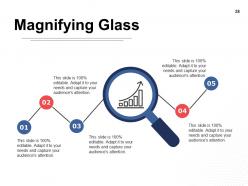
Slide 28: This slide displays Magnifying Glass with text boxes.
Slide 29: This is a Thank you slide with address, contact numbers and email address.
Employee pip powerpoint presentation slides with all 29 slides:
Display your genius with our Employee Pip Powerpoint Presentation Slides. Dazzle them with exceptional acumen.

FAQs for Employee pip
Look, you need four main things for a solid PIP. Document the specific problems first - like, really specific. Set measurable goals with actual deadlines. Schedule regular check-ins (this is where the magic happens, trust me). And spell out what happens if things don't improve. Don't forget to list what support you're giving them - training, mentoring, whatever. The check-ins are honestly the most important part because you can catch issues early instead of waiting until it's too late. Get everything in writing and have them sign it. You want them to actually succeed here, so be clear but supportive throughout.
Look for people consistently missing targets or getting customer complaints - emphasis on consistently, not just one rough patch. Missing deadlines, quality problems, or behavior that's dragging the team down are red flags. Also watch for employees who've basically checked out or stopped developing. Honestly, the sweet spot is someone with potential who just needs structure to get their act together. Don't waste time on people who are fundamentally wrong for the role though - that's a different conversation entirely. PIPs work best when there's actually something to salvage.
Honestly, communication can totally make or break a PIP situation. Start with a real conversation about what's going wrong - nobody likes getting blindsided by this stuff. Then keep checking in weekly (actually do it, don't just say you will). Give them specific feedback so they know exactly what good looks like. I've seen managers go completely silent during PIPs and then act shocked when nothing changes. Document everything you discuss too - you'll thank yourself later. Oh, and use those check-ins to actually coach them, not just keep tabs on whether they're failing.
Honestly, the trick is making them feel like you're actually rooting for them instead of pushing them out the door. Most people hear "PIP" and immediately think they're getting fired, which - fair enough, that's usually what happens. But frame it as investment in their potential right from the start. Be crazy transparent about timelines, what success actually looks like, the whole process. Give them real support too - training, mentorship, whatever they need to improve. Don't just dump them into it alone. Check in regularly so they know you haven't written them off. Make it feel collaborative, not like you're waiting for them to fail.
Focus on hard numbers that actually matter - sales figures, project deadlines met, customer ratings, whatever's broken in their performance. Skip the vague "attitude" stuff even though that's probably what's really bugging you. Make everything measurable so there's zero wiggle room. Like "boost monthly sales 15% in the next 60 days" - super clear. Document progress every week because honestly, people will try to argue their way out of accountability later. The whole point is removing any guesswork about whether they're improving or not.
So first off, definitely build in regular check-ins - weekly or every other week. Don't wait until the end to see how things are going, that's just setting everyone up to fail. Document everything though, seriously. I learned that the hard way once. Make your feedback super specific too, like actual examples instead of vague "do better" stuff. Oh and let them talk back! Sometimes they're dealing with roadblocks you don't even know about. The whole thing should feel more like a conversation than you lecturing them about their performance.
SMART goals are your friend here - specific, measurable, achievable, relevant, time-bound. Instead of vague stuff like "improve communication," go with something concrete: "send weekly project updates by Friday 3pm." I've watched so many PIPs crash because nobody could actually measure if things got better. Stick to 2-3 areas max. Break the big issues into bite-sized pieces they can handle. Set up check-ins every couple weeks and paint a clear picture of what success looks like. Honestly, realistic timelines matter more than people think - you're trying to help them succeed, not create an impossible obstacle course.
Ugh, these talks are the worst but you gotta be straight with them. Book a private meeting and open with something like "I need to discuss some performance concerns and how we can work together to address them." Don't beat around the bush or they'll have no clue what's going on. Stick to specific examples of what needs to change - not personality stuff. I always try to make it feel like we're on the same team, you know? Come with real examples and maybe some ideas for fixing things. Then actually let them talk back and ask questions. Trust me, being vague just makes everyone miserable.
Honestly, the worst thing you can do is be super vague about what you want. Like saying "be better at communication" - what does that even mean? You need actual measurable stuff with real deadlines. Don't set impossible standards either (I've seen managers do this just to build a case, it's awful). Give them the tools they need to actually improve, not just watch them struggle. Document literally everything from the start - trust me, you'll need it later when things get messy. The whole point should be helping them succeed, not setting them up to fail.
Honestly, PIPs can actually help your whole team when done right. Nobody wants to cover for someone who's slacking off - it kills morale fast. The feedback process usually uncovers bigger problems too, like crappy training or confusing expectations that mess with everyone. Your good employees stick around longer when they see you actually maintain standards. I've seen this play out so many times. The documentation helps you spot trends across different departments. Do it fairly and people respect that performance actually matters there.
Definitely loop in HR and legal before you write anything - I've watched managers crash and burn with bad documentation. Skip the vague stuff like "attitude issues." Instead, nail down specific performance problems you can actually measure. Give them realistic deadlines to improve too. Oh, and make sure you're not accidentally targeting anyone in a protected class - that's lawsuit territory. The whole thing needs to be consistent across your team. Document everything obsessively. I know it's tedious, but solid paperwork will save your butt if things go sideways later.
Honestly, skip the generic training stuff - that never works. Focus on exactly what their PIP says they're struggling with. Job shadowing works great, or find specific online courses that actually match their gaps. Maybe pair them with someone who's crushing it in that area? Here's what I'd really push for though: regular check-ins where you give feedback right away instead of waiting weeks. That's honestly more valuable than any formal training. Oh, and if possible, lighten their workload temporarily so they can actually focus on improving. Just make sure everything has clear deadlines - otherwise it drags on forever.
Compare their performance from before the PIP started to now, then track it for like 3-6 months after. The metrics you set up originally - sales, project deadlines, whatever - those are your benchmarks. Getting feedback from their coworkers is honestly super valuable since they see stuff you don't during regular check-ins. Don't just look at improvements during the PIP period though. The real test is whether changes actually stick long-term. Document everything because it'll help you figure out what works for future PIPs - and frankly, you might need that paper trail later anyway.
Yeah, so if they don't hit those PIP goals, you're probably looking at termination. Document the hell out of everything - what they missed, how much they were off, any effort they put in. HR's gonna want proof you gave them a fair shot. There's occasionally some wiggle room if they showed real improvement but just barely missed the mark, though that rarely happens in my experience. Set up that final meeting to go over results, then follow whatever termination process your company uses. Just make sure you've got all their performance documentation ready before HR starts asking questions.
Definitely get them involved in the process instead of just talking *at* them. Weekly coffee chats help a ton - way better than only doing formal sit-downs. Celebrate the small wins because PIPs honestly suck for morale otherwise. Ask what obstacles they're hitting and let them help brainstorm solutions. I'd focus more on "here's how we can help you grow" rather than constantly rehashing what went wrong. Oh, and give them some ownership in actually creating the plan. Makes a huge difference when they feel like it's their roadmap, not some punishment handed down from above.
No Reviews