

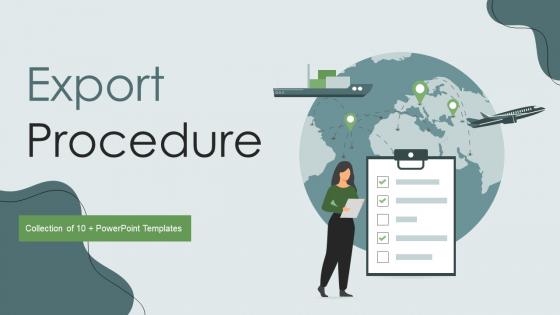
Export Procedure Powerpoint Ppt Template Bundles




Try Before you Buy Download Free Sample Product
 Impress Your
 Audience
 100%
100% Editable
 Save Hours
 of Time


Our Export Procedure Powerpoint Ppt Template Bundles are topically designed to provide an attractive backdrop to any subject. Use them to look like a presentation pro.
People who downloaded this PowerPoint presentation also viewed the following :
Export Procedure Powerpoint Ppt Template Bundles with all 18 slides:
Use our Export Procedure Powerpoint Ppt Template Bundles to effectively help you save your valuable time. They are readymade to fit into any presentation structure.






FAQs for Export Procedure Powerpoint
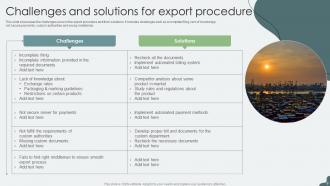
So first thing - grab your export license and permits. Then prep all the shipping docs (invoice, packing list, the usual stuff). Don't forget the certificate of origin though, I swear everyone misses that one! Get your freight forwarder sorted and make sure you have insurance. Customs paperwork is honestly such a pain, but they're super picky about having everything perfect. I'd start collecting documents way early because scrambling at the last minute sucks. Your freight forwarder will handle pickup/delivery timing. Just stay organized and you'll be fine!
So you'll want to use the Harmonized System - it's this coding thing that categorizes products for international trade. First figure out your product's material and what it actually does, then work through the classification from broad categories down to the specific 6-digit codes. Most countries have online tools to help, which is nice because honestly the whole process is kind of a pain. Getting stuck on something weird? Customs brokers are lifesavers for this stuff. Oh and definitely double-check your codes - wrong ones can mess up your shipments or get you audited later.
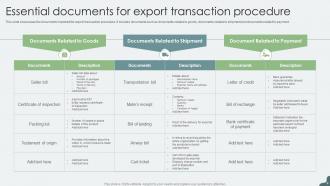
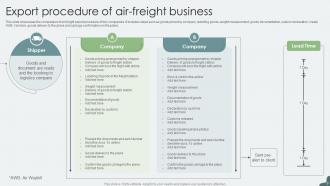
Hey! So you'll definitely need your commercial invoice, packing list, and bill of lading - can't ship without those three. Export licenses and certificates of origin might be required too, depends on your product and destination. Industry permits are sometimes needed (honestly the regulations are such a headache). Insurance docs if you're covering it. Oh and seriously - check the destination country's requirements way ahead of time. I learned that one the hard way when I was scrambling last minute for some random form I'd never heard of. Save yourself the stress!
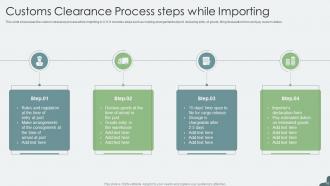
Honestly, customs rules are all over the place depending on where you're shipping. Each country wants different paperwork - some want tons of documentation, others have gone mostly digital which is way easier. You'll have to look up their specific stuff like tariff codes, what's banned, invoices, origin certificates, all that. Singapore's pretty smooth to work with, but the EU? Total pain with all their red tape. Duty rates and inspection processes vary like crazy too. Oh, and some places want advance notice before your shipment even arrives. Your freight forwarder's gonna be your best friend here - they know all the weird country-specific rules that'll trip you up otherwise.
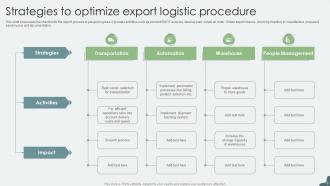
Look, transportation is literally what makes or breaks your export game. You've got to pick between air, sea, or ground based on how fast you need stuff there and what you can spend. Freight forwarders become your best friends - they handle the crazy paperwork that comes with each shipping method. Book early though, seriously. Shipping schedules are a mess right now and change all the time. I learned this the hard way when a client's order sat at port for weeks because I didn't have a backup plan. Always have plan B ready or you'll be making awkward calls to angry customers.
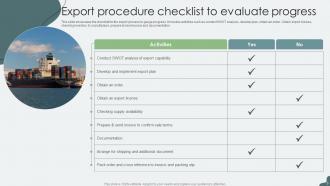
Okay so first thing - get those HTS codes right because that's where everyone screws up. Find a customs broker who actually knows what they're doing (easier said than done tbh). Check the Commerce Department site for export licensing stuff, and yeah I know it's boring but you gotta screen buyers against those restricted lists. Keep records of literally everything - audits are like pop quizzes from hell. Oh and make yourself a checklist for each shipment. Sounds super basic but trust me, when you're rushing to get stuff out the door you'll forget something important.
Look, the main stuff that'll bite you is customers not paying, crazy currency swings, and political drama in whatever countries you're targeting. Forward contracts are your friend for currency - they lock in rates so you don't get screwed. Export credit insurance is clutch too, covers you when buyers flake. I'd grab political risk insurance while you're at it since governments love changing rules overnight. Don't put everything in one market either, spread it around. Oh and get quotes on that credit insurance first - way more affordable than most people think.
Okay so Incoterms are basically the deal you make with your buyer about who handles what during shipping. FOB means you're responsible until the stuff gets loaded on the ship, then it's their problem. With EXW, your buyer does almost everything from your warehouse - honestly kind of nice for you but can be a headache for them. CIF is the opposite where you cover shipping and insurance all the way to their port. Here's the thing though - always check your incoterms before you start planning anything export-related. They'll show you exactly what paperwork and costs you're actually on the hook for. Saves you from scrambling later.
Look, freight forwarders are lifesavers because they handle all the messy logistics stuff. You don't want to figure out customs forms and shipping regulations yourself - it's a nightmare. They've already got connections with carriers and brokers, so you'll get better deals and faster fixes when something breaks (which it always does). One wrong document can literally sit your shipment in customs for weeks. I learned that the hard way last year. Find someone who knows your industry and where you're shipping to. Worth every penny honestly.
Get your export docs together first - commercial invoices, packing lists, maybe export licenses depending on what you're selling. The SBA actually has some decent guides that helped me avoid major screwups early on. I'd recommend using a freight forwarder at first. Yeah it's pricier, but they deal with all the customs BS and shipping headaches. Each country has totally different import rules too, so research that stuff beforehand or you'll be scrambling later. Oh and don't try doing everything solo right away - learned that one the hard way.
For new customers, I'd honestly go with letters of credit first - yeah, the paperwork sucks but you're guaranteed to get paid once you hit their requirements. Documentary collections are way simpler though, banks just swap the documents but won't actually guarantee payment. Open account is risky since you're basically trusting them completely. Oh, and trade credit insurance exists if you're paranoid about defaults - probably worth looking into. Once you've worked with someone a few times and trust them, then maybe switch to something easier.
Oh man, physical goods are such a pain - you've got customs forms, shipping docs, inspections, the whole nine yards. Digital stuff skips most of that mess. Instead you're worried about export control rules and whether your software violates any trade restrictions. Way less paperwork for digital, but honestly? The compliance side can get pretty gnarly depending on what you're dealing with. I'd check if you even need an export license first before diving into anything else. That'll save you some headaches down the road.
So there's a bunch of stuff to think about with exporting and the environment. Packaging is huge - tons of countries have crazy strict rules now about what materials you can use and recyclable stuff. Shipping method makes a massive difference too. Ocean freight beats air freight by miles if you're not in a rush. Also check what certifications your products might need in whatever country you're targeting. Some places ban certain materials outright which honestly can be a pain to figure out. Oh and definitely look up the importing country's environmental requirements before you get too far into planning - saves headaches later.
Dude, export management software is a game changer - it'll auto-generate your shipping docs and handle customs declarations without you touching anything. Real-time tracking is built in too. Manual forms are basically dead at this point, which honestly thank god because that stuff was soul-crushing. The platforms sync directly with customs systems and keep you updated when regulations change (which they do constantly). I'd start with just one platform that covers wherever you ship most. Oh, and the error reduction alone will save your sanity.
Documentation errors will absolutely wreck your day - I learned that the hard way. Get solid export management software early and find freight forwarders who actually know what they're doing. Check your export licenses twice before shipping anything. Payment delays are brutal too, so push for letters of credit when possible. Oh, and customs delays happen more than you'd think, so build in buffer time. Having backup shipping routes saved me once when my main carrier had issues. Honestly, just start making checklists for everything now. Trust me on this one.
-
What an exhaustive collection of templates you guys have there in slideteam. Impressive!!!
-
Love how there are no boring templates here! The design is fresh and creative, just the way I like it. Can't wait to edit and use them for my extended projects!