


Financing Of Real Estate Project Powerpoint Presentation Slides




Try Before you Buy Download Free Sample Product
 Impress Your
 Audience
 100%
100% Editable
 Save Hours
 of Time


The real estate industry is considered one of the critical contributors to an economy. One can easily have a steady cash flow or can get great returns by investing in real estate. Check out our efficiently designed presentation on Financing of Real Estate Project. This template will assist the real estate property developers in identifying the best source of financing that will assist them in meeting funding requirements. The presentation begins with the market overview and how our competitors are doing sections that the organization can use to illustrate major statistics, drivers, real estate industry players, and a company-specific competitor landscape. Sections such as about the real estate project, project feasibility report, and identifying and fulfilling project finance requirements will help the developers highlight in-depth details about the project, check project feasibility, and determine and select the best project financing structure. Developers can use slides, namely real estate project finance and implementation, and sections such as managing project risks and project management team to ensure effective project development, financing, and management. Lastly, project management dashboards will assist real estate companies in determining their project progress and team performance. For a hassle free experience, bag this PPT layout right now.
People who downloaded this PowerPoint presentation also viewed the following :
Content of this Powerpoint Presentation
Slide 1: This slide introduces Financing of Real Estate Project. State Your Company Name and begin.
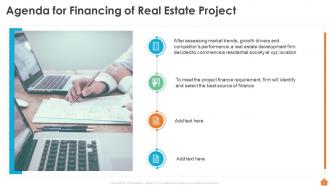
Slide 2: This slide states Agenda of the presentation.
Slide 3: This slide presents Table of Content for the presentation.
Slide 4: This slide highlights title for topics that are to be covered next in the template.
Slide 5: This slide displays key facts and figures about real estate market.
Slide 6: This slide represents Determining Key Market Drivers for Real Estate Growth.
Slide 7: This slide showcases Global Real Estate Investment Volume in 2021.
Slide 8: This slide shows information about real estate leading players in the US market.
Slide 9: This slide highlights title for topics that are to be covered next in the template.
Slide 10: This slide presents Company Specific Competitor Landscape.
Slide 11: This slide displays Our Competitors Domestic Market Share.
Slide 12: This slide highlights title for topics that are to be covered next in the template.
Slide 13: This slide represents Project Context Objectives and Scope.
Slide 14: Mentioned slide illustrates legal information about the project site.
Slide 15: This slide provides information about project location and its design layout.
Slide 16: Following slide portrays company’s real estate project development cycle.
Slide 17: This slide shows Defining our Four Stage Project Development Process.
Slide 18: This slide highlights title for topics that are to be covered next in the template.
Slide 19: This slide presents Five Years Profitability Projections of the Project.
Slide 20: This slide displays Financial Ratios Defining Project Feasibility.
Slide 21: This slide represents Resources Required for Project Completion.
Slide 22: This slide showcases Performance Based Vendor Classification and Selection.
Slide 23: This slide highlights title for topics that are to be covered next in the template.
Slide 24: This slide shows Available Financing Sources for Real Estate.
Slide 25: This slide presents Types of Financing Structures for the Project.
Slide 26: This slide displays information about the company’s real estate project financing structure.
Slide 27: This is another slide continuing company’s real estate project financing structure.
Slide 28: This slide highlights title for topics that are to be covered next in the template.
Slide 29: This slide portrays details about the real estate project finance development timeline.
Slide 30: This slide presents Real Estate Project Implementation Timeline.
Slide 31: This slide highlights title for topics that are to be covered next in the template.
Slide 32: This slide displays project risk breakdown structure that is sub-categorized into four areas.
Slide 33: This slide represents Determining Risk Level Across Real Estate Development Process.
Slide 34: This slide showcases Project Risk Impact and Likelihood Assessment.
Slide 35: This slide shows Mitigation Plan to Overcome Project Risks.
Slide 36: This slide highlights title for topics that are to be covered next in the template.
Slide 37: This slide presents Defining Team Structure for Effective Project Handling.
Slide 38: This slide displays RACI Matrix to Assign Roles and Responsibilities.
Slide 39: This slide represents information about company’s communication plan for real estate project.
Slide 40: This slide highlights title for topics that are to be covered next in the template.
Slide 41: This slide showcases KPI Dashboard to Monitor Project Status.
Slide 42: This slide shows Vendor Compliance KPI Dashboard.
Slide 43: This slide presents Project Team Performance KPI Dashboard.
Slide 44: This slide displays Icons for Financing of Real Estate Project.
Slide 45: This slide is titled as Additional Slides for moving forward.
Slide 46: This slide represents Feasibility Analysis Matrix for Real Estate Project.
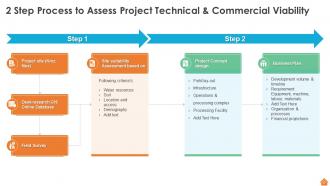
Slide 47: This slide showcases 2 Step Process to Assess Project Technical & Commercial Viability.
Slide 48: This is About Us slide to show company specifications etc.
Slide 49: This is Our Team slide with names and designation.
Slide 50: This is Our Mission slide with related imagery and text.
Slide 51: This is Our Target slide. State your targets here.
Slide 52: This slide presents Roadmap with additional textboxes.
Slide 53: This slide contains Puzzle with related icons and text.
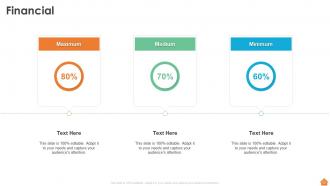
Slide 54: This is a Financial slide. Show your finance related stuff here.
Slide 55: This slide displays Mind Map with related imagery.
Slide 56: This slide depicts Venn diagram with text boxes.
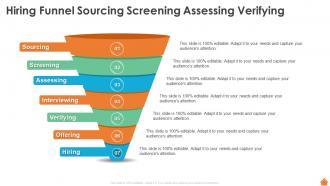
Slide 57: This slide shows Funnel with related icons and text.
Slide 58: This is a Timeline slide. Show data related to time intervals here.
Slide 59: This is a Thank You slide with address, contact numbers and email address.
Financing Of Real Estate Project Powerpoint Presentation Slides with all 64 slides:
Use our Financing Of Real Estate Project Powerpoint Presentation Slides to effectively help you save your valuable time. They are readymade to fit into any presentation structure.
-
Financing of Real Estate Project
-
Agenda for Financing of Real Estate Project
-
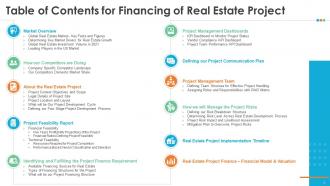
Table of Contents for Financing of Real Estate Project
-

Market Overview
-
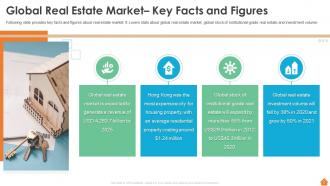
Global Real Estate Market Key Facts and Figures
-
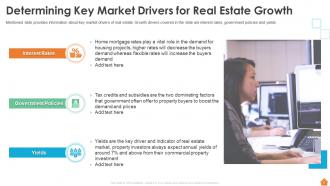
Determining Key Market Drivers for Real Estate Growth
-
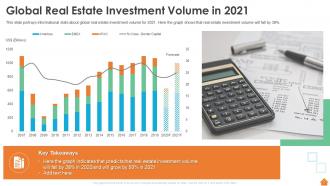
Global Real Estate Investment Volume in 2021
-
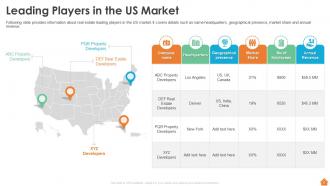
Leading Players in the US Market
-

How our Competitors are Doing
-
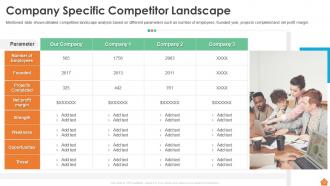
Company Specific Competitor Landscape
-

Our Competitors Domestic Market Share
-

About the Real Estate Project
-
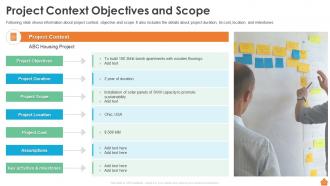
Project Context Objectives and Scope
-
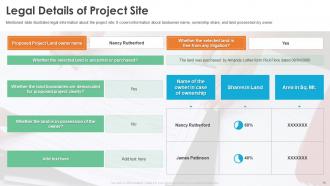
Legal Details of Project Site
-
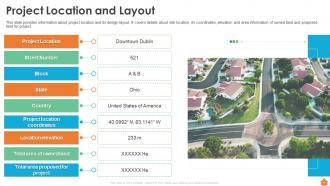
Project Location and Layout
-
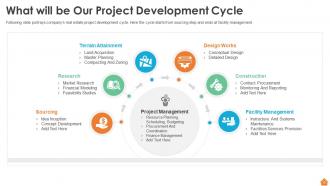
What will be Our Project Development Cycle
-
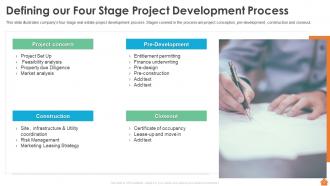
Defining our Four Stage Project Development Process
-

Project Feasibility Report
-
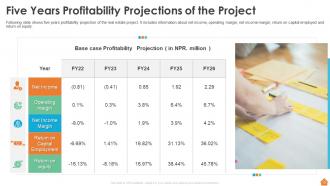
Five Years Profitability Projections of the Project
-
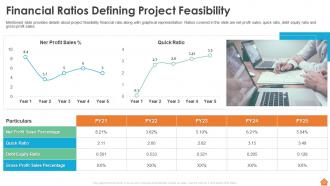
Financial Ratios Defining Project Feasibility
-
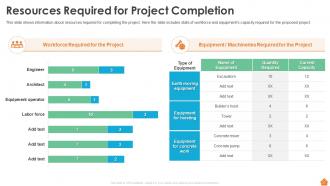
Resources Required for Project Completion
-
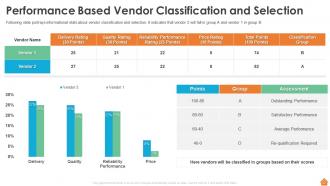
Performance Based Vendor Classification and Selection
-
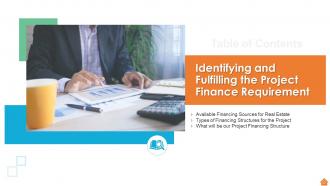
Identifying and Fulfilling the Project Finance Requirement
-
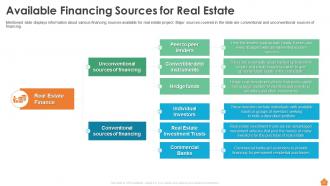
Available Financing Sources for Real Estate
-
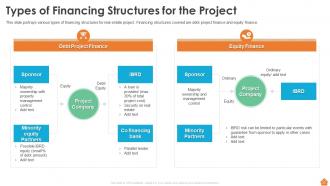
Types of Financing Structures for the Project
-
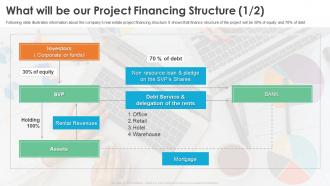
What will be our Project Financing Structure 1 2
-
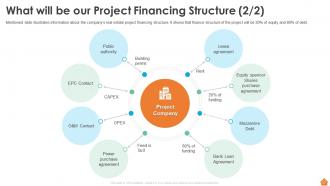
What will be our Project Financing Structure 2 2
-

Real Estate Project Finance Financial Model Valuation Real Estate Project Implementation Timeline
-
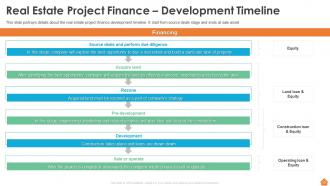
Real Estate Project Finance Development Timeline
-
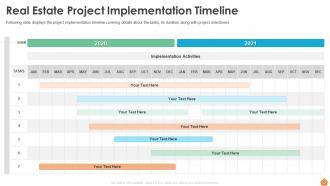
Real Estate Project Implementation Timeline
-

How we will Manage the Project Risks
-
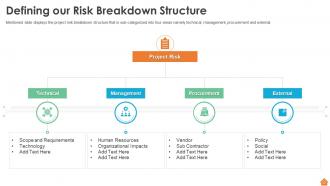
Defining our Risk Breakdown Structure
-
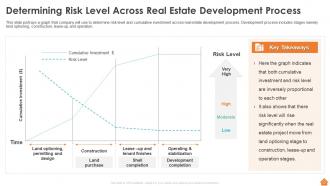
Determining Risk Level Across Real Estate Development Process
-

Project Risk Impact and Likelihood Assessment
-
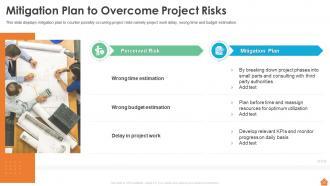
Mitigation Plan to Overcome Project Risks
-

Project Management Team
-
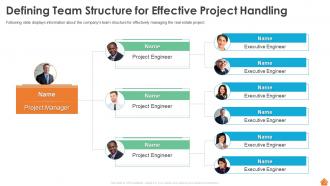
Defining Team Structure for Effective Project Handling
-
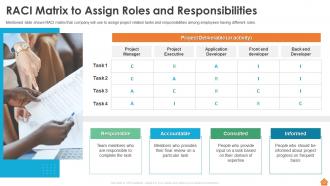
RACI Matrix to Assign Roles and Responsibilities
-
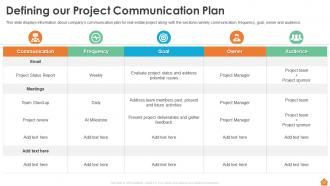
Defining our Project Communication Plan
-

Project Management Dashboards
-
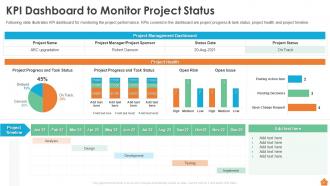
KPI Dashboard to Monitor Project Status
-
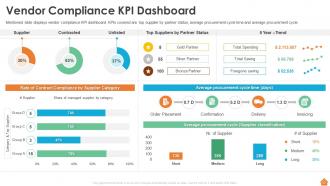
Vendor Compliance KPI Dashboard
-
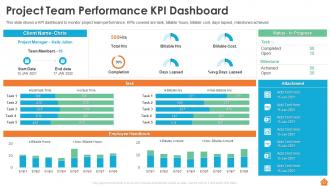
Project Team Performance KPI Dashboard
-
Icon Slide for Financing of Real Estate Project
-

Additional Slides
-
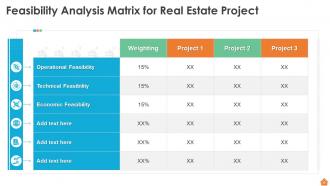
Feasibility Analysis Matrix for Real Estate Project
-
Financing of Real Estate Project
-
About Us
-

Meet Our Team
-
Our Mission
-

Our Target
-

Roadmap
-

Puzzle
-
Financial
-

Mind Map
-
Venn
-
Hiring Funnel Sourcing Screening Assessing Verifying
-
Timeline
-

Thank You
-

-

-

-

-

FAQs for Financing Of Real Estate Project
Interest rates are obviously key - fixed vs adjustable makes a big difference. Down payment size will hit your monthly payments hard, plus you might get stuck with PMI if it's too low. 15-year vs 30-year loans? The monthly payments jump but you save tons long-term (honestly wish I'd known this earlier). Credit score basically determines what doors even open for you. Closing costs can be brutal - like way more than you'd expect. Check the lender's rep too and how fast they actually close. I'd get pre-approved with 2-3 different places so you can compare real numbers.
Hey! So rates mess with your returns in two big ways. Your mortgage payments get more expensive, which obviously cuts into your monthly cash flow. Property values usually drop too since fewer people can actually afford to buy anything. Honestly, it's kind of brutal when rates spike fast like they did recently. But when rates are low? You can borrow more money and property prices tend to go up. My advice - try to time your purchases when rates aren't terrible, and always run the numbers assuming they'll jump another 2-3% just to be safe.
So fixed-rate means your payment stays exactly the same every month - super nice for budgeting. Variable rates start cheaper, which is tempting, but they bounce around with the market. Honestly feels like rolling dice sometimes. You're basically choosing between playing it safe or gambling that rates won't spike. If you're planning to move in a few years anyway, variable might be worth the risk. But if you're the type who loses sleep over money stuff (no judgment - I totally get it), fixed gives you that peace of mind. Really comes down to your situation.
So basically, you put down way less cash but control way more property. Like instead of buying one $200k house outright, you could do 20% down on five houses - now you're making money off $1M in real estate instead of just $200k. Pretty sweet when prices go up, right? But here's the thing - if the market tanks or you can't make payments, you're screwed on a much bigger scale. Honestly though, I'd just start with one property first. Get used to dealing with tenants and maintenance before you go crazy with it.
Look, your credit score is basically everything when it comes to getting good loan terms. Above 740? Lenders will actually fight for you with their best rates. Below that and you're paying more - sometimes way more. I'm talking thousands extra over the loan life, which is honestly insane when you think about it. Even 20 points can make a huge difference. Got time before you need the loan? Pay down those credit cards first and check your report for errors. Trust me, it's worth the wait if your score needs work.
So you've got a few routes here. Conventional loans need like 20-25% down for investment properties - pretty standard stuff. Hard money's insanely expensive but if you need to close fast, it works. There's also DSCR loans which are kinda cool because they look at the property's cash flow instead of your income. Portfolio loans from local banks are worth checking out since they don't sell them off to other lenders. Oh and commercial loans if you're going bigger. Honestly though? I'd hit up some local portfolio lenders first - they're way more flexible than the big guys.
So REITs can actually raise money way easier than if you bought property directly. They issue stocks, sell corporate bonds, get credit lines that we regular people can't access. Pretty unfair honestly. But here's the thing - they have to pay out 90% of their profits as dividends, which is great for us but means they're always hunting for outside money to grow. You'd just use mortgages and whatever cash you have. REITs cost more to finance but you get way better liquidity and don't have all your eggs in one building.
So hard money lenders are basically when you need cash fast but don't mind paying through the nose for it. Think 10-15% interest plus fees - pretty brutal honestly. The upside? Funding happens in days, not weeks, and they care more about the property than your credit score. Perfect for flippers who spot a good deal and can't wait around. Just know you're looking at 6-12 month terms max, so you better flip that house quick or have another way out. I'd only use them when time is everything and the numbers still work after those crazy rates.
Oh man, commercial down payments are rough. You'll need 20-35% minimum, which is crazy compared to residential where you can sometimes get away with just 3-5%. Banks think commercial stuff is way riskier so they want more cash upfront. Your credit matters too, obviously. Some lenders are pickier than others depending on what type of property you're buying. I learned this the hard way when I was looking into it last year - definitely start saving now if you're serious about it because closing day hits different when you need that much cash.
Hey! So you're gonna need a bunch of stuff - recent pay stubs, your last two years of W-2s or tax returns, and bank statements. Also employment verification letters. Credit card statements and any existing loan info too since they want to see your whole financial picture. Once you're under contract, you'll need the purchase agreement and property appraisal. Honestly, start gathering everything now because it's such a pain tracking down old documents - I learned that the hard way. My bank took forever to get me statements from like 18 months ago.
So basically these crowdfunding sites let you pool money with other people to buy real estate you'd never afford alone. You can start with like $500-$1000 instead of needing hundreds of thousands upfront. Pretty crazy that you can invest in some Miami property while sitting in Denver, right? Plus smaller developers don't have to deal with banks taking forever to approve stuff. I'd honestly just check out Fundrise or RealtyMogul first - they'll show you exactly how it works and you can poke around before committing to anything.
Okay so high-leverage financing is basically borrowing a ton of money to buy property - amplifies your gains but also your losses big time. Cash flow becomes your enemy when vacancy rates jump or interest rates go up. You've got way less equity as a safety net, so even small drops in property values can put you underwater on the loan. Trust me, the math gets brutal when you're at 90%+ leverage and suddenly need to cover major repairs or deal with empty units for months. Honestly I'd run some nightmare scenarios first - like what happens if half your units go empty? See if you can actually survive that before diving in.
Residential stuff is super standardized - you know, 30-year mortgages, FHA loans, basic credit checks. Commercial? Total chaos honestly. Banks care way more about the property's income potential and whether you actually know what you're doing. Down payments are bigger, rates suck more, and terms are shorter like 5-10 years. Oh and forget doing it online - you'll need to schmooze with local bankers first. For residential you can just get pre-qualified online no problem, but commercial is all about relationships.
Dude, lenders are getting super creative right now. ARMs are back because fixed rates still suck. Bridge loans and rent-to-own stuff is everywhere too - honestly didn't see that coming a few years ago. Banks tightened up so private lenders are filling the gap, which is actually pretty smart if you can find good ones. Everything's going digital now - closings, AI doing the underwriting, all that. My advice? Don't just stick with traditional banks. Build some relationships with private guys as your backup plan. You'll need options in this market.
Here's what I'd do - grab a spreadsheet and run both scenarios side by side. For the financed option, take your annual cash flow after paying the mortgage and divide that by whatever cash you put down initially. That's your return rate. Then compare it to just buying all-cash (boring but simple, right?). Don't forget about loan fees and interest costs - they add up quick. If your financed return beats what you could make elsewhere by a solid margin, then financing probably makes sense. I mean, cash does feel way safer though.
-
Thank you for offering such helpful pre-designed templates. They are really beneficial to me in my job.
-
Their professional templates are very impressive, even my manager was curious about the source. I am very grateful.