

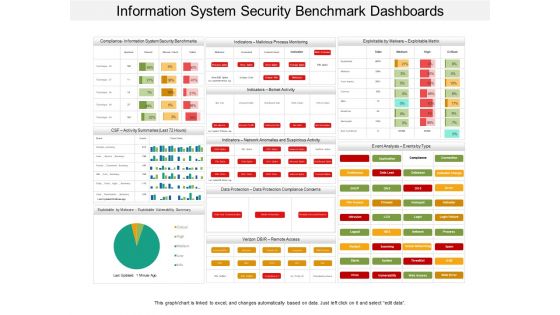
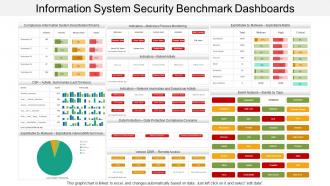
Painéis de referência de segurança do sistema de informações





Try Before you Buy Download Free Sample Product
 Impress Your
Audience
 100%
Editable
 Save Hours
of Time


Todas as direções são abordadas por nossos painéis de referência de segurança do sistema de informações. Cada diploma é contabilizado.
People who downloaded this PowerPoint presentation also viewed the following :
Painéis de referência de segurança do sistema de informações com todos os 6 slides:
As autoridades concordam mais rapidamente devido aos nossos painéis de referência de segurança do sistema de informações. As aprovações desejadas são aceleradas.


FAQs for Information system
Okay so you'll want five main things for decent security: access controls (basically who can get into what), data protection like encryption and backups, network security with firewalls and monitoring, some kind of incident response plan, and - this one's huge - actually training your people. Most hacks I've seen happen because someone falls for a phishing email or uses terrible passwords. These pieces need to work together though, not just sit there doing their own thing. I'd start by checking what you've got now, then figure out your worst weak spots and fix those first. Oh and seriously, the human training part is probably more important than the fancy tech stuff.
Data gets messed with in so many ways it's crazy. Malware just trashes files completely. Insider threats are honestly the worst though - those people know exactly where to hit you. Ransomware locks everything up until you pay (which sucks). SQL injections are sneaky - they'll change your database stuff and you won't even notice right away. Oh, and then there's just regular human error too, which happens more than we'd like to admit. You really need different security layers watching for this stuff before it spreads everywhere.
Dude, training your people is seriously the best protection you can get. Most breaches happen because someone clicks a bad link or downloads something shady. Regular sessions on spotting phishing emails and password basics are crucial - hackers keep getting sneakier. I've watched companies get completely destroyed over dumb mistakes that could've been avoided. Don't just do it once during onboarding though, that's useless. Run quarterly training on new threats and throw some fake phishing tests at your team. Keeps everyone on their toes, you know?
Start with pen testing and vulnerability scans - those will show you where you're actually exposed. I'd suggest picking a framework like NIST or ISO 27001 for audits (yeah, the acronyms are annoying but they work). Track stuff like how fast you catch incidents, patch timelines, training completion rates. Red team exercises are gold since they mimic real attackers. Oh, and test your incident response plan regularly - you'd be surprised how many companies forget that part. Don't make it a one-and-done thing though. Quarterly reviews keep you honest.
Honestly, most cloud breaches boil down to three things: messed up access controls, crappy authentication, and APIs that aren't locked down. I swear half the horror stories I hear start with "so we left this S3 bucket public..." Don't even get me started on companies skipping multi-factor auth. Logging issues are huge too - you can't fix what you can't see breaking. Oh, and that whole shared responsibility thing trips people up constantly. They assume AWS is handling encryption when they're not. First thing I'd do? Audit who can access what in your setup. That's where the scary stuff usually lives.
Look, start by sorting your data into sensitivity levels - like public, internal, confidential, whatever makes sense. Then set up user groups so people only see what they actually need for their jobs. MFA is clutch too, don't skip that. Oh and data masking is pretty sweet for dev environments - your developers get realistic data to work with but can't peek at real customer details. Honestly the setup feels tedious at first but you'll thank yourself later. Just audit who has access to what every few months. Default to giving people the bare minimum permissions, then add more if they need it.
Dude, AI and machine learning are seriously crushing it for spotting weird network behavior that would fly right past us humans. Zero trust is everywhere now - basically treats everything like it's already hacked until you can prove it's not, which sounds extreme but honestly makes sense. Oh, and quantum computing is gonna destroy our current encryption in like 5-10 years, so companies are scrambling to get quantum-proof algorithms ready. XDR and cloud security mesh are picking up steam too. If I were you, I'd definitely dig into zero trust concepts since that's where everyone's headed anyway.
Honestly, compliance totally runs the show when it comes to your security setup. You're building around what regulators want, not what actually makes the most sense technically. GDPR makes you focus on data minimization and breach alerts. SOX? All about access controls and audit trails. Healthcare's even worse - HIPAA basically becomes your entire security playbook whether you want it or not. Here's the thing though: compliance is just the bare minimum, not good security. Map out which regulations hit your data flows first. That'll show you where to spend your money. Then you can add the real protections on top.
Dude, you really need an incident response plan - it's like having a fire drill but for cyberattacks. Your team will know exactly what to do instead of panicking when hackers break in. Who isolates which systems, how to stop the spread, all that stuff. I've watched companies dodge what could've been huge disasters because they actually practiced their response beforehand. The trick is testing it regularly though. Can't just write it once and forget about it (learned that one the hard way). Seriously makes the difference between a minor headache and front-page news.
So encryption is basically scrambling your data so only the right people can read it. Think of it like a locked safe - you've got the key, hackers don't. When data's moving around (like between servers), TLS protocols encrypt everything in transit. Even if someone grabs your traffic, they just see nonsense. Files sitting on your servers need encryption too - AES-256 is solid for that. Oh, and here's the thing everyone messes up: don't store your encryption keys with the encrypted data. That's like taping your safe combination to the safe door. Rotate those keys regularly or you're asking for trouble.
Honestly, you'll want to layer your security approach. Give people only the bare minimum access they need - sounds harsh but it works. Do regular checks when folks switch roles too. Background screening is pretty standard now. The tricky part? You need monitoring that catches weird patterns, like someone suddenly downloading tons of files or poking around where they don't belong. I'd also set clear data policies so everyone knows the rules. It's all about finding that sweet spot between being secure and not treating your team like potential criminals.
Ugh, third-party vendors are such a headache for security. You're basically handing over keys to your data and hoping they don't screw up. When they get hacked, guess what? You're probably getting dragged down with them. Most vendors have garbage security anyway - old software, weak passwords, terrible access controls. The worst part is you can't really see what they're doing behind the scenes. Definitely do risk assessments before working with anyone and make them prove they actually know what they're doing security-wise. I've seen too many companies get burned by this.
Start with whatever people already carry - phones work great for SMS or those authenticator apps. App-based is way more secure than SMS, but honestly SMS beats having nothing at all. Don't forget about covering every login point, not just your main one. Backup recovery is huge because people lose phones all the damn time. Risk-based stuff only asks for MFA when logins look sketchy, which is nice. Roll it out slowly starting with your most critical systems first. Nobody wants angry users flooding your helpdesk because they can't get into anything.
Threat intel basically gives you a heads up on what hackers are actually doing right now. Instead of flying blind, you'll know which vulnerabilities matter most and can set up your security tools to catch their favorite tricks. Plus your team learns about current attack methods - honestly, it's like having insider info on the bad guys. You can get threat feeds, join those industry sharing groups, or pay for intel services. The trick is actually using the data though, not just hoarding it. Configure your defenses based on real patterns and update your incident response accordingly.
Look, AI security is wild right now. You can use it to catch threats super fast and spot weird patterns automatically - way better than doing it manually. But attackers aren't sitting around either. They're cranking out crazy realistic phishing emails and deepfakes that honestly creep me out. Plus they're automating their attacks too. It's basically this endless back-and-forth thing. Start setting up AI defenses now though, and make sure your team knows what AI-powered attacks look like. Trust me, you don't want to be scrambling later.
No Reviews