


Infrastructure management powerpoint presentation slides




Try Before you Buy Download Free Sample Product
 Impress Your
 Audience
 100%
100% Editable
 Save Hours
 of Time


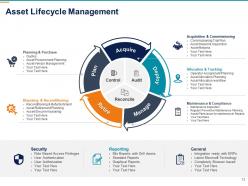
Provide a clear snapshot of our building processes and services to the viewers by using our topic-specific Infrastructure Management PowerPoint Presentation Slides. With the help of this eye-catching structure management PPT layout, you can highlight your infrastructure services like power cooling, management software, servers, networks, and storage. Take the assistance of our visually-attractive building management presentation template to explain in detail the key technology trends like strategic, tactical, and operational infrastructure. The PPT slides contain ample space where you can display the graph of the market size of your overall infrastructure. Employ this professionally designed infrastructure management PowerPoint theme to mention the asset lifecycle management. It includes planning & purchasing, disposing of & reconditioning, acquisitions & commissioning, allocation & tracking, and maintenance & compliance. Take advantage of this outwardly engaging infrastructure management PPT slide to elaborate on risk assessment and deterioration modeling. Included here are high-quality icons and visuals with which you can design a pictorial representation of infrastructure optimization. Upgrade your organization technologies and grow efficiently in the market by downloading our ready-to-use infrastructure management PowerPoint presentation template.
People who downloaded this PowerPoint presentation also viewed the following :
Content of this Powerpoint Presentation
Slide 1: This slide introduces Infrastructure Management. State your Company name and begin.
Slide 2: This slide displays Content of the presentation.
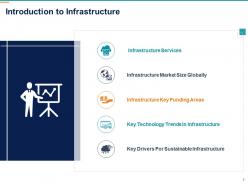
Slide 3: This slide displays Introduction to Infrastructure.
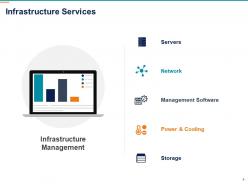
Slide 4: This slide depicts Infrastructure Services with- Infrastructure Management, Servers, Network, Power & Cooling, Storage, Management Software.
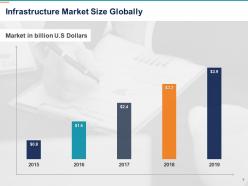
Slide 5: This slide shows Infrastructure Market Size Globally.
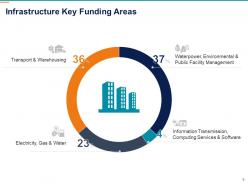
Slide 6: This slide represents Infrastructure Key Funding Areas.
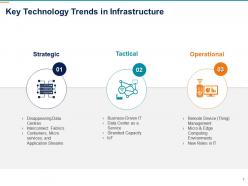
Slide 7: This slide displays Key Technology Trends in Infrastructure.
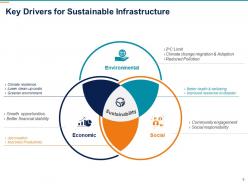
Slide 8: This slide showcases Key Drivers for Sustainable Infrastructure.
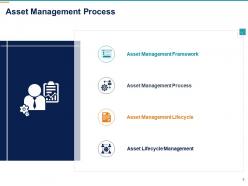
Slide 9: This slide presents Asset Management Process.
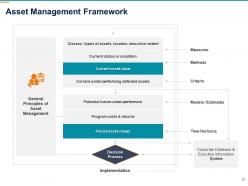
Slide 10: This slide represents Asset Management Framework.
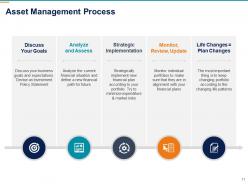
Slide 11: This slide showcases Asset Management Process. Discuss your business goals and expectations. Devise an Investment Policy Statement
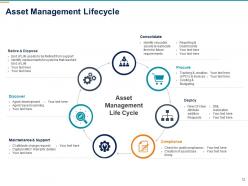
Slide 12: This slide shows Asset Management Lifecycle.
Slide 13: This slide represents Asset Lifecycle Management.
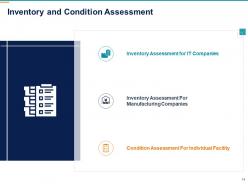
Slide 14: This slide depicts Inventory and Condition Assessment.
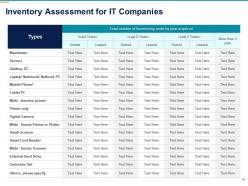
Slide 15: This slide displays Inventory Assessment for IT Companies.
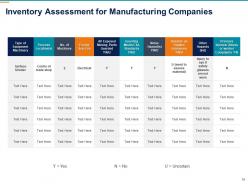
Slide 16: This slide showcases Inventory Assessment for Manufacturing Companies.
Slide 17: This slide depicts Condition Assessment for Individual Facility.
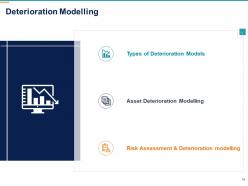
Slide 18: This slide depicts Risk Assessment & Deterioration modelling.
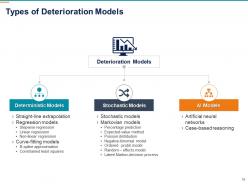
Slide 19: This slide shows Types of Deterioration Models.
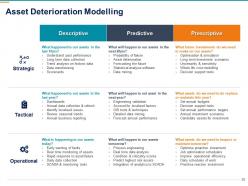
Slide 20: This slide represents Asset Deterioration Modelling.
Slide 21: This slide showcases Risk Assessment and Deterioration Modelling.
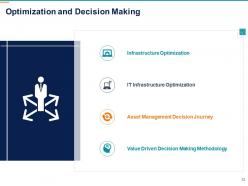
Slide 22: This slide showcases Optimization and Decision Making.
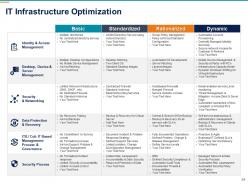
Slide 23: This slide represents Infrastructure Optimization.
Slide 24: This slide displays IT Infrastructure Optimization.
Slide 25: This slide showcases Asset Management Decision Journey.
Slide 26: This slide depicts Value Driven Decision Making Methodology.
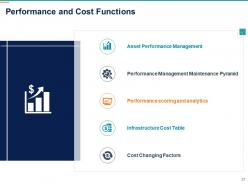
Slide 27: This slide showcases Performance and Cost Functions.
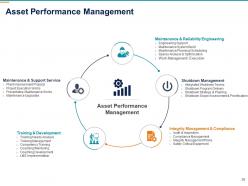
Slide 28: This slide represents Asset Performance Management.
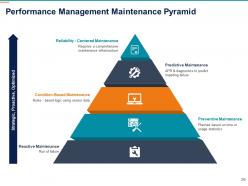
Slide 29: This slide shows Performance Management Maintenance Pyramid.
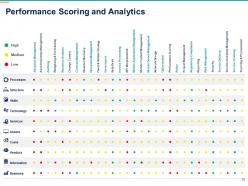
Slide 30: This slide displays Performance Scoring and Analytics- High, Medium, Low.
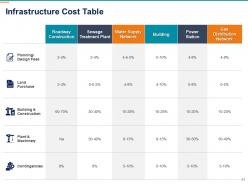
Slide 31: This slide represents Infrastructure Cost Table.
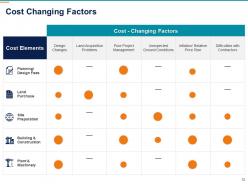
Slide 32: This slide shows Cost Changing Factors.
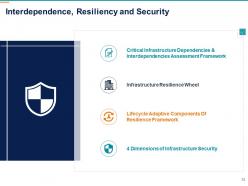
Slide 33: This slide showcases Interdependence, Resiliency and Security.
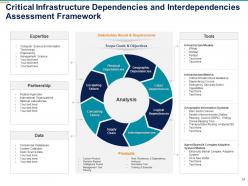
Slide 34: This slide represents Critical Infrastructure Dependencies and Interdependencies Assessment Framework.
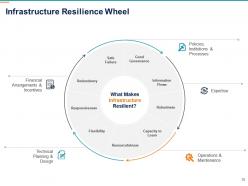
Slide 35: This slide showcases Infrastructure Resilience Wheel.
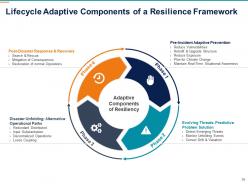
Slide 36: This slide showcases Lifecycle Adaptive Components of a Resilience Framework.
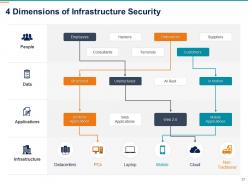
Slide 37: This slide presents 4 Dimensions of Infrastructure Security.
Slide 38: This slide describes Contract and Workflow Management.
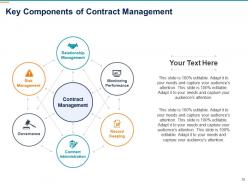
Slide 39: This slide displays Key Components of Contract Management such as- Relationship Management, Monitoring Performance, Record Keeping, Contract Administration, Governance, Risk Management, Contract Management.
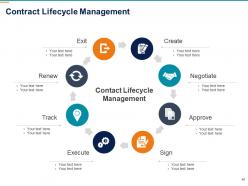
Slide 40: This slide describes Contract Lifecycle Management.
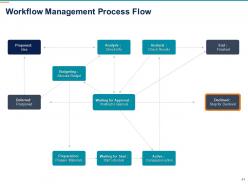
Slide 41: This slide explains Workflow Management Process Flow.
Slide 42: This slide represents Commissioning New Facilities.
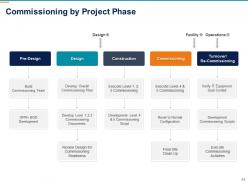
Slide 43: This slide depicts Commissioning by Project Phase.
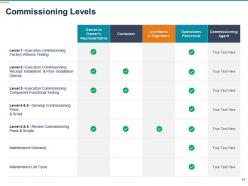
Slide 44: This slide shows Commissioning Levels.
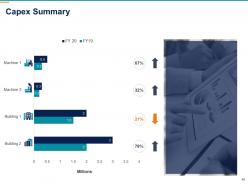
Slide 45: This slide showcases Capex Summary.
Slide 46: This slide represents Capex Summary in percentage.
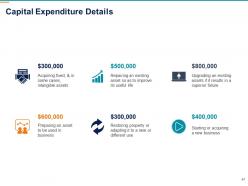
Slide 47: This slide shows Capital Expenditure Details.
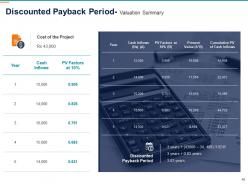
Slide 48: This slide Discounted Payback Period- Valuation Summary.
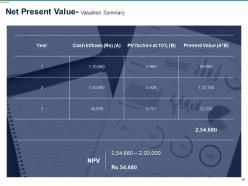
Slide 49: This slide depicts Net Present Value- Valuation Summary.
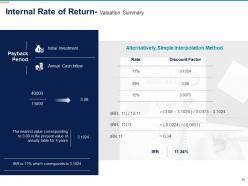
Slide 50: This slide shows Internal Rate of Return- Valuation Summary.
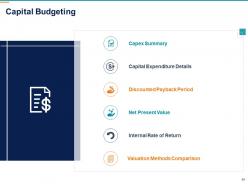
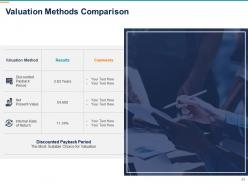
Slide 51: This slide depicts Valuation Methods Comparison.
Slide 52: This slide describes KPI Metrics and Dashboard.
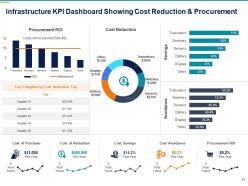
Slide 53: This slide describes Infrastructure KPI Dashboard Showing Cost Reduction & Procurement.
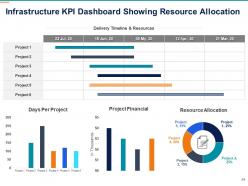
Slide 54: This slide displays Infrastructure KPI Dashboard Showing Resource Allocation.
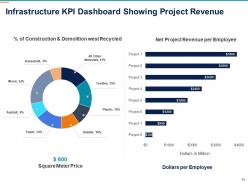
Slide 55: This slide represents Infrastructure KPI Dashboard Showing Project Revenue.
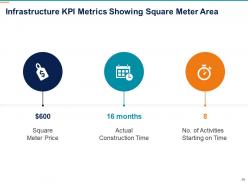
Slide 56: This slide showcases Infrastructure KPI Metrics Showing Square Meter Area.
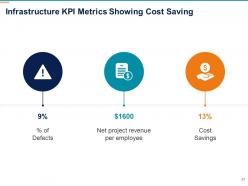
Slide 57: This slide depicts Infrastructure KPI Metrics Showing Cost Saving.
Slide 58: This slide represents Infrastructure Industry Key Stats.
Slide 59: This is Infrastructure Management Icons Slide.
Slide 60: This slide is titled as Additional Slides for moving forward.
Slide 61: This is Our Mission slide with Mission, Vision and Goal.
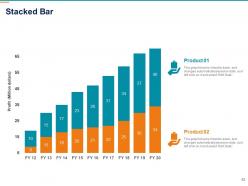
Slide 62: This slide showcases Stacked Bar chart with product comparison.
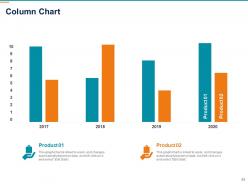
Slide 63: This slide showcases Column Chart with product comparison.
Slide 64: This is Our Team slide with Names and Designations.
Slide 65: This is Our Target slide to showcase the targets of the company.
Slide 66: This slide shows Timeline process.
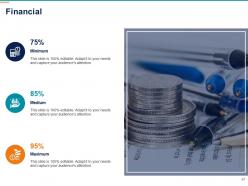
Slide 67: This is Financial slide.
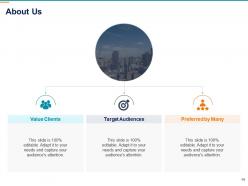
Slide 68: This is About Us slide to showcase Company specifications.
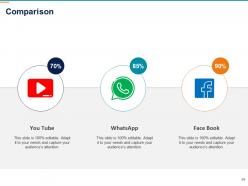
Slide 69: This is Comparison slide showcasing comparison between whatsapp, facebook, youtube.
Slide 70: This is Thank You slide with Address, Email address and Contact number.
Infrastructure management powerpoint presentation slides with all 70 slides:
Ensure your capital continues to grow with our Infrastructure Management Powerpoint Presentation Slides. Be able to add to your bank balance.















FAQs for Infrastructure management
So there's basically five things you gotta get right with infrastructure management. First, monitoring - and honestly, this is where most people screw up because you're flying blind without it. Then you need scheduled maintenance instead of just putting out fires all the time. Asset tracking from when you buy stuff until you throw it away. Security and compliance (obviously). Oh, and capacity planning so you don't get caught with your pants down when traffic spikes. I'd start by figuring out what monitoring tools you've actually got running right now - might surprise you how little visibility you really have.
Dude, IoT sensors and predictive analytics are game-changers for infrastructure stuff. Real-time monitoring gives you data on bridge stress, pipeline pressure - basically everything. You can catch issues before they blow up into expensive disasters. Digital twins let you run simulations without messing with real equipment, which is honestly pretty neat. The real money-saver is when AI spots patterns and tells you exactly when to do maintenance. My buddy's company started with just sensors on their most important assets first. Once they saw the numbers, they rolled it out everywhere. Smart move if you ask me.
Honestly, data analytics is a game changer for infrastructure stuff. Instead of flying blind, you're actually seeing patterns in how your systems behave. Predict failures before they happen. Spot those random usage spikes that always seem to catch you off guard. I mean, it beats the old "hope and pray" method we all used to rely on, right? You can finally do capacity planning that makes sense instead of just guessing. Bottlenecks become obvious way earlier. My advice? Don't overthink it at first - just grab one metric you're already watching and start looking for trends there.
Look, you can't just do risk stuff on the side - weave it right into how you execute everything. Weekly risk check-ins work great for spotting new problems and updating your probability/impact grid. Keep a shared risk tracker the whole team can edit (honestly saves so much confusion later). Here's the thing though - you need backup plans ready BEFORE stuff hits the fan. Set up your warning signs early so you'll actually know when to pull those triggers. Buffer budgets are your friend. Don't be one of those people who documents everything perfectly then just crosses their fingers.
Honestly, get ahead of stuff before it breaks - do regular checkups and replace things based on how they actually look, not just how old they are. Document EVERYTHING because trust me, you'll hate yourself later if you can't remember when that pump got serviced. I've watched whole teams panic because nobody kept decent maintenance records. Put your money toward the most critical systems first. Don't be shy about asking for budget either - bosses need to get that putting off maintenance just makes everything way more expensive down the road. Oh, and start with figuring out what you've actually got first.
Honestly, you've gotta set up regular check-ins with everyone - weekly meetings, shared dashboards, the whole thing. Map out who needs to know what and when they need to know it. I can't tell you how many times I've watched projects completely fall apart because people weren't talking to each other! Get everyone using the same project management tool so they can actually see what's happening with budgets and deadlines. Oh, and pick ONE place where all the real info lives - not scattered across emails and random docs. Start by figuring out how each stakeholder likes to communicate this week.
Honestly, three things will save your sanity here. First - don't wait for stuff to break before fixing it. Regular maintenance is boring but it's way better than 2am emergency calls. Monitor your resource usage so you can scale up before hitting limits, not after everything's on fire. Set up alerts that actually matter (not just spam). Oh, and automate the repetitive stuff if you can. I learned that one the hard way doing manual backups for months like an idiot. Start by figuring out what's most likely to screw you over first.
Look, good infrastructure is basically what makes or breaks local economies. Companies need reliable power, decent roads, and solid internet to actually function - without that stuff, they'll just set up shop somewhere else. Bad infrastructure bleeds money through constant delays and outages. Think of it like trying to run a business with spotty wifi and roads full of potholes - total nightmare. Construction projects create jobs too, which is nice. Honestly, cities should focus on smart investments that fix current problems while planning for future growth. Data helps, but sometimes it's obvious what needs fixing first.
Okay so smart city stuff basically turns everything upside down - instead of waiting for things to break, you get sensors telling you "hey this water pipe's gonna fail next week." Traffic lights, power grids, all that infrastructure can actually communicate now which is honestly pretty cool. The downside? You'll need tech people who actually know what they're doing, plus way better cybersecurity since everything's networked. Oh and don't go crazy trying to digitize your whole city at once - pick one area first and see how it goes. Trust me on that one.
Ugh, regulations will basically control your whole timeline and budget from the start. You've got permitting, environmental stuff, safety checks, zoning - and that's just to break ground. What's annoying is every location has different rules, so your last project experience might be useless here. Oh and they can change requirements halfway through (because why not make it harder?). My advice? Build in extra time and money upfront. Get your regulatory people involved early so they can tell you exactly what bureaucratic nightmare you're walking into. Trust me, you don't want surprises later.
Honestly, you're looking at a ton of moving parts here. Regulatory stuff is probably your biggest pain - every country has different approval processes, environmental rules, labor laws. Currency swings will mess with your budget constantly. Then there's the political risk factor, which can be unpredictable as hell. Language barriers and managing people across time zones? That's just exhausting. Map out all the regulatory requirements first - seriously, do this before anything else. Find solid local partners on both sides. Build detailed backup plans for when currencies go crazy or politics shift. Trust me, you'll need them.
So PPPs are pretty smart - you get government oversight but with private sector speed and cash flow. Companies can actually move fast unlike government bureaucracy, plus they bring real expertise to the table. The public side keeps control of the assets while private partners handle financing and construction, sometimes operations too. Think of it like hiring a contractor who's genuinely invested in making things work long-term. Oh, and definitely nail down those contracts upfront - I've seen too many projects go sideways because someone got lazy with the details. Way better risk management overall though.
Ok so definitely start with availability - that's your main thing. Shoot for 99.9% uptime or whatever your SLA says. Response times matter too because users don't care if it's "technically working" if everything's slow as hell. CPU, memory, disk usage will save you from those lovely 3am wake-up calls when stuff breaks. Error rates and throughput are solid additions. Honestly though, once you nail those basics, just add whatever makes sense for your specific setup. Every system's different so don't overthink it at first.
Honestly, climate change is making infrastructure planning a total nightmare. Extreme weather, rising seas, crazy temperature swings - our current systems just weren't built for this stuff. The biggest shift? Stop playing catch-up and start planning ahead instead. Build in climate projections when you're making decisions about assets. Upgrade materials so they can actually handle future conditions. Critical systems need backups - like, multiple backups. I'd probably start with a vulnerability check on your most important infrastructure first. It's a lot but you gotta start somewhere, right?
Dude, infrastructure is going full AI mode soon. Predictive maintenance will actually stop stuff from breaking instead of just screaming at you afterward. IoT sensors are gonna be everywhere - monitoring bridge stress, water pressure, you name it. Infrastructure-as-code is pretty much standard now (manual deployments feel so 2020). Sustainability metrics aren't optional anymore either. Honestly? Start playing with AIOps tools and maybe learn some basic ML concepts. I know it sounds like a pain, but you'll kick yourself later if you don't. The whole industry's shifting faster than I expected.
No Reviews