


IoT Revolution In Smart Cities Applications Opportunities And Challenges Powerpoint Presentation Slides IoT CD




Try Before you Buy Download Free Sample Product
 Impress Your
 Audience
 100%
100% Editable
 Save Hours
 of Time


Check out our professionally designed IoT Revolution in Smart Cities Applications, Opportunities, and Challenges deck. This Internet of Things PPT discovers the fundamental concepts of Smart Cities and IoT, where innovative technologies converge to transform urban landscapes. Moreover, the IoT in Smart City presentation uncovers the essential components that power IoT in Smart Cities, enabling seamless connectivity and data driven decision making. Furthermore, Smart City PowerPoint explores real world applications of IoT in Smart Cities, from intelligent energy management and education systems to waste and water management, transportation, healthcare, infrastructure, and smart homes. Lastly, the IoT Applications and use cases template delve into insightful case studies showcasing successful IoT deployments in major Smart Cities, illustrating how this technology is shaping the cities of the future. Dont miss this opportunity to be at the forefront of the IoT revolution in Smart Cities. Download our presentation deck now and embrace the boundless possibilities that this transformative technology holds for urban sustainability and progress.
People who downloaded this PowerPoint presentation also viewed the following :
Content of this Powerpoint Presentation
Slide 1: The slide introduces IoT Revolution in Smart Cities Applications Opportunities and Challenges.
Slide 2: This is an Agenda slide. State your agendas here.
Slide 3: The slide displays table of contents for presentation.
Slide 4: The slide continues table of contents.
Slide 5: The slide again describes table of contents further.
Slide 6: This slide provides an overview of smart cities to understand the concept of utilizing technology in a smart city.
Slide 7: This slide provides a brief introduction to the Internet of Things.
Slide 8: This slide highlights the growth of the smart city market size and shares in various aspects.
Slide 9: The slide illustrates title of contents which is to be discussed further.
Slide 10: This slide contains the various hurdles of IoT execution in the smart cities.
Slide 11: The slide covers some of the necessary reasons to deploy IoT for smart city development.
Slide 12: This slide showcases some of the significant challenges faced in implementing IoT in smart city.
Slide 13: This slide continues some of the significant challenges faced in implementing IoT in smart city.
Slide 14: The slide renders Title of contents further.
Slide 15: This slide covers the sensor and monitoring devices of IoT in smart cities.
Slide 16: This slide covers the elements of IoT network technology in smart cities.
Slide 17: This slide covers the elements of IoT data analytic and management processes.
Slide 18: This slide contains the elements of IoT integration and interoperability in smart cities.
Slide 19: The slide displays title of contents further.
Slide 20: This slide covers the overview smart city energy management system utilizing IoT technology.
Slide 21: This slide highlights the various applications of IoT technology for energy management in smart cities operation.
Slide 22: The slide showcases the various use cases of IoT in smart city energy management, along with real examples.
Slide 23: The slide renders another Title of contents.
Slide 24: This slide covers the overview smart city transportation management system utilizing IoT technology.
Slide 25: This slide highlights the various applications of IoT technology for traffic management in smart city operations.
Slide 26: The slide showcases the various use cases of IoT in smart city transportation management, along with real examples.
Slide 27: The slide describes title of contents further.
Slide 28: This slide covers the overview smart city water management system utilizing IoT technology.
Slide 29: This slide showcases the various applications of IoT technology for water management in smart cities.
Slide 30: The slide showcases IoT's various use cases in smart city water management and real examples.
Slide 31: The slide shows title of contents which is to be discussed further.
Slide 32: This slide covers the overview smart city waste management system utilizing IoT technology.
Slide 33: This slide showcases the various applications of IoT technology for waste management in smart cities.
Slide 34: The slide highlights the various use cases of IoT in smart city waste management, along with real examples.
Slide 35: The slide again renders Title of contents further.
Slide 36: This slide covers the overview smart city healthcare management system utilizing IoT technology.
Slide 37: This slide showcases the various applications of IoT technology for healthcare management in smart cities.
Slide 38: The slide displays various use cases of IoT in smart city healthcare management along with real examples.
Slide 39: The slide describes another title of contents.
Slide 40: This slide covers the overview smart city building management system utilizing IoT technology.
Slide 41: This slide shows the various applications of IoT technology for smart buildings in smart cities.
Slide 42: The slide represents IoT's various use cases in smart city building management along with real examples.
Slide 43: The slide illustrates another title of contents further.
Slide 44: This slide covers the overview smart city infrastructure and utility management systems utilizing IoT technology.
Slide 45: This slide showcases the various applications of IoT technology for smart utility and infrastructure in smart cities.
Slide 46: The slide depicts the various use cases of IoT in smart infrastructure and utility management, along with real examples.
Slide 47: The slide illustrates title of contents further.
Slide 48: This slide covers the overview smart city education management system utilizing IoT technology.
Slide 49: This slide showcases the various applications of IoT technology for smart education systems in smart cities.
Slide 50: The slide presents IoT's various use cases in smart education management along with real examples.
Slide 51: The slide demonstrates title of contents which is to be discussed further.
Slide 52: This slide covers the overview smart city home management system utilizing IoT technology.
Slide 53: This slide showcases the various applications of IoT technology for smart home management in smart cities.
Slide 54: The slide highlights various use cases of IoT in smart home management along with real-life examples.
Slide 55: The slide again describes title of contents for presentation.
Slide 56: This slide highlights the case study of Barcelona’s smart city to understand how it implemented IoT technology to enhance city operations.
Slide 57: This slide renders the case study of Songdo’s smart city to understand how it implemented IoT technology to enhance city operations.
Slide 58: This slide shows the case study of Amsterdam’s smart city to understand how it implemented IoT technology to enhance city operations.
Slide 59: This slide showcases the case study of Singapore's smart city to understand how it implemented IoT technology to enhance city operations.
Slide 60: The slide represents another Title of contents.
Slide 61: This slide highlights the dashboard for controlling IoT devices in smart city management operations.
Slide 62: This slide provides a dashboard for controlling IoT devices in smart city waste management operations.
Slide 63: This slide shows all the icons included in the presentation.
Slide 64: This slide is titled as Additional Slides for moving forward.
Slide 65: The slide renders the best practices to deploy IoT in smart cities.
Slide 66: This slide shows Post It Notes. Post your important notes here.
Slide 67: This is an Idea Generation slide to state a new idea or highlight information, specifications etc.
Slide 68: This slide contains Puzzle with related icons and text.
Slide 69: This is Our Goal slide. State your firm's goals here.
Slide 70: This slide depicts Venn diagram with text boxes.
Slide 71: This is a Thank You slide with address, contact numbers and email address.
IoT Revolution In Smart Cities Applications Opportunities And Challenges Powerpoint Presentation Slides IoT CD with all 79 slides:
Use our IoT Revolution In Smart Cities Applications Opportunities And Challenges Powerpoint Presentation Slides IoT CD to effectively help you save your valuable time. They are readymade to fit into any presentation structure.
-
IoT Revolution in Smart Cities Applications Opportunities and Challenges
-
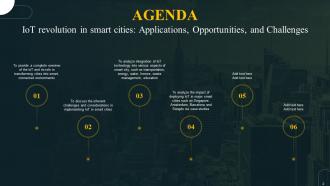
Agenda for IoT revolution in smart cities Applications Opportunities and Challenges
-
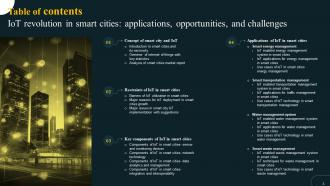
IoT revolution in smart cities applications opportunities and challenges
-
IoT revolution in smart cities applications opportunities and challenges
-
IoT revolution in smart cities applications opportunities and challenges
-
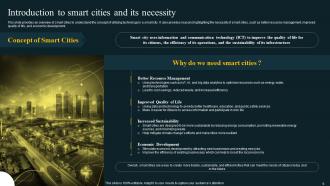
Introduction to smart cities and its necessity
-
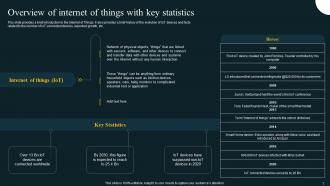
Overview of internet of things with key statistics
-
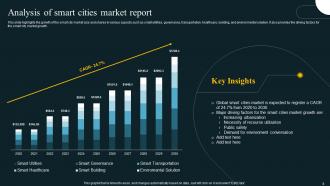
Analysis of smart cities market report
-
IoT revolution in smart cities applications opportunities and challenges
-
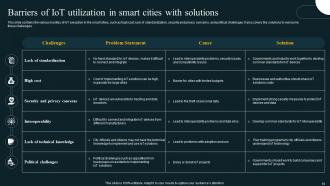
Barriers of IoT utilization in smart cities with solutions
-
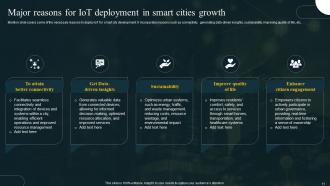
Major reasons for IoT deployment in smart cities growth
-
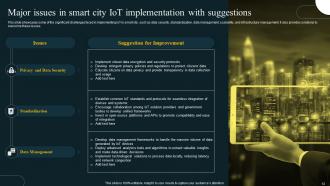
Major issues in smart city IoT implementation with suggestions
-
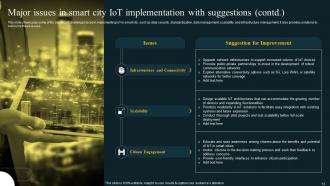
Major issues in smart city IoT implementation with suggestions contd
-
IoT revolution in smart cities applications opportunities and challenges
-
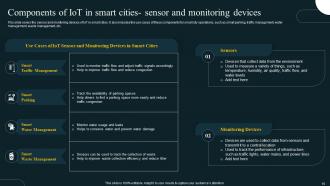
Components of IoT in smart cities sensor and monitoring devices
-
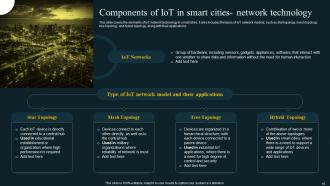
Components of IoT in smart cities network technology
-
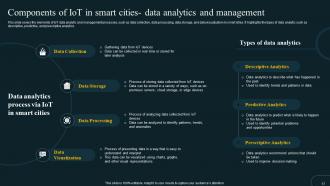
Components of IoT in smart cities data analytics and management
-
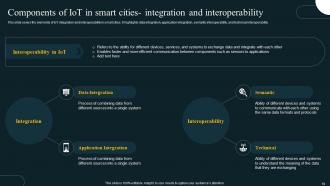
Components of IoT in smart cities integration and interoperability
-
IoT revolution in smart cities applications opportunities and challenges
-
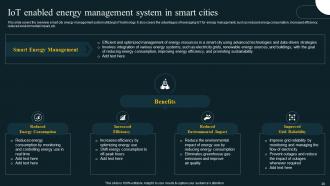
IoT enabled energy management system in smart cities
-
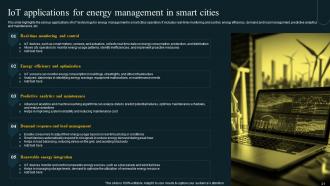
IoT applications for energy management in smart cities
-
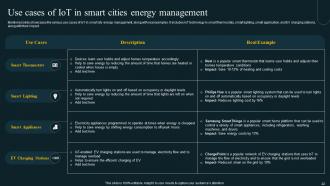
Use cases of IoT in smart cities energy management
-
IoT revolution in smart cities applications opportunities and challenges
-
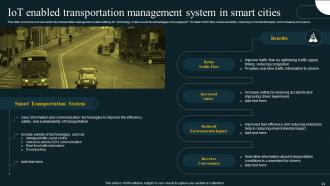
IoT enabled transportation management system in smart cities
-
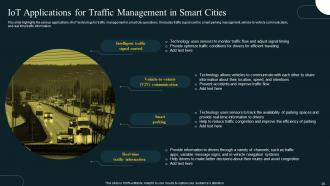
IoT Applications for Traffic Management in Smart Cities
-
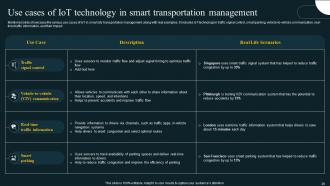
Use cases of IoT technology in smart transportation management
-
IoT revolution in smart cities applications opportunities and challenges
-
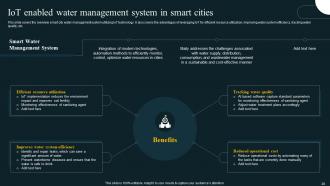
IoT enabled water management system in smart cities
-
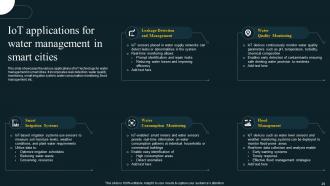
IoT applications for water management in smart cities
-
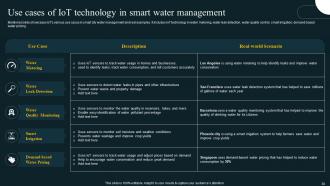
Use cases of IoT technology in smart water management
-
IoT revolution in smart cities applications opportunities and challenges
-
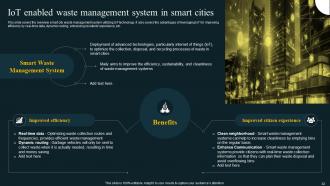
IoT enabled waste management system in smart cities
-
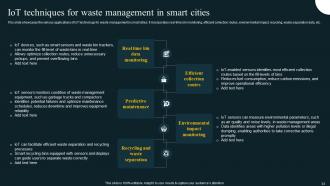
IoT techniques for waste management in smart cities
-
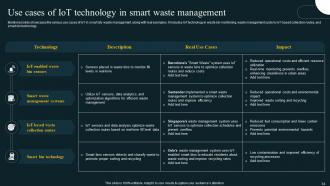
Use cases of IoT technology in smart waste management
-
IoT revolution in smart cities applications opportunities and challenges
-
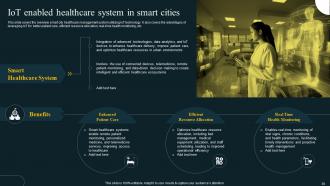
IoT enabled healthcare system in smart cities
-
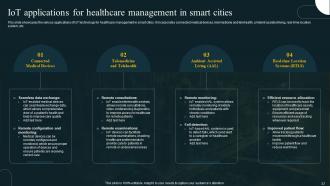
IoT applications for healthcare management in smart cities
-
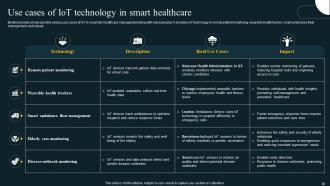
Use cases of IoT technology in smart healthcare
-
IoT revolution in smart cities applications opportunities and challenges
-
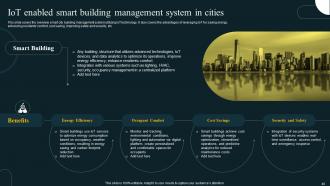
IoT enabled smart building management system in cities
-
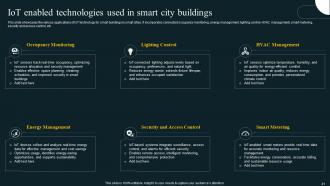
IoT enabled technologies used in smart city buildings
-
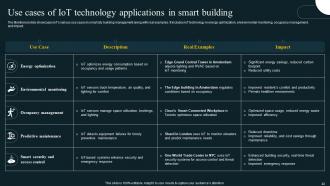
Use cases of IoT technology applications in smart building
-
IoT revolution in smart cities applications opportunities and challenges
-
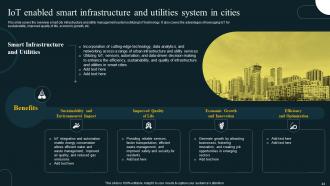
IoT enabled smart infrastructure and utilities system in cities
-
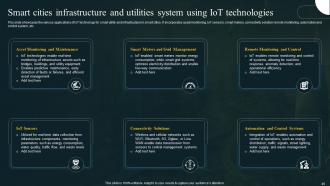
Smart cities infrastructure and utilities system using IoT technologies
-
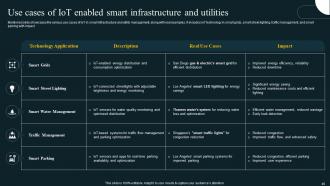
Use cases of IoT enabled smart infrastructure and utilities
-
IoT revolution in smart cities applications opportunities and challenges
-
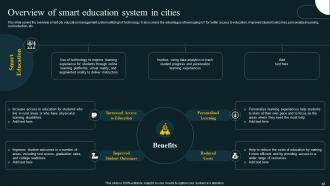
Overview of smart education system in cities
-
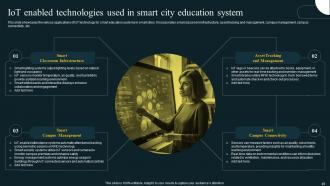
IoT enabled technologies used in smart city education system
-
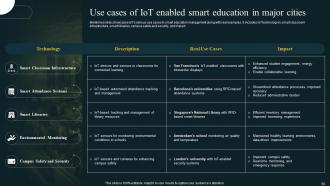
Use cases of IoT enabled smart education in major cities
-
IoT revolution in smart cities applications opportunities and challenges
-
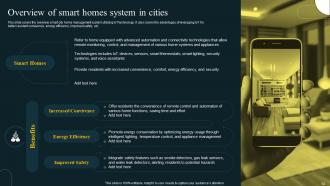
Overview of smart homes system in cities
-
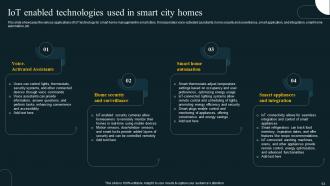
IoT enabled technologies used in smart city homes
-
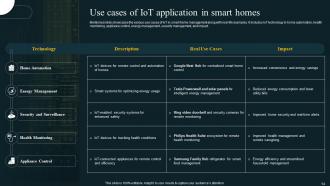
Use cases of IoT application in smart homes
-
IoT revolution in smart cities applications opportunities and challenges
-
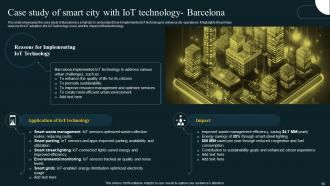
Case study of smart city with IoT technology Barcelona
-
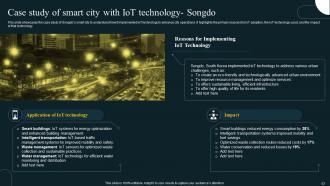
Case study of smart city with IoT technology Songdo
-
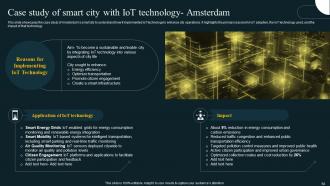
Case study of smart city with IoT technology Amsterdam
-
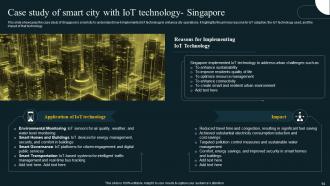
Case study of smart city with IoT technology Singapore
-
IoT revolution in smart cities applications opportunities and challenges
-
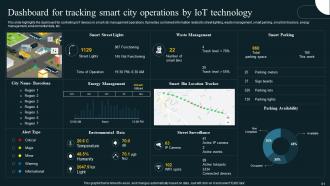
Dashboard for tracking smart city operations by IoT technology
-
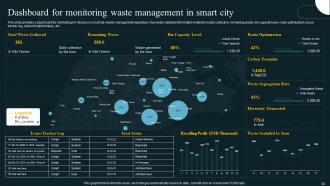
Dashboard for monitoring waste management in smart city
-
Icons slide
-

Additional slides
-
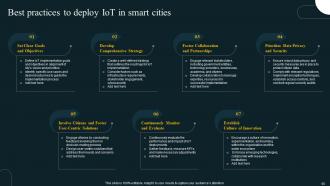
Best practices to deploy IoT in smart cities
-

Post it notes
-
Idea generation
-

Puzzle
-
Our goal
-

Venn
-

Thanks for watching
-

-

-

-

-

-

-

-

FAQs for IoT Revolution In Smart Cities Applications Opportunities And Challenges Powerpoint Presentation
So you've got sensors everywhere collecting data, then connectivity stuff like WiFi or 5G moving it around. Edge computing handles processing locally - honestly that's where things get interesting. Cloud platforms store everything and run analytics, plus you need user interfaces like apps. Security is absolutely critical though, can't stress that enough. Data flows from sensors through gateways to cloud, gets crunched, then either triggers something or shows up on dashboards. It all has to play nice together. My advice? Figure out what you actually want to accomplish first, then pick your tech stack.
Dude, so IoT sensors basically track everything in real-time - water pipes, power grids, traffic lights, all of it. Instead of waiting for stuff to break, cities can catch problems early. Pretty genius when you think about it. Your maintenance crews actually know what needs fixing instead of just wandering around hoping for the best. They can predict when equipment's gonna fail too. Honestly, the cost savings alone make it worth it - less downtime, happier residents. I'd start with whatever's causing you the biggest headaches and see if sensors could help there first.
Honestly, IoT is pretty game-changing for public safety. Cities are installing gunshot detection sensors and air quality monitors that ping authorities instantly when something's up. Connected cameras are everywhere now too. Smart traffic lights can actually clear paths for ambulances - which is wild when you see it happen. Even streetlights are getting smarter, automatically brightening when they detect trouble or someone calling for help. All this feeds into command centers so dispatchers know exactly what's going down and can send the right people fast. If your city's thinking about it, they should definitely start with the sketchy neighborhoods first.
So basically, all those IoT sensors collecting data from traffic lights and air monitors? They're pretty useless without analytics to make sense of it all. You'd just have tons of random numbers sitting there. The magic happens when analytics spots patterns - like predicting where traffic's gonna back up or figuring out which buildings are energy hogs. Real-time processing is where it gets interesting though, since cities can actually fix problems as they happen instead of just documenting them later. Way better than the old "oops, we should've seen that coming" approach.
So basically, IoT sensors can track energy use across your whole city in real-time. Street lights, HVAC, traffic signals - they all adjust automatically based on actual usage instead of just running on timers. Smart grids take that data and distribute renewable energy way more efficiently. Cities waste SO much power without even knowing it, which is wild when you think about it. You can see which neighborhoods are energy hogs and focus efficiency programs there. Start with a pilot program in one area first though. Once you show the money savings to city officials, scaling up gets easier.
Honestly, the tracking thing freaks people out the most - cameras and sensors everywhere watching your every move. Data breaches are huge too since most IoT devices have terrible default passwords that nobody bothers changing. Then there's all the personal info getting sucked up constantly. Who even controls that data once it's out there? Encryption is basically non-existent on a lot of these systems. Oh and the update process for most devices is a joke. You definitely want end-to-end encryption from day one and some solid data policies before launching anything.
So basically these systems work by putting IoT sensors everywhere - roads, traffic lights, cars, you name it. They're constantly collecting data about traffic patterns and road conditions. Then all that info gets fed into central systems that can automatically change traffic light timing or reroute you around jams. Your GPS already does some of this stuff, which is pretty neat. City planners use the data too to figure out where the real problem spots are. Barcelona and Singapore are killing it with these systems if you want to check out some real examples. Honestly makes me wonder why more cities aren't jumping on this.
So basically IoT makes waste collection way less wasteful - sensors in bins tell trucks exactly when to come instead of just driving around on a schedule. Pretty genius honestly. Cities save crazy amounts on fuel costs. The smart bins can sort recyclables too and flag when people throw the wrong stuff in. What's cool is the data shows patterns, like which neighborhoods produce more waste on weekends. Some places even have apps that give you points for recycling properly. My cousin's city tried this and it actually worked. If you're pushing for this, I'd suggest starting small - maybe just downtown areas first to show it pays off.
So basically, IoT lets you actually talk to your city in real time. Got a pothole ruining your commute? Broken streetlight making your block sketchy? Just snap a pic through your phone and boom - the city knows exactly where to send someone. You also get live updates on stuff like air quality and traffic (which honestly saves me so much time). They're even rolling out digital voting for local issues in some places. Oh, and you can actually see what's happening with city services instead of wondering where your tax money goes. Definitely bug your city council about getting these apps.
Singapore's absolutely crushing it with their Smart Nation thing - sensors tracking everything from traffic to air quality citywide. Barcelona saved millions just on smart lighting and waste systems. Amsterdam's doing cool circular economy stuff with IoT, and Copenhagen's carbon neutrality projects honestly make everyone else look lazy. Oh, and Toronto's Quayside project is worth looking into, plus Dubai has this crazy comprehensive smart city dashboard. But here's the thing - don't try to boil the ocean right away. Pick one area like parking or streetlights first, prove it actually saves money, then expand from there. Way less overwhelming that way.
So basically, you need rock-solid network infrastructure or your IoT stuff is useless. 5G and fiber are your friends here - they handle all that data streaming from traffic sensors, air monitors, energy trackers, whatever. It's like the city's nervous system, honestly. Without decent "nerves," everything falls apart. The tricky part? You can't just focus on downtown areas (though that's what most cities do first). Coverage needs to be everywhere, plus you'll want backup systems so one failure doesn't kill everything. Bandwidth bottlenecks will ruin your day otherwise.
So for IoT stuff in smart cities, MQTT and CoAP are solid choices for communication protocols - they're lightweight and don't bog down your devices. LoRaWAN handles the long-range, low-power connections really well. Short-range mesh networks? That's where Zigbee and Thread shine. WiFi variants cover your broader connectivity needs, obviously. The whole standards thing can feel like drowning in acronyms, not gonna lie. But oneM2M is actually pretty useful as your main framework since it connects all the pieces together. I'd start by figuring out what protocols your current devices use, then see where you've got gaps.
So basically, cities can use IoT sensors to track air quality, water issues, and how crowded areas get - all in real-time. This helps catch health problems early, like flu patterns or pollution spikes. Wearables and health kiosks can gather anonymous data too, though honestly the privacy stuff makes me a bit nervous. The cool part is combining everything to predict where disease clusters might pop up. My buddy's city started with just air quality sensors since they're pretty affordable - probably your best bet to start there. You'll get immediate value for tracking respiratory stuff without breaking the budget.
Yeah, the initial investment is brutal - we're talking millions for all the sensors and tech infrastructure. But most cities break even in 3-5 years from the savings alone. Smart lighting cuts energy bills, better traffic flow means less road repairs, and predictive maintenance stops those expensive emergency fixes before they happen. Some places slash their utility costs by 20-30% which is honestly pretty impressive. My advice? Start small with pilot projects in areas where you'll see quick wins. Going full smart city right away is just asking for trouble and budget overruns.
So IoT makes public transit way less annoying, honestly. Real-time tracking means you'll actually know when your bus is coming instead of just hoping for the best. Smart sensors figure out crowded routes and can even mess with traffic lights to help buses move faster. Payment gets easier too - just tap your card or phone and you're good. Cities get better data to fix their crappy scheduling (sorry, had to). The whole thing just makes commutes more predictable. Check if your city has those transit apps yet - they're actually pretty helpful for planning trips without the guesswork.
-
“Thank you to the SlideTeam. Your presentations look really skillful and have made my life so much easier.”
-
SlideTeam never fails to surprise me with its amazing PPT designs. Thanks team for providing me with your constant support!