


Diapositivas de presentación de PowerPoint del Programa de capacitación y desarrollo de liderazgo para gerentes




Try Before you Buy Download Free Sample Product
 Impress Your
 Audience
 100%
100% Editable
 Save Hours
 of Time


Consulte nuestra plantilla Programa de capacitación y desarrollo de liderazgo para gerentes, seleccionada profesionalmente. Cubre programas de capacitación y desarrollo para gerentes y líderes de todos los niveles. Nuestro programa de desarrollo de habilidades contiene un plan de capacitación integral que desarrolla las competencias necesarias para el liderazgo personal, de equipo y organizacional. Muestra una evaluación de la brecha de habilidades para identificar las necesidades de capacitación para mejorar el desempeño en sus roles de liderazgo actuales. Además, nuestro PPT de gestión de liderazgo proporciona una lista de competencias para llenar el vacío de habilidades con el programa de capacitación adecuado para gerentes primerizos, de nivel medio y de nivel superior. Cubre programas de desarrollo de habilidades de liderazgo para comprender los estilos personales de liderazgo. Además, nuestro módulo de desarrollo ejecutivo exhibe capacitación en gestión de equipos para desarrollar habilidades para lograr objetivos mientras se gestiona a personas de diferentes culturas y atributos. Por último, le proporciona una plantilla de planificación presupuestaria para analizar el costo de los programas de capacitación y varias herramientas de evaluación para evaluar el desempeño de los líderes y gerentes, como el modelo de retroalimentación de 360 grados, modelo DISC Dominancia, Influencia, Estabilidad, Conciencia, modelo ESCI Inventario de Competencias Emocionales y Sociales, etc. Obtenga acceso instantáneo.
People who downloaded this PowerPoint presentation also viewed the following :
Contenido de esta presentación de Powerpoint
Diapositiva 1 : Esta diapositiva presenta el Programa de Capacitación y Desarrollo de Liderazgo para Gerentes. Comience indicando el nombre de su empresa.
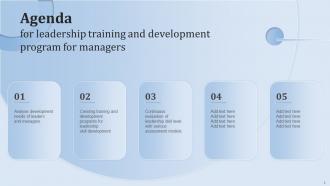
Diapositiva 2 : Esta diapositiva muestra la Agenda de la presentación.
Diapositiva 3 : Esta diapositiva incorpora la Tabla de contenido.
Diapositiva 4 : esta diapositiva resalta el título de los temas que se tratarán más a fondo.
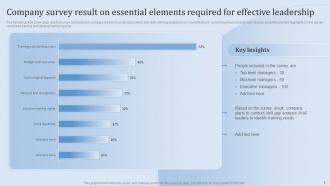
Diapositiva 5 : Esta diapositiva muestra el resultado de la encuesta de la empresa sobre los elementos esenciales necesarios para un liderazgo eficaz.
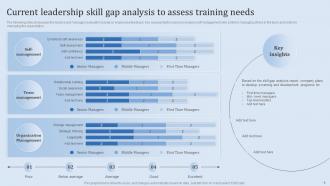
Diapositiva 6 : Esta diapositiva muestra el análisis de la brecha de habilidades de liderazgo actual para evaluar las necesidades de capacitación.
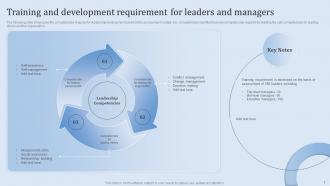
Diapositiva 7 : Esta diapositiva muestra el requisito de Capacitación y desarrollo para líderes y gerentes.
Diapositiva 8 : Esta diapositiva muestra el encabezado de los contenidos que se discutirán a continuación.
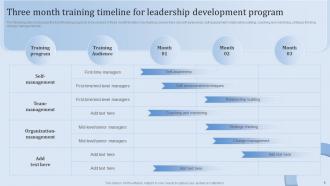
Diapositiva 9 : Esta diapositiva revela el cronograma de capacitación de tres meses para el programa de desarrollo de liderazgo.
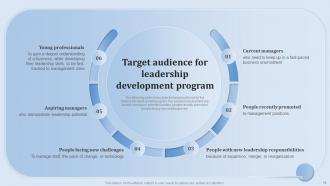
Diapositiva 10 : Esta diapositiva presenta la audiencia objetivo para el programa de desarrollo de liderazgo.
Diapositiva 11 : esta diapositiva indica el título de las ideas que se cubrirán en la próxima plantilla.
Diapositiva 12 : Esta diapositiva muestra las Cuatro E del plan de desarrollo de liderazgo.
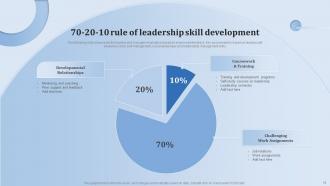
Diapositiva 13 : Esta diapositiva muestra la regla 70-20-10 del desarrollo de habilidades de liderazgo.
Diapositiva 14 : Esta diapositiva revela el encabezado de las ideas que se discutirán a continuación.
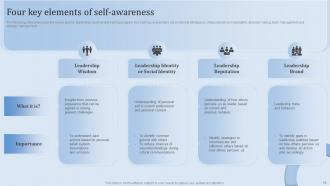
Diapositiva 15 : Esta diapositiva muestra los cuatro elementos clave de la autoconciencia.
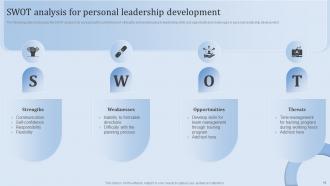
Diapositiva 16 : Esta diapositiva muestra el análisis DAFO para el desarrollo del liderazgo personal.
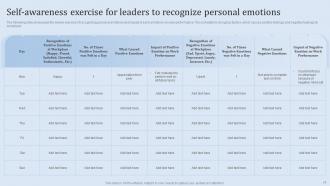
Diapositiva 17 : Esta diapositiva muestra el ejercicio semanal de reconocer las emociones personales y el impacto de cada emoción en el desempeño laboral.
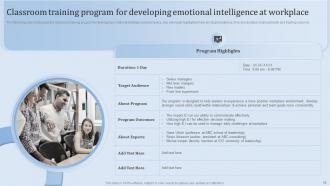
Diapositiva 18 : Esta diapositiva revela el programa de capacitación en el aula para desarrollar la inteligencia emocional en el lugar de trabajo.
Diapositiva 19 : esta diapositiva indica el título de los contenidos que se tratarán más adelante.
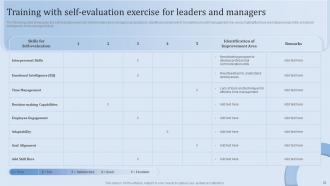
Diapositiva 20 : Esta diapositiva establece el ejercicio de autoevaluación para identificar el nivel personal de competencia en la autogestión.
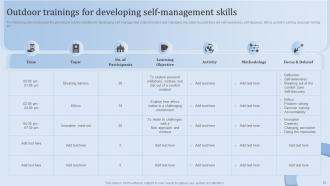
Diapositiva 21 : Esta diapositiva muestra los entrenamientos al aire libre para desarrollar habilidades de autogestión.
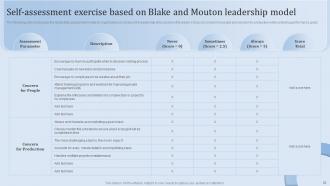
Diapositiva 22 : Esta diapositiva revela el ejercicio de autoevaluación basado en el modelo de liderazgo de Blake y Mouton.
Diapositiva 23 : Esta diapositiva muestra el encabezado de las ideas que se discutirán a continuación.
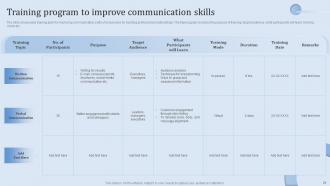
Diapositiva 24 : Esta diapositiva muestra un plan de capacitación para mejorar las habilidades de comunicación de los empleados para construir relaciones profesionales.
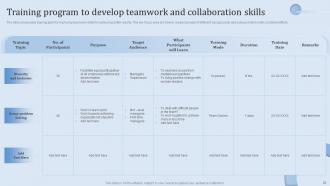
Diapositiva 25 : La diapositiva presenta el plan de capacitación para mejorar las habilidades de trabajo en equipo para lograr mejores resultados.
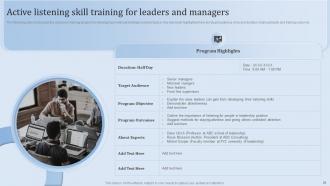
Diapositiva 26 : Esta diapositiva habla sobre la capacitación en habilidades de escucha activa para líderes y gerentes.
Diapositiva 27 : Esta diapositiva muestra un plan de capacitación para mejorar las habilidades de trabajo en equipo para lograr mejores resultados.
Diapositiva 28 : esta diapositiva muestra el título del contenido que se cubrirá en la próxima plantilla.
Diapositiva 29 : La siguiente diapositiva muestra los programas de capacitación destinados a minimizar los efectos de los conflictos en todos los niveles.
Diapositiva 30 : Esta diapositiva menciona el programa de Capacitación para desarrollar el pensamiento estratégico.
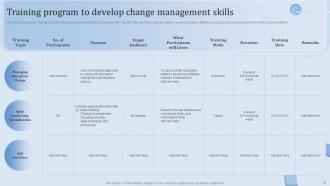
Diapositiva 31 : esta diapositiva muestra el programa de capacitación para desarrollar habilidades de gestión del cambio.
Diapositiva 32 : Esta diapositiva revela el encabezado de los temas que se discutirán a continuación.
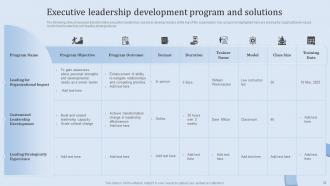
Diapositiva 33 : La siguiente diapositiva muestra cursos de liderazgo ejecutivo transformador para desarrollar líderes en la parte superior de la organización.
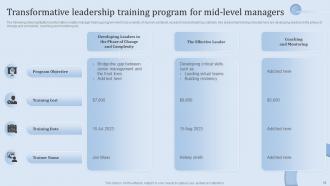
Diapositiva 34 : Esta diapositiva presenta el programa de capacitación en liderazgo transformativo para gerentes de nivel medio.
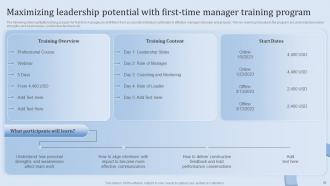
Diapositiva 35 : Esta diapositiva se enfoca en Maximizar el potencial de liderazgo con un programa de capacitación para gerentes primerizos.
Diapositiva 36 : esta diapositiva incluye el título de los temas que se cubrirán en la próxima plantilla.
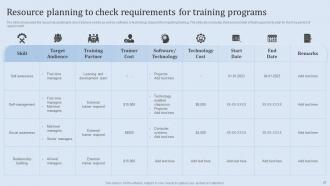
Diapositiva 37 : Esta diapositiva muestra la planificación de recursos para verificar los requisitos de los programas de capacitación.
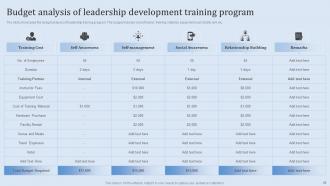
Diapositiva 38 : La diapositiva muestra el análisis del presupuesto del programa de capacitación en liderazgo.
Diapositiva 39 : Esta diapositiva revela el gasto promedio en desarrollo de liderazgo por persona.
Diapositiva 40 : Esta diapositiva contiene el encabezado de los contenidos que se discutirán a continuación.
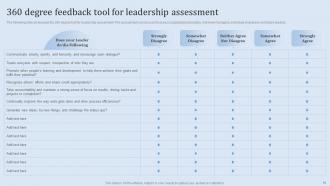
Diapositiva 41 : La siguiente diapositiva muestra la herramienta de 360 grados para la evaluación del liderazgo.
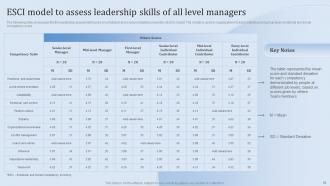
Diapositiva 42 : Esta diapositiva presenta el modelo ESCI para evaluar las habilidades de liderazgo de los gerentes de todos los niveles.
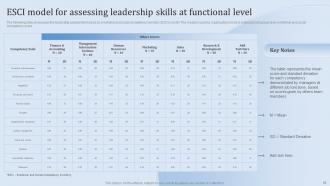
Diapositiva 43 : Esta diapositiva muestra el modelo ESCI para evaluar las habilidades de liderazgo a nivel funcional.
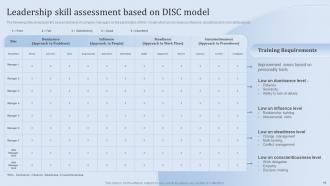
Diapositiva 44 : Esta diapositiva muestra el nivel de evaluación de los gerentes de la empresa sobre los parámetros del modelo DISC.
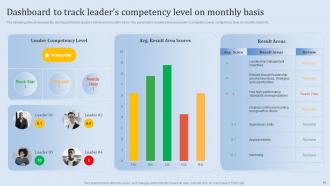
Diapositiva 45 : Esta diapositiva representa el Tablero para rastrear el nivel de competencia del líder mensualmente.
Diapositiva 46 : esta es la diapositiva de iconos que contiene todos los iconos utilizados en el plan.
Diapositiva 47 : Esta diapositiva se utiliza para mostrar información adicional.
Diapositiva 48 : Esta es la diapositiva Acerca de nosotros. Indique aquí la información relacionada con su empresa.
Diapositiva 49 : Esta es nuestra diapositiva de misión que contiene la misión, la visión y los valores de la organización.
Diapositiva 50 : Esta es la diapositiva de generación de ideas para fomentar nuevas ideas.
Diapositiva 51 : Esta es la diapositiva del plan de 30 60 90 días para una planificación efectiva.
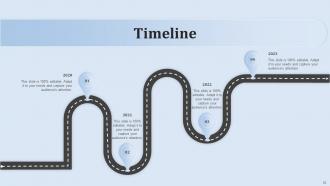
Diapositiva 52 : Esta diapositiva muestra la línea de tiempo de la empresa.
Diapositiva 53 : esta es la diapositiva del rompecabezas con imágenes relacionadas.
Diapositiva 54 : esta diapositiva contiene las notas Post-it para recordatorios y fechas límite.
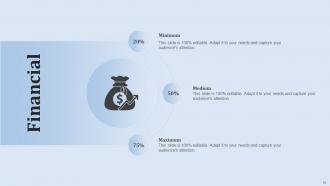
Diapositiva 55 : Esta diapositiva aclara información relacionada con el tema financiero.
Diapositiva 56 : Esta es la diapositiva de agradecimiento por reconocimiento.
Programa de Capacitación y Desarrollo de Liderazgo para Gerentes diapositivas de presentación de PowerPoint con las 61 diapositivas:
Utilice nuestras diapositivas de presentación en power point del Programa de capacitación y desarrollo de liderazgo para gerentes para ayudarlo de manera efectiva a ahorrar su valioso tiempo. Están listos para encajar en cualquier estructura de presentación.

















FAQs for Leadership Training and Development Program for Managers
Honestly, start with communication and emotional intelligence - those two will carry you far. Decision-making and delegation are clutch too. I'd also work on coaching people and handling conflict because... man, team drama can derail everything if you don't know how to deal with it. Strategic thinking becomes more important as you climb higher since you'll need that big-picture perspective. Oh, and don't try to fix everything at once. Pick maybe two areas where you're really struggling and find training that's hands-on, not just boring theory stuff. You'll see progress way faster that way.
Start with surveys and interviews to figure out what leadership gaps you actually have. Different industries need totally different approaches - tech startup advice won't help a hospital, obviously. Look at your leaders' experience levels and how they like to learn. Maybe you need remote management skills, maybe it's conflict resolution or change management. The real trick is finding training providers who'll ditch the generic case studies (ugh, those are the worst) and build stuff around scenarios your people actually deal with. Don't let them just copy-paste some cookie-cutter program.
Honestly, EQ is everything in leadership training now. You can't lead people if you can't read the room or manage your own reactions - seems obvious but so many managers miss this. Most programs focus heavily on self-awareness and empathy because nobody wants to work for someone who's emotionally clueless. The technical skills matter, sure, but emotional intelligence is what makes the difference between decent and exceptional leaders. My advice? Ask people how they actually perceive your emotional responses. Fair warning though - it'll probably surprise you more than you expect.
Honestly, tech can totally transform how you approach leadership training. VR simulations let you practice those awkward difficult conversations without bombing in real life - pretty cool stuff. Mobile apps are clutch for learning during your commute (though I still prefer podcasts sometimes). AI platforms actually adapt to how you learn best, which beats sitting through generic workshops. The video analysis thing is wild - it'll record your presentations and break down your body language. Short bursts of micro-learning work way better than cramming everything into day-long seminars. Just don't get caught up in flashy tools that don't match what you're actually trying to improve.
Case studies work so well because people get to mess up without actual consequences. You'll see how your team really thinks under pressure - way better than boring theory lectures. The debates afterward? That's where the magic happens. I swear, watching people argue over different approaches teaches them more than any textbook. Short, punchy scenarios keep everyone engaged too. Your trainees leave with stuff they can actually use, not vague concepts they'll forget. Oh, and definitely pull cases from your own industry if you can - makes it hit different when they recognize the situation.
Honestly, feedback and assessment totally change the game because they make leadership training actually stick. Instead of just crossing your fingers and hoping people learned something, you get real data on what's working. People retain way more when they know they'll be assessed - it's just human nature, like cramming harder when there's a test. Plus you can fix problems mid-training instead of finding out at the end that half your content bombed. I'd start with quick feedback sessions after each module and throw in some simple self-assessments to track where everyone's at.
So you need to track both quick wins and long-term stuff. Hit them with feedback surveys right after training - that's your immediate pulse check. Then do 360 reviews like 3-6 months out to catch actual behavior shifts. Honestly, leadership eats up the hard numbers, so track engagement scores, retention rates, promotion rates for your graduates. Get managers and peers watching if people actually use what they learned too. Oh and this is crucial - measure everything before you start the program. Otherwise you're basically throwing darts in the dark trying to prove impact later.
Honestly, the best approach is mixing D&I into real scenarios instead of boring standalone modules. Get your leaders practicing actual situations - like spotting hiring bias or dealing with team conflicts. Role-playing works way better than lectures, trust me. One thing that's really effective? Pairing leaders with mentors from totally different backgrounds. Way more impactful than workshops. Make it hands-on, not just theory. Start by looking at what you've already got and find spots where these scenarios would actually fit naturally.
Honestly, you've got maybe 2-3 weeks max before this stuff starts getting fuzzy in your head. Set up some kind of knowledge share - could be a workshop, lunch thing, whatever works for your team. Don't just talk at them though, that's boring as hell. Make it interactive with practice stuff. Pick your top 2-3 takeaways first, then build around those. Oh, and definitely create some simple reference sheets they can actually use later. I've watched so many managers come back from great training and then... nothing. Total waste of money and time.
Honestly, having a mentor is way better than just reading leadership books all day. You get real feedback on stuff you're actually dealing with, not generic advice. Someone who's been in your shoes can tell you what actually works vs what just sounds smart. Plus it goes both ways - mentors get better at their own thing by helping you figure yours out. The accountability piece is huge too. When someone's checking in on you, you can't just blow off trying new approaches. Oh and try to find someone maybe 2-3 levels up from where you are now. That sweet spot where they remember your struggles but have enough perspective to guide you.
Oh man, the biggest pain is getting people to actually USE what they learn after training. Like, they'll sit through sessions but then go back to their old habits immediately. Leadership development is super slow too - not like teaching someone Excel where you see instant results. ROI measurement becomes this whole nightmare since you can't really quantify "better leadership." Most programs are way too generic anyway. Here's what actually works: use real scenarios from your company and check in with people weeks later to see if they're applying anything. Otherwise you're just burning budget on feel-good workshops that don't stick.
So here's the thing - good leadership training teaches you to make your team feel safe enough to pitch crazy ideas without getting shot down. Instead of always being the one with answers, you learn to ask better questions. Trust me, that shift alone changes everything. People actually start contributing instead of just nodding along. You'll also learn how to make failure feel less scary (honestly most teams need this badly) and pick up some solid techniques for running brainstorming sessions. Oh, and how to get different perspectives from everyone, not just the loud voices. Try implementing just one new thing from whatever training you do next.
Dude, you've gotta get your hands dirty if you want to actually lead people. Reading about leadership is fine, but real experience is where it clicks. Simulations, tough projects, cross-functional stuff - that's where you figure out how you handle pressure. I can't tell you how many people I know who sound great in meetings but completely fall apart when there's an actual crisis or they need to have a hard conversation with someone. It builds confidence too. Start small - volunteer for projects nobody else wants or ask to lead something. You'll develop your own style naturally.
Ugh, virtual training can be brutal if you just talk at people for an hour straight. Break things up every 10-15 minutes - throw in breakout rooms, quick polls, maybe some role-playing with actual scenarios they'd face. Gamification works too, like leadership challenges or competitions between teams. The key is getting them actively participating instead of zoning out. I mean, nobody wants another boring webinar where they're secretly checking email, right? Peer feedback sessions are gold. Oh, and start with an icebreaker poll about their biggest leadership headaches - gets everyone engaged right away.
Honestly, staying curious as a leader changes everything. Your team notices when you've checked out mentally - it's weird how obvious it gets. I pick up random stuff constantly: podcasts during commutes, asking my people what they're seeing that I'm missing. Keeps me sharp for decisions and way better at navigating changes instead of just panicking. Doesn't need to be fancy MBA courses or whatever. Even mentoring someone else teaches you things. Try learning one new thing weekly that actually affects how you lead people. Small commitment, but it compounds fast.
-
What a stunning collection of customizable templates! Really a time-saver..
-
Innovative and attractive designs.