


Maintaining Health And Safety At Workplace Powerpoint Presentation Slides




Try Before you Buy Download Free Sample Product
 Impress Your
 Audience
 100%
100% Editable
 Save Hours
 of Time


Workplace safety refers to the provision of a safe working environment, with the limitation of elements that can cause damage, injury, and other negative outcomes in the workplace. Check out our professionally designed Maintaining Health and Safety at Workplace PowerPoint presentation. First, this deck covers the problems related to workplace incidents which include occupational diseases, occupation of fatal and injured employees, and safety violations by employees. Additionally, it covers the causes of accidents, and the impact of accidents on employees and organizations. It also highlights why there is a need for workplace safety with detailed objectives. Moreover, this deck covers how to examine risks and hazards, It also lays emphasis on hazard identification and their control measures which includes air compressor hazards and safety guidelines, fire hazards and safety guidelines, Injuries from power tools with safety guidelines, chemical hazards with safety guidelines, and drug and alcohol abuse with safety guidelines. At last, it includes the recommended practices for safety management, penalties for non compliance, and the positive impact of workplace safety in an organization. Download this deck now.
People who downloaded this PowerPoint presentation also viewed the following :
Content of this Powerpoint Presentation
Slide 1: This slide displays the title Maintaining Health and Safety at Workplace.
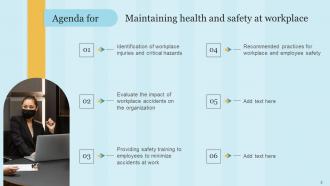
Slide 2: This slide displays the title Agenda for Maintaining health and safety at workplace.
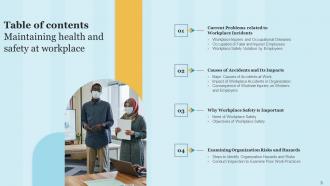
Slide 3: This slide exhibit table of content.
Slide 4: This slide exhibit table of content.
Slide 5: This slide exhibit table of content- Current Problems related to Workplace Incidents.
Slide 6: This slide highlights the workplace injuries and occupational diseases.
Slide 7: This slide highlights the occupation of fatal and injured employees on the organization.
Slide 8: This slide showcases the common safety violation by employees at worksite, including the scaffolds accidents, electrical wiring, lockout/tagout and chemicals.
Slide 9: This slide exhibit table of content- Causes of accidents and Its impacts.
Slide 10: This slides highlights the key reason of accidents at work.
Slide 11: The following slide highlights the effect of workplace accidents on the organization.
Slide 12: This slide highlights the consequences of accidents on workers and employers which includes loss of job, loss of income, and damage to organization equipment's etc.
Slide 13: This slide exhibit table of content- Why workplace safety is important.
Slide 14: This slide highlights the need or importance of workplace safety at organization.
Slide 15: The following slide highlights the major objectives for workplace safety in accordance with organization.
Slide 16: This slide exhibit table of content- Examining organization risk and hazards
Slide 17: This slide highlights the four steps to identify the organization risks.
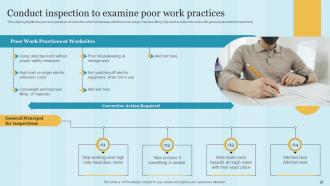
Slide 18: This slide highlights the poor work practices at worksites which showcases defective tools usage,high load at extension cords with general principal for inspections.
Slide 19: This slide exhibit table of content- Hazard identification and control measures
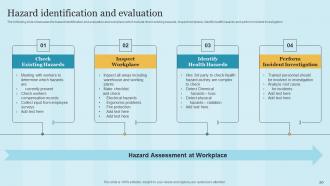
Slide 20: The following slide showcases the hazard identification and evaluation and workplace.
Slide 21: This slide highlights the hard prevention and control measures.
Slide 22: This slide highlights the common air compressor hazards.
Slide 23: This slides highlights the operational safety guidelines to minimize air compressor hazards.
Slide 24: This slide highlights the different fire hazards including flammable materials, dust and debris, overusing power socket and smoking at workplace with
Slide 25: This slide highlights the measures to control fire at workplace.
Slide 26: This slide showcases the common injuries caused by power tools.
Slide 27: This slide highlights the safety guidelines which showcases the general precautions while handling power tools to prevent accidents.
Slide 28: This slide highlights the different hazards from chemical at workplace.
Slide 29: The following slide showcases the steps or measures for chemical hazards at organization.
Slide 30: The following slide highlights the problems with excessive drug and alcohol at workplace.
Slide 31: This slide highlights the preventive and detective measures for alcohol abuse.
Slide 32: This slide exhibit table of content- Recommended practices for safety management.
Slide 33: This slide highlights the importance of management leadership for workplace safety.
Slide 34: This slide highlights the worker participation to remove safety risks.
Slide 35: This slide highlights the safety training program for workers.
Slide 36: This slide showcases the assessment and improvement of safety program.
Slide 37: This slide highlights the coordination with contractors and staffing center by host employer.
Slide 38: This slide exhibit table of content- Penalties for non compliance of safety guideline.
Slide 39: The following slide highlights the disciplinary action against employees for not complying the rules and safety guidelines.
Slide 40: This slide exhibit table of content- Impact of workplace safety In organization.
Slide 41: This slide highlights the positive impacts of workplace safety training program.
Slide 42: This slide highlights the positive impacts from the workplace safety.
Slide 43: This slide exhibit table of content- Dashboard for workplace safety.
Slide 44: This slide highlights the dashboard which showcase the critical incidents, incident cost, injury consequence, type of incident and severity level of the injury.
Slide 45: This slide highlights the workplace safety dashboard which showcase incidents per employee, incidents by total and top injuries by body part.
Slide 46: This slide presents title for additional slides.
Slide 47: This slide highlights the recommended practices for safety management at organization level.
Slide 48: This slide highlights the pictograms of chemical hazards.
Slide 49: This is the icons slide.
Slide 50: This slide exhibits yearly timeline of company.
Slide 51: This slide depicts posts for past experiences of clients.
Slide 52: This slide showcase Column chart for two different products.
Slide 53: This slide shows roadmap of company.
Slide 54: This slide depicts 30-60-90 days plan for projects.
Slide 55: This slide shows puzzle for displaying elements of company.
Slide 56: This slide showcase Our target.
Slide 57: This is thank you slide & contains contact details of company like office address, phone no., etc.
Maintaining Health And Safety At Workplace Powerpoint Presentation Slides with all 62 slides:
Use our Maintaining Health And Safety At Workplace Powerpoint Presentation Slides to effectively help you save your valuable time. They are readymade to fit into any presentation structure.
-
Maintaining Health and Safety at Workplace
-
Maintaining health and safety at workplace
-
Maintaining health and safety at workplace
-
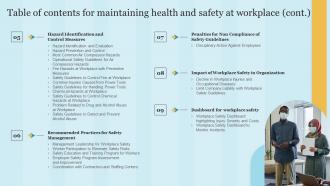
Table of contents for maintaining health and safety at workplace cont
-
Maintaining health and safety at workplace
-
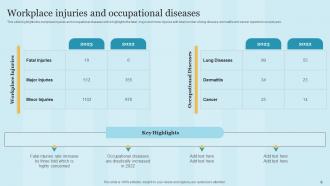
Workplace injuries and occupational diseases
-
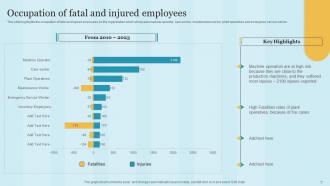
Occupation of fatal and injured employees from 2010 to 2023
-
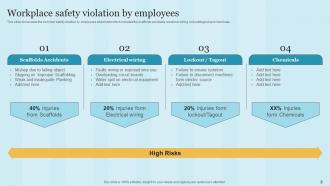
Workplace safety violation by employees
-
Maintaining health and safety at workplace
-
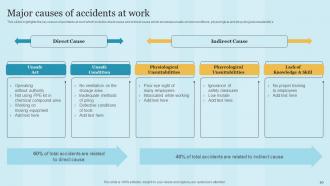
Major causes of accidents at work
-
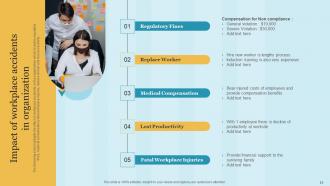
Impact of workplace accidents in organization
-
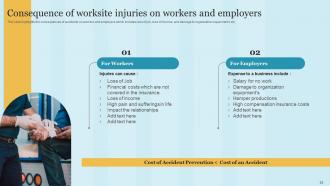
Consequence of worksite injuries on workers and employers
-
Maintaining health and safety at workplace
-
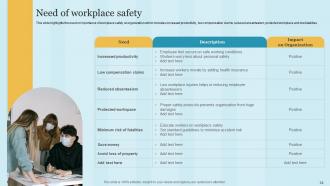
Need of workplace safety
-
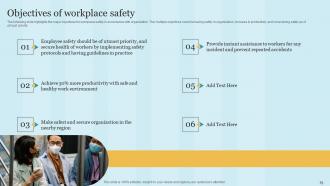
Objectives of workplace safety
-
Maintaining health and safety at workplace
-

Steps to identify organization hazards and risks
-
Conduct inspection to examine poor work practices
-
Maintaining health and safety at workplace
-
Hazard identification and evaluation
-
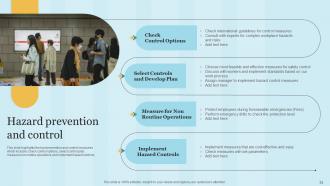
Hazard prevention and control
-
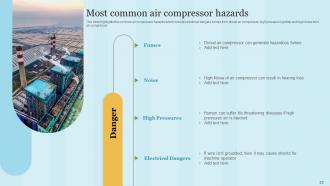
Most common air compressor hazards
-
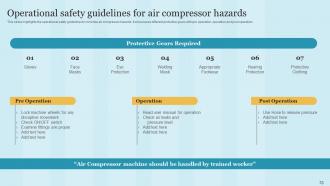
Operational safety guidelines for air compressor hazards
-
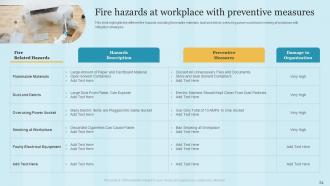
Fire hazards at workplace with preventive measures
-
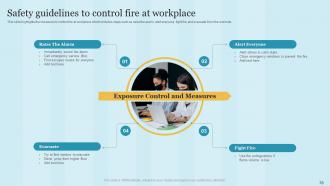
Safety guidelines to control fire at workplace
-
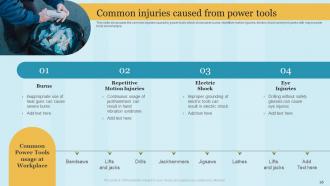
Common injuries caused from power tools
-
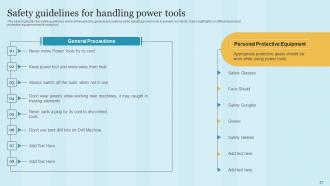
Safety guidelines for handling power tools
-
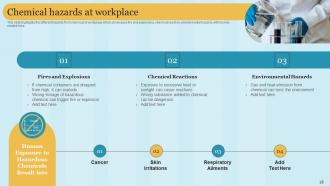
Chemical hazards at workplace
-
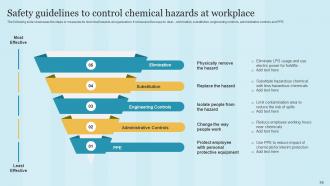
Safety guidelines to control chemical hazards at workplace
-
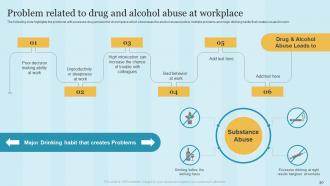
Problem related to drug and alcohol abuse at workplace
-
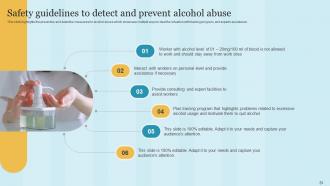
Safety guidelines to detect and prevent alcohol abuse
-
Maintaining health and safety at workplace
-
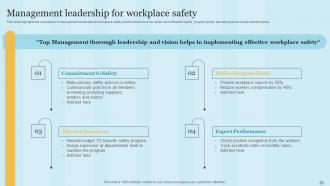
Management leadership for workplace safety
-
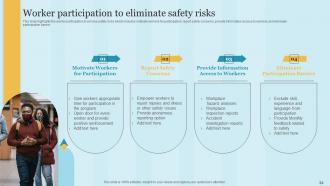
Worker participation to eliminate safety risks
-
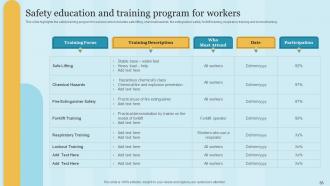
Safety education and training program for workers
-
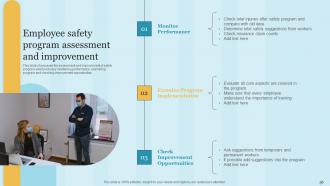
Employee safety program assessment and improvement
-
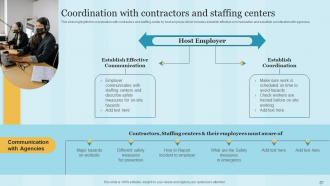
Coordination with contractors and staffing centers
-
Maintaining health and safety at workplace
-
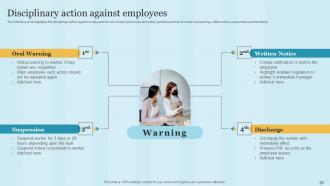
Disciplinary action against employees
-
Maintaining health and safety at workplace
-
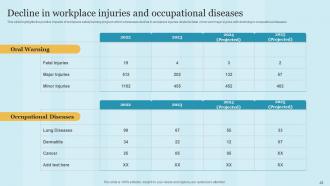
Decline in workplace injuries and occupational diseases
-
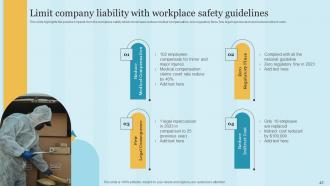
Limit company liability with workplace safety guidelines
-
Dashboard for workplace safety
-
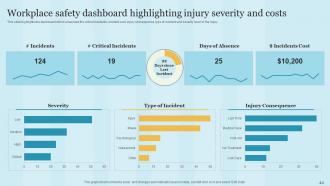
Workplace safety dashboard highlighting injury severity and costs
-
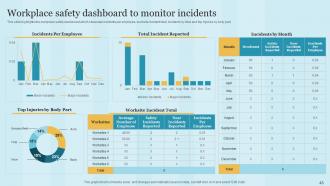
Workplace safety dashboard to monitor incidents
-
Additional slides
-
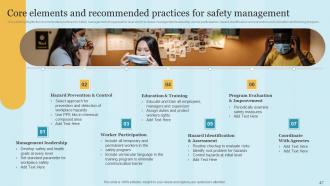
Core elements and recommended practices for safety management
-
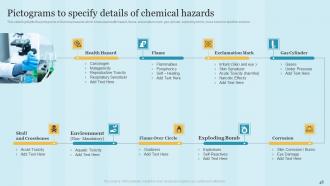
Pictograms to specify details of chemical hazards
-
Icons slide for maintaining health and safety at workplace
-
Timeline
-
Post it notes
-
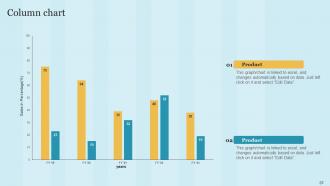
Column chart
-
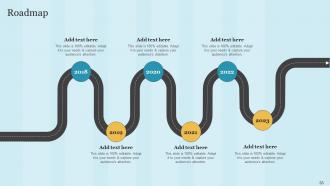
Roadmap
-
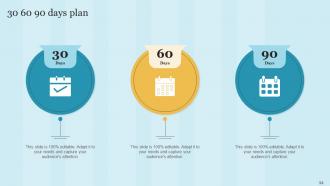
30 60 90 days plan
-

Puzzle
-
Our target
-

Thank you for watching
-

-

-

-

-

FAQs for Maintaining Health And Safety At Workplace
So you've got four big things to focus on: leadership commitment, employee training, hazard identification, and incident reporting. First thing - get your leadership actually invested, not just sending those generic safety emails while they're busy cutting costs everywhere else. Training needs to be hands-on and regular, covering general stuff plus job-specific risks. Make it super easy for people to report hazards or close calls without worrying they'll get in trouble. Oh, and regular audits help you spot what slips through daily. Honestly though, start with leadership buy-in because everything crumbles without that.
Start with going through all your incident reports and near-miss stuff - look for patterns. Get someone from outside to walk through your place because honestly, we all get blind to our own problems after a while. Do an anonymous survey too since people won't be real with you otherwise about safety issues. Compare your injury numbers to what's normal in your industry. That'll show you if you're actually doing okay or just think you are. The biggest thing though? Don't make this a one-and-done deal. Set up quarterly check-ins so you're catching problems before someone gets hurt.
Dude, you can't just hand people safety manuals and call it a day. Good training actually saves lives - people learn to catch problems early, handle equipment without breaking themselves, and know what to do when things go sideways. I worked somewhere once where they skipped proper training... yeah, that was a disaster waiting to happen. Plus it gets everyone following the same rules instead of making stuff up as they go. Hands-on practice beats PowerPoint every time. Keep it fresh too - safety procedures change and people forget things.
Honestly, make it everyone's job, not just some yearly HR thing. Your leadership has to walk the walk first - people copy what they see at the top. Set up ways for workers to flag problems without getting blamed, then actually do something about it fast. Training's fine I guess, but what really works is praising people when they speak up about sketchy situations or pitch better ideas. Never punish someone for stopping work over safety stuff. Celebrate the good behaviors and you'll see more of them.
Slips, trips, and falls are probably the biggest culprits - happens everywhere. Then you've got repetitive strain stuff from bad posture or doing the same motion over and over. Getting smacked by falling objects is another biggie. Construction sites obviously have scarier risks like heavy machinery, while us office people mostly deal with carpal tunnel and staring at screens too long (guilty as charged). Healthcare workers get exposed to nasty bugs plus they're always lifting patients and wrecking their backs. Honestly though, most accidents are super preventable with basic training. You should totally scan your workspace for hazards - bet you'll find some sketchy stuff you never noticed.
Smart sensors and wearable tech can track worker vitals plus spot environmental dangers before they become problems. AI cameras catch unsafe behaviors instantly - way more effective than having supervisors everywhere. IoT devices automatically shut down equipment when conditions get sketchy. Those VR training programs? Honestly beats sitting through another death-by-PowerPoint safety meeting. Mobile apps let people report hazards on the spot. Predictive analytics show you accident patterns so you can prevent them. Don't try to do everything at once though - just pick your biggest problem area first and focus there.
OSHA's your starting point - they've got rules for hazard communication, emergency procedures, all that stuff. Check your state's labor department too since most have extra requirements on top of federal ones. Workers' comp is basically mandatory everywhere (trust me, you don't want to get caught without it). Keep safety records, do the required training, and report serious injuries fast - there are deadlines. Oh, and OSHA applies to pretty much any business with employees, doesn't matter how small. Their website's actually pretty helpful for figuring out what applies to your specific industry.
Honestly, you've got to hit them from multiple angles or it won't stick. Skip the boring policy docs - go with infographics and videos instead. Interactive training works way better than lectures, especially using real situations they'll actually face. Use whatever channels you already have - meetings, emails, even that bulletin board by the coffee machine (people do read those, weirdly). Don't overdo the repetition though. Your managers need to walk the walk too because everyone's watching what they actually do. Oh, and set up an easy way for people to ask questions without making it a whole production.
Honestly, when people feel safe at work, they're just happier. Makes total sense - nobody wants to stress about getting hurt while they're trying to do their job. Your team will actually trust you more when they see you care about keeping them safe. Fewer accidents means way less chaos and people can focus better. I'd start by just asking what safety stuff worries them most. You'll probably be surprised what they bring up, and it shows you're listening. It's kind of a no-brainer but some places still don't get it.
Just grab someone to walk around with you - trust me, they'll spot stuff you totally miss. Look for the obvious culprits first: wet floors, sketchy wiring, places where people lift heavy things, wherever chemicals are stored. Write down what you find and rank them by how bad they could mess someone up vs how likely they are to happen. Honestly, most workplace hazards aren't rocket science once you're actually paying attention. Focus on fixing the scary stuff first, then tackle the smaller issues later. Don't make it more complicated than it needs to be.
Report it right away - soon as you're safe. Get everything down on paper: what went down, when, where, who saw it. Photos too if possible. Trust me, you'll forget details that seem super obvious right now. Company incident forms are annoying but fill the whole thing out and save yourself a copy. Don't second-guess whether it's "serious enough" - I've seen people regret not reporting minor stuff that turned into bigger problems later. Better to look overly cautious than deal with workers' comp headaches down the road.
Look, don't think of safety as this separate thing slowing you down. Build it right into your workflow so it becomes second nature. Honestly, cutting corners just screws you over later - injuries, broken equipment, regulatory headaches. None of that's worth hitting a deadline. Train your people to see safety protocols as what actually lets them work faster, not roadblocks. I'd start with whatever your riskiest processes are and smooth those out first. You'll be surprised how much time you save when stuff isn't constantly breaking or going sideways.
Oh man, management makes or breaks workplace safety honestly. They're the ones setting policies and deciding what gets funded for training and equipment. I've worked places where bosses just talked about safety but never actually walked around to see what was happening - those places always had more accidents. The good managers? They're out there asking workers what they need and actually listening. Plus they follow the same safety rules instead of just hiding in their offices telling everyone else what to do. It really comes down to whether leadership genuinely cares or just pretends to.
Look, you've gotta bake flexibility right into your safety stuff from day one. Do quarterly check-ins with the actual workers - not just the suits upstairs who have no clue what's happening on the floor. Most companies I've dealt with are still using policies from like 2019 that nobody follows anymore because they're completely useless now. Your incident reports should catch patterns too, especially when things start shifting. Oh, and make sure those safety audits actually look at how people work TODAY. Maybe start with a team meeting next month? Just to see where the gaps are.
Clear walkways are everything - seriously, most accidents happen because someone left stuff lying around. Spills need immediate cleanup, and lighting should be decent throughout your space. Good shoes with grip make a huge difference too. Handrails on stairs are non-negotiable, throw down anti-slip mats where it gets wet, and mark any weird floor level changes. Oh, and do weekly safety walks to catch problems early. I know it sounds boring but honestly? You'll thank yourself later when nobody's slipping and falling all over the place.
-
I had them make a presentation for an office retirement party. They were very helpful in understanding what we wanted and delivered the perfect presentation. Highly recommended!
-
I really liked their customized design services. I got my desired template made by their expert team. Thank You!