


Workplace Safety And Security Procedures Powerpoint Presentation Slides




Try Before you Buy Download Free Sample Product
 Impress Your
 Audience
 100%
100% Editable
 Save Hours
 of Time


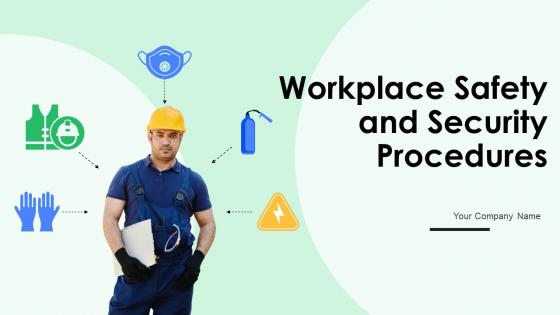
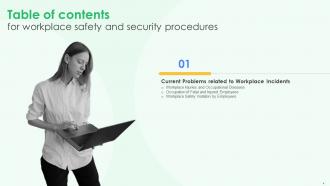
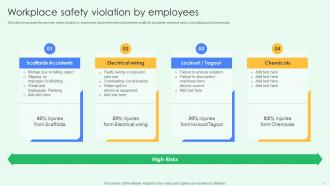
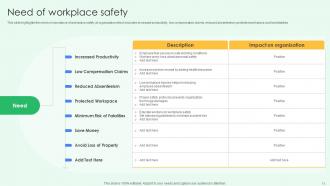
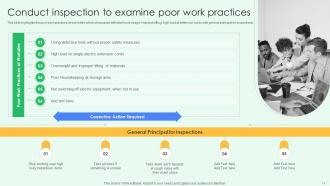
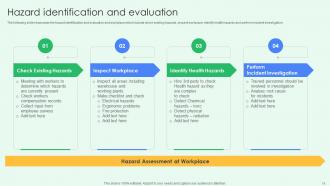
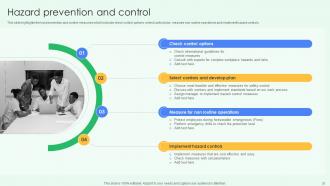
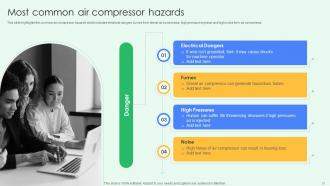
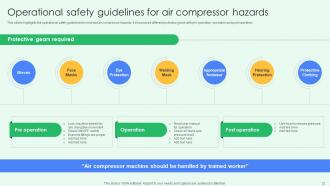
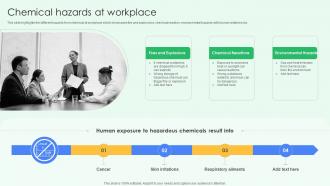
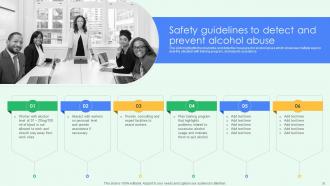
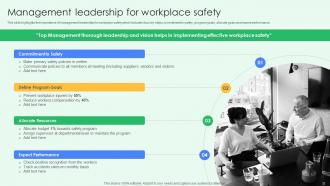
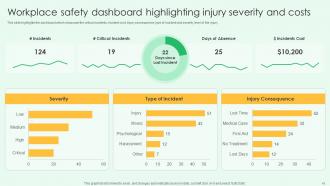
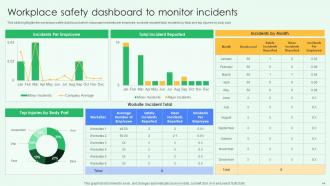
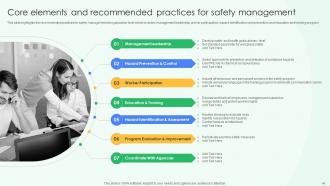
Workplace safety refers to the provision of a safe working environment, with the limitation of elements that can cause damage, injury, and other negative outcomes in the workplace. Check out our professionally designed Workplace Safety And Security Procedures PowerPoint presentation. First, this deck covers the problems related to workplace incidents which include occupational diseases, occupation of fatal and injured employees, and safety violations by employees. Additionally, it covers the causes of accidents and the impact of accidents on employees and organizations. It also highlights why there is a need for workplace safety with detailed objectives. Moreover, this deck covers how to examine risks and hazards, It also lays emphasis on hazard identification and their control measures which includes air compressor hazards and safety guidelines, fire hazards and safety guidelines, Injuries from power tools with safety guidelines, chemical hazards with safety guidelines, and drug and alcohol abuse with safety guidelines. At last, it includes the recommended practices for safety management, penalties for non compliance, and the positive impact of workplace safety in an organization. Download this deck now.
People who downloaded this PowerPoint presentation also viewed the following :
Workplace Safety And Security Procedures Powerpoint Presentation Slides with all 64 slides:
Use our Workplace Safety And Security Procedures Powerpoint Presentation Slides to effectively help you save your valuable time. They are readymade to fit into any presentation structure.

































FAQs for Workplace Safety And Security Procedures
Oh man, okay so you'll want four main things: clear hazard identification, mandatory training for everyone, solid incident reporting, and regular audits. The training part is huge - can't skip that. Walk around your place first and just write down every sketchy thing you see, then build everything around those actual risks instead of copying some random template online. Also make sure someone's actually reading those incident reports! Sounds obvious but half the places I know just stuff them in a drawer somewhere. Start with the hazard walkthrough though, that's your foundation.
Honestly, the trick is making everyone feel like they actually own safety - not just the managers giving speeches about it. When your CEO throws on a hard hat and follows the same rules as everyone else, that sends a message. Training's fine and all, but what really works is letting people call out problems without worrying they'll get fired for it. Set up simple ways for folks to report sketchy situations or close calls, then actually do something about it fast. Oh, and celebrate the wins publicly - shout out teams that stay accident-free or come up with smart fixes. Make it obvious that watching each other's backs isn't just some poster on the wall.
Training is honestly the backbone of staying compliant - your team can't follow rules they don't know exist. Most safety standards require documented training records anyway (trust me, learned that during a surprise audit). You'll need both initial training for new hires and regular refreshers since people forget things and procedures change. The real key is tracking everything - who completed what training and when it expires. Might seem tedious, but that paperwork becomes gold when inspectors show up. Without proper training, people won't know how to use safety equipment or handle emergencies correctly.
Honestly, start with something simple like a safety reporting app - way easier than jumping into the fancy stuff. Wearable sensors can catch falls and detect gas leaks, which is pretty sweet. AI cameras spot risky behavior before accidents happen. IoT monitors your equipment and predicts when things might break down (saves you from those "oh crap" moments). Digital training beats those boring old safety manuals by a mile. Mobile apps let people report incidents right away instead of hunting down paperwork. Build up gradually based on what your team actually uses - no point buying tech that'll just collect dust.
Look, OSHA is basically the bare minimum - what you need to avoid getting fined or shut down. Best practices? That's where you actually keep people safe and not miserable at work. Sure, OSHA says wear your hard hat. But good companies do regular safety training, check for hazards before they become problems, and make it so workers aren't scared to speak up about close calls. Most decent places I've seen use OSHA as their starting point, not the goal. You should probably check your current setup against both - might be some obvious gaps you're missing.
Okay so basically you gotta customize your approach for each workplace - office hazards are totally different from construction site stuff. First step is figuring out what could actually hurt people, then rating how bad/likely each thing is. The documentation part is super tedious but trust me, you'll be grateful when something goes wrong and you need proof you did your homework. Definitely get your workers involved since they're the ones dealing with this crap every day and know what's really dangerous. Oh and set reminders to review everything regularly because these things become useless pretty quick if you don't update them.
Start by doing regular walk-throughs of your workplace - seriously, just look around for stuff like loose cables, blocked exits, beat-up equipment. Document everything you find and rank the hazards by how bad they could get and how likely they are to happen. Your team will probably catch things you don't, so get them involved. The obvious hazards are honestly the trickiest because you stop noticing them after a while. Focus on the high-risk stuff first and put controls in place - new safety rules, protective gear, whatever works. Make it a monthly thing, not just something you do once and forget about.
First thing - figure out what could actually go wrong at your place. Then write out what everyone should do for each situation. Don't forget backup people for important roles because your main safety person will definitely be on vacation when disaster strikes lol. Map your escape routes too. Here's the thing though - just having a plan sitting in someone's email won't help anybody. You've got to practice it regularly. Run drills, stick visual guides around the office, maybe bring it up in meetings sometimes. Make it second nature so people don't have to think when stuff hits the fan.
Look, people think safety stuff slows you down, but it actually prevents way more delays from accidents and injuries. Most rules exist because someone already got hurt doing that exact thing - learned that the hard way at my last job. Experienced workers are the worst about this, honestly. They assume they can skip steps because they've done it a million times, but that's when muscle memory screws you over. Shortcuts are tempting when you're rushing, but most injuries happen to people who definitely knew better. Just follow the procedures, even if it feels annoying.
Honestly, ergonomics is a total game-changer for preventing your body from falling apart at work. Adjusting chair height, monitor position, keyboard placement - all that stuff actually stops repetitive strain injuries and back pain before they start. I learned this the hard way after my shoulders were killing me for months! People stay way more alert when they're not constantly uncomfortable, so fewer mistakes happen too. Short sentences work. Your team probably needs a quick workstation check, and yeah, you'll have to spend some money on adjustable equipment, but trust me it's worth it.
Dude, don't mess around with safety stuff - the legal consequences are no joke. If someone gets hurt and you're supervising, you could be personally liable. OSHA will hammer the company with fines, there'll be workers' comp claims, lawsuits... the whole mess. And trust me, management won't forget who caused it when performance reviews roll around. Investigators will dig deep if there's an incident. Finding out you deliberately skipped protocols? That's way worse than screwing up by accident. I know following every single rule feels pointless sometimes, but dealing with lawyers later is infinitely more painful.
So it totally depends on what industry you're in. Construction workers need fall protection and hard hats - OSHA doesn't mess around with that stuff. Healthcare is all about infection control and needle safety protocols. Manufacturing has those lockout/tagout procedures because honestly, some machinery will absolutely wreck you if you're not careful. Food service focuses on temperature control and keeping things sanitized. Even office jobs have their thing - mostly ergonomics and evacuation plans. My advice? Figure out what hazards are specific to your field first, then you'll know which safety procedures actually matter for your situation.
You'll want both types of metrics honestly. Track the obvious stuff like incident rates and workers' comp claims before and after. But the real gold is in leading indicators - completion rates, quiz scores, spot-checking how well people actually follow procedures. Follow-up surveys work great too since they tell you if workers genuinely feel more confident about safety stuff. Oh, and definitely compare your baseline to results 3-6 months later - that timeline gives you actual meaningful data. Start collecting this info now though, otherwise you'll be kicking yourself later when you don't have decent comparison points.
Honestly, leadership is everything when it comes to safety stuff. You can't expect your team to wear PPE if you're walking around without it - I've literally seen this happen and it's ridiculous. Start by checking your own habits first. Recognize people when they actually follow the rules, deal with violations right away (but don't be a total hardass about it), and make sure everyone has proper training. The trick is making safety feel like it actually matters, not just some corporate checklist thing. Your team will mirror whatever energy you put out there.
Be systematic about it - make a proper checklist covering all your protocols. Don't just sit at your desk ticking boxes though, actually walk through each area. I always grab someone from that department since they'll catch things I miss completely. Take photos of everything, especially hazards or compliance issues. Schedule these regularly instead of waiting for problems to happen (honestly, that's when it's already too late). Follow up on findings quickly so people know you're serious. Oh, and make sure your team understands this isn't about busting them - it's keeping everyone safe.
-
“Superb. What a great finding. Thankful for SlideTeam. We were paying people to make slides which went all in vain. We are so happy to have found you.”
-
The ease of modifying templates is just superb! Also, the vast collection offers plenty of options to choose from.