

Présentation PowerPoint sur la gestion médicale




Try Before you Buy Download Free Sample Product
 Impress Your
 Audience
 100%
100% Editable
 Save Hours
 of Time


Nos diapositives de présentation PowerPoint de gestion médicale, conçues spécifiquement pour faire avancer votre vision. Utilisez ces modèles de PPT de l'industrie médicale pour préparer une feuille de route pour l'incorporation de la technologie de l'information dans le système de santé publique. Présentez les statistiques mondiales des dépenses médicales de manière attrayante à l'aide de ces diapositives PPT d'administration de la santé. Mentionnez la liste des parties prenantes dans le système de santé comme les hôpitaux, les centres communautaires, les groupes civiques, les médecins et les écoles à travers cette présentation PPT du secteur médical. Les éléments de base des soins de santé optimisés tels que le leadership, les compétences de gestion, le contenu technique, les systèmes opérationnels et les systèmes financiers peuvent être mis en valeur de manière attrayante en utilisant cette présentation PPT de gestion pharmaceutique. Illustrez les liens entre les hôpitaux et les entreprises dans cet espace de marché en numérisation à l'aide de ces mises en page PPT de développement de la santé. Tirez parti de cette présentation PowerPoint sur les soins médicinaux pour présenter le cycle d'engagement et de communication des clients de manière bien codée en couleur et organisée. Cliquez sur le bouton de téléchargement et faites de ce dossier PPT de l'industrie pharmaceutique votre source pour éduquer le public sur la gestion médicale et des soins de santé.
People who downloaded this PowerPoint presentation also viewed the following :
Gestion médicale - Présentation PowerPoint avec 66 diapositives
Utilisez nos diapositives de présentation PowerPoint de gestion médicale pour vous aider efficacement à gagner du temps précieux. Elles sont prêtes à s'intégrer dans n'importe quelle structure de présentation.
-
Medical Management
-
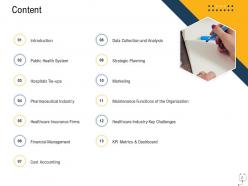
Content Slide
-
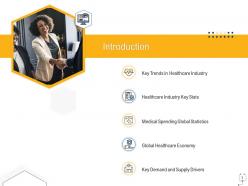
Introduction
-
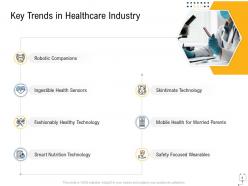
Key Trends in Healthcare Industry
-
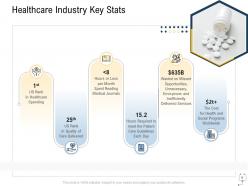
Healthcare Industry Key Stats
-
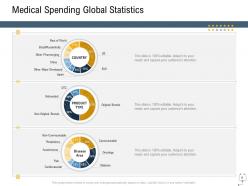
Medical Spending Global Statistics
-
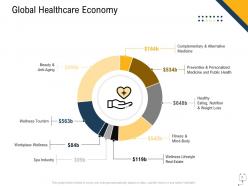
Global Healthcare Economy
-
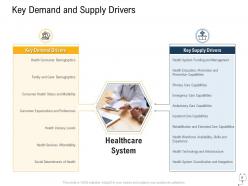
Key Demand and Supply Drivers
-
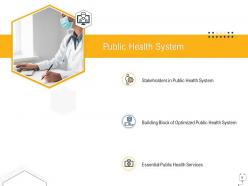
Public Health System
-
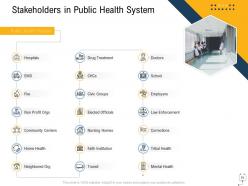
Stakeholders in Public Health System
-
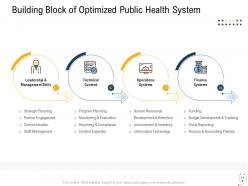
Building Block of Optimized Public Health System
-
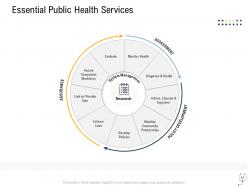
Essential Public Health Services
-

Hospitals Tie ups
-
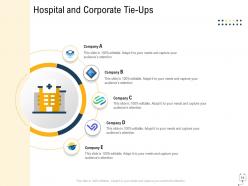
Hospital and Corporate Tie Ups
-
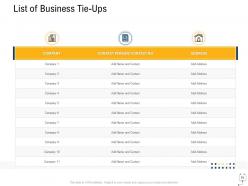
List of Business Tie Ups
-
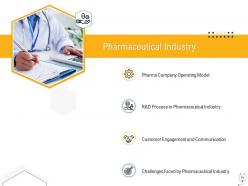
Pharmaceutical Industry
-
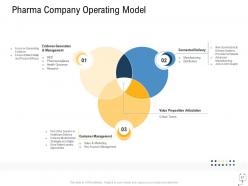
Pharma Company Operating Model
-
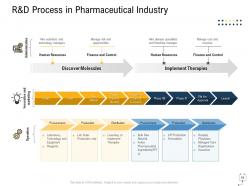
R D Process in Pharmaceutical Industry
-
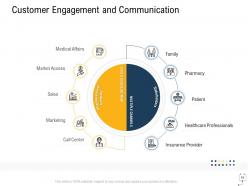
Customer Engagement and Communication
-
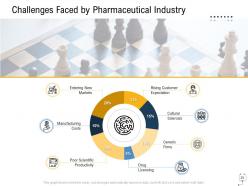
Challenges Faced by Pharmaceutical Industry
-
Healthcare Insurance Firms
-
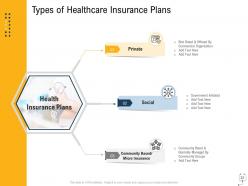
Types of Healthcare Insurance Plans
-
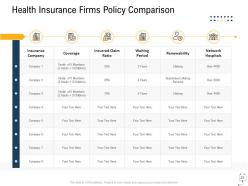
Health Insurance Firms Policy Comparison
-
Healthcare Finance
-
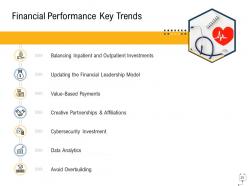
Financial Performance Key Trends
-
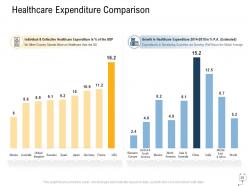
Healthcare Expenditure Comparison
-
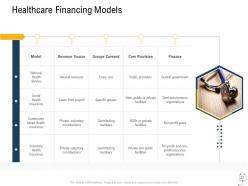
Healthcare Financing Models
-
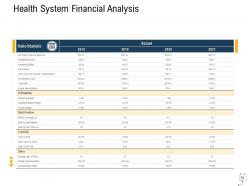
Health System Financial Analysis
-
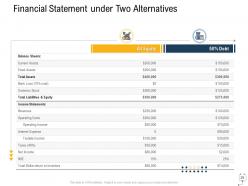
Financial Statement under Two Alternatives
-
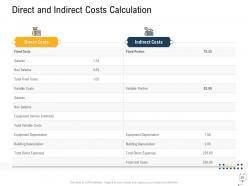
Direct and Indirect Costs Calculation
-

Data Collection Analysis
-
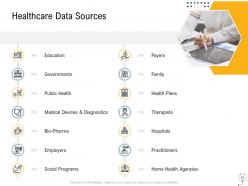
Healthcare Data Sources
-
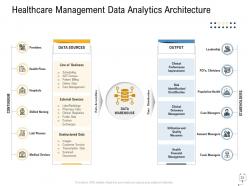
Healthcare Management Data Analytics Architecture
-
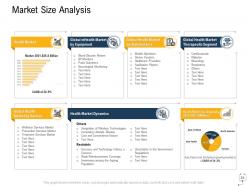
Market Size Analysis
-
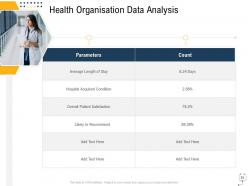
Health Organisation Data Analysis
-
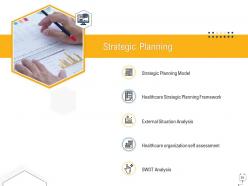
Strategic Planning
-
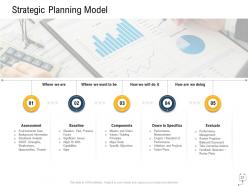
Strategic Planning Model
-
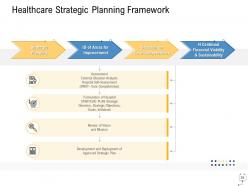
Healthcare Strategic Planning Framework
-
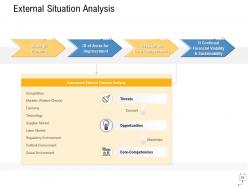
External Situation Analysis
-
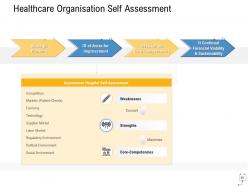
Healthcare Organisation Self Assessment
-
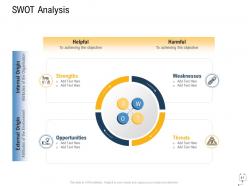
SWOT Analysis
-
Marketing
-
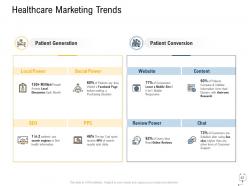
Healthcare Marketing Trends
-
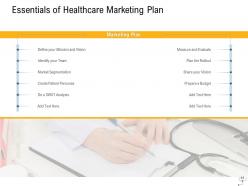
Essentials of Healthcare Marketing Plan
-
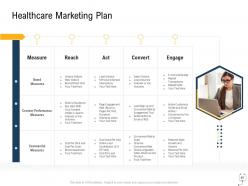
Healthcare Marketing Plan
-
Maintenance Functions of the Organization
-
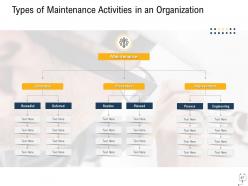
Types of Maintenance Activities in an Organization
-
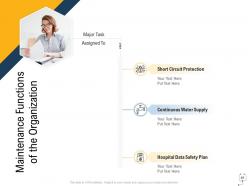
Maintenance Functions of the Organization
-
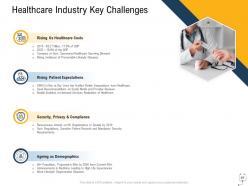
Healthcare Industry Key Challenges
-

KPI Metrics Dashboard
-
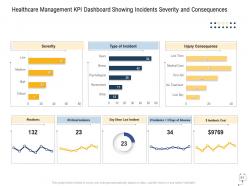
Healthcare Management KPI Dashboard Showing Incidents Severity and Consequences
-
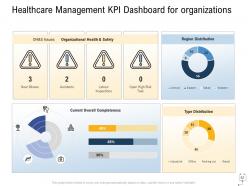
Healthcare Management KPI Dashboard for organizations
-
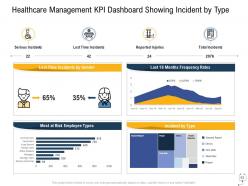
Healthcare Management KPI Dashboard Showing Incident by Type
-
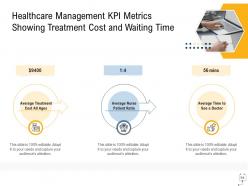
Healthcare Management KPI Metrics Showing Treatment Cost and Waiting Time
-
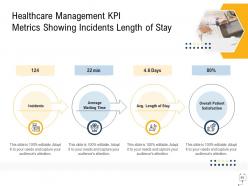
Healthcare Management KPI Metrics Showing Incidents Length of Stay
-
Icons Slide for Medical Management
-

Additional Slides
-
About Us
-
Our Mission
-
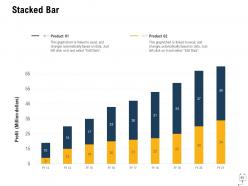
Stacked Bar
-
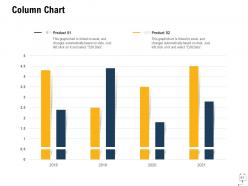
Column Chart
-
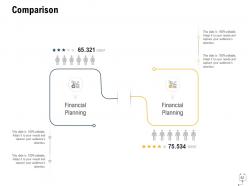
Comparison
-
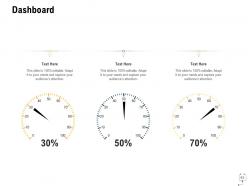
Dashboard
-
Timeline
-
30 60 90 Days Plan
-
Thank You
FAQs for Medical management
Honestly, it all comes down to nailing your systems and how people talk to each other. Patient assessment protocols need to be rock solid, plus clear treatment plans and outcome tracking. Documentation is annoying but saves your butt later - keeps everyone on the same page too. Don't forget medication management and making sure different teams actually coordinate (easier said than done). Patient education matters a lot. But here's the thing - staff communication during handoffs is where everything usually falls apart. I'd start by looking at your current setup and figuring out exactly where info gets stuck between departments.
So basically when nurses, doctors, pharmacists - everyone - actually talks to each other regularly, way fewer things get missed. Patients don't slip through the cracks as much. The data's really clear on this one - better satisfaction scores, people go home sooner, less bouncing back to the hospital. It's wild how much difference it makes. You should push for regular team huddles where different people can chime in on tricky cases. Even short 15-minute meetings help tons. I mean, it sounds obvious but you'd be surprised how many places still work in silos.
Dude, the tech stuff happening in healthcare right now is actually pretty crazy. EHR systems are making patient data way easier to manage, and telemedicine lets you see patients without them coming in. AI's getting really good at helping with diagnosis too - though honestly I'm still getting used to that idea. Automated reminders and digital payments cut down on so much busywork. The trick is finding tools that don't mess up what you're already doing. Last thing you need is software that makes your life harder, you know?
Honestly, just start by asking your patients what they actually need - they know their own situations better than anyone. Language barriers are obvious, but health literacy trips people up even when English is their first language. Some families want to make decisions together, others prefer handling things solo. Cost is a huge factor too - people skip medications they can't afford or miss appointments because they can't get time off work. Transportation is another headache I see all the time. Cultural beliefs about illness vary wildly, so your education materials need to match what resonates with each group. Work schedules, family dynamics, all of it matters when you're planning treatment.
Honestly, the resistance is brutal - staff hate changing workflows and patients get cranky about new processes. Leadership freaks out about upfront costs too. Data integration between systems is a nightmare, don't even get me started on that mess. Compliance stuff keeps piling on, and proving ROI in the first few months? Good luck with that one. Here's what actually works though: pilot programs are your best friend. Start small, show clear wins upfront, and nail down your success metrics before you launch anything. Otherwise you're just shooting in the dark.
Honestly, it's pretty amazing how much clearer everything becomes when you have actual data backing up your decisions instead of just going with your gut. You'll start spotting patterns in readmission rates and can predict when you'll need more staff. Plus you can see which treatments actually work for different patient groups - that alone is huge. The coolest part is using predictive models to catch high-risk patients before things go south. I'd say pick one metric you're already watching and just build from there. Way less overwhelming than trying to analyze everything at once.
Don't treat compliance like something you deal with later - weave it into your regular routine. Stay on top of HIPAA, CMS rules, and whatever your state medical board requires. Honestly, the documentation part is what trips most people up. Document everything, not just the obvious stuff. Set up checklists for your common procedures and pick someone on your team to be the compliance person who keeps everyone in line. Oh, and do internal audits regularly - way better than panicking when inspectors show up unexpectedly.
Honestly, most plans crash because people don't take their meds consistently - that's the brutal truth. Start by auditing where patients are actually dropping off in your current protocols. Build a strong care team around evidence-based stuff, but here's the thing - you need patients actively involved, not just sitting there nodding. Regular monitoring is obvious, but don't skip the lifestyle factors when you're doing assessments. I'd set up structured follow-ups and track your data religiously. Patient education matters too, obviously. The real difference maker? Stop treating people like they're just there to receive care and actually make them partners in the whole process.
Honestly, the biggest game-changer is weaving education into every single visit instead of just handing someone a pamphlet. Have patients explain their treatment back to you in their own words - you'd be surprised how much gets lost in translation. Visual aids and apps work great for breaking down those crazy medication schedules. Some docs I know get super creative with this approach. Check in regularly so small confusions don't turn into full-blown non-compliance disasters. Really depends on tailoring everything to how each patient learns best and their health literacy level. Pick one thing you can try this week and start there.
Dude, telemedicine has completely changed patient care - we've gone from just reacting to problems to actually preventing them. Remote monitoring through wearables lets you catch stuff early, way before it hits crisis mode. Chronic disease patients especially love it because they get more check-ins without dragging themselves to the office constantly. I mean, who wants to sit in a waiting room every week? You can handle way more patients too since everything's streamlined. The trick is weaving these tools into what you're already doing instead of making them feel like extra work.
Honestly, good medical management is like the best-kept secret for cutting healthcare costs. You catch problems early instead of dealing with expensive crisis situations later. Fewer readmissions, shorter stays, better use of resources - it all adds up. The trick is investing upfront in care coordination and teaching patients what they need to know. Yeah, it costs money initially, but you'll save so much more when you're not constantly putting out fires. Most places totally overlook this approach, which is crazy because preventable emergencies just drain your budget and burn out your staff.
Okay so the main things are patient autonomy, informed consent, and confidentiality. Respect their choices even when they're making what seems like a terrible decision - trust me, that's the hardest part. Make sure they actually get what you're explaining about risks and options before moving forward. Don't share their info unless legally required. You'll also want to think about doing good vs avoiding harm when picking treatments. Oh and document literally everything! Clear communication from day one will save your butt later.
Look, quality improvement is just having a game plan instead of winging it. Pick one thing that's driving your team crazy and measure where you're at now. Data shows you the real problems - maybe patients aren't following through or there's always bottlenecks somewhere. Those Plan-Do-Study-Act cycles let you test stuff small before going all-in. Honestly, most places just cross their fingers and hope issues resolve themselves. The key is making it continuous rather than a one-time fix. You'll actually see patterns emerge once you start tracking things properly.
Honestly, regular assessments are like your safety net - they catch problems before everything goes sideways. You'll spot medication side effects or disease changes that might slip by otherwise. It's basically debugging but for your health (can't just set it and forget it, right?). These checkups give you actual data to make smart treatment decisions instead of just guessing. Track if your treatments are working. Adjust when they're not. The key is being consistent with scheduling and actually paying attention to the results - don't just show up and zone out.
Track the obvious stuff first - readmission rates, how long patients stay, satisfaction scores, whether they're actually following treatment plans. That's your clinical picture right there. Money-wise, you need cost per case, ROI, budget performance. Pretty straightforward. Patient outcomes matter most, obviously, but honestly? Don't ignore your staff satisfaction surveys. Miserable teams will kill even the best programs - I've seen it happen. Set up monthly dashboards so you catch problems while they're still small. Way easier than fixing a dumpster fire later.
-
Great product with highly impressive and engaging designs.
-
Great product with highly impressive and engaging designs.
-
Excellent Designs.
-
Great designs, Easily Editable.
-
Innovative and Colorful designs.
-
Great experience, I would definitely use your services further.
-
Top Quality presentations that are easily editable.
-
Great product with effective design. Helped a lot in our corporate presentations. Easy to edit and stunning visuals.
-
Excellent work done on template design and graphics.