


Operational Process Improvement Powerpoint Ppt Template Bundles




Try Before you Buy Download Free Sample Product
 Impress Your
 Audience
 100%
100% Editable
 Save Hours
 of Time


Our Operational Process Improvement Powerpoint Ppt Template Bundles are topically designed to provide an attractive backdrop to any subject. Use them to look like a presentation pro.
People who downloaded this PowerPoint presentation also viewed the following :
Operational Process Improvement Powerpoint Ppt Template Bundles with all 30 slides:
Use our Operational Process Improvement Powerpoint Ppt Template Bundles to effectively help you save your valuable time. They are readymade to fit into any presentation structure.
-
Operational Process Improvement Powerpoint Ppt Template Bundles
-
Operational Process Improvement Powerpoint Ppt Template Bundles
-
Operational Process Improvement Powerpoint Ppt Template Bundles
-
Operational Process Improvement Powerpoint Ppt Template Bundles
-
Operational Process Improvement Powerpoint Ppt Template Bundles
-
Operational Process Improvement Powerpoint Ppt Template Bundles
-
Operational Process Improvement Powerpoint Ppt Template Bundles
-
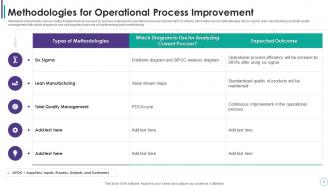
Operational Process Improvement Powerpoint Ppt Template Bundles
-
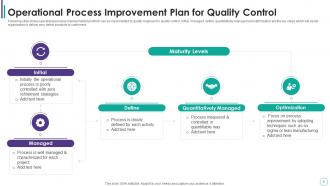
Operational Process Improvement Powerpoint Ppt Template Bundles
-
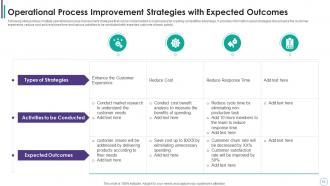
Operational Process Improvement Powerpoint Ppt Template Bundles
-
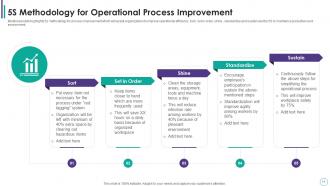
Operational Process Improvement Powerpoint Ppt Template Bundles
-
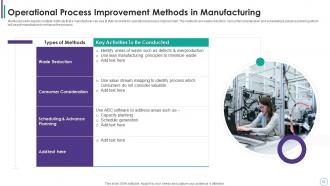
Operational Process Improvement Powerpoint Ppt Template Bundles
-
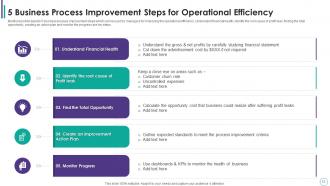
Operational Process Improvement Powerpoint Ppt Template Bundles
-
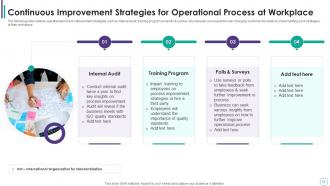
Operational Process Improvement Powerpoint Ppt Template Bundles
-
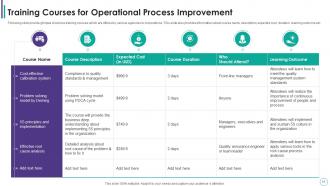
Operational Process Improvement Powerpoint Ppt Template Bundles
-
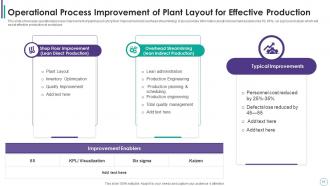
Operational Process Improvement Powerpoint Ppt Template Bundles
-
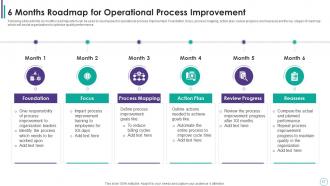
Operational Process Improvement Powerpoint Ppt Template Bundles
-
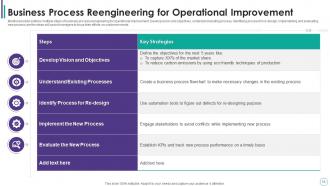
Operational Process Improvement Powerpoint Ppt Template Bundles
-
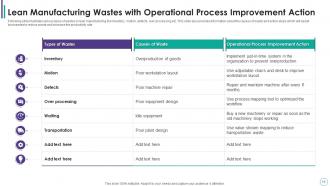
Operational Process Improvement Powerpoint Ppt Template Bundles
-
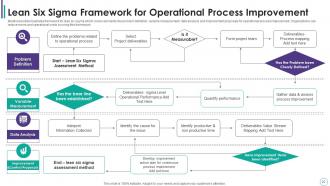
Operational Process Improvement Powerpoint Ppt Template Bundles
-
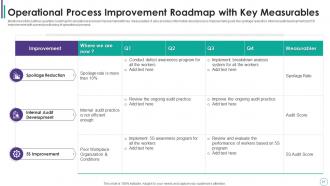
Operational Process Improvement Powerpoint Ppt Template Bundles
-
Operational Process Improvement Powerpoint Ppt Template Bundles
-
Operational Process Improvement Powerpoint Ppt Template Bundles
-
Operational Process Improvement Powerpoint Ppt Template Bundles
-
Operational Process Improvement Powerpoint Ppt Template Bundles
-

Operational Process Improvement Powerpoint Ppt Template Bundles
-

Operational Process Improvement Powerpoint Ppt Template Bundles
-

Operational Process Improvement Powerpoint Ppt Template Bundles
-

Operational Process Improvement Powerpoint Ppt Template Bundles
-

Operational Process Improvement Powerpoint Ppt Template Bundles
FAQs for Operational Process Improvement Powerpoint
Get your baseline numbers first - that's crucial. Then track cycle time, throughput, error rates, and cost per transaction. Customer satisfaction scores are huge too because honestly, who cares if you're efficient internally if customers are miserable? Don't forget employee engagement and adoption rates either. The fanciest process in the world is useless if your team won't actually use it. I'd check these monthly so you can pivot quickly if something's not working. Oh, and quality metrics alongside efficiency ones - sometimes those pull in opposite directions.
Honestly, the biggest mistake I see is leaders just announcing changes instead of getting people involved from the start. Let your team help identify what's broken and come up with fixes - they'll actually care about making it work then. Don't skip explaining WHY you're doing this, not just what's happening. I've watched so many rollouts crash because nobody bothered with that part. Be real about the challenges, train people properly, and actually show them how this benefits THEM, not just the company's bottom line. Oh, and celebrate quick wins early - builds momentum like crazy.
Look, tech is basically your efficiency multiplier. It kills all those repetitive tasks that make you want to scream - like manual data entry or endless status updates. The right tools will automate your workflows and give you real-time data for faster decisions. Dashboards and analytics help you spot problems before they blow up into actual fires (which honestly saves so much stress). My advice? Map out what's eating most of your time first. Then find tools that tackle those specific pain points head-on. Don't overthink it.
You basically draw out every single step in your process, and boom - the problem spots jump out at you. Tasks start piling up in certain places. Handoffs between team members fall apart. Some steps drag on forever while others zip by. Honestly, it's like finally getting that bird's-eye view of where everything goes wrong. I'd look for anywhere work sits waiting - could be approvals, external vendors, whatever. The cool part? You don't have to fix everything at once. Just tackle the worst bottlenecks first and leave the rest alone.
Honestly, the biggest thing is getting this stuff baked into how you actually work every day. Write down the new processes so people can't just wing it. Train everyone properly - like actually train them, not just send an email. Check in regularly but don't be annoying about it. Pick metrics that you'll genuinely look at (not just random numbers that sound good). Celebrate the wins too because people need that dopamine hit to stay motivated. Oh and definitely give someone ownership of this - someone who'll actually care when everything gets chaotic again.
Start with value stream mapping - it'll show you where all the waste is hiding. Go after the big wins first: kill those bottlenecks, cut down handoffs between teams, standardize the stuff that actually matters. 5S is honestly game-changing (think Marie Kondo for work processes, I know it sounds cheesy but it works). Get your frontline people involved because they see the daily headaches you don't. Set up regular improvement cycles where everyone can flag small inefficiencies and test quick fixes. Honestly, just pick one process to start with and see what sticks before you go crazy with it.
Honestly, the numbers will shock you - they're usually way different from what you think is happening day-to-day. Start tracking cycle times, error rates, and how you're using resources. Data helps you spot patterns and bottlenecks that you'd never catch just by watching things unfold. Look for connections between different variables to figure out what's actually causing the slowdowns. Real-time dashboards are clutch for catching problems early. Oh, and don't go crazy measuring everything at once - pick maybe 3-5 key metrics first. Trust me on that one.
Honestly, the three big things that'll trip you up are people hating change, crappy communication, and thinking stuff will happen faster than it does. Get your stakeholders involved from day one - when they help plan it, they actually want it to succeed instead of sabotaging everything. Always explain WHY you're changing things, not just what's changing. Oh and definitely pad your timeline because I swear projects take like 50% longer than you think. Start small with pilot programs first. Way easier to get momentum when you can point to actual wins rather than asking people to trust your grand vision.
Honestly, you've gotta nail down who's doing what from day one - otherwise it turns into a total mess. Have everyone map out the current process together since different teams spot completely different problems. Keep your check-ins short and focused on actual blockers, not boring status stuff. One thing I learned the hard way? Pick someone to own the whole thing and make final decisions when people get stuck arguing over tiny details (because they will). Oh, and make sure nobody can pull that "not my job" card - shared accountability is everything. When teams actually understand their piece of the puzzle, things click way better.
Don't jump straight into fixing stuff - figure out what you're actually dealing with first. Get your team together and do the "5 Whys" thing where you keep asking why until you find the real problem. Sounds basic but honestly it works way better than you'd think. Write everything down and focus on actual data, not just what people think happened. Talk to whoever was there when things went wrong. Oh and here's the key part - once you know the root cause, fix THAT instead of just slapping a band-aid on the symptoms. Then circle back later to make sure it actually stuck.
You need to track both money saved and extra revenue from whatever changes you make. Measure stuff like how long processes take, error rates, resource usage - basically before and after numbers. Then figure out the dollar impact. Cost savings come from things like less labor, reduced waste, fewer do-overs. Revenue boost happens when you deliver faster, improve quality, or can handle more volume. The hard part? Proving your changes actually caused the improvements (correlation isn't causation and all that). Document everything before you start, then track consistently for like 3-6 months minimum. Otherwise you're just guessing at impact.
Think of continuous feedback like having smoke detectors everywhere - way better than waiting for the whole house to burn down. The people actually doing the work? They'll catch problems weeks before any fancy dashboard does. Here's what kills me though - companies spend months "improving" processes without asking the front-line folks what's broken. Don't just do quarterly check-ins. Set up multiple ways for people to give input throughout the process. Make it stupid easy to speak up, then actually do something with what they tell you. Otherwise you're just running an expensive complaint box that nobody reads.
Honestly, the key is making it feel rewarding instead of like another task dumped on people. Celebrate wins publicly - even small ones matter. Actually USE their suggestions too, because nothing kills enthusiasm faster than good ideas vanishing into thin air. Give your team time to experiment with better processes. Train managers to ask "how can we improve this?" rather than just pushing for completion. Oh, and leadership needs to jump in themselves - can't just delegate it down. Track the results and share them back so people see their work created real change. That's what keeps momentum going.
Look, compliance is basically like having guardrails on your improvements - you can still innovate but gotta stay in bounds. Each change needs checking against regulations, which honestly slows things down and makes "simple" fixes way more complex. But getting compliance involved early actually helps you build better, lasting improvements. You'll document more thoroughly, validate against requirements, sometimes wait for approvals. Oh and one thing I learned the hard way - treat compliance as your partner from the start, not some final hurdle to jump through.
Honestly, benchmarking is just a fancy way of checking if you're actually doing well or just telling yourself you are. Look at what the best companies in your space are doing - find their processes, metrics, whatever. Then compare that to your current setup. You'll probably find some uncomfortable gaps, but that's the point. Why figure everything out from scratch when someone already cracked the code? Pick maybe 2-3 processes you want to improve and dig into how the top performers handle them differently. Just make sure you're comparing similar companies though - no point measuring yourself against Amazon if you're running a local bakery.
-
The presentations are very helpful. I am always able to get appropriate templates for the different topics related to my profession.
-
I really liked their customized design services. I got my desired template made by their expert team. Thank You!