


Operational Risk Management Overview Powerpoint Presentation Slides





Try Before you Buy Download Free Sample Product
 Impress Your
 Audience
 100%
100% Editable
 Save Hours
 of Time


Implement the risk controls and execute the business targets efficiently by using our Operational Risk Management Overview PowerPoint Presentation Slides. You can showcase various steps to mitigate operational risk with the help of a risk assessment PPT theme. Use a disaster management PowerPoint graphic to strengthen the decision-making process that enhances the growth of your organization. With the help of a risk control presentation template, you can showcase the amount of risk tolerance in a graphical form. Take the assistance of the threat assessment plan PowerPoint layout to outline the business continuity problems that minimize financial hurdles. Employ financial risk management PPT visuals to obtain an estimate of the risk appetite of shareholders. There are slides present in the disaster management presentation deck that determine the various risk categories. Hence, download our ready-to-use strategic risk management PowerPoint slide and make your business a profitable one.
People who downloaded this PowerPoint presentation also viewed the following :
Content of this Powerpoint Presentation
Slide 1: This slide introduces Operational Risk Management Overview. State your Company Name and begin.
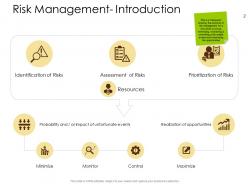
Slide 2: This slide shows Risk Management- Introduction describing- Identification of Risks, Assessment of Risks, Prioritization of Risks.
Slide 3: This slide shows Types of Risks describing External, Strategic, operational and enables risks.
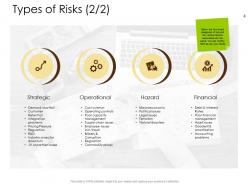
Slide 4: This is another slide on Types of Risks describing- Strategic, Operational, Hazard and Financial risks.
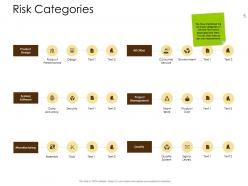
Slide 5: This slide showcases Risk Categories which includes- Product Design, System/ Software, Manufacturing, Project Management, Quality and all other.
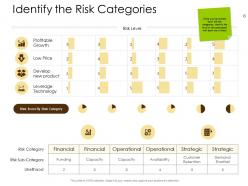
Slide 6: This slide represents Identify the Risk Categories with risk level and other sub categories.
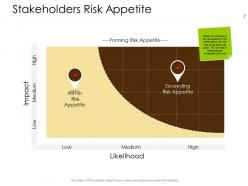
Slide 7: This slide shows Stakeholders Risk Appetite in graphical form.
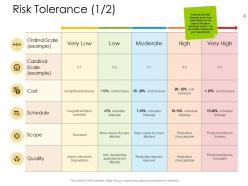
Slide 8: This slide shows Risk Tolerance on a scale describing risk impact from very low to very high.
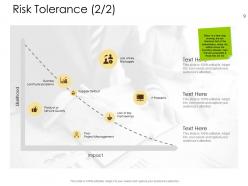
Slide 9: This is another slide on Risk Tolerance showing the risk tolerance limit of the stakeholders.
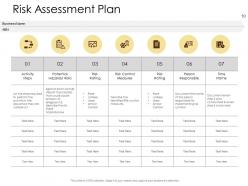
Slide 10: This slide presents Risk Assessment Plan in tabular form.
Slide 11: This slide displays Operational Risk Management Overview Icons.
Slide 12: This slide reminds about 15 minutes Coffee Break.
Slide 13: This slide is titled as Additional Slides for moving forward.
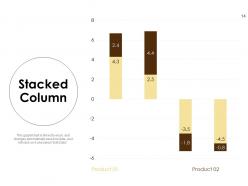
Slide 14: This slide shows Stacked Column Chart with two products comparison.
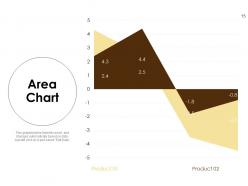
Slide 15: This slide displays Area Chart with two products comparison.
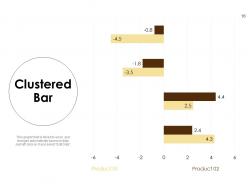
Slide 16: This slide showcases Clustered Bar Chart with two products comparison.
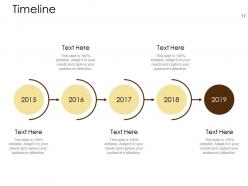
Slide 17: This is a Timeline slide to show information related with time period.
Slide 18: This is Our Mission slide with related imagery and text.
Slide 19: This slide shows Magnifying Glass to highlight information.
Slide 20: This is Our Team slide with names and designation.
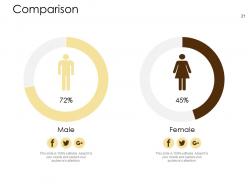
Slide 21: This is a Comparison slide to state comparison between commodities, entities etc.
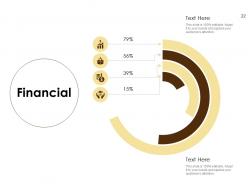
Slide 22: This is a Financial slide. Show your finance related stuff here.
Slide 23: This is an Idea Generation slide to state a new idea or highlight information, specifications etc.
Slide 24: This is a Thank You slide with Address# street number, city, state, Contact Number, Email Address.
Operational Risk Management Overview Powerpoint Presentation Slides with all 24 slides:
Use our Operational Risk Management Overview Powerpoint Presentation Slides to effectively help you save your valuable time. They are readymade to fit into any presentation structure.







FAQs for Operational Risk Management Overview
Ok so you need four main pieces to get this working. Risk identification comes first - figure out what could blow up before it actually does. Then assessment tools to separate the real disasters from everyday annoyances. Controls and mitigation are where most people mess up honestly, so don't skip that part. Monitoring and reporting wrap it up since risks keep shifting around. The trick is getting all four talking to each other instead of working separately. I'd start by seeing how your current stuff lines up with these areas first.
Map out your main business processes first, then think through what could realistically go wrong at each step - system crashes, people making mistakes, compliance stuff. Get your teams involved since they actually know where the weak spots are. I'd also look back at any incidents you've had before, even minor ones. External things matter too - what if a key supplier has issues or regulations change? Score each risk on how likely it is vs how bad the impact would be. Honestly, the best insights come when people feel comfortable sharing what actually keeps them up at night about their work areas.
Automated monitoring is honestly a game-changer for spotting operational risks early. Set up real-time alerts for weird patterns and keep digital audit trails - makes compliance so much less painful. AI's getting scary good at predicting failures before they happen too. Though you can't just hoard data and call it a day. Actually act on what the systems tell you! Start with your riskiest areas first and see what monitoring tech makes sense there. My friend's company saved tons by catching server issues before they crashed their whole system.
Honestly, just focus on the basics first. Track how often stuff breaks and how bad it gets when it does. Most places I've worked totally suck at response times - like, they'll catch problems but take forever to actually fix them. Check if your controls are doing anything by testing them regularly. Survey people to see if they actually get the risks. I'd pick maybe 4 metrics max and review monthly. Incident frequency, financial impact, detection speed, and team awareness cover most of what matters. Don't make it complicated or you'll just create more work for yourself.
Honestly, getting leadership on board is the hardest part - they love talking about risk management until they see the budget. Breaking down silos between departments is brutal too because everyone's protective of their turf. Most teams don't have the right training to spot risks properly, and good luck getting clean data to work with. People will fight you on new processes every step of the way. Oh, and creating a culture where people actually give a damn about risk? That's like herding cats. My advice: start with small pilot programs and grab some easy wins first. Builds momentum way faster than going big right away.
Culture basically makes or breaks your risk management - like, you can have the best processes ever but if people are scared to speak up, you're screwed. Blame cultures are the worst because nobody reports problems until it's too late. But when teams feel safe being honest about mistakes? That's when you actually catch stuff early. Different departments handle risk totally differently too, which gets messy. I've seen it firsthand - psychological safety isn't just some HR buzzword, it genuinely determines whether people will flag issues before they blow up into disasters.
Honestly, you've got to get everyone thinking it's their problem, not just compliance's headache. Have your leaders actually talk about close calls in meetings - that stuff trickles down fast. Skip the boring training nobody remembers and use real situations they might actually face. Some companies I know create these "risk champion" things where people get props for catching issues early. Sounds cheesy but it works. The big thing? Don't punish people for speaking up about problems. Reward them instead. Once your team sees you value spotting trouble before it hits, they'll naturally start watching for it.
So basically, data analytics helps you catch operational risks way before they blow up. You're looking at stuff like past incidents, transaction patterns, how employees are acting, system performance - all that data shows you trends you'd totally miss otherwise. Machine learning flags weird stuff as it happens, which is pretty slick honestly. The predictive models beat just guessing based on experience alone. I'd start with figuring out your main risk indicators first, then build some automated dashboards. That way you're getting ahead of problems instead of scrambling when everything's already on fire.
Okay so here's the thing - compliance failures basically turn into operational risks down the road. When your compliance processes suck, you're setting yourself up for fines, lawsuits, and bad press. All that stuff falls under operational risk anyway. Build controls that tackle both at once instead of treating them separately. Regular monitoring helps, plus you need solid policies with clear ownership. Oh and don't make compliance feel like just checking boxes - weave it into how people actually work day-to-day. Makes way more sense that way.
Think of scenario analysis like playing out worst-case situations before they happen. You map out realistic disasters - cyberattacks, your best employee quitting suddenly, systems crashing. Then walk through the actual damage: financial hits, operational chaos, reputation mess. It's way more useful than generic risk assessments because you're getting specific. Honestly, most companies skip this step and regret it later. The goal isn't to scare yourself but to spot weak points you'd normally miss. Make your scenarios detailed enough to actually plan around - then use what you learn to fix your biggest vulnerabilities first.
Just make a simple grid - probability on one side, impact on the other. Focus on the stuff that's both likely AND would really mess you up. Honestly, I've seen people waste weeks planning for zombie apocalypse scenarios that'll never happen. Pick your top 3-5 risks and actually do something about them. The medium ones? They can wait. Some of those low-probability things aren't even worth thinking about. You'll burn out trying to plan for everything, and nobody reads those massive risk documents anyway.
Don't just tack operational risk onto your strategy after the fact - weave it in from the start. Map your business goals against what could go wrong: people issues, process failures, system crashes, external chaos. Honestly, most companies I've worked with treat this like checking a box instead of actually using it. Your risk tolerance needs to match your growth ambitions. Set up regular meetings between risk folks and business leaders so these conversations happen during every big decision, not separately. Oh, and put risk metrics right on your executive dashboards next to the financial stuff.
Don't just ignore your screw-ups - actually document them somewhere. I started keeping a simple database of what went wrong, why it happened, and what could've stopped it. Sounds nerdy but it actually works. Go through these cases when you're doing risk assessments and update your procedures based on what you find. The biggest thing is making sure this knowledge doesn't disappear when people leave. I do quarterly reviews of my failure list and look for patterns - you'd be amazed how the same stupid mistakes keep happening over and over.
Honestly, you're gonna want three types of tools. GRC platforms like MetricStream handle the big picture risk tracking stuff. Then get real-time monitoring - Splunk or Tableau work great for dashboards. Automated workflow systems help with incidents too. Most people I know just combine a decent GRC platform with custom dashboards. You'll basically live in those dashboards daily. Heat maps and KRI alerts are super underrated though - don't skip those. Map out what risks you're already dealing with first. Then find tools that actually play nice with your current setup instead of rebuilding everything from scratch.
Third-party vendors are honestly a huge headache for operational risk. When you work with them, you're basically letting their problems become your problems - their system crashes, data breaches, compliance screw-ups, whatever. But here's the kicker: regulators still blame YOU when they mess up, even though you can't control them like your own team. Map out which vendors are actually critical first - like, which ones would totally shut down your key operations if they disappeared tomorrow? That's where you focus your risk assessment. Location and data access matter too, but start with the make-or-break relationships.
-
Easy to edit slides with easy to understand instructions.