Risk Management Overview Powerpoint Presentation Slides
Try Before you Buy Download Free Sample Product
Audience
Editable
of Time
Behave in a down to earth fashion with our Risk Management Overview Powerpoint Presentation Slides. Give them a glimpse of your fact based approach.

People who downloaded this PowerPoint presentation also viewed the following :
Content of this Powerpoint Presentation
Slide 1: This slide introduces RISK Management Overview with a relevant imagery. State Your Company Name and get started.
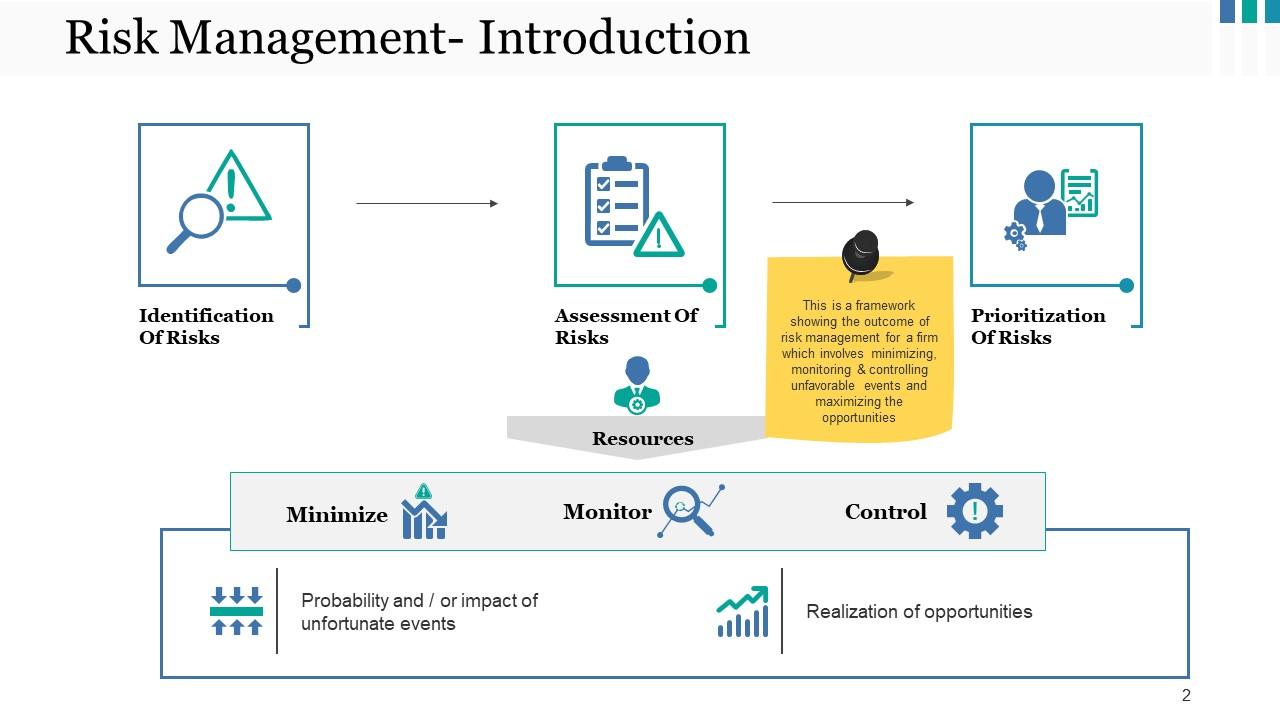
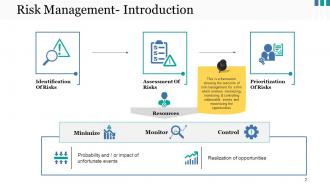
Slide 2: This slide shows Risk Management- Introduction displaying- Resources, Assessment of Risks, Identification of Risks, Prioritization of Risks, Realization of Opportunities, Probability and/or impact of unfortunate events.
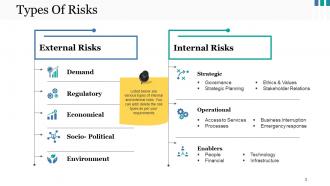
Slide 3: This slide showcases Types of Risks- Internal Risks divided into Strategic: Governance, Strategic Planning, Ethics & Values, Stakeholder Relations. Operational: Access to Services, Processes, Business Interruption, Emergency Response. Enablers: People, Financial, Technology, Infrastructure. External Risks: Demand, Regulatory, Economical, Socio- Political, Environment.
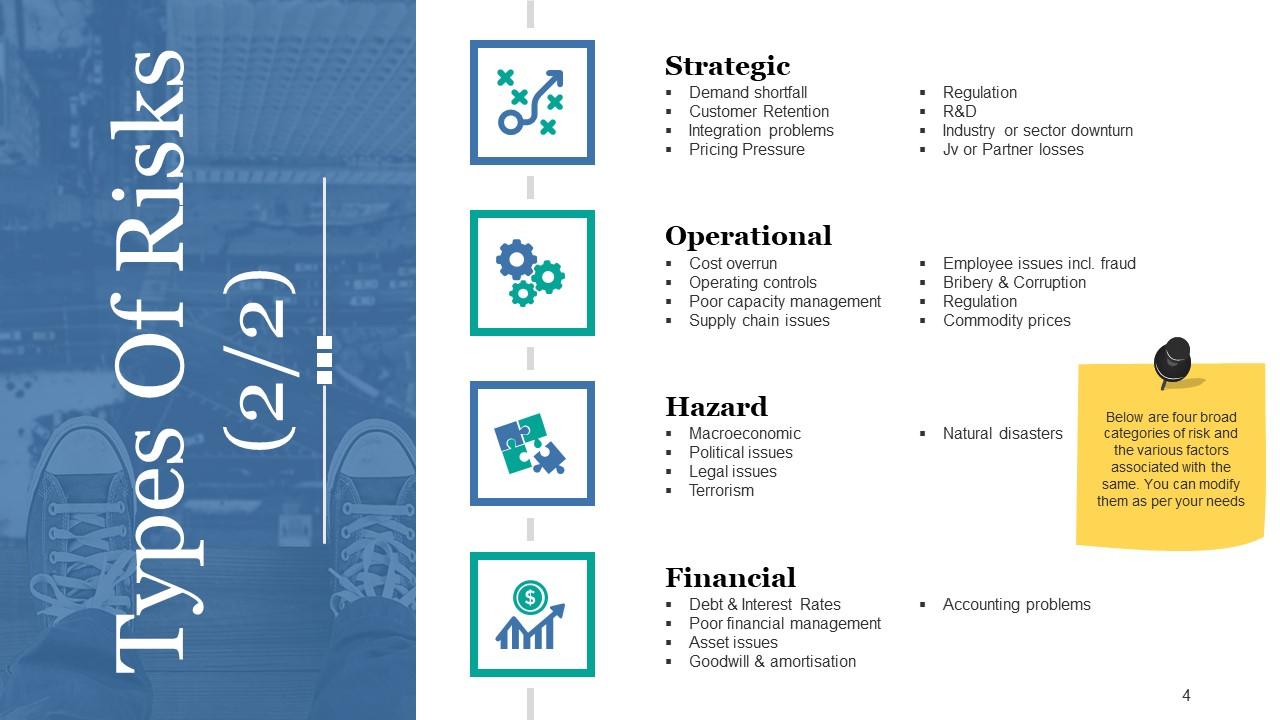
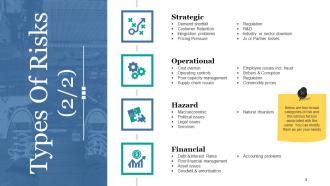
Slide 4: This slide shows Types Of Risks with the subheadings- Operational: Cost Overrun, Operational Controls, Poor Capacity management, Supply Chain Issues, Employee Issues incl. fraud, Bribery and Corruption, Regulation, Commodity prices. Strategic: Demand Shortfall, Customer retention, Integration problems, Pricing pressure, Regulation, R & D, Industry or sector downturn, JV or partner losses. Financial: Debt and interest rates, Poor Financial management, Asset losses, Goodwill and amortization, Accounting problems. Hazard: Macroeconomic, Political Issues, Legal Issues, Terrorism, Natural disasters.
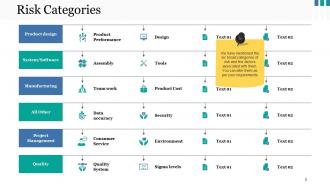
Slide 5: This slide shows Risk Categories with the following subheadings- Product Design: Product Performance, Design. System/ Software: Data Accuracy, Security. Manufacturing: Assembly, Tools. All Other: Consumer service, Environment. Project Management: Team work, Product cost. Quality: Quality system, Sigma Levels.
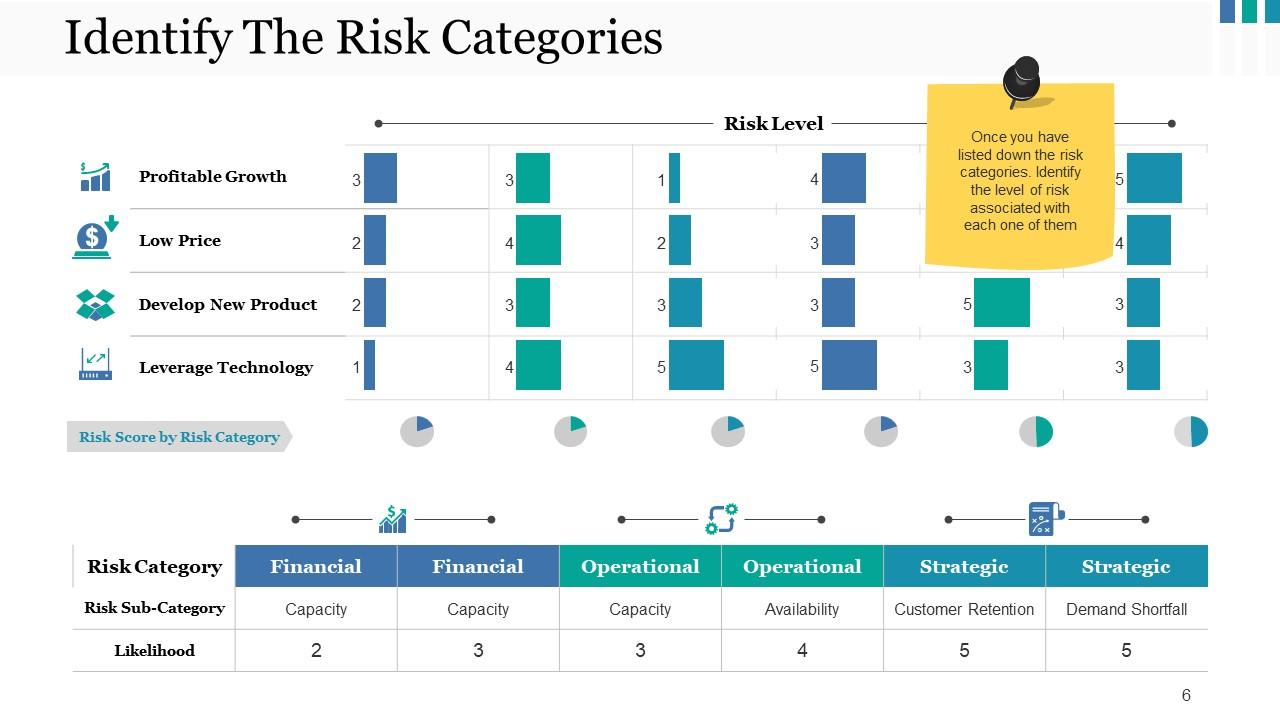
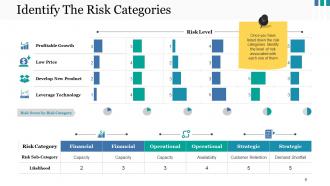
Slide 6: This slide displays Identify The Risk Categories with- Risk Score by Risk Category.
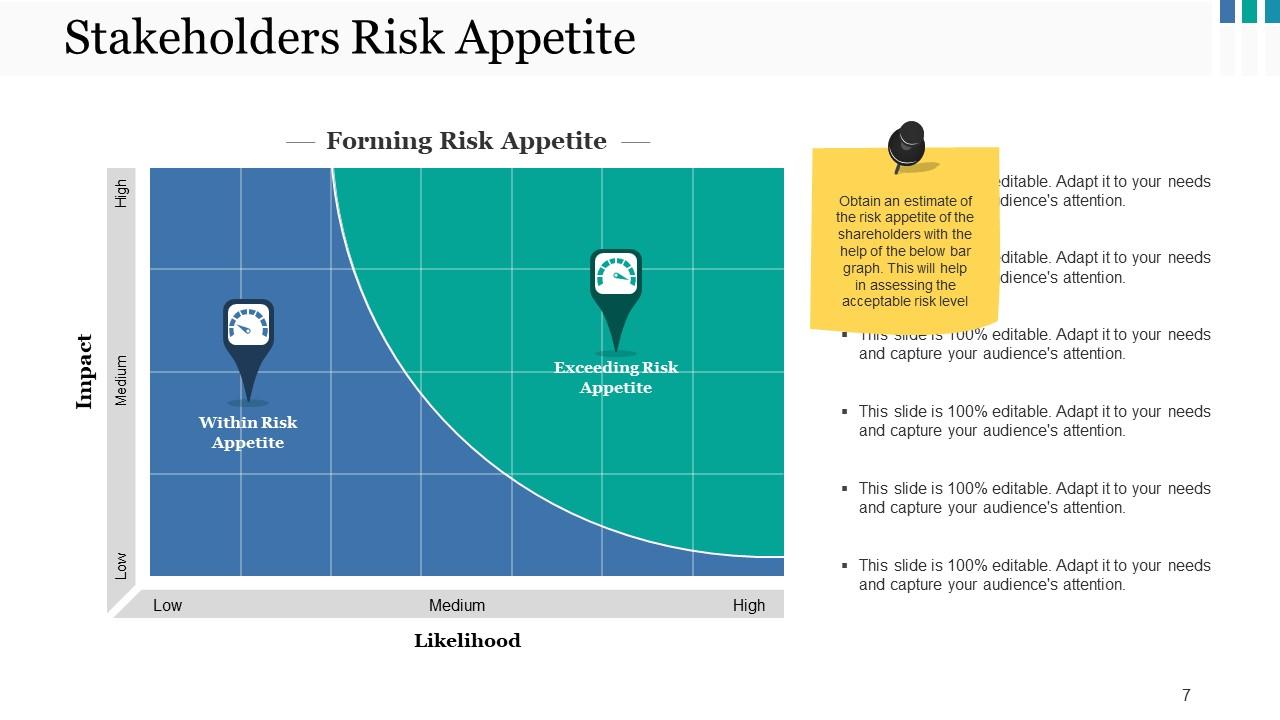
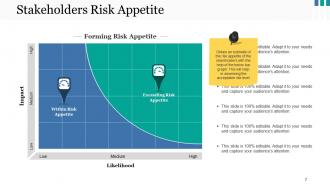
Slide 7: This slide shows Stakeholders Risk Appetite matrix showing Forming Risk Appetite in terms of impact and likelihood. Obtain an estimate of the risk appetite of the shareholders with the help of the below bar graph. This will help in assessing the acceptable risk level.
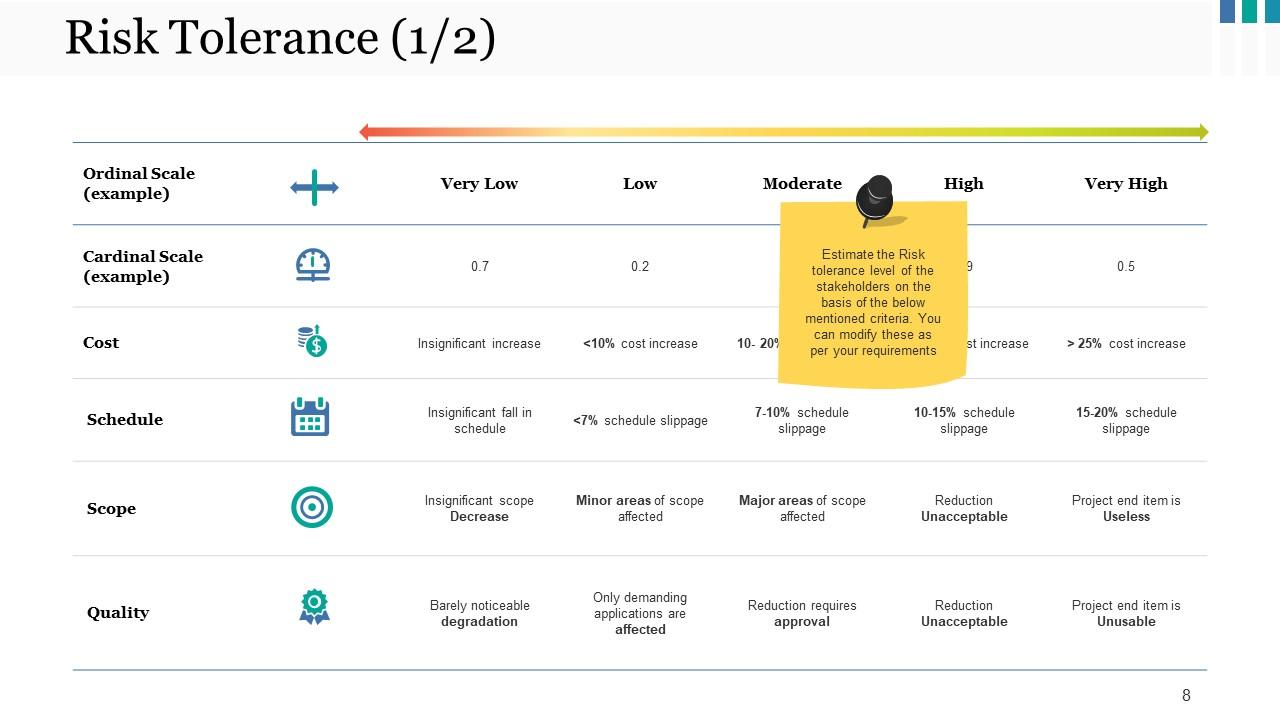
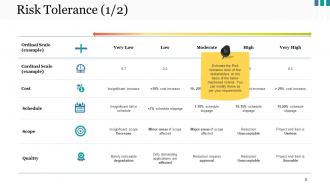
Slide 8: This slide shows Risk Tolerance table with Cost, Schedule, Scope, and Quality as subheadings in terms of ordinal scale of- Very Low, Very High, Low, Moderate, High.
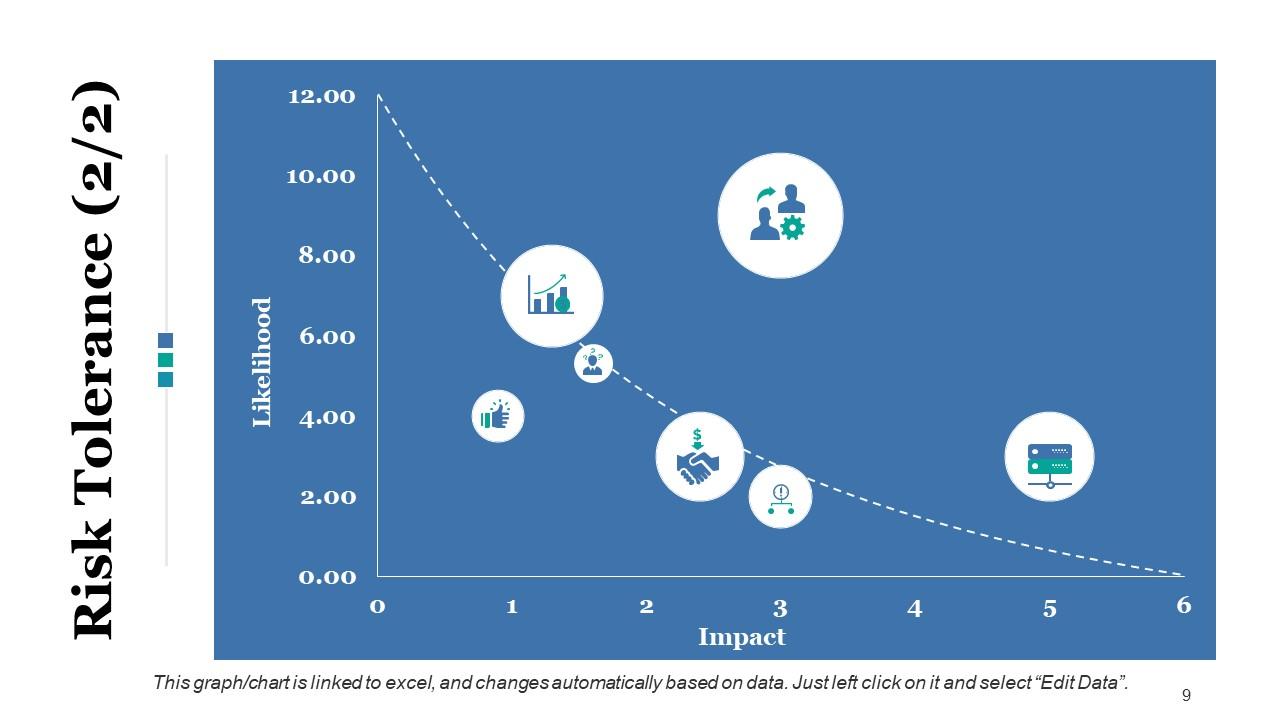
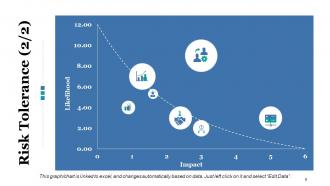
Slide 9: This slide shows a Risk Tolerance Bubble graph showing- Business Continuity Problems, Supplier Default, Loss Of Key Partnerships, IT Problems, Poor Project Management, Product Or Service Quality, Loss Of Key Managers.
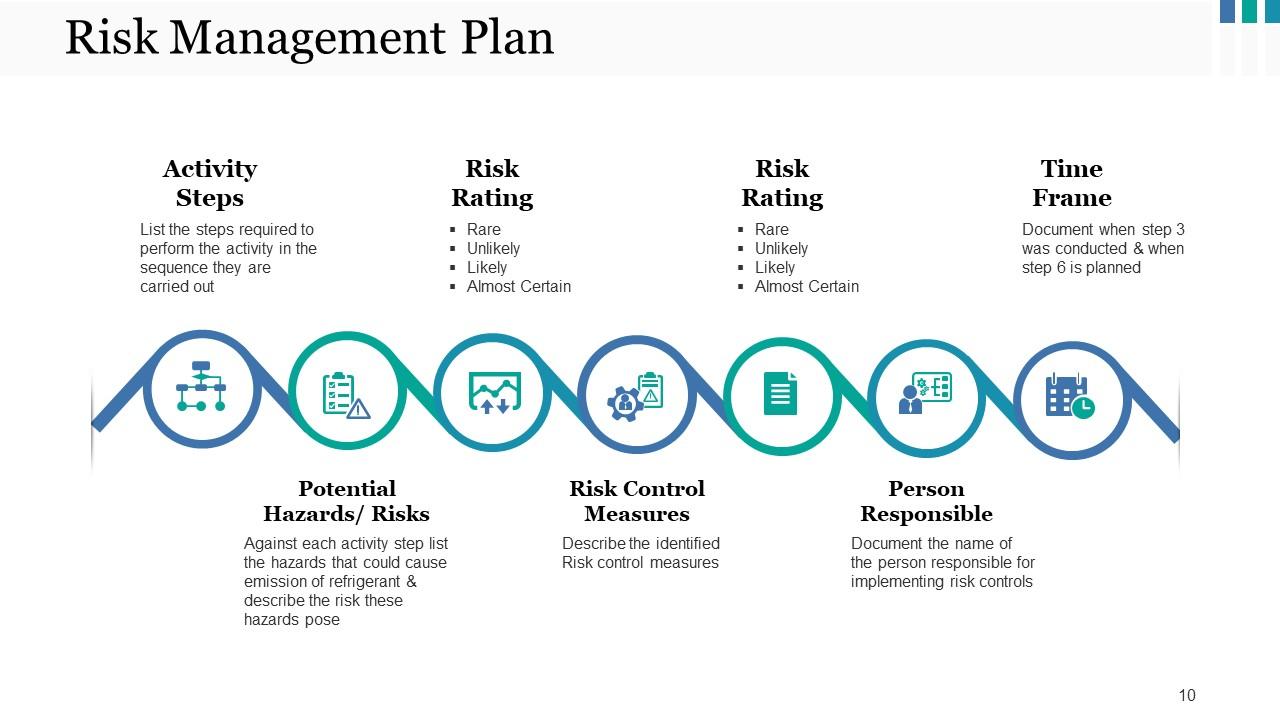
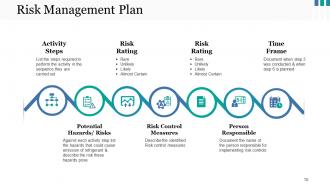
Slide 10: This slide showcases Risk Management Plan in tabular form showing- Type Of Risk, Outcome, Existing Risk Treatment Actions In Place, Rating, Additional Resources, Target Date, Person Responsible, Proposed Risk Treatment Actions To Mitigate Risk.
Slide 11: This is a Risk Management Overview Icon Slide. Use the icons as per requirement.
Slide 12: This slide shows Coffee Break image. You may change the slide content as desired.
Slide 13: This slide is titled Charts and Graphs to move forward. You can alter the slide content as per need.
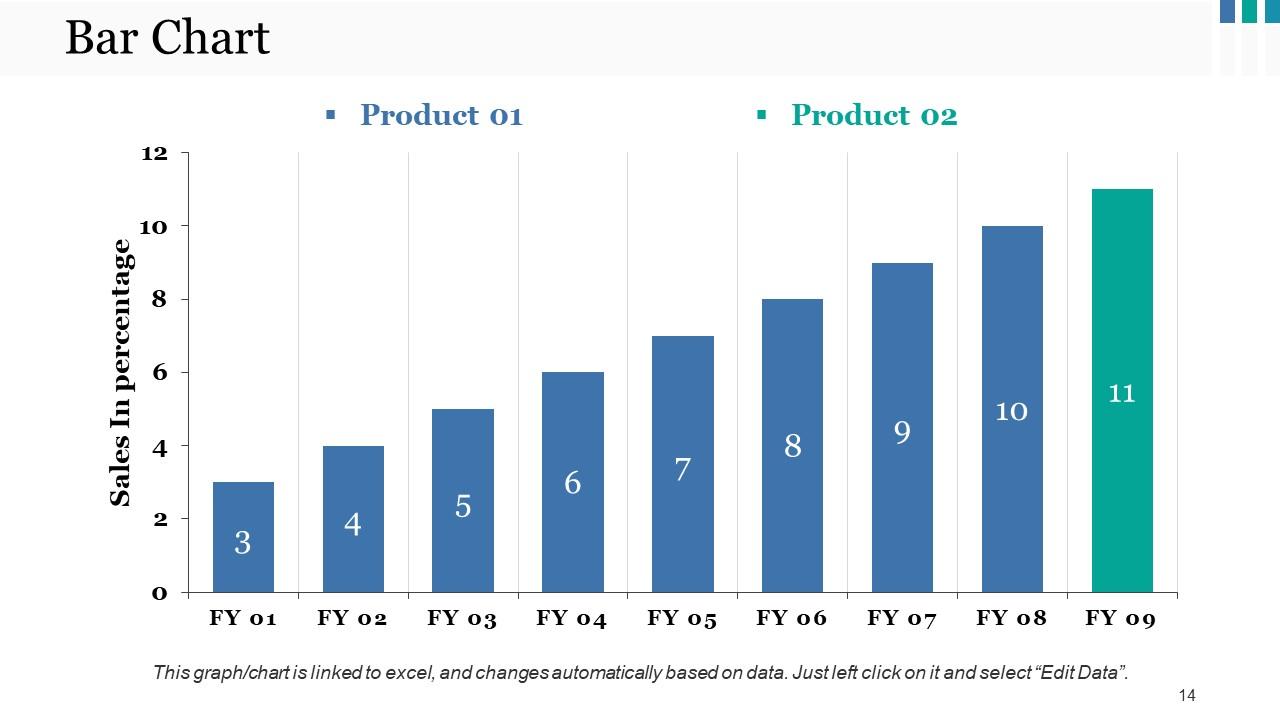
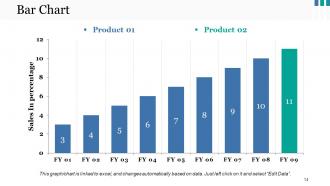
Slide 14: This is a Bar Chart slide. State specifications, comparison of products/entities here.
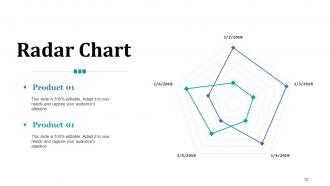
Slide 15: This is a Radar Chart slide to show product/entity comparison, specifications etc.
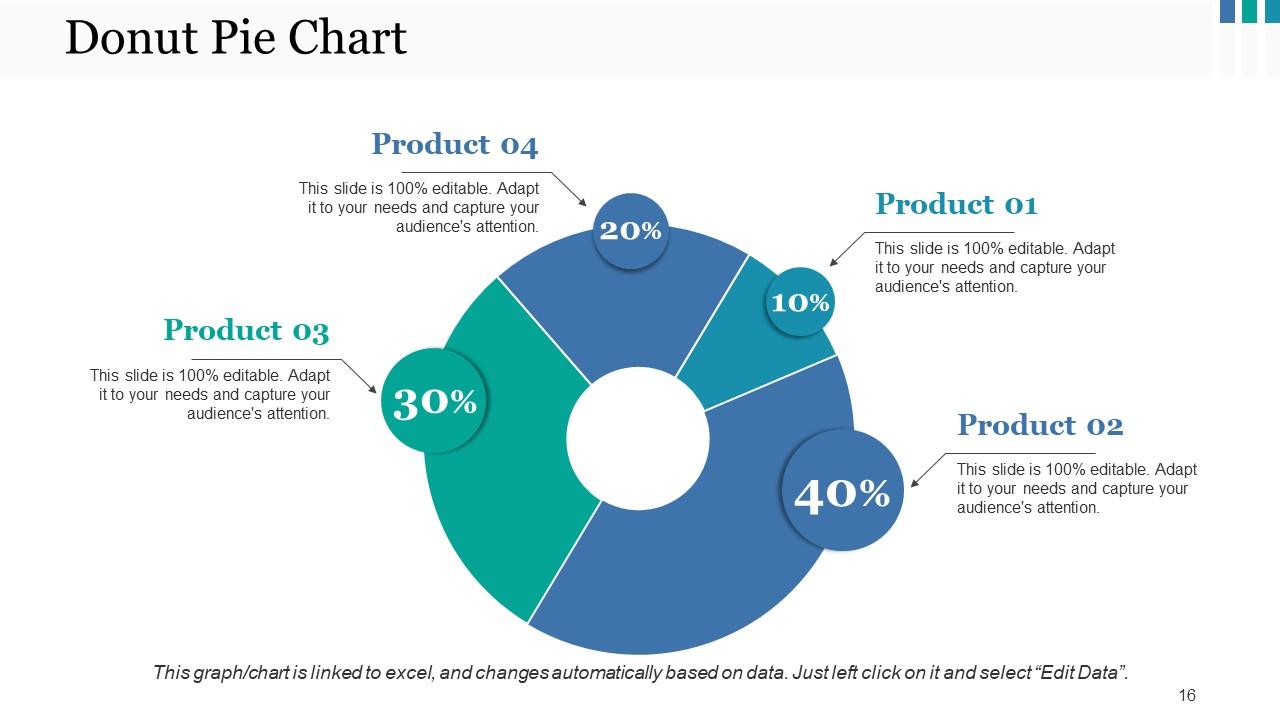
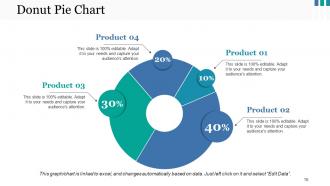
Slide 16: This is a Donut Pie Chart slide to show product/entity comparison, specifications etc.
Slide 17: This slide is titled Additional Slides to move forward. You may alter/modify the slide content as per need.
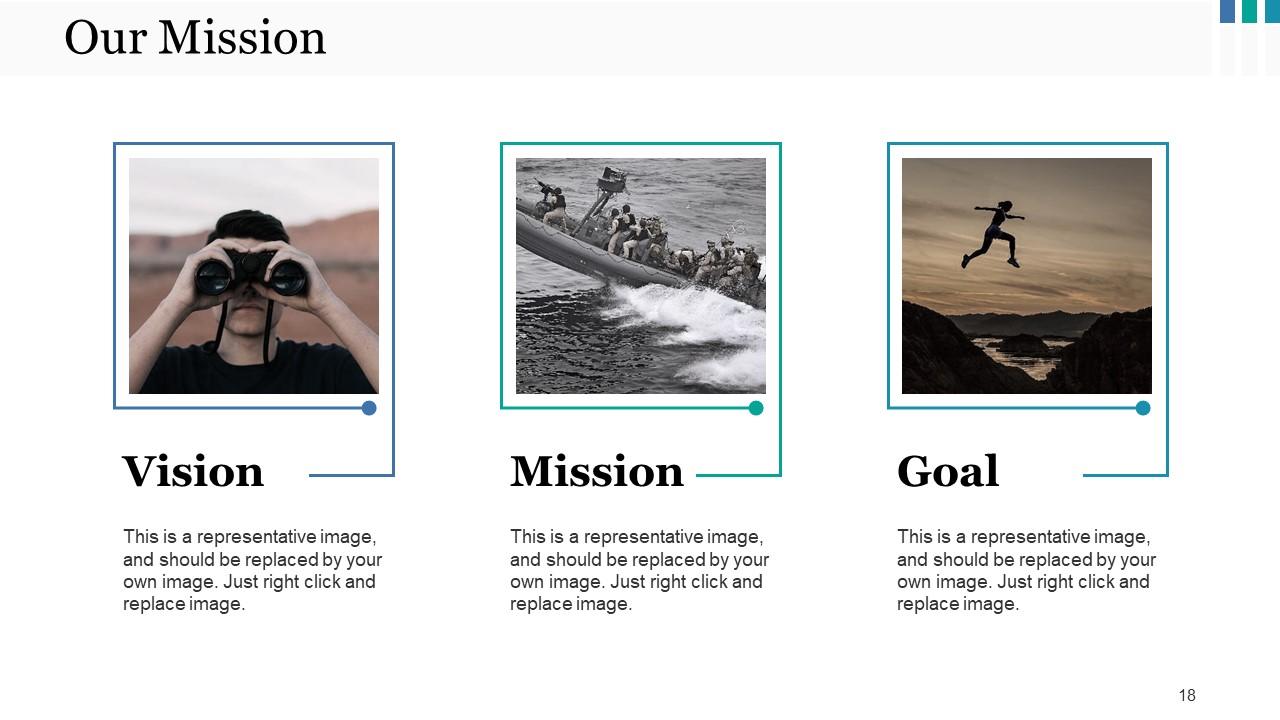
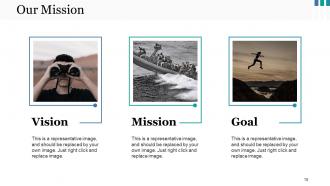
Slide 18: This is Our Mission slide. State its nuances/ details here.
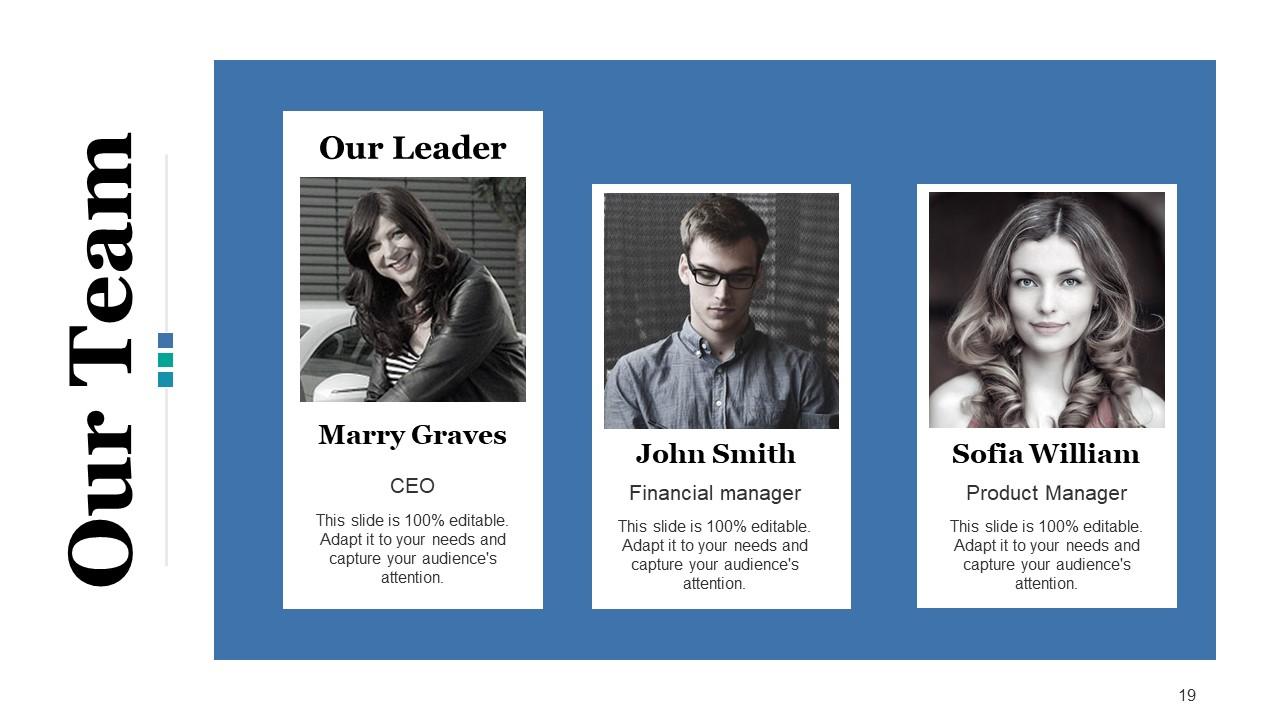
Slide 19: This is Our team slide with name, designation and text boxes to state information.
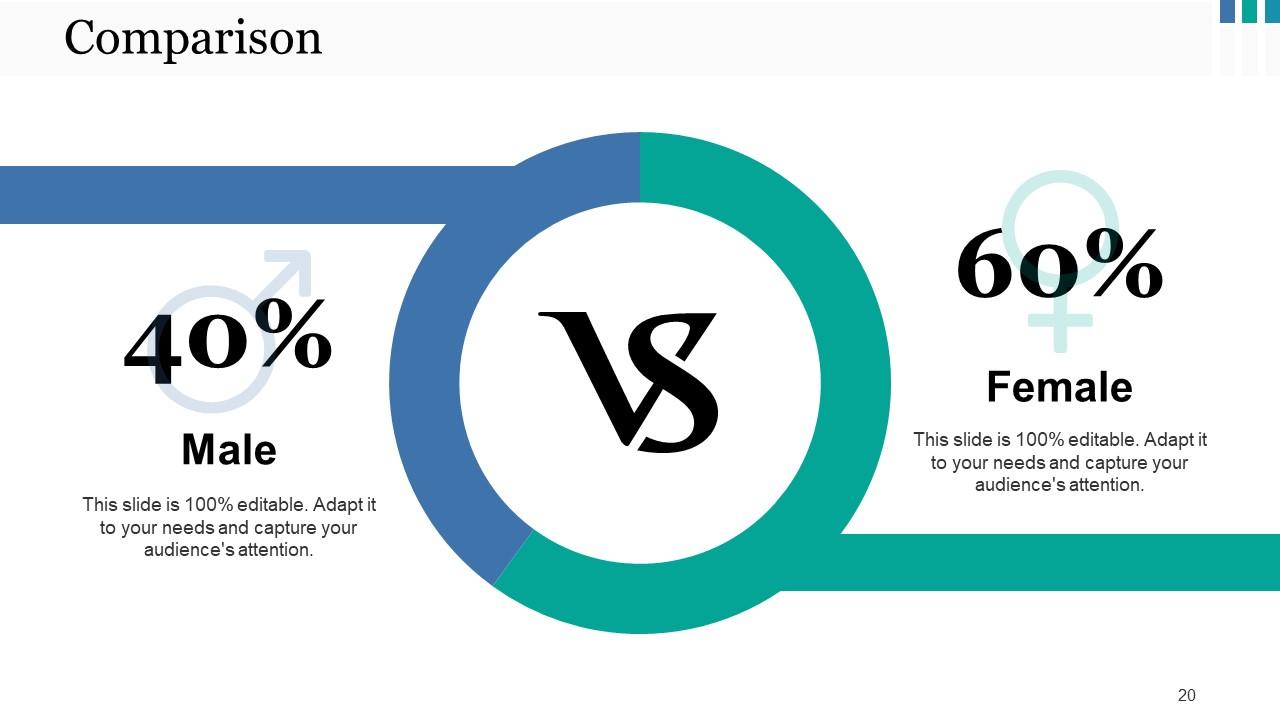
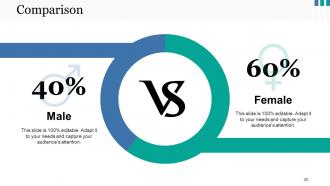
Slide 20: This is a Comparison slide for comparing entities/products etc. here.
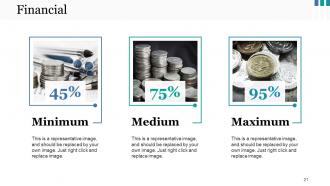
Slide 21: This slide is titled as Financials. Show finance related stuff here.
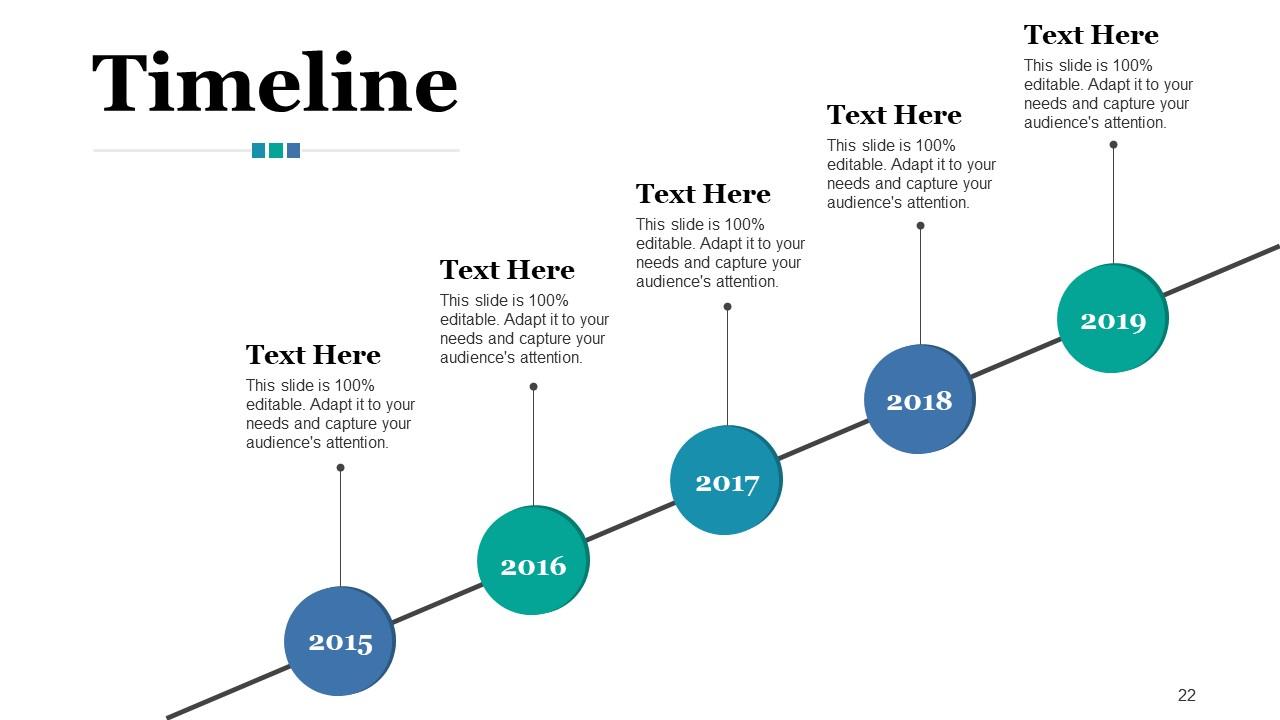
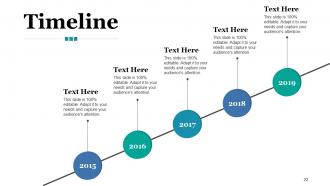
Slide 22: This slide presents a Timeline to show growth, milestones, evolution etc.
Slide 23: This is a Magnifying Glass image slide to showcase information, specifications etc.
Slide 24: This is a Bulb or Idea image slide to show ideas, innovative information etc.
Slide 25: This is a Thank You slide with Email, Address# street number, city, state, Contact Numbers.
Risk Management Overview Powerpoint Presentation Slides with all 25 slides:
The effect of our Risk Management Overview Powerpoint Presentation Slides will never erode. Your thoughts stay fresh for days on end.
FAQs for Risk Management Overview
So basically you need five things for risk management: spot what could go wrong, figure out how likely/bad it'd be, decide how to handle it, keep checking on everything, and make sure people actually talk to each other about it. Most teams totally slack on the monitoring part though - they'll set everything up then never look at it again, which drives me crazy. Oh and define who does what upfront or you'll get that "I thought you were handling it" mess. Don't overthink it at first. Just map your worst risks and build from there.
Start with your industry's compliance stuff - that's where the biggest risks usually hide. Check what disasters hit your competitors lately, especially lawsuits or major screwups. Industry groups publish solid risk reports too. Your frontline people are honestly your best resource though. They spot operational problems way before management does. Also watch for new threats - tech changes, shifting customer demands, that kind of thing. Oh, and definitely join at least one industry association. Worth the membership fees just for staying in the loop on what everyone else is dealing with.
Risk assessment is like your decision-making GPS - shows you potential problems before you dive headfirst into something big. You're basically comparing what could go sideways against what you might gain. Weather analogy works here: checking forecasts before beach plans, except your budget's on the line instead of just soggy sandwiches. It helps you prep backup plans and figure out how much cushion you'll need if things get messy. Honestly, most people only think about risks when they're already stressed, but doing it upfront for any major choice just makes sense.
Honestly, automating your data collection is a game changer. AI systems can catch weird patterns way faster than you ever could manually - and trust me, spreadsheet hell gets old quick. Dashboards give you everything at a glance, which is clutch for staying on top of risk metrics. Predictive stuff helps you see problems coming before they smack you in the face. Automated reports keep everyone updated without you constantly sending emails. I'd start with whatever's eating up most of your time right now and find tools for that first.
Oh man, the worst thing you can do is treat it like homework - check the box once and forget about it exists. Been there! Don't just focus on the obvious money stuff either. Pull in people from different teams regularly because they'll spot things you totally missed. What actually works? Schedule real reviews into your calendar. Write down who's handling what when stuff goes sideways. Otherwise you're just doing paperwork for paperwork's sake. The whole thing needs to feel alive, not like some dusty binder sitting on a shelf somewhere.
Honestly, skip the boring quarterly training stuff - make risk talks part of everyday work. Let people flag problems without getting in trouble first (this is huge). Bring it up in regular team meetings so it doesn't feel weird. Most folks actually want to help when they're not scared of backlash. Get your managers doing it too - monkey see, monkey do, you know? Reward the people who catch issues early, and use real stories from your industry so it actually matters to them. Make it feel like teamwork instead of gotcha moments.
Track both leading and lagging indicators - you need the full picture. Leading ones are like risk assessment completion rates, training participation, near-miss reports. Those show if your processes actually work. Lagging indicators? That's your real losses, incidents, claims. Also measure response time to new risks. Some teams obsess over perfect documentation but totally miss what matters (classic mistake). Honestly, just pick 3-5 key metrics that actually relate to your business. Simple dashboard, monthly reviews with stakeholders. Don't overcomplicate it.
Ugh, regulatory changes are such a pain - they basically make you tear apart your whole risk setup. Finance gets hit with new capital rules so you're constantly redoing calculations and stress tests. Healthcare? Don't even get me started on the data privacy stuff that flips how you handle patient info. Energy companies probably have it worst though - environmental regs can kill a project's profitability literally overnight. Building flexibility into your processes early saves your sanity later. When things shift, you'll be tweaking instead of panicking and rebuilding from scratch.
So the big ones right now are AI-powered risk analytics and climate risk stuff - both are huge. Cyber resilience is obviously critical too. Real-time monitoring is finally replacing those outdated quarterly reviews, which honestly makes way more sense. Third-party risk management is getting pretty sophisticated, especially after all the supply chain chaos we've seen. Oh, and ESG risks? They're actually affecting company valuations now, not just feel-good marketing. You'll want to take a hard look at your current risk framework and figure out where you've got gaps. Most companies are behind on at least two of these areas.
Think of scenario planning like mental rehearsals for your business. You dream up different futures - good, bad, totally weird - then work backwards to see how they'd mess with your company. Best part? When something actually goes sideways, you're not sitting there like "oh crap, now what?" You've already gamed it out. Sure, you can't predict everything (nobody saw a global toilet paper shortage coming), but you'll react way faster than competitors who are still figuring out what hit them. It's basically finding the holes in your safety net before you need it.
Honestly, start with your communication setup - have backup channels ready because Slack crashes at the worst times. Get everyone proper VPN access and updated cybersecurity training (remote workers get hit with phishing attempts constantly). Document your critical processes so you're not screwed when someone's unreachable. Cloud backups for everything, no exceptions. Regular check-ins catch problems early. I'd audit what you have now first and tackle your biggest weak spots. Oh, and maybe test your disaster recovery plan before you actually need it - learned that one the hard way!
Honestly, our brains are terrible at judging risk properly. We freak out about plane crashes but don't think twice about driving. Mental shortcuts totally screw us over - like when something bad happens recently, we act like it'll definitely happen again. Then there's that annoying overconfidence bias where we think we're way better at predicting stuff than we actually are. I always get anchored to whatever number I hear first too. Before any major decision, get someone else's take on it. Your gut isn't as smart as it thinks it is.
Think of insurance as your backup plan for when life goes sideways. You can't prevent every bad thing from happening, right? So instead of eating the full cost yourself, you pay a premium to shift that risk to someone else. It's not meant to be your first line of defense though - you still want to do the smart stuff upfront to avoid problems. The tricky part is figuring out how much coverage you actually need versus what salespeople try to sell you. Honestly, most people either go overboard or skimp too much. Match it to your real exposure and you'll be fine.

Dude, start with training your people and decent passwords - that's where most screw-ups happen anyway. Back up your data religiously, keep everything updated, and have a plan for when (not if) something goes wrong. Cyber insurance is pretty much a must-have now. Don't put all your eggs in one basket security-wise - layer different protections. Regular audits help you catch problems before the bad guys do. Oh, and focus on your most important stuff first. You can't protect everything overnight, so prioritize what actually matters to your business.
Keep it simple when you're talking about risks - ditch the fancy jargon that makes everyone's eyes glaze over. Different audiences need different approaches too. What resonates with executives will totally bomb with your frontline team. Honestly, I've read risk reports that might as well be written in ancient Greek! Set up some standard templates so people know what's coming and when. Create actual conversations instead of just dumping info on people. Let them ask questions and share what they're seeing day-to-day. That feedback loop is where the real insights happen.
-
Attractive design and informative presentation.
-
Best Representation of topics, really appreciable.