


Pestl as a key strategic tool good ppt example




Try Before you Buy Download Free Sample Product
 Impress Your
 Audience
 100%
100% Editable
 Save Hours
 of Time


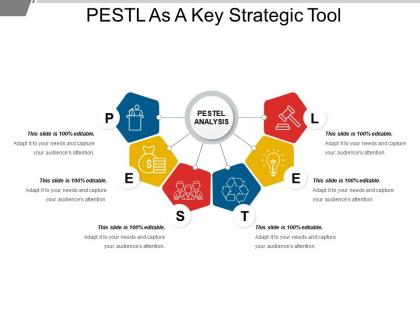
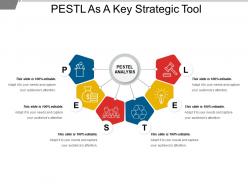
PESTEL is a most often used presentation used by organizations to analyze risk management; opportunity maximization; and threat minimization. In B2B and B2C companies, the PESTEL analysis PowerPoint model is of more significance. Since the business is always surrounded by some business environment, the macro environment of a business presentation template occupies a valuable place in regular business presentations. This uniquely designed presentation template has embedded PPT icons for each of its components which ensures better communication and demonstration amongst the audience. With so much of essential work to be executed at sole discretion, it becomes taxing for an individual to design the presentation from scratch. For this reason, PEST and PESTEL analysis PPT presentation graphic is of great assistance. The neat and impressive designing of the PPT provides more sense to your seminar topic. With this strategic tool presentation slide at your end, you need not to worry about design and graphics for creating the slides at the last minute. Halt the intrusions with our Pestl As A Key Strategic Tool Good Ppt Example. Don't allow distractions to invade your thoughts.
People who downloaded this PowerPoint presentation also viewed the following :
Pestl as a key strategic tool good ppt example with all 5 slides:
In this cutthroat presentation environment putting your best foot forward is crucial. Make your presentations stand above the rest with full color Pestl As A Key Strategic Tool Good Ppt Example.

FAQs for Pestl as a key strategic tool
PESTL covers Political, Economic, Social, Technological, Legal, and Environmental stuff that hits your business. Here's the thing though - don't just make separate lists for each one. They're all connected. Like when political shifts create new regulations, or tech changes how people behave socially. Economic downturns totally change what regulators focus on too. Map out the key factors first, then literally draw lines between the ones that affect each other. That's where you'll spot the real ripple effects coming your way. Way more useful than treating each category like it exists in a vacuum.
For each PESTL category, you'll need different sources. Government sites and central bank reports cover political/economic stuff. Social trends? Check demographic studies and consumer surveys - social media analytics too if you're feeling ambitious. Tech developments are everywhere in industry reports and patent filings. Legal changes usually show up in regulatory updates first. Environmental data comes from sustainability reports, though some are pretty dry honestly. Google Alerts will save you so much time here. Mix primary sources like government data with secondary analysis from consultancies. They interpret the raw info better anyway. Set up a simple spreadsheet and just update monthly.
Politics basically drives what people buy, sometimes in ways you wouldn't expect. New regulations are huge - like when emissions rules push everyone toward electric cars, or those sugar taxes make soda way less appealing. Healthcare changes can flip spending between insurance and what folks pay directly. Trade stuff matters too, honestly - tariffs make imported goods pricier so people either go domestic or just buy less. For your PESTL thing, figure out what political shifts could realistically mess with demand in your industry. I'd focus on the next 2-3 years since that's easier to predict.
Look, economic factors are basically the reality check for any strategy you're cooking up. Interest rates, inflation, GDP - all that stuff tells you what's actually doable vs what sounds good on paper. I've watched companies do complete 180s when the economic data just didn't support their big plans. Pricing, timing, where you put your money - it all hinges on what's happening economically. High unemployment? Maybe hold off on that luxury product launch, you know? The trick is matching your strategic moves to whatever economic mess (or boom) we're dealing with at the time.
So the "S" in PESTL is all about social trends - basically how people's attitudes and behaviors are changing. You want to look at demographic shifts, lifestyle changes, what consumers actually want now versus before. The wellness craze totally flipped the food industry on its head, right? Same with remote work killing demand for office spaces. These aren't just temporary things either - they're real shifts in how people live and spend their money. I'd start by picking 3-4 major trends hitting your industry and figure out if they're gonna help or hurt you.
Honestly, start with patent filings and R&D spending - that's where the real money talks. I'm obsessed with industry conference presentations because speakers basically reveal their roadmaps. Track what competitors are buying and watch startup funding in your space. Google alerts are your friend here. Don't just look at direct threats though. Sometimes the biggest disruptions come sideways from totally different industries. Like, who saw Netflix killing Blockbuster? Set aside time monthly to scan tech publications and ask yourself: what could completely change how my customers think? Make it a habit or you'll definitely miss something important.
So legal stuff basically controls who gets to play in your market and how. You've got licensing requirements, regulations, IP laws - all that creates barriers or opens doors. Patents might protect you (nice!), but other rules could let tons of new competitors flood in. Before jumping into any market, map out what permits you need and compliance costs. Honestly, existing players sometimes have regulatory advantages that are tough to crack. Oh and definitely budget extra time and money for legal headaches - they always take longer than you think.
So basically, use your PESTL stuff as a heads up system. Political shifts coming? Time to lobby or maybe move operations. Pricing might need tweaking if the economy's wonky, or go after different customers entirely. Social trends are goldmines - they'll either open new markets or force you to pivot products. Tech changes are honestly terrifying how fast they move, but you've gotta invest in innovation or find partners. Legal stuff usually means compliance headaches. Environmental factors mess with supply chains but create sustainability angles too. Don't just write a report and forget it - keep monitoring like it's your early warning system.
Yeah, PESTL analysis works great for this! You basically go through Political, Economic, Social, Technology, Legal, and Environmental factors for whatever markets you're eyeing. It's honestly like having a checklist so you don't miss obvious stuff. Perfect example - you might find a growing middle class (hello opportunity) or catch some new privacy laws coming down the pipeline that could mess with your plans. I'd probably start with your top target markets and just work through each factor. Takes a bit of time but way better than getting blindsided later.
Here's the thing - every industry has its own PESTL headaches you've got to plan for. Tech moves crazy fast with privacy laws and AI stuff changing constantly. Healthcare? Total maze of approvals and compliance. Manufacturing gets slammed by trade policies and environmental rules (seriously, the regional differences alone will drive you nuts). Financial services deal with compliance changes basically every week. Oh, and don't even get me started on how energy companies juggle environmental regulations. Point is, figure out what hits your industry hardest first. Then focus your analysis there instead of spreading yourself thin across everything.
Quarterly updates are usually a good baseline, but it really depends on your industry. Tech and healthcare? You'll probably want monthly check-ins since stuff changes constantly. More stable sectors can get away with twice a year. Set up some alerts for big political moves, economic shifts, social trends, and regulatory changes - trust me, you don't want to get caught off guard. I keep a running doc where I dump important changes as they happen (super messy but whatever), then dive deeper during scheduled reviews. The timing thing is honestly more art than science.
The biggest mistake? Going super shallow - you can't just make a list without actually thinking through how stuff affects your business. Don't make it a one-and-done thing either. These factors shift all the time, so you'll need to circle back regularly or your analysis becomes useless. Honestly, trying to analyze every single factor is a recipe for getting stuck in analysis paralysis. Pick the 3-4 things that actually matter for your situation. Oh, and here's the key part - connect each factor to real business impact instead of just identifying them. You're trying to analyze, not create some massive catalog of random information.
Look, don't try tackling everything at once - you'll just burn out your team. Make a simple grid: likelihood vs. business impact. High probability + big impact stuff? That's your immediate focus for the next 12-18 months. Medium items go on your quarterly check-in list. The low-impact trends honestly aren't worth stressing over right now. Just keep an eye on them passively. Pick maybe 3-5 top priorities and actually build action plans around those. I've seen too many companies get paralyzed trying to address every single PESTL factor simultaneously.
PESTL breaks down when things move fast - like if you're in crisis mode or dealing with super volatile markets. Your analysis gets outdated before you can even use it. Also, it's meant for big-picture macro stuff, so it won't help with day-to-day operational headaches or internal company drama. If you're in some weird niche industry, the standard categories might totally miss what actually matters to your business. Honestly, I'd never use PESTL alone - pair it with SWOT or competitor analysis. It's solid for long-term strategy planning, just not when you need quick tactical decisions.
So PESTL is all about what's happening outside your company - politics, economy, social stuff, tech changes, legal issues, environmental factors. Way more thorough than just the opportunities/threats part of SWOT. But here's the thing - SWOT also covers your internal strengths and weaknesses, which PESTL completely ignores. I'd use PESTL when you're planning strategy or thinking about new markets. You really need that deep dive into external factors. Then do SWOT after to figure out if you can actually handle what you found. They work well together honestly.
-
The content is very helpful from business point of view.
-
Visually stunning presentation, love the content.