

Diapositivas de presentación de powerpoint de creación de redes de productos y servicios





Try Before you Buy Download Free Sample Product
 Impress Your
 Audience
 100%
100% Editable
 Save Hours
 of Time


La creación de redes de productos y servicios es un modelo de negocio que se centra en facilitar las interacciones entre un gran número de personas. Ayuda en la conexión de compradores y vendedores a través de la formación de relaciones sociales, cooperación para lograr un objetivo común o esfuerzos continuos para mejorar el desempeño de los participantes ayudándolos a aprender juntos más rápido. Aquí hay una plantilla de red de productos y servicios diseñada de manera competente que se enfoca en el análisis del estado actual, el modelo lineal, la curva de costo promedio, los costos crecientes, etc., y los diferentes modelos comerciales que se ofrecen en la industria. Su función es proporcionar una estructura de gobierno, estándares y protocolos que faciliten las interacciones a gran escala para que se puedan desencadenar los efectos de la red. Nos hemos centrado en el modelo de negocio de la plataforma, cubriendo los beneficios, el modelo de lienzo, los componentes, los tipos principales y la categorización. El proceso de 5 pasos se centra en el análisis del entorno, la fase de ideación, la propuesta de valor, el diseño del servicio, la estrategia, los costos, la valoración y el plan de implementación. Personaliza esta plantilla 100 % editable. Descárgalo ahora.
People who downloaded this PowerPoint presentation also viewed the following :
Contenido de esta presentación de Powerpoint
Diapositiva 1 : Esta diapositiva presenta la creación de redes de productos y servicios. Indique el nombre de su empresa y comience.
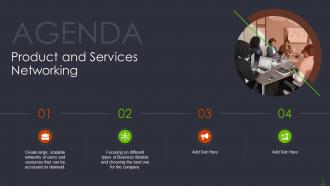
Diapositiva 2 : Esta es una diapositiva de Agenda. Indique sus agendas aquí.
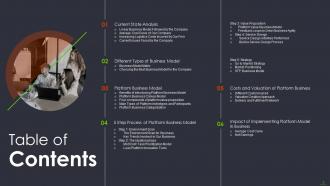
Diapositiva 3 : Esta diapositiva presenta la tabla de contenido de la presentación.
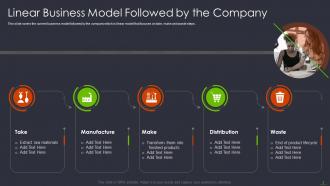
Diapositiva 4 : esta diapositiva muestra el modelo comercial lineal seguido por la empresa.
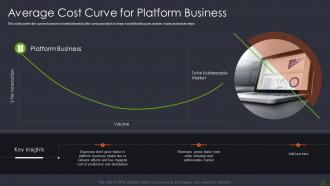
Diapositiva 5 : Esta diapositiva representa el costo promedio incurrido por nuestra empresa debido al modelo comercial lineal.
Diapositiva 6 : Esta diapositiva muestra los costos de logística en los que incurrió nuestra empresa, que incluyen costos de envío y costos de cumplimiento.
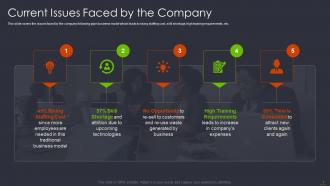
Diapositiva 7 : Esta diapositiva muestra los problemas que enfrenta la empresa al seguir el modelo comercial de tuberías.
Diapositiva 8 : Esta diapositiva presenta una matriz comercial lineal y no lineal basada en clientes nuevos y existentes.
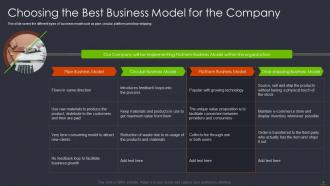
Diapositiva 9 : Esta diapositiva muestra la elección del mejor modelo de negocios para la empresa.
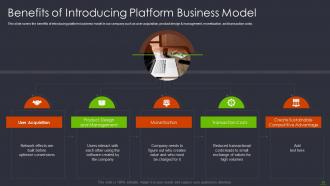
Diapositiva 10 : Esta diapositiva representa los beneficios de introducir el modelo de negocio de la plataforma.
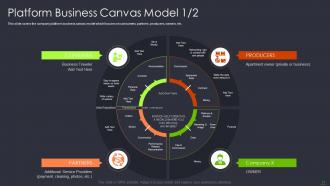
Diapositiva 11 : esta diapositiva muestra el modelo de lienzo comercial de la plataforma de la empresa que se centra en los consumidores, socios, productores, etc.
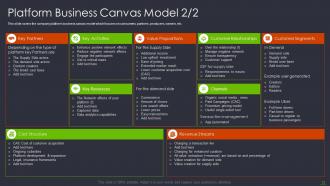
Diapositiva 12 : Esta diapositiva muestra el modelo de lienzo comercial de la plataforma de la empresa.
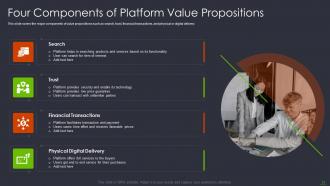
Diapositiva 13 : Esta diapositiva presenta los cuatro componentes de las propuestas de valor de la plataforma.
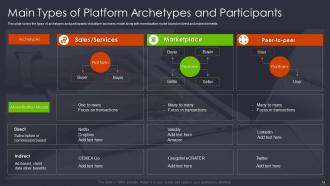
Diapositiva 14 : esta diapositiva muestra los principales tipos de arquetipos de plataforma y participantes.
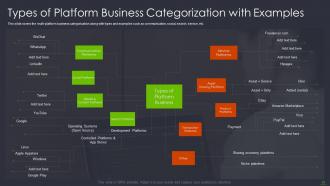
Diapositiva 15 : Esta diapositiva representa los tipos de categorización de negocios de plataforma con ejemplos.
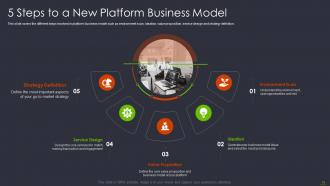
Diapositiva 16 : esta diapositiva muestra los diferentes pasos involucrados en el modelo comercial de la plataforma, como el análisis del entorno, la ideación, etc.
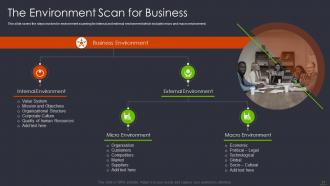
Diapositiva 17 : Esta diapositiva muestra los pasos involucrados en la exploración del entorno para el entorno interno y externo.
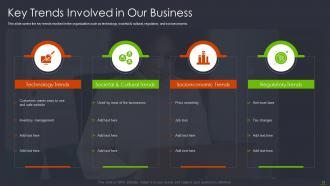
Diapositiva 18 : Esta diapositiva presenta las tendencias clave involucradas en la organización, como la tecnología, la sociedad y la cultura, etc.
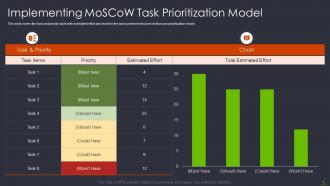
Diapositiva 19 : esta diapositiva muestra la tabla de tareas y prioridades con el esfuerzo estimado y el gráfico de las tareas realizadas.
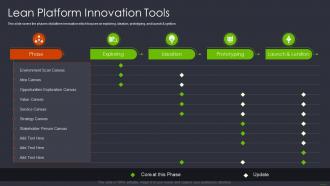
Diapositiva 20 : esta diapositiva representa las fases de innovación de la plataforma que se centra en la exploración, la ideación, etc.
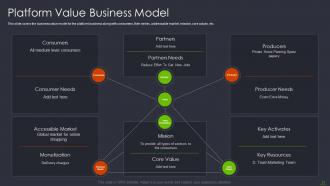
Diapositiva 21 : esta diapositiva muestra el modelo de valor comercial para el negocio de la plataforma junto con los consumidores, sus necesidades, etc.
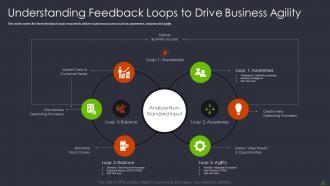
Diapositiva 22 : Esta diapositiva muestra Comprender los ciclos de retroalimentación para impulsar la agilidad empresarial.
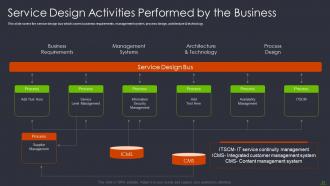
Diapositiva 23 : Esta diapositiva presenta las actividades de diseño de servicios realizadas por la empresa.
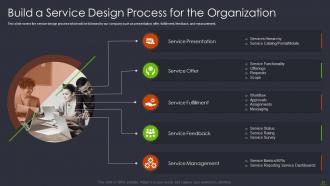
Diapositiva 24 : esta diapositiva muestra el proceso de diseño del servicio que seguirá nuestra empresa, como la presentación, la oferta, etc.
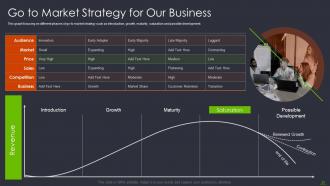
Diapositiva 25 : esta diapositiva representa las fases de la estrategia de acceso al mercado, como la introducción, el crecimiento, la madurez, etc.
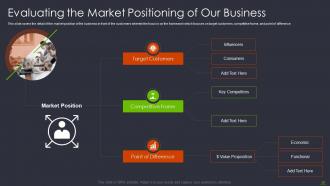
Diapositiva 26 : esta diapositiva muestra detalles de la posición de mercado de la empresa frente a los clientes.
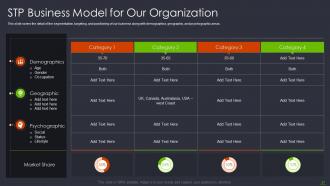
Diapositiva 27 : Esta diapositiva muestra el detalle de la segmentación, focalización y posicionamiento de nuestro negocio.
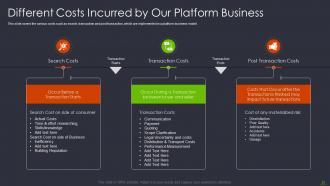
Diapositiva 28 : Esta diapositiva presenta diferentes costos incurridos por nuestro negocio de plataforma.
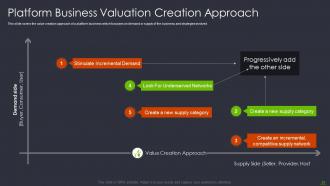
Diapositiva 29 : Esta diapositiva muestra el enfoque de creación de valor de un negocio de plataforma que se enfoca en la demanda o la oferta.
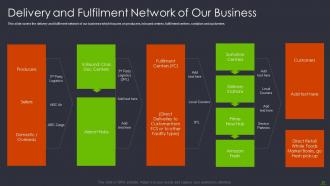
Diapositiva 30 : Esta diapositiva representa la red de entrega y cumplimiento de nuestro negocio que se enfoca en productores, centros de entrada, etc.
Diapositiva 31 : Esta diapositiva muestra un modelo interno que se enfoca en los pasos de tomar, hacer y desperdiciar.
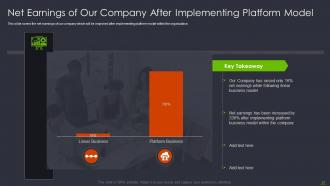
Diapositiva 32 : Esta diapositiva muestra las ganancias netas de nuestra empresa después de implementar el modelo de plataforma.
Diapositiva 33 : Esta diapositiva muestra iconos para implementar el modelo de negocio de la plataforma en la empresa.
Diapositiva 34 : esta diapositiva se titula Diapositivas adicionales para avanzar.
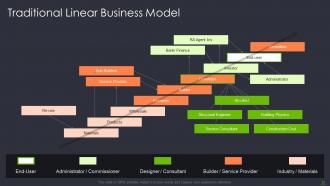
Diapositiva 35 : esta diapositiva muestra el modelo comercial lineal tradicional con imágenes relacionadas.
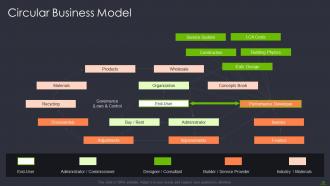
Diapositiva 36 : Esta diapositiva presenta el modelo comercial circular con íconos y texto relacionados.
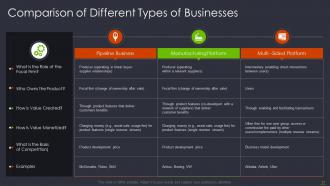
Diapositiva 37 : Esta diapositiva muestra la Comparación de diferentes tipos de negocios.
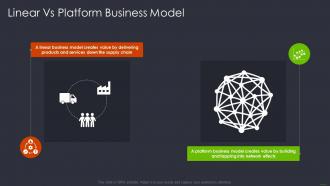
Diapositiva 38 : Esta diapositiva representa el modelo de negocio lineal frente a la plataforma.
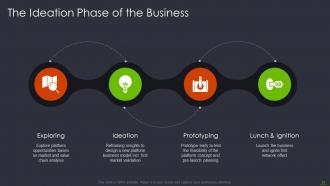
Diapositiva 39 : Esta diapositiva muestra la fase de ideación del negocio.
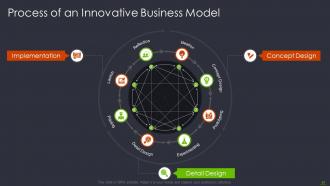
Diapositiva 40 : Esta diapositiva muestra el proceso de un modelo de negocio innovador.
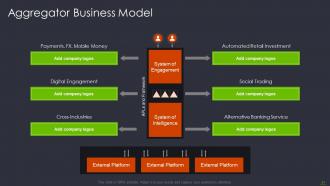
Diapositiva 41 : Esta diapositiva presenta el modelo comercial de agregador con cuadros de texto adicionales.
Diapositiva 42 : Esta es la diapositiva Nuestra misión con imágenes y texto relacionados.
Diapositiva 43 : Esta diapositiva contiene Rompecabezas con íconos y texto relacionados.
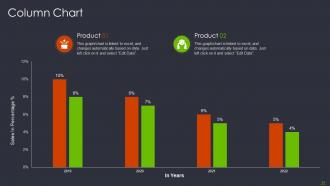
Diapositiva 44 : esta diapositiva muestra un gráfico de columnas con una comparación de dos productos.
Diapositiva 45 : Esta es una diapositiva de la línea de tiempo. Mostrar datos relacionados con los intervalos de tiempo aquí.
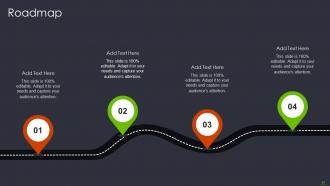
Diapositiva 46 : esta diapositiva presenta la hoja de ruta con cuadros de texto adicionales.
Diapositiva 47 : Esta diapositiva muestra Post-It Notes. Publique sus notas importantes aquí.
Diapositiva 48 : Esta es la diapositiva Nuestro objetivo. Indique sus objetivos aquí.
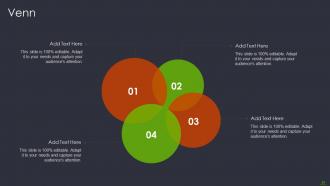
Diapositiva 49 : Esta diapositiva muestra el diagrama de Venn con cuadros de texto.
Diapositiva 50 : esta es una diapositiva de generación de ideas para exponer una nueva idea o resaltar información, especificaciones, etc.
Diapositiva 51 : Esta es una diapositiva de agradecimiento con dirección, números de contacto y dirección de correo electrónico.
Diapositivas de presentación de powerpoint de redes de productos y servicios con las 56 diapositivas:
Utilice nuestras diapositivas de presentación de Powerpoint de redes de productos y servicios para ayudarlo a ahorrar su valioso tiempo de manera efectiva. Están listos para encajar en cualquier estructura de presentación.












FAQs for Product and services networking
Look, networking basically gives you access to the hidden job market - like 80% of positions never even get posted publicly. You'll hear about stuff before everyone else does. Building real relationships means people actually think of you when cool opportunities pop up. I've gotten my best gigs through random conversations, not applications tbh. The mentorship angle is huge too - having someone who's been there can save you from making dumb mistakes. Start by helping other people out first though. Nobody likes the person who only shows up when they need something. It makes everything less transactional and way more fun.
Honestly, skip the whole "work the room" thing - it's exhausting and fake anyway. Pick like 2-3 people max and actually talk to them. I always prep a couple real questions about what they do beforehand so I don't just stand there awkwardly. Your listening thing is actually gold since most people at these events just wait for their turn to talk. Oh, and definitely follow up within a day or two with something specific you discussed. Way better than collecting a stack of business cards you'll never touch again.
LinkedIn's your best bet - seriously, just clean up your profile and start commenting on industry stuff. Twitter's decent if you can find the right people to follow, but honestly it's kind of a mess to navigate. For specific fields, check out GitHub if you're in tech or Behance for creative work. Oh, and don't overlook Discord servers and Slack groups! They feel way more chill but I've seen people land actual jobs through those connections. Pick whichever platform your industry uses most and just focus there first instead of spreading yourself too thin.
So here's what works: lead with your name and the problem you actually solve, not some generic job title nobody cares about. The formula I like is "I'm [name], I help [who] get [what result] by [your method]." Keep it stupid short - like 30 seconds max because honestly, everyone's distracted at these things anyway. Practice it until you're not stumbling over words. Then tweak it depending on who you're talking to. The whole point is making them think "oh, that could help me" instead of just listing your credentials. I always test a few versions to see which ones get people asking follow-up questions - that's how you know it's working.
Dude, emotional intelligence makes ALL the difference in networking. People can smell desperation from a mile away, you know? Don't be that person who just waits for their turn to talk - actually listen to what others are saying. Ask follow-up questions about stuff they genuinely care about. Half the battle is just reading the room properly and not being pushy. I learned this the hard way at some random conference last year where I totally bombed a conversation because I was too focused on my elevator pitch. Show real interest in people instead of constantly selling yourself. Your emotions matter too - stay calm and authentic rather than coming across as that awkward business card collector nobody wants to deal with.
Dude, networking is everything when you're switching careers. Most jobs get filled through connections anyway - way better than throwing your resume into the online void. Hit up people already doing what you want to do and ask for quick coffee chats. They'll tell you what skills actually matter and what the job's really like day-to-day. Plus your existing contacts might surprise you. That random college buddy? Could be your ticket in. I swear, informational interviews are gold - people love talking about their work if you just ask.
Consistency is everything with follow-ups, seriously. I'll send random check-ins or share articles I think they'd dig. Actually remembering stuff from our convos helps too - LinkedIn's decent for tracking this, but honestly? A quick "how'd that presentation go?" text hits different. Don't just hit people up when you need favors though. Share resources, make introductions, invite them to cool events. It's gotta feel mutual, you know? I set monthly phone reminders to ping different contacts - sounds dorky but it works. Oh and those "thinking of you" messages when you see something in their industry? Pure gold.
Ugh, the worst thing you can do is make it all about YOU right off the bat. Like, don't immediately pitch your stuff - people see right through that. Ask questions instead. Actually care about what they're doing, you know? And stop hoarding business cards if you're never gonna follow up properly. That's just weird. Online networking is tricky too - don't connect then disappear forever. Comment on their posts sometimes. Here's the thing though: good networkers help people out before they need anything back. Don't wait until you're desperately job hunting to start building relationships.
Your mentor's got years of connections you'd never reach on your own. They can make introductions that actually matter - not just random business card collecting, which honestly is pretty useless. Mine taught me how to work a room without being awkward (I was SO bad at this before). Here's the thing though: you gotta be specific about what connections you need. Don't just say "anyone in marketing." Tell them exactly what kind of role or company you're targeting. That way they can think of actual relevant people to introduce you to. Plus they'll coach you through the whole networking thing.
Oh man, culture totally changes the networking game! Some places you've gotta build personal relationships first before even mentioning work stuff - like, dinner and drinks for months before talking business. Others? Jump right into the professional talk, no problem. Communication styles vary wildly too. I learned this the hard way in Japan once, but that's another story. Research their norms beforehand if you can. Watch how locals interact at events. Personal space, gift customs, formality levels - it all matters. When you're unsure, go more formal and relationship-focused rather than being pushy.
Honestly, most people just collect business cards and do nothing with them - total waste. You've got like 48 hours max to follow up while they actually remember you. LinkedIn message works great, just mention something you two talked about so it doesn't feel random. I used to think it was weird reaching out, but people genuinely appreciate it most of the time. Don't be all salesy though. Share an article that relates to your chat or suggest coffee. Oh, and set reminders to touch base every few months - relationships die without maintenance.
Honestly, virtual networking can be way better than those awkward in-person mixers. Start with simple coffee chats over Zoom - people love talking about themselves anyway. Join online communities in your field and actually participate in discussions. LinkedIn's boring but it works - comment on posts instead of just sending random connection requests. Twitter hashtags for your industry are surprisingly good for meeting people. Oh, and virtual coworking sessions are having a moment right now. The trick is helping others first before you ask for anything. Just schedule one virtual coffee this week and see how it goes.
Honestly, personal branding makes networking way less awkward. People actually remember you when you're known for something specific. You go from being just another random person to "oh, you're the one who does X really well." Figure out what you want to be famous for first - could be anything from social media strategy to fixing broken processes. Then when you're at events or whatever, naturally weave in examples of that thing. Conversations get so much smoother because people know what you're about. I used to hate networking until I realized this - now it feels more like sharing what I'm good at rather than just collecting business cards.
So here's the thing - your portfolio and networking are basically best friends. People you meet will want to see your work, so having a good portfolio ready makes those chats actually worth it. But honestly? The networking part is what gets doors to open, even if your portfolio gets you noticed first. The people in your network can give killer feedback on your stuff or write testimonials. Your portfolio shows what you're capable of. Your network shows who believes in you enough to vouch for it. Don't just hide your work on some website - bring it up when you're talking to people.
Honestly, professional orgs are such networking goldmines. You're basically in rooms with people who get your career struggles and actually want to talk shop. The membership thing is clutch too - instant conversation starter instead of that weird weather small talk nobody wants. They throw events, workshops, panels, all designed for meeting people. Just don't be that person who only shows up for free snacks (though the food is usually pretty good). Pick maybe 2-3 groups that actually match what you're trying to do and show up consistently. Actually participate instead of lurking in the back.
-
Graphics are very appealing to eyes.
-
Very unique and reliable designs.