


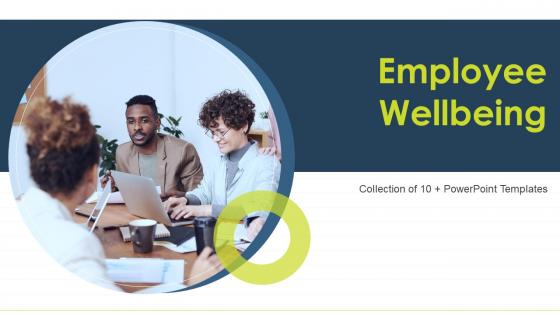
Employee Wellbeing Powerpoint Ppt Template Bundles




Try Before you Buy Download Free Sample Product
 Impress Your
 Audience
 100%
100% Editable
 Save Hours
 of Time


People who downloaded this PowerPoint presentation also viewed the following :
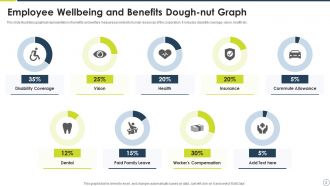
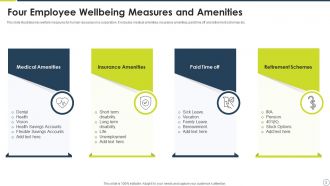
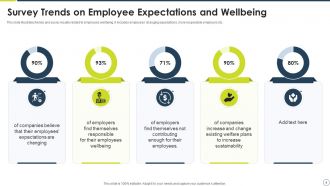
Employee Wellbeing Powerpoint Ppt Template Bundles with all 12 slides:

FAQs for Employee Wellbeing Powerpoint
So I'd focus on four main things: mental health support, physical wellness stuff, work-life balance, and financial help. EAPs are clutch, plus gym memberships or fitness perks. Flexible schedules make a huge difference too. Don't sleep on the social aspect though - people get lonely at work more than you'd think! Financial counseling and retirement planning are solid additions. Honestly, the biggest mistake is trying to launch everything at once. Survey your team first to see what they're actually asking for, then roll things out gradually. Way more manageable that way.
Track productivity stuff like output rates and project completions, plus absenteeism and turnover - those numbers don't lie. But honestly? The real gold is in actually asking your people how they're feeling. Quick pulse surveys about energy and job satisfaction tell you way more than spreadsheets ever will. I'd start measuring everything now for your baseline, then check back quarterly. Oh, and don't forget quality scores - sometimes people work faster but sloppier when they're burned out. The combo of hard data plus employee feedback gives you the whole picture.
Honestly, mental health is like the base layer for everything else at work. Your brain's struggling? Your body feels it too, plus your performance tanks and coworkers start getting on your nerves more than usual. Even basic decisions become way harder. I've definitely been there - some days anxiety makes answering emails feel like climbing Mount Everest, which sounds dramatic but you know what I mean. The fix doesn't have to be fancy though. Just check in with people regularly. Create actual space where your team can be real about their workload without sugarcoating it.
Honestly, remote work is kind of a double-edged sword. Sure, no more commuting is amazing, and you get way better work-life balance. But isolation hits hard sometimes - I actually miss those random coffee conversations more than I thought I would. The biggest trap? Your laptop's always there calling to you, so you end up working weird hours. Setting boundaries becomes crucial. Create a real workspace if you can, even if it's just a corner of your kitchen table. Schedule actual face time with your team too. Trust me, those check-ins make a huge difference for staying sane.
Honestly, start with boundaries - no after-hours emails unless it's actually urgent. Flexible schedules help tons when you can swing it. Remote work is a game changer too, gives people their commute time back. But here's the thing - you gotta walk the walk. Midnight emails from you = your team thinks that's normal. Mental health days are clutch. Even just protecting lunch breaks matters more than you'd think. Oh, and actually bug people to use their PTO! I swear some managers act like vacation days are decorative. Pick one thing and try it first.
So your managers need mental health first aid training and active listening skills - that stuff really works. They should learn to spot burnout and stress in their teams too. Communication training is honestly where you'll see the biggest difference though. Look for programs on psychological safety and setting boundaries around work hours. Oh, and definitely include how to have those awkward conversations about workload - managers hate those but they're so necessary. The trick is finding practical tools they'll actually remember and use, not just boring theory they'll forget by Friday.
Look, start by modeling it yourself - if you're stressed and working crazy hours, they'll think that's normal. Make it safe for people to actually say "I need a break" without feeling judged. Those fancy office perks? Pretty useless if everyone's drowning in work. Set realistic deadlines and let people take actual lunch breaks. I know it sounds basic, but check in about workload regularly. Survey people about how they're doing and - here's the key part - actually listen to what they tell you. Exit interviews can be brutal but they're gold for figuring out what's really broken.
Honestly, you don't need to blow your budget on this stuff. Remote work days or flexible hours are literally free but employees love them. I'd also throw in some regular check-ins - just asking people how they're actually doing goes further than you'd think. Mental health days work too, or even walking meetings if your office setup allows it. The recognition thing is huge and costs nothing. Maybe create some quiet spaces? My friend's company did that and people were way less stressed. Pick like 2-3 things max though - don't try to do everything at once because you'll burn out trying to manage it all.
Your workspace setup seriously affects how people feel at work. Natural light and decent temps make a massive difference for stress and focus. Open offices can help teamwork but honestly, they're terrible for concentration - you've got to figure out what works for your specific team. Plants and good colors actually do boost mood (sounds cheesy but it's true). I'd start by just asking your employees what annoys them most about the current space. Then fix those things first instead of doing some complete overhaul.
Honestly, start with a quick survey first - see what your team actually wants before you blow money on random apps. Mental health stuff like Headspace is always popular, and pulse survey tools help you track if people are actually happy or just pretending. Wellness platforms work great too - you'd be shocked how competitive people get over daily step counts lol. Don't go overboard though. Pick maybe 2-3 tools max or you'll just overwhelm everyone. Oh, and those EAP platforms for counseling access are solid if your budget allows it.
Just ask them directly what they actually want - surveys work, or just casual conversations. Everyone's different, right? Your 25-year-olds probably want mental health stuff while parents are desperate for childcare help or flex time. Cultural backgrounds change everything too. Honestly, the whole one-size-fits-all thing is dead. Give people like 2-3 solid options to start - maybe mental health support, flexible schedules, and something family-focused? See what people gravitate toward, then build from there. Don't overthink it at first.
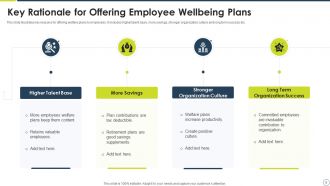
Honestly, investing in employee wellbeing pays off big time. People stick around when they feel like you actually give a damn about them. Healthcare costs drop too - which kinda blew my mind when I first saw the numbers. Plus productive employees are just... better at everything when they're not burned out. Your whole vibe as a company gets more positive, so recruiting becomes way easier. I'd start small though - maybe mental health support or flexible schedules. Don't think of it as throwing money away. It's more like planting seeds that'll grow into something way bigger.
Honestly, feedback is what stops your wellness programs from being total shots in the dark. Try anonymous surveys first - people are way more honest that way. Focus groups work too, but don't just ask "did you like it?" Ask about specific barriers and what's actually stopping them from participating. I swear, half the companies I know think their fancy meditation apps are crushing it when literally nobody opens them lol. Pulse checks after each session give you quick wins. Start doing this quarterly and actually change things based on what you hear - otherwise what's the point?
Definitely start with local gyms and EAP providers - those employee assistance programs are clutch for counseling and legal stuff your HR team can't handle. Survey your people first though, seriously. I've seen companies blow money on partnerships nobody uses. Gyms are surprisingly popular even though they seem obvious. Mental health clinics, financial advisors, meal delivery services all work well too. Oh, and don't sleep on pet insurance - sounds random but employees love it. The trick is finding providers who'll cut you group rates. Childcare partnerships can be gold if you've got younger staff.
So basically, make employee wellbeing part of your actual CSR strategy - like mental health programs, flexible schedules, professional development stuff. Then don't be shy about including it in your CSR reports. Happy employees work better anyway, so it's kind of a no-brainer. Partner with local wellness orgs or sponsor mental health initiatives that help your team AND the community. Oh, and measure real results - people can smell BS from a mile away when companies just do this for good PR. The authenticity thing is huge. You want genuine impact, not just fancy brochures that nobody reads.
-
It makes easy work of my work presentations. I’ve never had to be nervous about my presentations for meetings.
-
Kudos to SlideTeam for achieving the high success rate in delivering the top-notch slides.