


Playbook für Verkaufsstrategien Powerpoint-Präsentationsfolien




Try Before you Buy Download Free Sample Product
 Impress Your
 Audience
 100%
100% Editable
 Save Hours
 of Time


Das Playbook für Verkaufsstrategien gilt als ein wesentliches Dokument, das dem Verkaufsteam hilft, Best Practices, Taktiken und Strategien in den verschiedenen Phasen des Verkaufsprozesses einzusetzen. Hier ist eine kompetent gestaltete Playbook-Vorlage für Verkaufsstrategien, die Details zu den Angeboten und der Verkaufsleistung des Unternehmens enthält. Es umfasst Richtlinien für den Fortschritt im Vertriebsprozess, einschließlich der wichtigsten Aktivitäten im gesamten Vertriebsprozess, des Plans für Verkaufsgespräche, der Produktpositionierung und -botschaft, der Entwicklung idealer Kundenprofile, der Abstimmung der Käuferreise mit dem Verkaufsprozess, der Abbildung der Customer Experience Journey usw. Das Playbook deckt verschiedene Verkaufsmethoden in MEDDIC, SNAP Selling, Gap Selling für den Geschäftsabschluss ab. Es behandelt Details zum Verkaufsgespräch durch Inhalte mit Verkaufsinhaltsverwaltung, Arbeitsblatt zur Inhaltsplanung, Programm zur Pflege von Inhalten für potenzielle Käufer und Pflegeplan für potenzielle Käufer-Leads. Darüber hinaus bietet es Initiativen zur Verwaltung der Produktivität des Verkaufsteams durch effektive Kommunikation, eine Checkliste zur Verkaufssteigerung und ein Managementsystem zur Produktivitätssteigerung. Die Vertriebsmitarbeiter werden angesprochen, indem eine Berichtsstruktur für das Vertriebsteam entwickelt wird, die beteiligten Schlüsselpersonen identifiziert werden usw. Vertriebsleistungen und -aktivitäten werden durch wichtige Kennzahlen und Dashboards verfolgt. Jetzt zugreifen.
People who downloaded this PowerPoint presentation also viewed the following :
Inhalt dieser Powerpoint-Präsentation
Folie 1 : Diese Folie stellt das Verkaufsstrategie-Playbook vor. Geben Sie Ihren Firmennamen an und beginnen Sie.
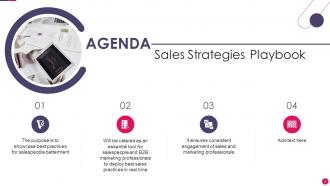
Folie 2 : Dies ist eine Agenda-Folie. Geben Sie hier Ihre Agenden an.
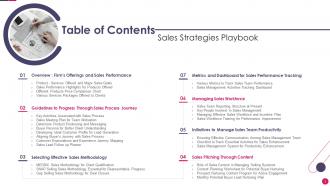
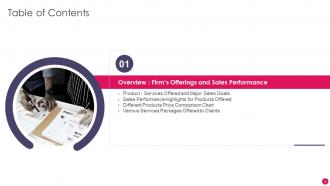
Folie 3 : Diese Folie zeigt das Inhaltsverzeichnis für die Präsentation.
Folie 4 : Diese Folie hebt Titel für Themen hervor, die als nächstes in der Vorlage behandelt werden sollen.
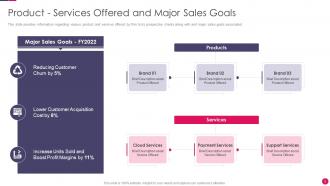
Folie 5 : Diese Folie zeigt verschiedene Produkte und Dienstleistungen, die das Unternehmen seinen potenziellen Kunden anbietet.
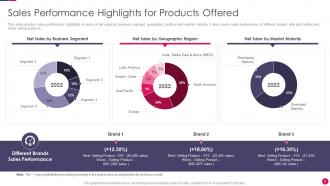
Folie 6 : Diese Folie zeigt die Höhepunkte der Vertriebsleistung in Bezug auf den Nettoumsatz nach Geschäftssegment, geografischem Standort usw.
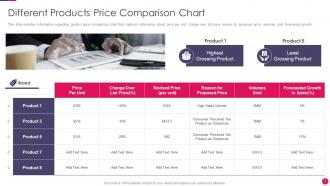
Folie 7 : Diese Folie zeigt ein Produktpreisvergleichsdiagramm, das Informationen über den Preis pro Einheit, den Listenpreiswechsel usw. erfasst.
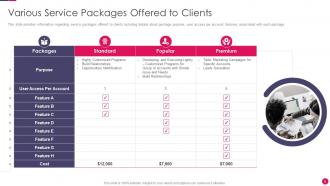
Folie 8 : Diese Folie präsentiert verschiedene Servicepakete, die Kunden angeboten werden.
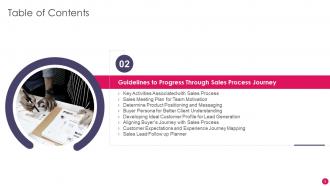
Folie 9 : Diese Folie zeigt das Inhaltsverzeichnis für die Verkaufsleitfadenvorlage.
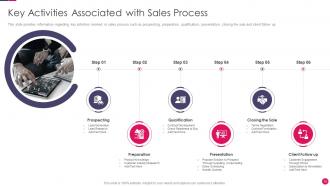
Folie 10 : Diese Folie zeigt die wichtigsten Aktivitäten im Verkaufsprozess wie Prospektion, Vorbereitung, Qualifizierung usw.
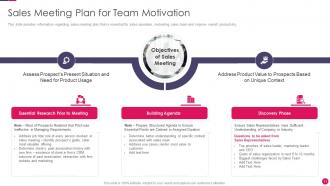
Folie 11 : Diese Folie stellt einen Verkaufsmeetingplan dar, der für den Verkaufsbetrieb, die Motivation des Verkaufsteams und die Verbesserung der Gesamtproduktivität unerlässlich ist.
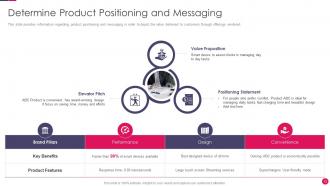
Folie 12 : Diese Folie zeigt die Produktpositionierung und -botschaft, um den Kundennutzen darzustellen.
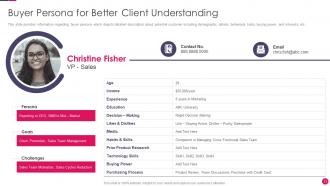
Folie 13 : Diese Folie präsentiert die Käuferpersönlichkeit, die eine detaillierte Beschreibung des potenziellen Kunden darstellt.
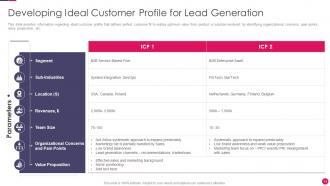
Folie 14 : Diese Folie zeigt die Entwicklung eines idealen Kundenprofils für die Lead-Generierung.
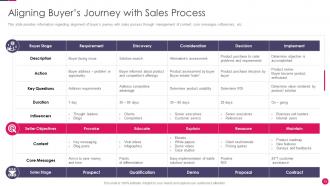
Folie 15 : Diese Folie zeigt die Ausrichtung der Reise des Käufers mit dem Verkaufsprozess durch die Verwaltung von Inhalten, Kernbotschaften, Influencern usw.
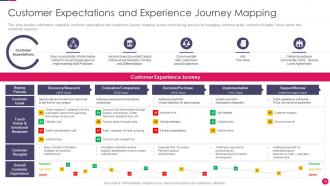
Folie 16 : Diese Folie repräsentiert die Kundenerwartungen und das Experience Journey Mapping.
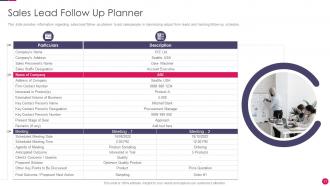
Folie 17 : Diese Folie zeigt den Vertriebs-Lead-Follow-up-Planer, der Vertriebsmitarbeitern hilft, den Output von Leads zu maximieren und den Follow-up-Zeitplan zu verfolgen.
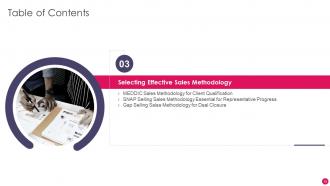
Folie 18 : Diese Folie zeigt das Inhaltsverzeichnis für die Verkaufsleitfadenvorlage.
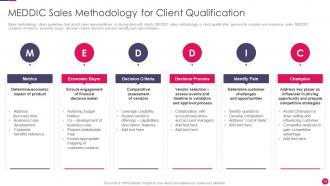
Folie 19 : Diese Folie zeigt Richtlinien, die Vertriebsmitarbeiter beim Abschluss von Geschäften mit Kunden unterstützen.
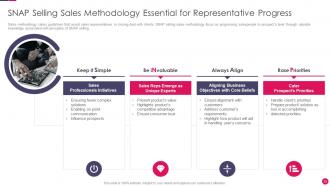
Folie 20 : Diese Folie zeigt die SNAP-Verkaufsmethodik, die für den Fortschritt des Vertriebsmitarbeiters unerlässlich ist.
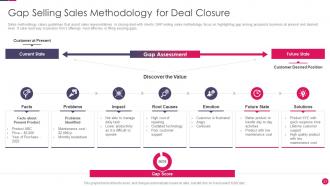
Folie 21 : Diese Folie stellt die Gap-Selling-Verkaufsmethodik für den Geschäftsabschluss dar.
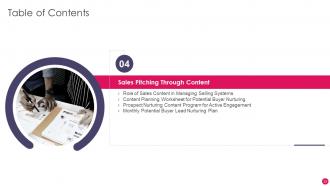
Folie 22 : Diese Folie zeigt das Inhaltsverzeichnis für die Verkaufsleitfadenvorlage.
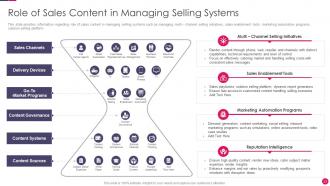
Folie 23 : Diese Folie zeigt die Rolle von Verkaufsinhalten bei der Verwaltung von Verkaufssystemen.
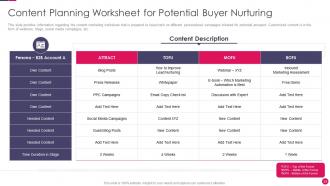
Folie 24 : Diese Folie zeigt ein Content-Marketing-Arbeitsblatt, das vorbereitet ist, um verschiedene personalisierte Kampagnen zu verfolgen.
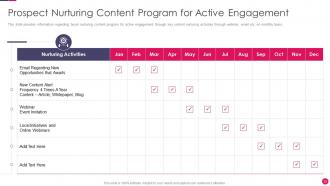
Folie 25 : Diese Folie zeigt das Content-Programm zur Förderung potenzieller Kunden für aktives Engagement.
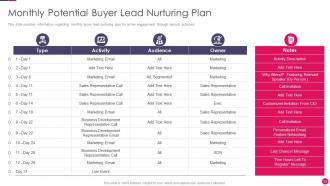
Folie 26 : Diese Folie stellt den monatlichen Käufer-Lead-Pflegeplan für aktives Engagement durch verschiedene Aktivitäten dar.
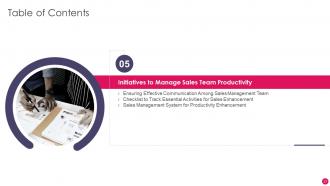
Folie 27 : Diese Folie zeigt das Inhaltsverzeichnis für die Verkaufsleitfadenvorlage.
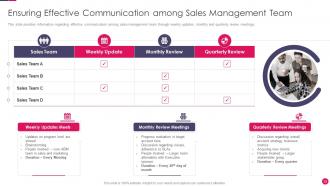
Folie 28 : Diese Folie zeigt eine effektive Kommunikation zwischen dem Vertriebsmanagementteam durch wöchentliche Updates, monatliche und vierteljährliche Überprüfung.
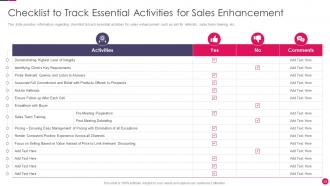
Folie 29 : Diese Folie zeigt eine Checkliste zur Verfolgung wesentlicher Aktivitäten zur Verkaufssteigerung.
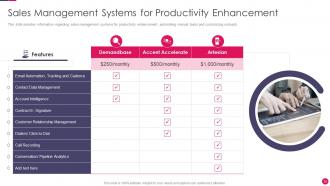
Folie 30 : Diese Folie zeigt Vertriebsmanagementsysteme zur Produktivitätssteigerung.
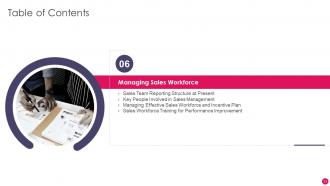
Folie 31 : Diese Folie stellt das Inhaltsverzeichnis für die Verkaufsleitfadenvorlage dar.
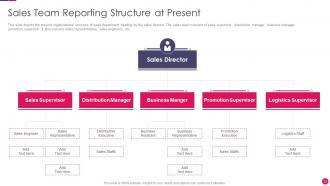
Folie 32 : Diese Folie zeigt die aktuelle Organisationsstruktur der Verkaufsabteilung unter der Leitung des Verkaufsleiters.
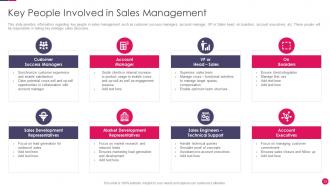
Folie 33 : Diese Folie stellt Schlüsselpersonen im Vertriebsmanagement vor, wie z. B. Kundenerfolgsmanager, Kundenbetreuer usw.
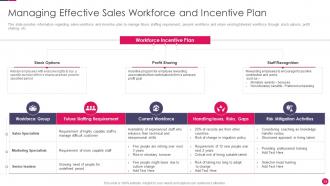
Folie 34 : Diese Folie zeigt die Vertriebsmitarbeiter und den Incentive-Plan, um den zukünftigen Personalbedarf, die aktuelle Belegschaft usw. zu verwalten.
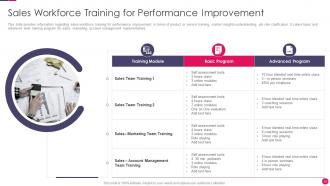
Folie 35 : Diese Folie zeigt Schulungen für Vertriebsmitarbeiter zur Leistungssteigerung.
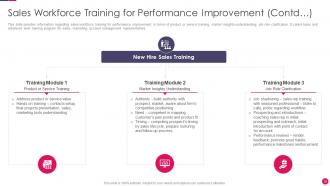
Folie 36 : Diese Folie repräsentiert die Schulung von Vertriebsmitarbeitern zur Leistungssteigerung in Bezug auf Produkt- oder Serviceschulungen.
Folie 37 : Diese Folie zeigt das Inhaltsverzeichnis für die Verkaufsleitfadenvorlage.
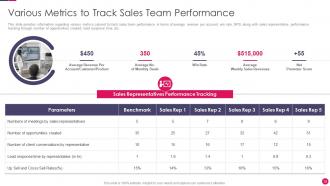
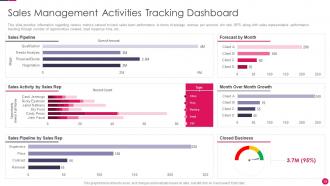
Folie 38 : Diese Folie präsentiert verschiedene Metriken zur Verfolgung der Leistung des Vertriebsteams.
Folie 39 : Diese Folie zeigt verschiedene Metriken, die darauf ausgerichtet sind, die Leistung des Vertriebsteams in Bezug auf den durchschnittlichen Umsatz pro Konto zu verfolgen.
Folie 40 : Diese Folie zeigt Symbole für das Verkaufsstrategie-Playbook.
Folie 41 : Diese Folie trägt den Titel „Zusätzliche Folien“, um voranzukommen.
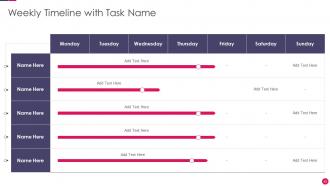
Folie 42 : Diese Folie stellt die wöchentliche Zeitleiste mit dem Aufgabennamen dar.
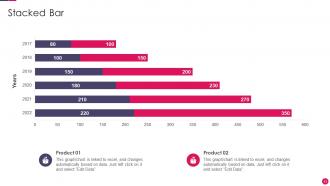
Folie 43 : Diese Folie stellt ein gestapeltes Balkendiagramm mit zwei Produktvergleichen dar.
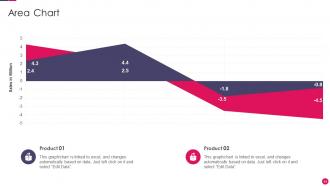
Folie 44 : Diese Folie zeigt ein Flächendiagramm mit zwei Produktvergleichen.
Folie 45 : Dies ist die Folie „Unser Team“ mit Namen und Bezeichnung.
Folie 46 : Dies ist unsere Zielfolie. Geben Sie hier die Ziele Ihres Unternehmens an.
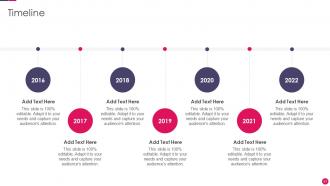
Folie 47 : Dies ist eine Timeline-Folie. Zeigen Sie hier Daten zu Zeitintervallen an.
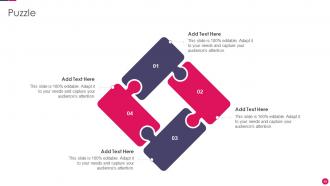
Folie 48 : Diese Folie enthält ein Puzzle mit zugehörigen Symbolen und Text.
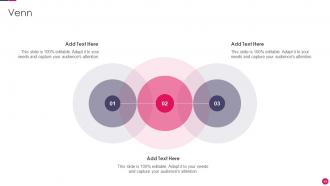
Folie 49 : Diese Folie zeigt ein Venn-Diagramm mit Textfeldern.
Folie 50 : Dies ist eine Dankeschön-Folie mit Adresse, Kontaktnummern und E-Mail-Adresse.
Verkaufsstrategien Playbook Powerpoint-Präsentationsfolien mit allen 55 Folien:
Verwenden Sie unsere Powerpoint-Präsentationsfolien zu Verkaufsstrategien, um Ihnen effektiv dabei zu helfen, wertvolle Zeit zu sparen. Sie sind gebrauchsfertig und passen in jede Präsentationsstruktur.





FAQs for Sales strategies playbook
Honestly, millennials can smell BS from a mile away, so authenticity is everything. They want real customer reviews, not polished marketing speak. Social media engagement works way better than traditional ads - show behind-the-scenes stuff and make sure your values actually match theirs. User-generated content is gold. Oh, and everything needs to work perfectly on mobile since they're always on their phones. Don't make them fill out tons of forms or wait around - they'll just leave. I'd start by looking at your current stuff and asking "does this feel genuine or like corporate fluff?"
Dude, stories are game-changers for sales presentations. People's brains literally light up differently when they hear narratives instead of boring feature lists. When you tell a customer success story, prospects can actually picture themselves in that situation - way more powerful than just rattling off specs. Plus it builds trust because you're showing real proof, not just making claims. I learned this the hard way after bombing a few pitches with pure data dumps. Try starting your next presentation with how you solved a similar client's problem. Trust me, you'll see the difference immediately.
Honestly, data analytics is like having a cheat sheet for sales. You'll actually see which leads turn into customers instead of just guessing. Track what your best prospects have in common, then focus there. Way better than shooting in the dark, you know? I mean, I used to think I knew my customers but the data showed me I was totally wrong about half my assumptions. Start small though - pick maybe two things to measure that actually matter to your numbers. Don't go crazy trying to track everything at once.
Honestly, social media works best when you're not being all salesy right away. Start by sharing stuff that actually helps people - case studies, industry tips, whatever solves their problems. LinkedIn's your best bet for B2B (duh). Instead of constantly pitching, just engage with your prospects' posts naturally. Comment on their stuff, be genuinely helpful. Social listening is clutch too - find people complaining about problems you can solve, then jump in with useful advice. I'd say pick 10-15 key prospects and start commenting on their posts this week. Build those relationships first, sales come later.
Honestly, it comes down to who's making the buying decision. B2B deals with multiple people in the mix - you've got managers, IT folks, finance teams all weighing in. Takes forever but the deals are usually worth more. B2C is way more straightforward. Someone sees your product, likes it, buys it. Quick emotional decisions vs those endless corporate approval chains. For B2B you'll need case studies, detailed demos, the whole nine yards. B2C? Just show clear benefits and make it easy to purchase. Figure out which audience you're targeting first, then match your approach to how they actually make decisions.
Track your lagging stuff first - revenue, conversion rates, deal size. That's the obvious part. But honestly? Leading indicators matter way more since they show what's coming. Watch activity levels, pipeline quality, how engaged prospects actually are. Daily and weekly targets too. Customer acquisition cost vs lifetime value is huge - don't want to hemorrhage cash chasing bad leads. Throw it all in a weekly dashboard so you can catch problems before they bite you. I learned this the hard way last year.
Start by actually listening to what they're saying - ask "what specifically worries you about that?" so you really get it. Then hit back with proof: testimonials, case studies, whatever you've got. There's this old sales trick called "feel, felt, found" that honestly works pretty well - like "I get how you feel, other clients felt the same way, but here's what they discovered..." Just don't get all defensive about it. That makes everything awkward. Oh, and definitely practice your responses ahead of time or you'll stumble through them when it actually matters.
Dude, EQ is everything in sales. Like, you can have the best pitch in the world but if you can't read people, you're toast. I've watched so many reps completely miss when someone's checked out or getting annoyed. The good ones? They pick up on tone, notice body language shifts, know when to back off. It's wild how much you can learn just by actually listening instead of waiting for your turn to talk. Honestly feels like a superpower once you get good at it. Try paying attention to voice changes on your next few calls - you'll be surprised what you catch.
Dude, customer feedback is like having cheat codes for sales. Listen to what people actually tell you and you'll start seeing patterns - maybe you're rushing through your pitch or hammering benefits they don't care about. Ask your recent wins AND losses what made them decide. You'll be shocked what comes up. The timing thing is huge too - I learned I was bringing up pricing way too early and scaring people off. Plus people love when you actually ask their opinion, makes them feel heard. Honestly, this one change probably boosted my close rate more than any other "technique."
You gotta actually talk to your customers first - like, real conversations about what was driving them crazy before they found you. Their exact words are gold because that's how other people in their shoes think too. Most companies just guess at this stuff and end up with boring, generic messaging that makes everyone's eyes glaze over. Map out what their typical day looked like when things sucked, then connect your solution to those specific headaches. Focus on the transformation they get, not your fancy features. Test different versions with prospects - you'll know you nailed it when they're like "omg yes, that's exactly what I'm dealing with."
Dude, social selling is where it's at right now. You gotta build real relationships on LinkedIn instead of just throwing pitches at people. Interactive stuff works way better - polls, quizzes, live demos. Static presentations? Nobody's got time for that anymore, honestly. Personalized video prospecting is crushing it too, especially when you call out their specific pain points. Oh and AI tools can help you figure out the best prospects and timing. But here's the thing - be helpful first, salesy second. Share valuable stuff in their feeds before you ever ask for a meeting.
Dude, you gotta personalize those pitches - it's honestly night and day. Nobody wants another boring "we increase efficiency by 30%" presentation (ugh, kill me now). Do like 10 minutes of homework beforehand and swap out at least 3 slides for their specific situation. Drop their company name, mention problems you found during research, show case studies from their industry. When prospects see you actually understand their exact pain points instead of some generic solution? They'll actually listen. It's kinda crazy how much this works, but people just want to feel heard, you know?
Honestly? Get everyone on the same CRM first - sounds basic but you'd be amazed how many teams still work in separate systems. Weekly syncs help too, where people actually share their wins and what's screwing them over that week. I'd also ditch individual-only targets and create some shared goals that force people to work together. Oh, and pipeline transparency is huge - when everyone can see what's happening across territories, it stops being this weird competitive thing. Your top performers probably have gold they're not sharing, so set up regular sessions for them to spill their secrets. Breaking down silos takes time but it's worth it.
Dude, cultural stuff will totally sink your international sales if you're not careful. Germans want straight facts and data - no fluff. But try that in Japan? You'll bomb because they need to build trust first. Decision-making is weird too - Americans love quick individual calls while other places need the whole team to agree. Honestly, even eye contact rules are different everywhere, which sounds minor but isn't. Get local sales people who actually know this stuff. Or at least do your homework on business customs before you jump in. Trust me on this one.
Dude, follow-up is literally what makes or breaks you in sales. Most reps bail after like 2 attempts, but here's the thing - 80% of deals need at least 5 touchpoints. You're basically leaving money on the table if you don't stick with it. Each follow-up needs to actually help them somehow. Share something useful, check where they're at, or tackle whatever new issue popped up. Don't just be like "hey, still interested?" The consistency thing is huge too - it shows you're not just trying to hit your quota and disappear. Set up reminders so you don't forget people. Trust me, being systematic about it pays off.
-
Wonderful templates design to use in business meetings.
-
Innovative and attractive designs.