

Beispiel-Dissertationsverteidigungs-Präsentation Powerpoint-Präsentationsfolien






Try Before you Buy Download Free Sample Product
 Impress Your
Audience
 100%
Editable
 Save Hours
of Time


Einführung Beispiel-Dissertationsverteidigungs-Präsentation PowerPoint-Präsentationsfolien, die Ihnen helfen können, die Aufmerksamkeit des Panels zu gewinnen. Die Dissertation Défense ist ein wichtiger Meilenstein für Studierende, da sie für den Abschluss eines Hochschulstudiums erforderlich ist. Thesis and Défense Dissertation PPT-Folien bieten den Strukturfluss für die Präsentation der Dissertation und helfen Ihnen auch, Ihre Daten zu organisieren. Der Aufbau der Dissertation PowerPoint-Komplettpaket enthält Vorlagen wie Agenda, Gliederung, Projekttitel, Einführung, Literaturübersicht, Zweckerklärung, Hypothese, Methoden, statische Analyse, Ergebnisse, Balkendiagramm, Tortendiagramm, Diskussion, Studienbeschränkungen, Schlussfolgerungsergebnisse, die Auswirkungen auf zukünftige Forschung, Referenz usw. MBA-Studenten können dies für ihre Abschlussarbeiten verwenden, sie können ihre Zeit und Mühe sparen, um ihre Präsentation von Grund auf neu zu erstellen. Laden Sie das PPT-Layout für den Dissertationsvorschlag herunter, um eine visuell ansprechende Präsentation zu erstellen. Geben Sie ihnen einen detaillierten Bericht über Ihr Fachwissen mit unseren Powerpoint-Präsentationsfolien zur Verteidigung der Dissertation. Sie sind ein ausgezeichnetes Briefing-Hilfsmittel.
People who downloaded this PowerPoint presentation also viewed the following :
Inhalt dieser Powerpoint-Präsentation
Folie 1 : Diese Folie stellt eine Beispielpräsentation zur Verteidigung der Dissertation vor. Geben Sie Ihren Firmennamen an und legen Sie los.
Folie 2 : Dies ist eine Agenda-Folie. Präsentieren Sie hier Ihre Agenda.
Folie 3 : Diese Folie zeigt die Gliederung der Dissertation mit Titelfolie, Einführung, Zweck, Methoden, statistische Analyse, Ergebnisse, Diskussion, Schlussfolgerungen, Referenzfolie.
Folie 4 : Dies ist eine Titelfolie zum Anzeigen Ihres Titelprojekts, Ihres Namens, Ihrer Abschlüsse / Zertifizierung, des Namens des Beraters für die Abschlussarbeit.
Folie 5 : Dies ist eine Einführungsfolie mit drei Punkten zum Darstellen/Anzeigen – Hintergrund zum Thema bereitstellen, mit unterstützender Literatur zitieren, den Bedarf für Ihre Forschung feststellen (auf die Lücke hinweisen).
Folie 6 : Diese Folie präsentiert Literaturübersicht. Sie können Ihre Theorien hier erwähnen.
Folie 7 : Diese Folie präsentiert eine Zweckerklärung mit Bildern.
Folie 8 : Dies ist eine Hypothesenfolie. Sie können Ihre Hypothese in den vorgegebenen Textfeldern formulieren.
Folie 9 : Diese Folie präsentiert eine Liste von drei Methoden – State Study Design, Define Groups, Participant Demographics.
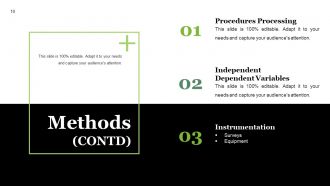
Folie 10 : Diese Folie zeigt auch Methoden, die diese drei Kategorien weiter einschließen – Verfahrensverarbeitung, unabhängige abhängige Variablen, Instrumentierung, Erhebungen, Ausrüstung.
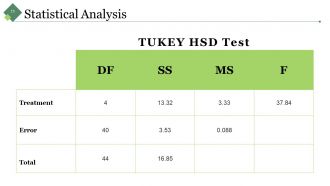
Folie 11 : Diese Folie zeigt die statistische Analyse mit der TUKEY HSD-Testtabelle.
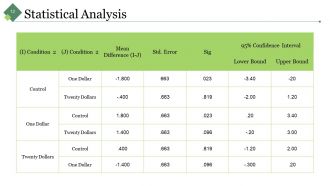
Folie 12 : Diese Folie zeigt auch die Tabelle der statistischen Analyse. Verwenden Sie es nach Ihrem Bedarf.
Folie 13 : Dies ist die Ergebnisfolie. Mit dieser Folie können Sie Ihre Unternehmensergebnisse präsentieren.
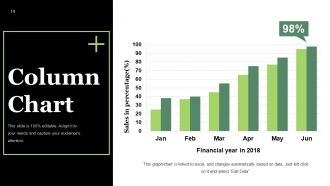
Folie 14 : Diese Folie zeigt ein Säulendiagramm, mit dem Sie die Produkte vergleichen können.
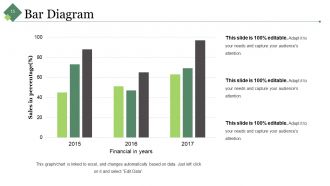
Folie 15 : Diese Folie zeigt das Balkendiagramm. Vergleichen Sie die Produkte damit.
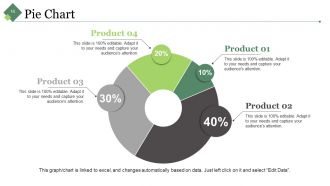
Folie 16 : Dies ist eine Kreisdiagrammfolie, die den Vergleich von Produkt 01, Produkt 02, Produkt 03 und Produkt 04 usw. zeigt.
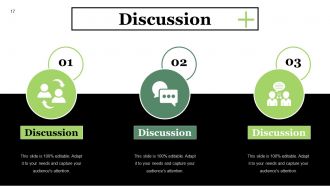
Folie 17 : Dies ist eine Diskussionsfolie. Hier können Sie über Ihr Unternehmen/ Ihre Produkte etc. diskutieren.
Folie 18 : Diese Folie zeigt die Einschränkungen Ihres Studiums. Erwähnen Sie sie in den vorgegebenen Textfeldern.
Folie 19 : Diese Folie präsentiert Schlussfolgerungen / Ergebnisse. Fügen Sie relevante Inhalte hinzu.
Folie 20 : Diese Folie zeigt Implikationen für die zukünftige Forschung. Listen Sie sie hier gemäß den durchgeführten Recherchen auf.
Folie 21 : Dies ist die Referenzfolie. Geben Sie hier Ihre Referenzen an.
Folie 22 : Dies ist eine Folie mit allen Fragen, um Ihre Fragen, Fragen usw. zu präsentieren.
Folie 23 : Diese Folie trägt den Titel Zusätzliche Folien, um vorwärts zu gehen. Sie können den Folieninhalt nach Bedarf ändern.
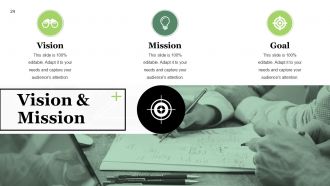
Folie 24 : Dies ist eine Vision & Mission-Folie, um Ihre Vision, Mission und Ziele zu zeigen.
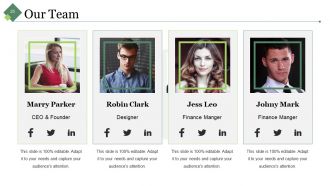
Folie 25 : Diese Folie zeigt unser Team mit Namen und Bezeichnung zum Ausfüllen.
Folie 26 : Dies ist eine Über uns-Folie, die Zielgruppen, Kundenwerte und von Vielen bevorzugt als Beispiele zeigt.
Folie 27 : Diese Folie zeigt Unser Ziel. Staatsziele etc. hier.
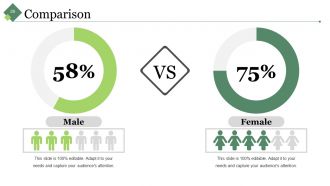
Folie 28 : Dies ist eine Vergleichsfolie zum Vergleich von Unternehmen/Produkten usw. hier.
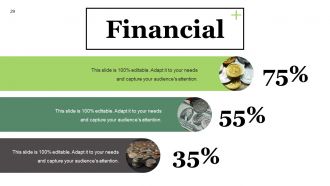
Folie 29 : Dies ist eine Folie zum Finanzergebnis. Staatsfinanzielle Aspekte etc. hier.
Folie 30 : Dies ist eine Zitate-Folie, um Unternehmensbotschaften, Überzeugungen usw. zu vermitteln. Sie können den Inhalt der Folie nach Bedarf ändern.
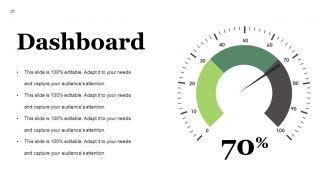
Folie 31 : Dies ist eine Dashboard-Folie zur Angabe von Metriken, KPIs usw.
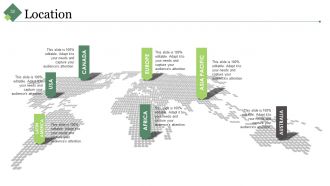
Folie 32 : Dies ist eine Standortfolie auf einem Weltkartenbild, um die globale Präsenz, das Wachstum usw.
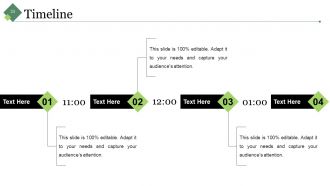
Folie 33 : Dies ist eine Timeline-Folie, die Entwicklung, Wachstum, Meilensteine usw. zeigt.
Folie 34 : Diese Folie zeigt Post-It-Notizen, die angezeigt werden sollen. Zeigen Sie hier Veranstaltungen, wichtige Informationen, Veranstaltungen etc. an.
Folie 35 : Dies ist eine Zeitungsfolie zum Flashen von Firmenereignissen, Nachrichten oder anderen Hervorhebungen.
Folie 36 : Dies ist eine Bildfolie aus Puzzleteilen, um Informationen, Spezifikationen usw. anzuzeigen.
Folie 37 : Dies ist eine Zielbildfolie. Landesziele usw. hier.
Folie 38 : Dies ist eine kreisförmige Bildfolie. Staatliche Spezifikationen, Informationen hier.
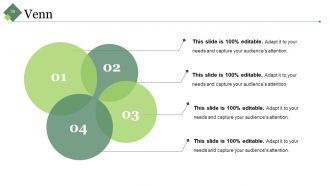
Folie 39 : Dies ist eine Venn-Diagramm-Bildfolie zur Anzeige von Informationen, Spezifikationen usw.
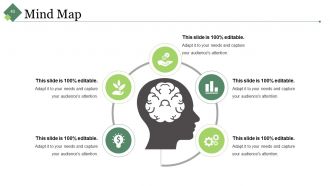
Folie 40 : Dies ist eine Mindmap-Bildfolie zur Anzeige von Informationen, Spezifikationen usw.
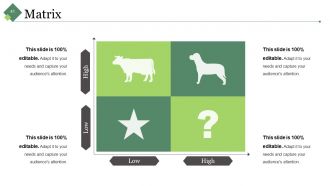
Folie 41 : Dies ist eine Matrixfolie zur Anzeige von Informationen, Spezifikationen usw.
Folie 42 : Dies ist eine Bulb With Idea-Bildfolie, um Ideen, innovative Informationen usw. zu zeigen.
Folie 43 : Dies ist eine Dankesfolie mit Adresse# Hausnummer, Stadt, Bundesland, Kontaktnummern, E-Mail-Adresse.
Beispiel einer Präsentation zur Verteidigung der Dissertation Powerpoint-Präsentationsfolien mit allen 43 Folien:
Mit unseren Powerpoint-Präsentationsfolien für Präsentationen zur Verteidigung der Dissertation werden die Augen automatisch fest fixiert. Sie erregen die Aufmerksamkeit auf den ersten Blick.
-
Sample Dissertation Defense Presentation
-
Agenda Slide
-
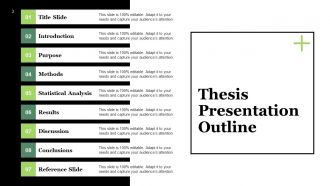
Thesis Presentation Outline
-
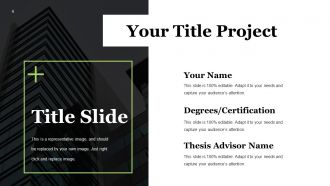
Your Title Project
-
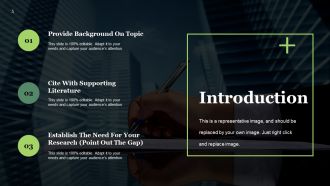
Introduction Slide
-
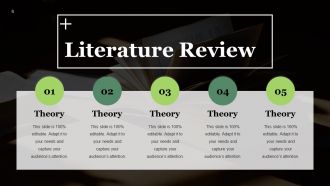
Literature Review
-

Purpose Statement
-
Dissertation Defense
-
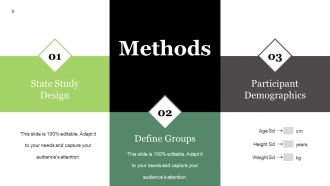
Methods
-
Methods CONTD
-
Statistical Analysis
-
Statistical Analysis
-
Results
-
Column Chart
-
Bar Diagram
-
Pie Chart
-
Discussion
-
Limitations Of Your Study
-
Dissertation Defense
-
Implications For Future Research
-
References
-
Dissertation Defense
-
Additional Slides
-
Vision Mission
-
Our Team
-
About Us
-
Our Goal
-
Comparison
-
Financial
-

Quotes
-
Dashboard
-
Location
-
Timeline
-
Post It
-
Newspaper
-
Puzzle
-
Target
-
Circular
-
Venn
-
Mind Map
-
Matrix
-
Bulb With Idea
-
Thank You Slide
FAQs for Sample Dissertation Defense Presentation
So for your defense, you'll want to hit three main things: the problem you tackled and why anyone should care, your methods plus what you found, and what it all means for the field. Committee members already read your whole dissertation anyway, so don't bog them down with every tiny detail. Tell the story instead. Practice explaining why you made certain choices because that's where they'll grill you the most. Oh, and have some future research ideas ready - shows you're not just done and checking out. Definitely do a practice run with friends first. They'll catch stuff that doesn't make sense.
Okay so here's what worked for me - lead with your "so what" moment right away because committees zone out fast if you don't hook them. Then do: research question, lit gap, methods, findings, implications. I know it sounds obvious but seriously practice your timing until you're sick of it! You want tons of time for questions since that's where you actually get to flex. Oh and use clear slide headers so people can follow along - my advisor was big on that. The whole thing should flow like you're telling a story, not just dumping info. Don't make them work to understand why your research matters.
Don't cram your slides with text - they should back up what you're saying, not BE what you're saying. Time management is huge too. I've watched people bomb because they blew 40 minutes just on background stuff. When they grill you with questions, don't take it personal or get snippy. Take a sec, breathe, then respond thoughtfully. They're testing if you actually know your shit. Oh, and definitely prep potential questions with your advisor beforehand - you'll want to pivot smoothly when things go sideways. Which they will.
Look people in the eye and throw in some rhetorical questions to keep them hooked. Visuals over text-heavy slides every time - seriously, no one wants to read while you're talking. I learned that the hard way lol. After you drop your big findings, pause and let it marinate. Show you actually care about your research too! Oh and practice dumbing down the complex stuff since you'll probably have committee members from other fields. Connect each section back to your main question so people don't get lost in the weeds.
Dude, don't sleep on visual design for your defense. Your committee needs to actually follow what you're saying, and messy slides will kill that vibe instantly. I've watched so many smart people bomb because their PowerPoints were straight chaos. Keep it simple - white space is your friend. Limit the text per slide and make your data visualizations actually readable. Honestly, your figures should make sense even if someone zones out during your talk (which they will). Skip the fancy animations and test everything on the real projector first. Trust me on that one - nothing's worse than surprise formatting issues.
Look up each committee member's background first - trust me on this one. When you hit the technical stuff, throw in quick explanations for the non-specialists without dumbing it down too much. I totally bombed this when my lit professor's eyes glazed over during my methods section lol. Try phrases like "For anyone not familiar with X..." or reference their work directly. Give the big picture first, then get into the weeds. The tricky part is smoothly switching between deep technical stuff and broader implications. Oh, and definitely practice those transitions beforehand - you don't want awkward pauses while everyone's staring at you.
Don't panic - just say "great question, let me think about that" and actually take a moment. Honestly, rushing your answer will probably make it worse. If you don't know something? Just say so. Explain how you'd figure it out or what you'd do differently next time. Your committee isn't trying to destroy you (even though it feels like it) - they want to see how your brain works through problems. The trick is staying curious instead of getting all defensive. Oh, and practice saying "I hadn't thought about it that way" beforehand so you don't sound like a deer in headlights.
Honestly? Practice WAY more than feels necessary. Get your friends or lab mates to grill you with questions - they'll probably be meaner than your actual committee lol. I used to hate practicing out loud but it really does help you catch awkward phrasing. Time yourself too because going over is embarrassing. Oh and committee members will definitely interrupt you mid-thought, so get used to that. Recording yourself is weird but useful for spotting nervous tics. The opening and closing are clutch though - nail those parts and you'll feel more confident even when the middle section gets rocky.
Begin with the big picture problem you're tackling - why should anyone care? That context is everything. From there, zoom into your specific question and objectives. Ditch the jargon completely. I usually say imagine explaining it to your smart but non-academic sibling - you'll be amazed how much clearer you get. A good hook helps too, like a wild statistic that makes people go "wait, really?" Practice your opening until it's second nature. Honestly, the intro is where most people's nerves kick in hardest, so nail this part and you'll feel way more confident.
Pick your top 2-3 findings and explain what problem each one actually solves. I'd start with "I found..." or "My research shows..." then jump straight into why anyone should care. Don't bog them down with methodology stuff - save that for when they ask questions later. Connect everything back to those literature gaps you mentioned earlier. Keep the language simple since some committee members might not know your specific jargon. Honestly, the methodology section is where most people lose their audience anyway. Wrap up by being super clear about how this pushes the field forward or what new questions it raises.
Keep your slides super clean - minimal text, lots of white space. Bullet points are fine but don't go crazy with them. Your committee should be listening to you, not reading paragraphs off the screen. Include your best charts and figures, obviously, plus a solid visual of your methodology. I'd skip any fancy transitions or animations - half the time they don't work anyway and you'll just stress yourself out. Make sure everything's high-res so people in back can actually see it. Oh, and practice clicking through beforehand! There's nothing worse than frantically hunting for a slide mid-presentation.
Time yourself practicing each section beforehand - seriously, do this. You'll want about 60-70% for your main content, then save the rest for Q&A. Questions always eat up way more time than you'd expect, it's wild. Your slides should be like a roadmap. Don't get bogged down explaining every tiny detail. Running behind? Skip those extra examples instead of racing through your big findings. Oh, and grab someone from the audience to signal you at halfway and the 5-minute mark. That outside nudge really helps you stay on track since it's so easy to lose track of time when you're presenting.
Honestly, just go with PowerPoint - your committee expects it and it won't randomly crash on you. Google Slides is solid too, especially for the cloud backup thing. I've watched so many people obsess over fancy animations when nobody cares about that stuff. Your research is what matters. Prezi looks cool but can be distracting tbh. If you're already doing LaTeX (and have tons of equations), Beamer works well. Oh, and definitely test whatever you pick on their actual setup beforehand. Always bring a backup USB with a PDF version - trust me on this one.
So first, split up their feedback - like is this about your actual content or just how you're presenting it? Content stuff means fixing slides where they called out your methodology or conclusions. Add examples if they said things were confusing. The presentation feedback is usually about pacing or slide design - honestly feels petty sometimes but whatever, committees care about this stuff. Don't just change everything though without thinking. I'd definitely set up another quick meeting to run through your updated presentation with them first. You don't want any surprises on defense day.
Honestly, practice way more than feels necessary - like, out loud until you're sick of hearing yourself. Your muscle memory saves you when nerves kick in. Get some friends to grill you with random questions beforehand. I swear visualization isn't total BS either - just picture yourself nailing the tough parts. Have backup plans ready because tech always fails at the worst moments. Show up early on defense day to test your setup and breathe for a sec. You've lived with this research forever, so you actually know it better than anyone else there.
-
Much better than the original! Thanks for the quick turnaround.
-
Commendable slides with attractive designs. Extremely pleased with the fact that they are easy to modify. Great work!