


Startup apparel company pitch deck ppt template




Try Before you Buy Download Free Sample Product
 Impress Your
 Audience
 100%
100% Editable
 Save Hours
 of Time


The faster you can get a product to market in the Apparel, the more competitive your company will be. Because of the necessity of speed-to-market, AFA companies must maintain an agile supply chain. Here is a professionally designed Start-Up Apparel Company Pitch Deck that includes various challenges faced by the customers, such as low quality of material used by the manufacturing companies, meeting the diverse expectations of the customers, etc. It includes the solutions offered by the footwear company, which covers new technology products provided by the footwear company, its background, mission, significant statistics, etc. It covers the value proposition slide, which shows why a customer should buy a product or service from our business, such as accessibility, innovation aspects, etc. Also, this template includes significant trends related to the footwear and accessories industry. It helps in addressing the primary target market of the company. The proposal covers slides related to Year-on-Year Market Growth in Percentage, Competitive Analysis Using Perceptual Map, investment asks by the company with information related to the utilization of funds, etc. Download our ppt for startup pitch now.
People who downloaded this PowerPoint presentation also viewed the following :
Content of this Powerpoint Presentation
Slide 1: This slide introduces Startup Apparel Company Pitch Deck. State Your Company Name and begin.
Slide 2: This slide shows Table of Contents for Startup Apparel Company Pitch Deck.
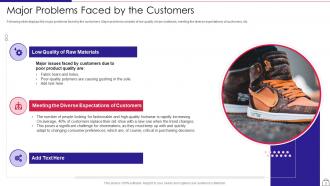
Slide 3: This slide presents major problems faced by the customers.
Slide 4: This slide displays higher-quality products that the consumer receives as a result of the new technology.
Slide 5: This slide represents Basic Introduction About the Footwear and Accessories Company.
Slide 6: This slide showcases Value Proposition Offered By the Footwear Company.
Slide 7: This slide shows Effective Footwear and Accessories Company Business Model.
Slide 8: This slide presents Major Trends in Footwear and Accessories Industry.
Slide 9: This slide displays primary target market of the company.
Slide 10: This slide represents the year-on year market growth of footwear and accessories industry.
Slide 11: This slide showcases the competitive landscape and perceptual map which includes various factors.
Slide 12: This slide shows the key partnership which makes the business model work.
Slide 13: This slide presents the product design and development timeline.
Slide 14: This slide displays the brand positioning structure of ABC Footwear and Accessories company.
Slide 15: This slide represents the top managing team details of ABC Footwear and Accessories Company.
Slide 16: This slide showcases funding requirement of ABC Footwear and Accessories company.
Slide 17: This slide shows Our Contact Details for ABC Footwear and Accessories Pitch Deck.
Slide 18: This slide presents Icons for Startup Apparel Company Pitch Deck.
Slide 19: This slide is titled as Additional Slides for moving forward.
Slide 20: This is About Us slide to show company specifications etc.
Slide 21: This slide shows Stacked Line Chart with two products comparison.
Slide 22: This slide presents Roadmap with additional textboxes.
Slide 23: This slide displays Clustered Bar chart with two products comparison.
Slide 24: This slide represents Venn diagram with text boxes.
Slide 25: This slide showcases Post It Notes. Post your important notes here.
Slide 26: This slide shows 30 60 90 Days Plan with text boxes.
Slide 27: This is a Comparison slide to state comparison between commodities, entities etc.
Slide 28: This is a Timeline slide. Show data related to time intervals here.
Slide 29: This is a Thank You slide with address, contact numbers and email address.
Startup apparel company pitch deck ppt template with all 37 slides:
Use our Startup Apparel Company Pitch Deck Ppt Template to effectively help you save your valuable time. They are readymade to fit into any presentation structure.
-
Startup Apparel Company Pitch Deck
-
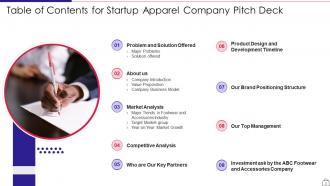
Table of Contents for Startup Apparel Company Pitch Deck
-
Major Problems Faced by the Customers
-
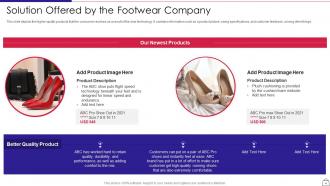
Solution Offered by the Footwear Company
-
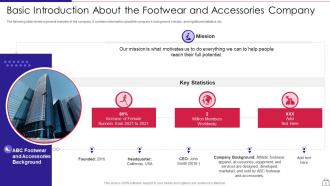
Basic Introduction About the Footwear and Accessories Company
-
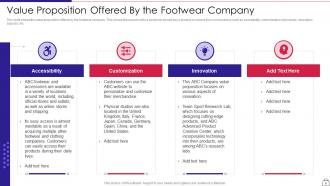
Value Proposition Offered By the Footwear Company
-
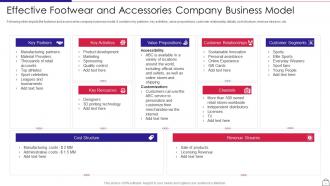
Effective Footwear and Accessories Company Business Model
-
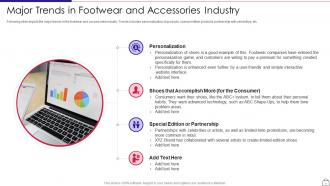
Major Trends in Footwear and Accessories Industry
-
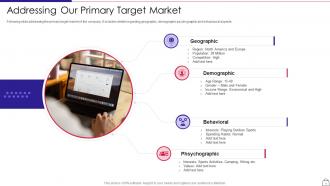
Addressing Our Primary Target Market
-
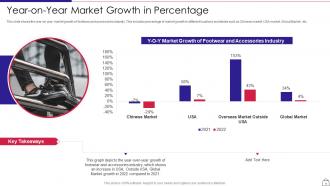
Year on Year Market Growth in Percentage
-
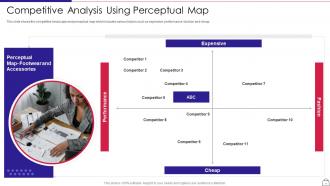
Competitive Analysis Using Perceptual Map
-
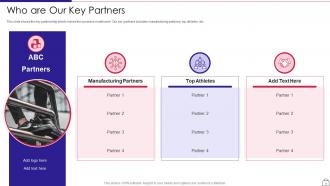
Who are Our Key Partners
-

Product Design and Development Timeline
-
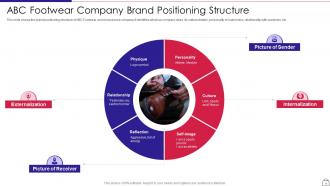
ABC Footwear Company Brand Positioning Structure
-
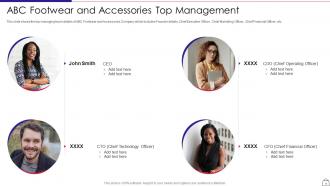
ABC Footwear and Accessories Top Management
-

Investment Ask and Utilization of Funds
-

Our Contact Details for ABC Footwear and Accessories Pitch Deck
-
Icons Slide for Startup Apparel Company Pitch Deck
-

Additional Slides
-
About Us
-
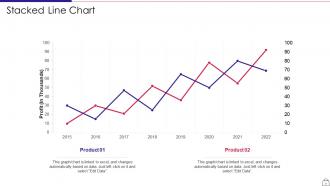
Stacked Line Chart
-
Roadmap
-
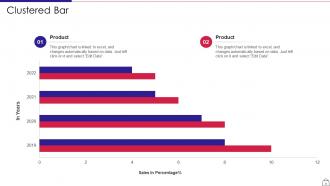
Clustered Bar
-

Venn
-
Post It Notes
-
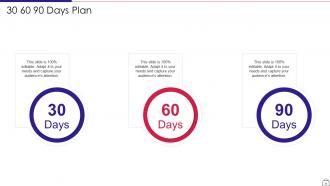
30 60 90 Days Plan
-
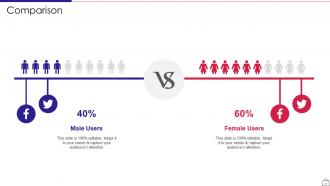
Comparison
-

Timeline
-
Thank You
-

-

-

-

-

-

-

-

FAQs for Startup apparel company pitch
Okay so you'll need the standard stuff - problem/solution, market size, business model, financials. But honestly, the brand story is everything in fashion. Investors want to buy into a lifestyle, not just another t-shirt company. Show your target customers, competition, and definitely include actual designs or prototypes. Supply chain is massive since manufacturing can totally screw you over. Traction matters too - pre-orders, social followers, whatever you've got. Keep it under 15 slides and make your deck look like your brand. Those generic pitch templates? They'll kill your vibe instantly.
Dude, storytelling is everything for pitch decks. Numbers alone? Boring as hell. Start with the problem that got you into this - like, what made you think "there's gotta be a better way?" Then show how your brand fixes it and where you're going next. I sat through this one pitch where the guy just rattled off fabric specs and profit margins... totally forgot about him by lunch. But tell me about your customer's actual experience or why this matters to you? Now I'm paying attention. Structure each slide so it builds your story. Trust me, investors remember stories way longer than they remember spreadsheets.
Ok so three main things you need: market size (both total and your specific slice), growth trends from the last few years, and who you're competing against. The whole apparel market is massive but investors only care about your piece of it. Get specific with demographics for your customers, check pricing on similar brands, seasonal stuff too. Honestly being super niche works way better - like "women's activewear" crushes just saying "clothing." Use legit sources like IBISWorld or Euromonitor. Oh and always tie it back to why this data actually means there's opportunity for your brand specifically.
Okay so first figure out your revenue model - how you'll make money per category, pricing, unit economics, all that. Then do 3-5 year projections with revenue, gross margins (honestly this is huge for apparel since costs are all over the place), plus your main expenses like manufacturing and marketing. But don't get too in the weeds with spreadsheets. Investors just want to see you get the basics, not that you're an Excel wizard. Include your assumptions about market penetration too. Wrap it up with your funding ask and how that cash helps hit those numbers. Keep it realistic.
Go minimal with your layouts so the clothes are the star. High-quality lifestyle shots work way better than just flat lays (save those for showing details). Pick a color palette and actually stick to it - I swear some decks look like someone threw paint at a wall. Two fonts max: one for headlines, another for everything else. Your product photos need to be sharp and well-lit, obviously. Oh, and create a mood board first! It'll save you from second-guessing every design choice later. Clean backgrounds won't compete with your pieces either.
Put your USP front and center - like slide 2 or 3. Be super specific with numbers: "30% more sustainable materials" hits way harder than vague stuff like "eco-friendly." Everyone claims they're "premium quality" so honestly, skip that entirely. Instead, show what makes you different with real data or customer quotes. Visual comparisons work really well too. The test? Your investors should remember your key differentiator when they're talking to their partners later. If they can't repeat it back, you weren't clear enough. Keep it simple but concrete.
Honestly, customer personas are huge for apparel pitch decks. They show investors who you're actually designing for and why those people will buy. Include demographics, shopping habits, pain points, style preferences - the works. So many founders totally skip this step then act surprised when investors look confused about their market lol. Your personas prove real demand exists. They also justify your pricing and marketing choices. Just make sure you're backing everything up with actual research, not just wild guesses about who might wear your stuff. Data beats assumptions every time.
You need to map out 3-5 direct competitors for investors - show their pricing, who they target, what makes them different. But here's the thing: don't just bash them. Find the actual gaps they're missing that you can fill. Point out specific weaknesses or customer segments they're ignoring. Then explain how your positioning or features hit those opportunities they left behind. Oh, and definitely include a competitive matrix slide - makes it super visual where you actually win. Honestly, this shows you get the market way better than founders who just wing it.
Dude, skip the sketches and mockups - real photos of people wearing your stuff is everything. Get close-up shots of the fabric details and construction quality, plus any cool features that make you different. Video works even better if you've got it. Honestly, flat lays on hangers just don't hit the same way. Lighting matters more than you think - grainy pics will kill your vibe. Still in sampling? That's fine, just be honest about it and show what you have so far. Don't forget to end with next steps like production timeline or minimum orders.
Start with unit economics - that's the meat investors want to see. CAC, LTV, and gross margins per product are non-negotiable. Monthly revenue growth is obvious but still critical. Track inventory turnover because dead stock literally kills apparel startups (learned this the hard way watching friends' companies). Return rates matter huge since they hit your bottom line directly. Social engagement and repeat purchases are nice-to-haves. Your LTV to CAC ratio needs to be 3:1 minimum though - anything less and you're wasting their time. Oh, and have those numbers memorized, don't fumble around with slides.
Honestly, the biggest mistake is hyping your designs without proving anyone actually wants to buy them. Get real sales data or pre-orders first - not just "trust me, people will love this!" Most fashion founders think their taste speaks to everyone (it doesn't lol). You'll also want to nail down the boring stuff like your unit costs and supply chain before you pitch. Show clear customer segments too. Like, who exactly are you selling to and how will you reach them? Start with real traction data, then hit them with the pretty designs.
For your go-to-market slide, nail down three things: who's actually buying your stuff, how you'll reach them, and your launch plan for the first year or so. Fashion is brutal right now - being super specific about your customer beats trying to be everything to everyone. Show whether you're going DTC, wholesale, pop-ups, whatever makes sense for your brand. If you've got any early customer acquisition data, throw that in there. Map out realistic milestones for 12-18 months. Most importantly, make it obvious why someone would pick you over the million other apparel brands out there.
Dude, sustainability is HUGE right now - every investor I know brings it up. Don't bury that stuff in your appendix either, put it front and center. Gen Z will literally pay more for ethical brands, so lean into that. You need real numbers though - like "we use 40% less water" instead of just saying you're "eco-friendly." That vague stuff doesn't fly anymore. Fast fashion is getting trashed left and right, which honestly works in your favor. I'd do a whole slide on your sustainability plan and how you're different from everyone else.
Make a team slide that shows off your fashion/retail experience. Don't just dump job titles - that's useless. Instead, write stuff like "Sarah launched 3 successful fashion brands" or "Mike spent 8 years at Nike running supply chains." For people without direct apparel background, focus on transferable skills like e-commerce or marketing. Add headshots because honestly, investors want to see actual faces. Brief bios work best when you connect each person's background to what your startup actually needs. Keep it tight but interesting - investors bet on teams they trust, not resumes that put them to sleep.
Ditch the boring white background shots - you need lifestyle photos showing real people wearing your stuff in actual places. Close-ups of fabric and construction details are super important too, especially if you're going premium. Stock photos are the worst, honestly they make everything look cheap. Models should look like they're actually living their lives, not posing awkwardly. Oh and if your brand has strong styling opinions, definitely include some before/after shots. The whole point is making investors picture the lifestyle you're selling, not just clothes on hangers. Keep it real but aspirational at the same time.
-
Easily Understandable slides.
-
Very unique and reliable designs.
-
Content of slide is easy to understand and edit.
-
Qualitative and comprehensive slides.
-
Excellent template with unique design.