


Strategic Guide For Hybrid Project Management Powerpoint Presentation Slides




Try Before you Buy Download Free Sample Product
 Impress Your
 Audience
 100%
100% Editable
 Save Hours
 of Time


Introducing our Strategic Guide for Hybrid Project Management PowerPoint PPT presentation, your essential resource for mastering the dynamic world of project management. Additionally, this Waterfall Agile Hybrid template explores the Hybrid Project Management Methodology, bridging the gap between traditional Waterfall and Agile approaches. With an emphasis on Predictive Agile and Hybrid Approaches, this Hybrid Approach in Software Project Management deck also equips you with the knowledge and tools to navigate complex projects with confidence. Moreover, our Hybrid Project Management Approach template offers a versatile framework that empowers you to blend the best of both worlds, optimizing efficiency and adaptability. Whether you are a seasoned project manager or a newcomer to the field, this presentation is your go-to resource for understanding the Hybrid Approach in Software Project Management. Lastly, this Predictive Agile and Hybrid Approaches module promises the potential of Hybrid Project Management and propels your projects to success. Get access now.
People who downloaded this PowerPoint presentation also viewed the following :
Content of this Powerpoint Presentation
Slide 1: This slide introduces STRATEGIC Guide for Hybrid Project Management. State Your Company Name and begin.
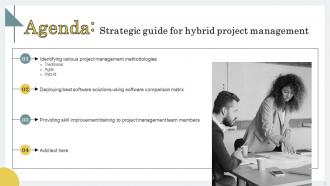
Slide 2: This slide is an Agenda slide. State your agendas here.
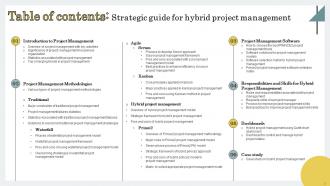
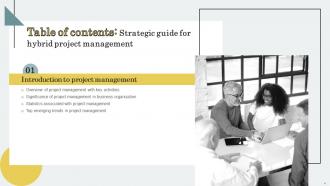
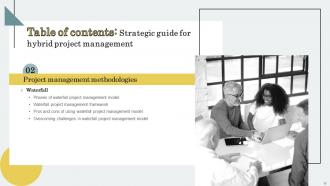
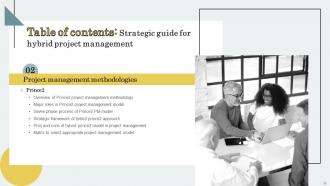
Slide 3: This slide shows a Table of Contents for the presentation.
Slide 4: This slide is an introductory slide.
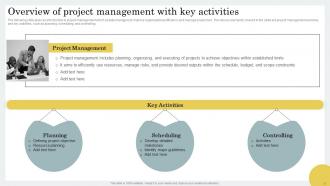
Slide 5: This slide gives an introduction to project management which assists managers to improve organizational efficiency and manage project risk.
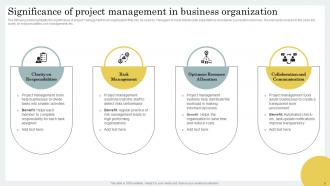
Slide 6: This slide highlights the significance of project management in an organization that can be used by managers.
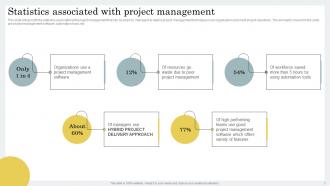
Slide 7: This slide brings forth the statistics associated with project management that can be used by managers to deploy project management techniques.
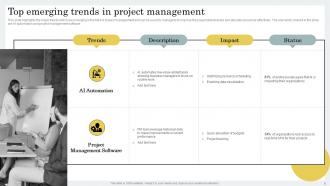
Slide 8: This slide highlights the major trends which are emerging in the field of project management.
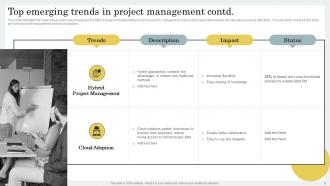
Slide 9: This slide highlights the major trends which are emerging in the field of project management and can be used by managers to improve the project deliverables and allocate resources effectively.
Slide 10: This slide is an introductory slide.
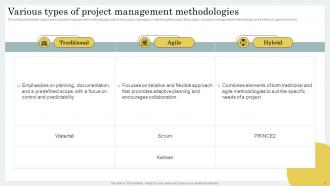
Slide 11: This slide presents the major types of project management methodologies which are used by managers in delivering the project.
Slide 12: This slide is an introductory slide.
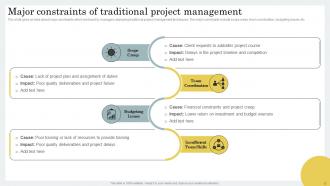
Slide 13: This slide gives an idea about major constraints which are faced by managers deploying traditional project management techniques.
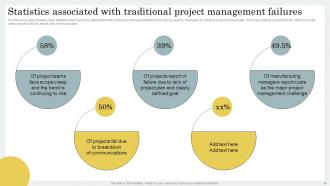
Slide 14: This slide presents major statistics which are associated with traditional project management failure.
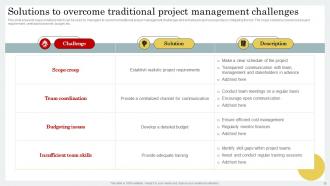
Slide 15: This slide represents major solutions which can be used by managers to overcome traditional project management challenges.
Slide 16: This slide is an introductory slide.
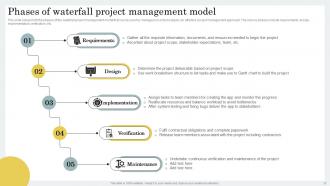
Slide 17: This slide brings forth the phases of the waterfall project management model.
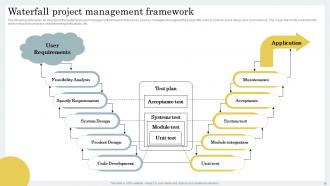
Slide 18: This slide outlines an idea about the waterfall project management framework.
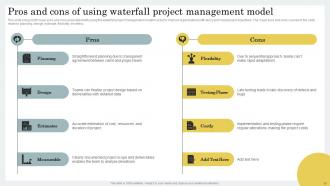
Slide 19: This slide brings forth major pros and cons associated with using the waterfall project management model.
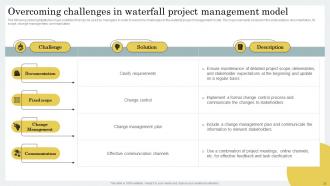
Slide 20: This slide highlights the major solutions that can be used by managers in order to overcome challenges in the waterfall project management model.
Slide 21: This slide is an introductory slide.
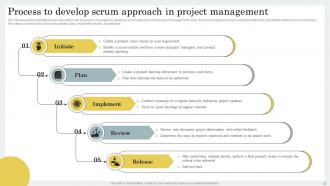
Slide 22: This slide presents the process which can be used by managers to develop a scrum approach in the project management model.
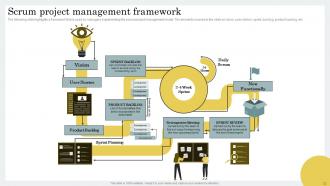
Slide 23: This slide represents a framework that is used by managers implementing the scrum project management model.
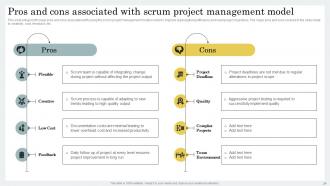
Slide 24: This slide brings forth major pros and cons associated with using the scrum project management model.
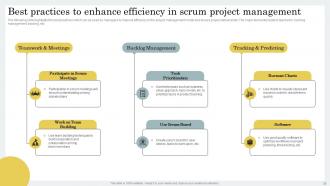
Slide 25: This slide highlights the best practices which can be used by managers to improve efficiency in the project management model.
Slide 26: This slide is an introductory slide.
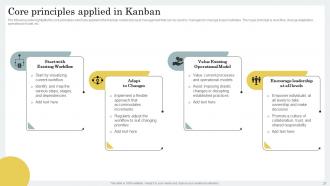
Slide 27: This slide illustrates the core principles which are applied in the Kanban model of project management.
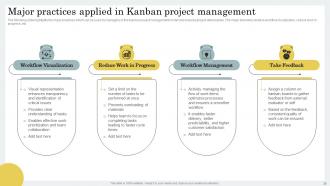
Slide 28: This slide puts the major practices which can be used by managers in the Kanban project management model and ensures project deliverables.
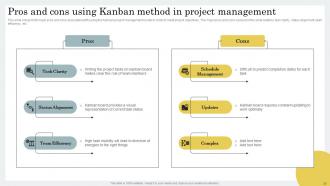
Slide 29: This slide provides major pros and cons associated with using the Kanban project management model in order to meet project objectives.
Slide 30: This slide is an introductory slide.
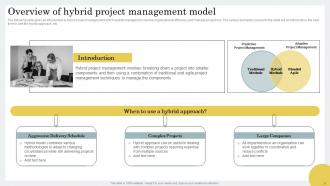
Slide 31: This slide outlines an overview of hybrid project management model.
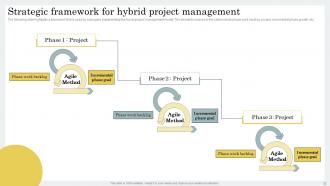
Slide 32: This slide highlights a framework that is used by managers implementing the hybrid project management model.
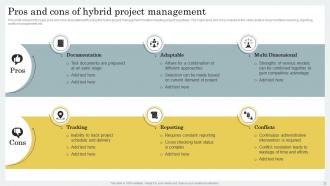
Slide 33: This slide brings forth major pros and cons associated with using the hybrid project management model in meeting project objectives.
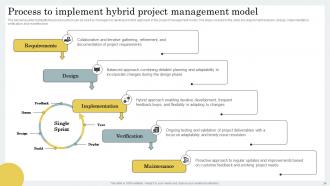
Slide 34: This slide caters to the process which can be used by managers to develop a hybrid approach in the project management model.
Slide 35: This slide is an introductory slide.
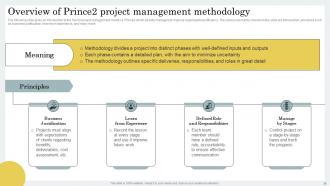
Slide 36: This slide gives an introduction to the hybrid project management model i.e. Prince2 which assists managers to improve organizational efficiency.
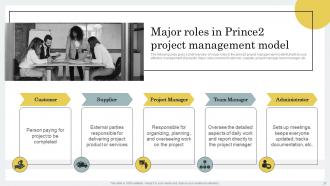
Slide 37: This slide portrays a brief overview of major roles in the prince2 project management model that will ensure effective management of projects.
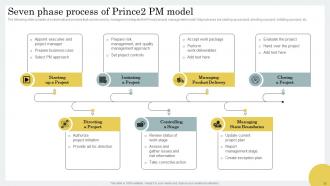
Slide 38: This slide consists of a seven-phase process that can be used by managers to integrate the Prince2 project management model.
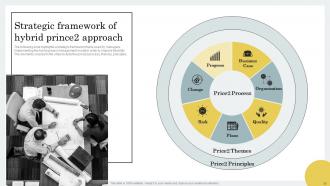
Slide 39: This slide illustrates Strategic framework of hybrid prince2 approach.
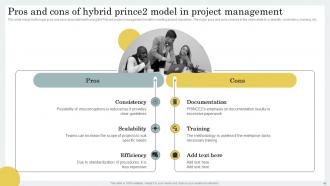
Slide 40: This slide brings forth major pros and cons associated with using the Prince2 project management model in meeting project objectives.
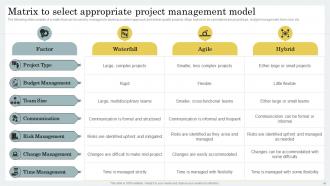
Slide 41: This slide entails matrix that can be used by managers to develop a custom approach and deliver quality projects.
Slide 42: This slide focuses Strategic framework of hybrid prince2 approach.
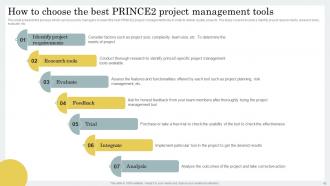
Slide 43: This slide presents the process which can be used by managers to select the best PRINCE2 project management tools in order to deliver quality projects.
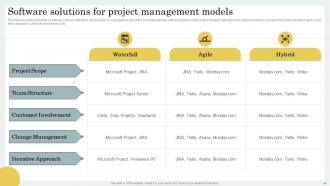
Slide 44: This slide represents a software solution matrix that can be used by managers to select the most appropriate software.
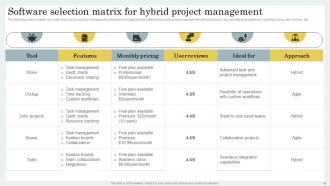
Slide 45: This slide consists of a matrix that can be used by managers to select the most appropriate software for hybrid project management.
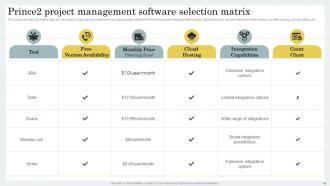
Slide 46: This slide puts of a matrix that can be used by managers to select the most appropriate software for Prince2 project management solution.
Slide 47: This slide focuses Strategic framework of hybrid prince2 approach.
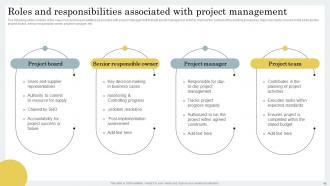
Slide 48: This slide showcases of the major role and responsibilities associated with project management.
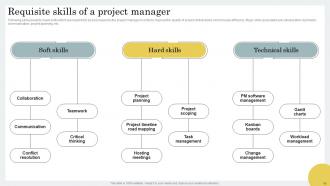
Slide 49: This slide presents major skills which are required to be possessed by the project manager.
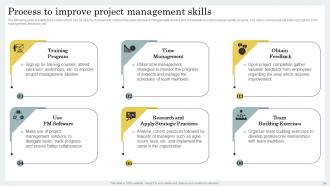
Slide 50: This slide showcases the process which can be used by managers to improve the skills of project management owners and consultants.
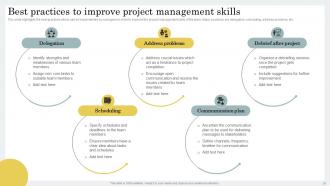
Slide 51: This slide highlights the best practices which can be implemented by managers in order to improve the project management skills of the team.
Slide 52: This slide focuses Strategic framework of hybrid prince2 approach.
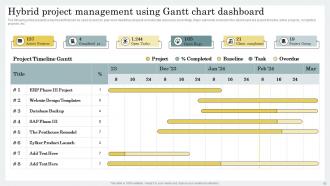
Slide 53: The following slide presents a dashboard that can be used by team to plan work deadlines properly and allocate resources accordingly.
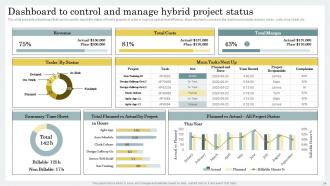
Slide 54: This slide showcases a dashboard that can be used to depict the status of hybrid projects in order to improve operational efficiency.
Slide 55: This slide is an introductory slide.
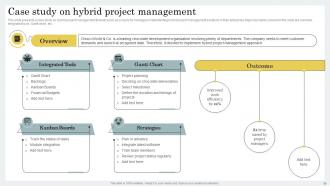
Slide 56: This slide shows a case study on hybrid project management that will serve as a basis for managers implementing hybrid project management solutions.
Slide 57: This slide shows all the icons included in the presentation.
Slide 58: This slide is titled Additional Slides for moving forward.
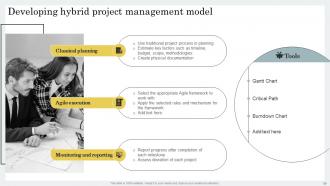
Slide 59: This slide showcases Developing hybrid project management model.
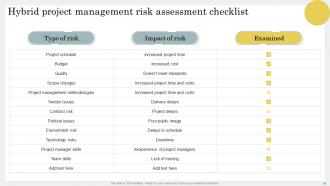
Slide 60: This slide illustrates Hybrid project management risk assessment checklist.
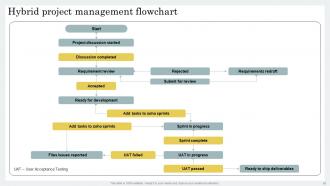
Slide 61: This slide presents Hybrid project management flowchart.
Slide 62: This slide is Our Goal slide. State your firm's goals here.
Slide 63: This slide shows Post-It Notes. Post your important notes here.
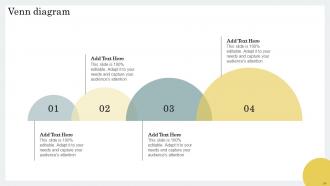
Slide 64: This slide depicts a Venn diagram with text boxes.
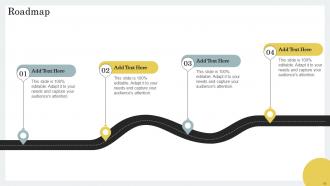
Slide 65: This slide presents a Roadmap with additional text boxes.
Slide 66: This slide is a Quotes slide to convey messages, beliefs, etc.
Slide 67: This slide is a thank-you slide with address, contact numbers, and email address.
Strategic Guide For Hybrid Project Management Powerpoint Presentation Slides with all 75 slides:
Use our Strategic Guide For Hybrid Project Management Powerpoint Presentation Slides to effectively help you save your valuable time. They are readymade to fit into any presentation structure.








FAQs for Strategic Guide For Hybrid Project Management
Honestly, it's all about being flexible and not getting stuck in one way of doing things. Mix and match what works - maybe use waterfall for your initial planning and budget stuff, then flip to agile sprints when you're actually building. Think of it like having different tools for different jobs instead of just one approach for everything. Look at your project first though - how complex is it? What do your stakeholders actually want? How does your team work best together? Then pick whatever combo makes the most sense. Don't overthink it too much.
So hybrid project management is basically mixing waterfall and agile - you grab what works from each. Like, maybe you do all the upfront planning waterfall-style, then jump into agile sprints for actually building stuff. Most teams I know end up doing this anyway, even if they don't call it "hybrid." It's way more flexible than sticking to one method religiously. You can switch approaches depending on the project phase or what your stakeholders expect. Super helpful when you've got compliance stuff to deal with but still want to move fast.
Dude, hybrid PM is honestly a game changer because you're not stuck with one approach. Pick the waterfall structure when you need stakeholder approval upfront. Then flip to agile sprints once things get messy - which they always do, let's be real. Mixed teams love it since some people work better with rigid planning while others thrive on flexibility. I've seen too many projects fail because they forced one methodology when it clearly wasn't working. The trick is being smart about when to switch approaches instead of just randomly mixing them together.
Hybrid makes sense when you've got mixed needs - some parts need strict structure, others need room to pivot. Like if you're building compliance stuff that can't change alongside user features where you'll want to iterate fast. Works well too when your team's half waterfall veterans, half agile converts. Most projects are messy anyway, so why pretend they fit one box? I'd start by figuring out which phases need structure versus flexibility. Then build your process around that. Honestly, stakeholders love their traditional reports even when devs are doing sprints underneath.
So you'll want to track both sides - your traditional milestone stuff plus agile velocity and burndowns. But honestly, don't go crazy with metrics or you'll end up with those dashboards everyone ignores (been there, done that). Customer satisfaction is huge, along with team productivity and how you handle change requests. Stakeholder engagement matters more in hybrid since you're dealing with different groups. Regular retrospectives help figure out what's actually working. Oh, and start with like 3-5 key things instead of measuring everything - way less overwhelming that way.
Honestly, Jira and Azure DevOps are probably your best bet since they handle both sprint boards and traditional Gantt charts. Monday.com works great too - way more intuitive than people give it credit for. Asana's pretty flexible if your team likes switching between different project views. Microsoft Project is still the go-to for heavy waterfall stuff, though it can be overkill sometimes. Here's the thing though - doesn't matter how good the tool is if half your team won't use it consistently. I'd definitely run a trial with whatever you're considering first. See what actually fits how your team works before you commit to anything long-term.
Oh man, stakeholder communication in hybrid projects is such a pain because you're basically dealing with two totally different crowds. Some people want those traditional waterfall reports with all the charts and timelines. Others expect quick agile updates and get confused by the formal stuff. Map out who prefers what communication style first - seriously, this saves so much headache later. Then you gotta explain why you're using waterfall for one phase but switching to agile sprints for another. It's like being a translator half the time, but once everyone gets it, things run way smoother.
Map out what needs to be locked down (waterfall) vs what can evolve (agile). Regulatory stuff and core infrastructure? Waterfall all the way. UI and features that'll probably change? Go agile. The handoffs between teams are honestly where everything falls apart - I've seen it so many times. Your documentation has to work for both sides, which is annoying but necessary. Set up regular check-ins between your waterfall and agile people. Also, run quick retrospectives on everything, even the waterfall parts. Catches problems before they snowball.
Honestly, the hardest part is dealing with team pushback. People hate change, especially when they're already comfortable with their current process. I've watched teams fight this for literally months - it gets messy fast. You're also juggling conflicting stuff, like keeping detailed docs while trying to stay agile. Plus stakeholders will constantly ask why you're making everything "more complicated." My take? Pick one small project to test it out first. Be super clear about which practices you're using and when. And yeah, you'll need to explain the reasoning behind every decision like ten times.
Honestly, your team makeup can make or break this whole thing. You need people who won't have a meltdown switching between structured planning one week and agile sprints the next. Get at least one person who actually knows each methodology you're mixing - I've watched teams where it's all waterfall die-hards vs agile fanatics and it's just constant drama. Look for those T-shaped people who can adapt their approach based on what the project needs right then. Oh, and don't forget to actually assess who you've got now before hiring. Some folks surprise you with how flexible they can be.
Honestly, adaptability is huge here - you're basically switching between waterfall and agile constantly based on what each project needs. Communication gets tricky too since you're translating between different methodologies and what stakeholders expect. It's like being bilingual! Risk management becomes way more important with mixed approaches. Plus you'll need to coach team members who might only know one methodology (which can be... interesting). Oh, and solid coaching skills help when people resist change. My take? Master both frameworks separately first, then try blending them on smaller stuff before jumping into the deep end.
Here's what I'd do: map your hybrid approach straight to what the business actually wants. Speed to market? Go more agile. Compliance headaches? Keep those waterfall checkpoints. Don't just randomly mix methodologies though - I've seen that disaster too many times. Your metrics should track business impact, not just "did we hit the deadline" stuff. Regular check-ins with stakeholders are huge since priorities shift constantly. Oh, and treat this as strategy, not just another way to deliver projects. You'll waste way less time fighting the methodology instead of using it.
Honestly, most teams mess this up because they try to blend methodologies before mastering either one separately. Get everyone solid on both frameworks first. Then practice switching between them on low-stakes pilot projects - like waterfall for your compliance stuff, agile for creative phases. The tricky part isn't the methods themselves, it's training people when to pivot. Also, you'll need tools that work for both approaches (ugh, another software decision). Communication gets weird too since some stakeholders will only speak "waterfall" while others live in sprint cycles. Start small though - don't throw your team into the deep end right away.
Honestly, you just gotta match your risk approach to whatever phase you're in. Agile parts? Use those lightweight risk boards and talk about issues in standups. When you hit waterfall sections, break out the formal risk registers and assessments. I've watched so many teams mess this up by trying to force one method everywhere - don't be those guys. Keep identifying risks the whole time, but switch up how you handle and track them based on your current methodology. Maybe start by looking at your existing risks and figure out which approach makes sense for each one? That usually helps clarify things.
Honestly, most big companies mix both approaches instead of picking sides. Netflix does this really well - they use agile for the creative stuff but switch to waterfall when it's time for final production deadlines. Spotify's the same way with their platform. They'll go agile for new features but waterfall for those massive system overhauls (which makes total sense if you think about it). Even NASA does this hybrid thing for space missions. The trick isn't being loyal to one method - it's about figuring out which parts of your project need what approach. Just map out your phases first.
-
Great work on designing the presentation. I just loved it!
-
“The presentation template I got from you was a very useful one.My presentation went very well and the comments were positive.Thank you for the support. Kudos to the team!”