


Teamleiter-Management-Präsentationsfolien





Try Before you Buy Download Free Sample Product
 Impress Your
 Audience
 100%
100% Editable
 Save Hours
 of Time


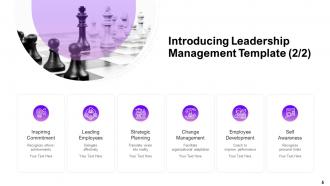
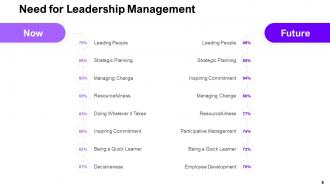
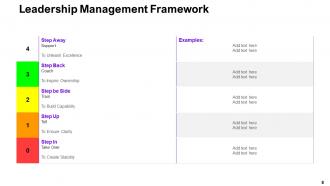
Kernverantwortlichkeiten eines Teamleiters besprechen. Führungsmanagement-PPT-Grafiken zur Erwähnung von Fähigkeiten wie Mitarbeiterführung, strategische Planung, Veränderungsmanagement, Mitarbeiterentwicklung usw. verwenden. Die Rollen eines effektiven Teamleiters unter Verwendung von Leadership-Skills-PowerPoint-Visualisierungen darstellen. Die Führung auf individueller und organisatorischer Ebene ganzheitlich angehen, indem ein Führungsmanagement-Framework-PowerPoint-Präsentation genutzt wird. Die Schritte erwähnen, die dabei helfen können, ein produktives und kollaboratives Team aufzubauen und zu erhalten. Die Umsetzung der Unternehmensstrategie durch Nutzung einer Präsentation zur Führungskräfteentwicklung erleichtern. Motivieren Sie Ihr Team und stellen Sie sicher, dass sie ihre Ziele erreichen, indem Sie unsere einsatzbereite Präsentation zu Teammanagement-Fähigkeiten herunterladen.
People who downloaded this PowerPoint presentation also viewed the following :
Inhalt dieser Powerpoint-Präsentation
Ein Manager oder leitender Angestellter einer Abteilung ist mit mehreren Aufgaben und Jobs belastet. Die Führung seiner Untergebenen ist jedoch eine wichtige Aufgabe, die Mitarbeiter in solchen Positionen ausüben. Hilfreich kann die Einstellung eines Teamleiters sein, der als Brücke zwischen dem Manager und dem Team fungiert. Sie fragen sich jedoch möglicherweise, welche Verantwortlichkeiten an einen zukünftigen Teamleiter delegiert werden sollten und was das Unternehmen von ihm erwarten kann.
Um dies gut zu verstehen, benötigen Sie ein gründliches Dokument, das Ihnen hilft, die Rollen und Verantwortlichkeiten zu vermitteln. Die 100% editierbaren, anpassbaren und wertvollen Team-Leader-Management-Vorlagen von SlideTeam können Ihnen bei dieser Aufgabe helfen.
Die PowerPoint-Präsentationsvorlage deckt jeden einzelnen Aspekt des Teamleiter-Management-Profils ab und ermöglicht es Ihnen, eine detaillierte Vorstellung davon zu vermitteln, was Sie von Ihren Teamleitern in den nächsten Stunden und in der kommenden Zukunft erwarten.
Wir empfehlen Ihnen, einige der in diesem Blog gezeigten Abschnitte anzusehen und sich eingehend mit der Teamleiter-Management-Vorlage vertraut zu machen.
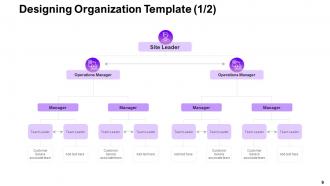
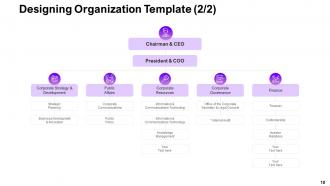
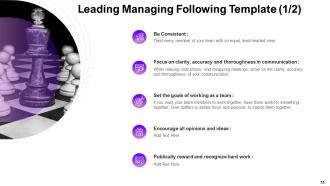
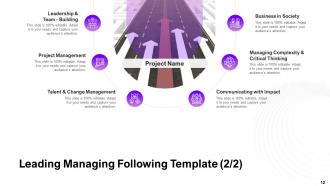
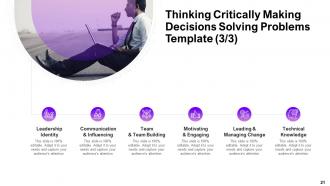
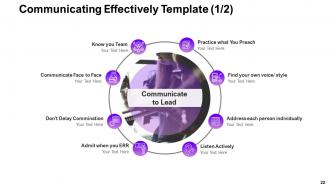
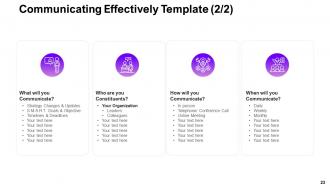
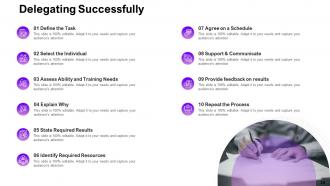
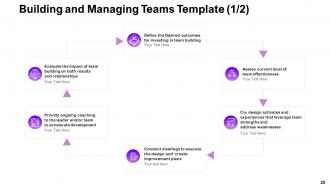
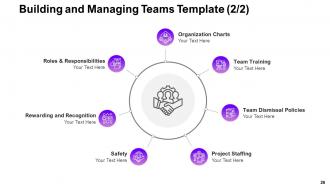
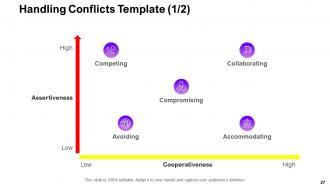
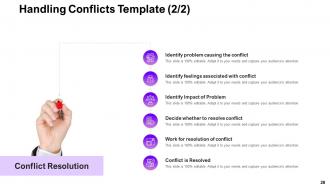
Teamleiter-Management-Präsentationsfolien mit allen 78 Folien
Unsere Team-Leader-Management-Präsentationsfolien können Ihnen dabei helfen, wertvolle Zeit zu sparen. Sie sind fertig erstellt und lassen sich in jede Präsentationsstruktur einfügen.

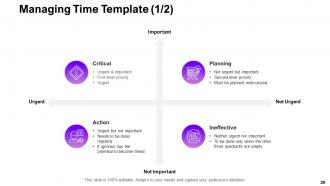
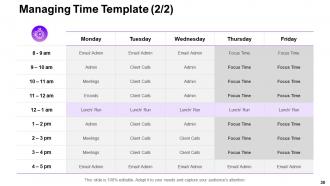
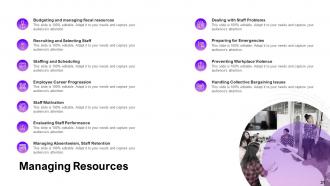
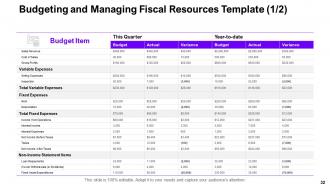
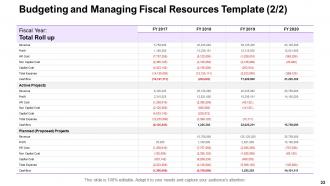
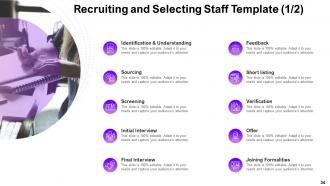
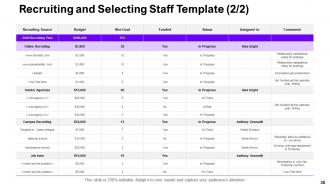
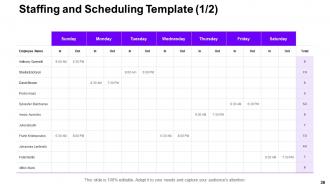
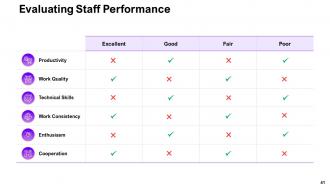
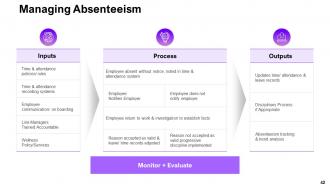
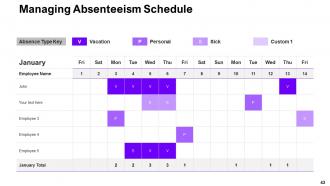
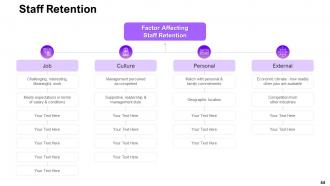









FAQs for Team Leader Management
Look, start with weekly one-on-ones where you actually listen to what's screwing them over. Set clear goals upfront - sounds obvious but half the managers I know skip this part. You'll spend tons of time being their shield from upper management drama, which honestly gets exhausting but it's crucial. Give feedback regularly instead of waiting for reviews. When you delegate, pick meaningful stuff, not just your leftover tasks. Show people how their work fits the big picture. Remove whatever's blocking them. Develop your people instead of just... managing tasks? That's the difference between good and meh leadership.
You gotta model it first - own your screwups and actually listen when people talk. Do regular one-on-ones with real questions, not just "how's work going?" When someone admits they're struggling or points out problems, don't jump straight into fix-it mode (hardest thing ever, but trust me). React positively instead. Set up team retros where people can share ideas without getting judged. Oh, and be consistent about it - people won't open up if you handle their honesty well one day but poorly the next. They're basically testing whether you're safe to be real with.
Don't let it fester - that's when things get really ugly. Talk to each person separately first so you get the real story (people are way more honest one-on-one). Then bring them together for a group chat. Here's the thing though - focus on what they're actually doing, not their personalities. Nobody wants to hear they're being "difficult." Help them find something they can both agree on and build from there. Sometimes you'll have to be the tiebreaker if they're being stubborn. Stay neutral and keep bringing it back to work stuff, not who's right.
Honestly, just sit down with each person and ask what gets them excited about work - plus what they think they're actually good at. I know it sounds obvious, but most managers never do this! Watch how they act during different tasks too. Some people literally light up when doing certain stuff. Once you figure out their strengths, give them projects that match those skills. Oh and definitely call out their wins publicly - people love being recognized for what they excel at. The whole thing is basically putting the right person on the right work when you can.
Honestly, people want way more feedback than most managers think - it's weird but true. Give specific comments on what's going well AND what needs work, but don't wait for those formal review meetings. Ask your team what they need from you too, and get them giving feedback to each other during meetings. When someone does great work, definitely call it out publicly. The key is making it timely and actually useful. Oh, and pick one person this week to give detailed feedback on their recent project - just start there.
Look, emotional intelligence is huge for leading teams. You've gotta read the room and actually connect with people - not just bark orders. When someone's having a rough day, you'll notice even if they don't spell it out. Conflicts happen, but good leaders don't make them ten times worse by being tone-deaf. I swear, I've watched super smart managers completely bomb because they treated people like robots. But here's the thing - you can totally get better at this stuff. Just pause when you're stressed instead of immediately reacting, and actually listen when your team brings you problems.
Get super specific about what you actually want and when. Like instead of "improve customer service," say "reply to emails in 4 hours max and hit 90% satisfaction by month-end." I totally bombed this once - my team kept missing stuff because honestly, they had no clue what I was aiming for. Write it down where everyone can see it. Weekly check-ins are clutch too. The whole point is being clear enough that there's zero wiggle room for "oh I thought you meant..." Trust me, vague goals are just setting everyone up to fail.
Honestly, three things work best: recognition, autonomy, and growth stuff. People love getting called out for good work publicly - even the introverts who pretend they hate attention. Trust your team to own projects and figure out the how, while you stick to what needs doing and why. Development matters too - training, mentoring, whatever fits. Oh and regular one-on-ones are a game changer, seriously. I'd pick one thing to try this week first though. Don't overwhelm yourself trying to fix everything at once.
Honestly, you just gotta figure out what works for each person. Like, some people need constant check-ins and super clear direction. Others? Just tell them the goal and leave them alone. I totally bombed this once with a developer - got way too hands-on and he basically stopped talking to me lol. Also pay attention to how they like communicating. Face-to-face meetings work for some folks, but others would rather just send updates via email or Slack. Best thing is to straight up ask them what management style actually helps them get stuff done.
Definitely send them a welcome message before they start and get their desk set up. First day, walk them around for proper introductions - way better than just waving at people from across the room. Coffee chats with key teammates that first week are clutch. Give them something real to work on early, not just random busy work (honestly, nothing kills morale faster than feeling useless). Oh, and check in regularly those first couple weeks. People won't always speak up if they're struggling, so just ask how it's going.
Mix hard numbers with actual conversations - that's what works. Track deadlines, quality scores, goal completion. Numbers matter, but they're kinda useless without context. Do regular one-on-ones to figure out why performance dips or spikes happen. Team dynamics and communication patterns tell you tons too. I'd set up a monthly dashboard for the key stuff, but honestly? Just talking to your people regularly about what's broken and what's going great is half the battle. Individual growth tracking helps spot who needs support before things go sideways.
Honestly, it all comes down to being fair and consistent with everyone. Don't play favorites - even if Sarah's coffee game is incredible! Be upfront about your expectations and give real feedback. Stay out of the drama when conflicts pop up, just stick to facts. Your team needs to trust you, and that only happens through what you do, not what you say. Oh and respect their boundaries too - nobody wants a boss who texts at 9pm. I'd also check your own biases regularly because we all have them. Trust builds slowly but it's worth it.
Honestly, people clam up when they think you'll judge their weird ideas. Block actual calendar time for brainstorming - not just lip service about "being creative." I'm weirdly passionate about this because I've watched so many good ideas die in meetings. Celebrate the failures that actually teach you something. Ask open questions instead of steering people toward what you want to hear. Bring in outside voices sometimes too. Show them you care about exploring ideas, not just landing on the "right" answer immediately. Try one real brainstorming session this week.
Ugh, honestly the communication thing will drive you crazy - people miss stuff constantly and feel totally out of the loop. Time zones are brutal too. Plus you can't just peek over someone's shoulder to see how they're doing without being super weird about it. Building any kind of team vibe is tough when nobody's grabbing lunch together. Oh and trust issues become real when you've never actually met half your team. Over-communicate like crazy though, do lots of one-on-ones, and maybe set up some random virtual hangout spaces where people can just chat about whatever.
Honestly, just stay consistent with your boundaries while actually caring about your team as people. Ask about their weekend, grab coffee - but don't flip-flop between being their buddy one minute and pulling rank the next. That confuses everyone and makes you look weak, tbh. Be clear when you're making the final call vs. when you want their input. And here's the thing - admit when you screw up or don't know something. I've watched too many managers try to act like they're perfect. Your team will respect the honesty way more than fake authority.
-
Thanks for all your great templates they have saved me lots of time and accelerate my presentations. Great product, keep them up!
-
Colors used are bright and distinctive.
-
Designs have enough space to add content.