


Transformation Approach Powerpoint Presentation Slides




Try Before you Buy Download Free Sample Product
 Impress Your
 Audience
 100%
100% Editable
 Save Hours
 of Time


Present the information related to transformation approach in the business unit using our 19 slides PowerPoint deck. Achieving success in business needs you to work on every aspect. Transformation approach or planning is a way of developing a plan to make changes in the business processes according to the needs. It can be done through change in policies, procedures and processes. Every leading multinational company pays attention towards this aspect and ensures that they have a strategic plan which they can implement if require. Our transformation approach Presentation deck include the slides that are quite relevant for the topic such as gap analysis, checklist for organization transformation, challenges in transformation, resistance management plan, communication plan. Now if you have to cover all these useful aspects in one slide you may have to work out of your skills. But with our PowerPoint deck you get all this in just one click. You don’t need to find any information as it covers everything. Share the details related to transformation approach using this innovative PPT deck. Bring out the convenience of jeans with our Transformation Approach Powerpoint Presentation Slides. Explain how it enhances functionality.
People who downloaded this PowerPoint presentation also viewed the following :
Content of this Powerpoint Presentation
Slide 1: This slide introduces Transformation Approach. State Your Company Name and begin.
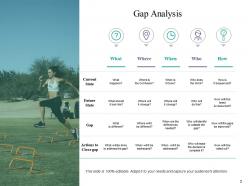
Slide 2: This slide showcases Gap Analysis which further showcases some of the states that we have listed.
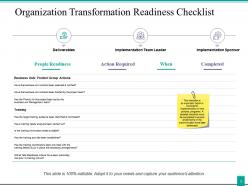
Slide 3: This slide presents Organization Transformation Readiness Checklist which further presents- Deliverables, Implementation Team Leader, Implementation Sponsor, This checklist is an important factor in successful implementation of new policies, programs. A detailed checklist must be completed to ensure all elements of the transformation have been addressed.
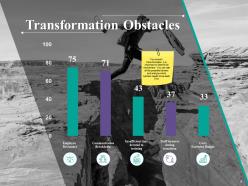
Slide 4: This slide presents Transformation Obstacles with these of the following factors- Employee Resistance, Communication Breakdown, Costs Exceeded Budget, For smooth transformation, it is important to identify all the barriers. You can rate all the possible barriers and analyze which barriers needs to be dealt first.
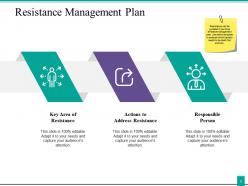
Slide 5: This slide presents Resistance Management Plan with these few key parameters- Key Area of Resistance, Actions to Address Resistance, Responsible Person, Resistance can be avoided if you have effective management plan. Use below template to analyse which barriers needs to be dealt first and how.
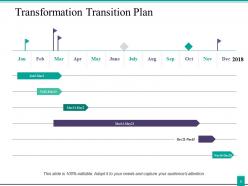
Slide 6: This slide showcases Transformation Transition Plan.
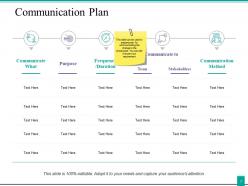
Slide 7: This slide presents Communication Plan. This table can be used to prepare plan for communicating the change to the employees. You can edit it as per your requirement.
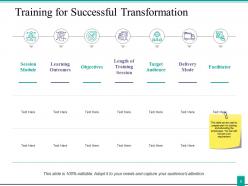
Slide 8: This slide showcases Training for Successful Transformation. This table can be used to prepare plan for training and educating the employees. You can edit it as per your requirement.
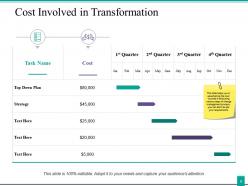
Slide 9: This slide presents Cost Involved in Transformation.This slide helps you in ascertaining the cost incurred in executing various steps of change management process, you can edit it as per your requirements.
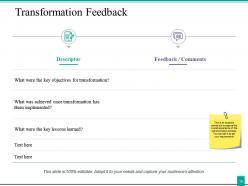
Slide 10: This slide showcases Transformation Feedback. This is an analysis carried out to capture the overall experience of the transformation process. You can edit it as per your requirements.
Slide 11: This slide is titled Additional slides.
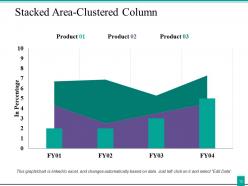
Slide 12: This slide showcases Stacked Area-Clustered Column.
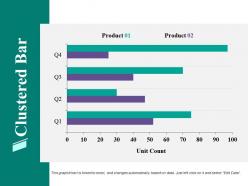
Slide 13: This slide presents Clustered Bar.
Slide 14: This slide showcases Our Mission.
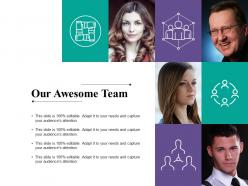
Slide 15: This slide presents Our Awesome Team.
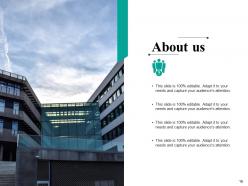
Slide 16: This slide showcases About us.
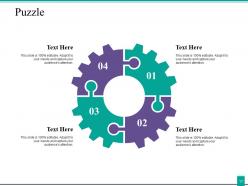
Slide 17: This slide presents Puzzle.
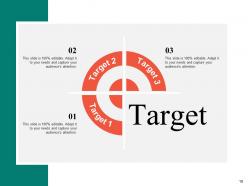
Slide 18: This slide shows Target image with text boxes.
Slide 19: This is a Thank You image slide with Address, Email and Contact number
Transformation Approach Powerpoint Presentation Slides with all 19 slides:
Colour your world with our Transformation Approach Powerpoint Presentation Slides. They will enhance the beauty of your words.



FAQs for Transformation Approach
Key principles include stakeholder engagement, clear vision alignment, phased implementation, continuous communication, and leadership commitment throughout the process. These approaches streamline organizational transitions by minimizing resistance, maintaining operational continuity, and ensuring cultural integration, with many companies finding that structured transformation methodologies ultimately deliver sustainable change and competitive advantage.
Leaders can effectively communicate transformation vision through multi-channel strategies including town halls, regular updates, visual dashboards, storytelling sessions, and interactive workshops that connect organizational goals to individual roles. By maintaining transparent dialogue, addressing concerns proactively, and consistently reinforcing key messages across all levels, leaders build trust and alignment, with many organizations finding that sustained communication ultimately drives higher employee engagement and smoother transformation outcomes.
Culture serves as the foundation for transformation success, influencing employee adoption, resistance levels, change readiness, and overall organizational alignment with new initiatives. Organizations with adaptive, collaborative cultures experience significantly higher transformation success rates, while those with rigid hierarchies face greater implementation challenges, ultimately requiring targeted cultural interventions alongside strategic changes.
Companies measure transformation effectiveness through key performance indicators like revenue growth, operational efficiency metrics, customer satisfaction scores, employee engagement levels, and time-to-market improvements. These measurements enable organizations to track progress across departments, identify areas requiring adjustment, and demonstrate ROI to stakeholders, with many finding that combining quantitative data with qualitative feedback delivers comprehensive insights into strategic success.
Common pitfalls include insufficient leadership commitment, poor communication strategies, resistance to change management, inadequate resource allocation, and unrealistic timelines. These challenges often derail transformation initiatives by creating employee disengagement, misaligned expectations, and incomplete implementation, with many organizations finding that addressing these systematically through structured planning and stakeholder involvement ultimately delivers more successful outcomes.
Technology facilitates transformation in traditional business models by automating manual processes, enabling data-driven decision making, and creating new revenue streams through digital platforms. Through cloud computing, AI analytics, and mobile solutions, businesses streamline operations, enhance customer experiences, and expand market reach, with many retailers and manufacturers finding that digital integration ultimately delivers competitive advantage and operational efficiency.
Key stakeholders include executive leadership, department heads, IT teams, frontline employees, customers, and external partners or vendors. Successful transformation requires this diverse group working collaboratively, with executives providing strategic direction, employees offering operational insights, and customers delivering feedback, ultimately ensuring comprehensive buy-in and smoother implementation across all organizational levels.
Human resources supports employee engagement during transformation by implementing transparent communication strategies, providing comprehensive training programs, establishing feedback mechanisms, and recognizing employee contributions throughout the change process. Through strategic workforce planning and change management initiatives, HR departments help organizations maintain morale, reduce resistance, and accelerate adoption, with many companies finding that engaged employees become transformation champions, ultimately delivering smoother transitions and sustainable organizational growth.
Effective transformation frameworks include Kotter's 8-Step Process, ADKAR change management, Lean Six Sigma, Agile methodologies, and McKinsey's 7-S Model. These frameworks streamline organizational change by providing structured roadmaps, enhancing stakeholder engagement, and minimizing resistance, with many enterprises finding that combining multiple approaches delivers faster implementation and sustainable competitive advantage.
Data analytics informs transformation strategy by identifying performance gaps, predicting market trends, and revealing customer behavior patterns through comprehensive data mining. Through advanced analytics platforms, organizations can optimize resource allocation, reduce operational costs by up to 30%, and accelerate decision-making processes, with many enterprises finding that data-driven transformations deliver significantly higher success rates.
Employee training and development serves as the foundation for successful transformation by building new competencies, fostering change readiness, and ensuring skill alignment with evolving business needs. Through comprehensive upskilling programs, organizations enhance employee adaptability, reduce resistance to change, and accelerate adoption of new processes, ultimately delivering higher transformation success rates and sustainable competitive advantage.
Organizations balance short-term results with long-term transformation goals by implementing phased roadmaps, establishing dual-track governance structures, and maintaining clear milestone metrics that demonstrate progress toward strategic objectives. Through hybrid approaches that deliver immediate operational improvements while building foundational capabilities, companies in sectors like manufacturing and financial services achieve early wins that fund broader transformation initiatives, ultimately ensuring sustained competitive advantage.
Incremental transformation involves gradual, step-by-step changes that minimize disruption, while radical transformation requires comprehensive, organization-wide overhauls that fundamentally reshape business models, processes, and cultures. While incremental approaches enable steady progress with lower risk, radical transformation delivers faster competitive advantage and breakthrough results, with many organizations finding that hybrid strategies combining both approaches ultimately streamline operations most effectively.
Feedback loops can be established through regular stakeholder surveys, performance dashboards, cross-functional review meetings, and continuous monitoring systems that track key transformation metrics. These mechanisms enable organizations to identify bottlenecks early, adjust implementation strategies in real-time, and maintain alignment with business objectives, with many companies finding that structured feedback processes accelerate transformation outcomes while minimizing resistance.
Sustaining momentum during lengthy transformations requires establishing quick wins, maintaining transparent communication, celebrating incremental progress, and continuously engaging stakeholders through regular feedback loops. Organizations across industries find that breaking large initiatives into manageable phases, providing ongoing training, and reinforcing cultural change through leadership commitment ultimately delivers sustained engagement and reduces transformation fatigue.
No Reviews