


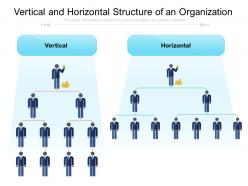
Vertical and horizontal structure of an organization





Try Before you Buy Download Free Sample Product
 Impress Your
 Audience
 100%
100% Editable
 Save Hours
 of Time


The audience will clamour for an encore. Our Vertical And Horizontal Structure Of An Organization ensure you take a bow.
People who downloaded this PowerPoint presentation also viewed the following :
Vertical and horizontal structure of an organization with all 2 slides:
Gift wrap your thoughts in our Vertical And Horizontal Structure Of An Organization. The audience will be completely beholden.

FAQs for Vertical and horizontal structure
Honestly, start by figuring out who's doing what and who they report to - that's your foundation. Communication needs to flow both ways without turning into a game of telephone (which is honestly the worst). Don't just copy some big corporation's setup if you're small - your structure should actually fit your size and goals. Decision-making power has to be spread out logically too. The thing is, you'll probably need to tweak things as you grow anyway. So map it out first, then test whether info actually gets where it needs to go. Flexibility beats perfection here.
So basically, how you set up your org chart totally changes how people actually talk to each other. Flat structures? Way faster communication - no waiting around for five different managers to approve your lunch order, you know? Teams can just work together directly. Hierarchical stuff creates those annoying bottlenecks we've all dealt with. Though I'll give traditional structures this - at least you know who's supposed to make the call when things go sideways. Just make sure whatever you pick actually matches how your people need to collaborate, not what some consultant's PowerPoint says looks professional.
Honestly, flat structures are pretty solid for fast decisions and communication - way less red tape when there aren't ten managers between you and the CEO. Your team gets way more freedom too, which people usually love. But here's the thing... it gets messy fast once you start growing. I've seen it happen - suddenly nobody knows who's responsible for what, and your poor managers are drowning trying to handle like 15 direct reports. Career growth becomes weird too since there's nowhere to really "move up" to. Works amazing for small companies though! Just don't expect it to scale past maybe 50 people without some serious growing pains.
Honestly, it depends on three main things - company size, what industry you're in, and where you want to go. How many people are you managing right now? Tech companies can get away with flat structures, but something like manufacturing usually needs clear chains of command. There's no magic answer here, which sucks but whatever. I'd start by mapping out where communication breaks down currently - like, where do things get stuck or confusing? Then build around fixing those specific problems. Just don't wait too long to decide because restructuring later is a nightmare.
Honestly, how you set up your team structure makes a huge difference in productivity and morale. People work better when they know their role and who's their boss - pretty obvious stuff. But don't go overboard with the hierarchy thing because it'll crush creativity fast. Flatter setups usually keep people happier since they feel heard and don't have to go through five people to get answers. You want enough structure so nobody's confused, just not so much that every decision needs three meetings. I'd literally draw out how things work now and ask your team where they're getting stuck.
So hierarchical is pretty simple - decisions just go up and down the chain. Your boss decides, their boss decides above them, whatever. Matrix structures though? Total chaos honestly. You're reporting to like three different people across departments, which means every decision needs buy-in from everyone and their mother. Sure, you get more perspectives and collaboration, but good luck making anything happen quickly. I've seen people spend weeks just figuring out who actually gets to make the call. Just make sure you know who has final authority on what, or you'll go insane.
Honestly, tech is just demolishing those old pyramid-style org charts. Middle management is getting squeezed out because teams can talk directly now - no need for someone to play telephone anymore. Remote work changed everything too, right? My company's structure looks nothing like it did pre-2020. Now we've got these project-based teams that pop up, do their thing, then disappear. Way more flexible than the old "you report to Bob who reports to Susan" setup. Cloud tools make it super easy to work across departments without all that bureaucratic nonsense. The trick is actually using this stuff to make work flow better instead of fighting it.
Honestly, just start with who reports to who, even if you're juggling five different jobs yourself. The "everyone does everything" approach sounds cool but it's a disaster waiting to happen. Map out your big three first - product, sales, operations - then add stuff as you grow. But here's the thing: don't get all fancy with it. Startups pivot constantly and some elaborate org chart will just bite you later. Write down who makes what decisions and actually stick to it. I'd say review everything every quarter or so because priorities change fast. You need enough structure so people aren't stepping on each other, but not so much that you can't move quickly.
Honestly? People hate change, so expect pushback when reporting lines get messy. Your teams will probably freak out with more autonomy - they're so used to being micromanaged. Managers will definitely have meltdowns about "losing their power" (eye roll). Communication's gonna be a disaster at first too, with old processes bumping into new ones. Oh, and decisions will drag forever while everyone's like "wait, whose job is this now?" Start small with just one team first. Also invest in proper training upfront or you'll regret it later.
Oh man, you really can't just slap the same structure everywhere - learned that the hard way at my last company. Japan and Germany have completely different expectations around hierarchy than we do. Some places want tons of management layers, others think that's ridiculous. Communication styles vary wildly too. Decision-making processes? Forget about it, totally different game. Before you restructure anything, definitely run cultural assessments first. And honestly, just ask your local leaders what actually makes sense in their markets - they'll save you from looking like an idiot.
Start with comparing your current setup to what you're actually trying to accomplish - you'll probably find some weird gaps. Check where decisions keep getting bottlenecked too. That's usually a dead giveaway that something's broken structurally. Honestly, this whole process can be kind of brutal but super revealing. Figure out if you need tighter control for efficiency or if spreading things out makes more sense for speed. Your team leads should definitely be part of redesigning how work flows and who reports to whom - they know where the real problems are anyway. Bottom line: make sure info gets where it needs to go and people own clear outcomes.
Look, your company's structure totally affects how fast changes actually happen. Clear reporting lines? Changes move quicker because people know who calls the shots. Flat orgs usually adapt faster since there's way less red tape - although sometimes you actually need those extra layers for coordination (annoying but true). The real trick is spotting where decisions always get stuck. Communication bottlenecks kill change initiatives every time. I'd honestly just map out where things typically stall in your company and see if you can restructure those specific pathways. Makes future changes way smoother.
Honestly, there's some cool stuff happening with company structures right now. Holacracy is the big buzzword - basically ditches managers for self-organizing teams with specific roles. Network orgs are interesting too, where you're more like a web of partnerships than the typical pyramid setup. Startups love flat structures with minimal management layers. Cross-functional squads (Spotify does this really well) are everywhere. My advice? Figure out where your team's collaboration totally sucks first. That'll tell you which direction might actually work instead of just copying what sounds trendy.
Honestly, it all comes down to what kind of company you're at. Hierarchical places are pretty straightforward - you've got clear duties but can't really make big calls without approval. Flat orgs? Total opposite. You get way more freedom and end up wearing like ten different hats, though sometimes nobody knows who's supposed to handle what (been there). Matrix structures are just... ugh, good luck with that mess. You're basically answering to multiple bosses with different agendas. The trick is figuring out early which type you're dealing with. Don't sit around waiting for the green light if it's a flat setup, but definitely follow protocol in traditional hierarchies.
So there's a few things I'd track to see if your org structure is actually working. Decision-making speed is huge - time how long approvals take. Employee engagement scores tell you if people feel connected or whatever. Check your span of control ratios too, shows if managers are drowning or bored. Communication flow is critical - survey how well info moves between teams. Turnover rates by department are honestly super revealing about structural problems. Goal achievement and collaboration between units matter too. Oh, and don't try to track everything at once. Pick maybe 2-3 metrics that match your biggest headaches right now.
No Reviews