


Gleichberechtigung und Chancengleichheit





Try Before you Buy Download Free Sample Product
 Impress Your
 Audience
 100%
100% Editable
 Save Hours
 of Time


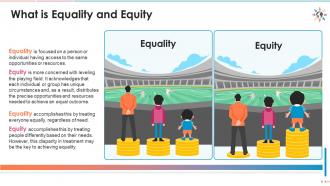
Gleichheit und Gerechtigkeit werden kurz beschrieben. Gleichheit erreicht das gewünschte Ergebnis, indem alle gleich behandelt werden, unabhängig von ihren Bedürfnissen. Gerechtigkeit hingegen erreicht dies, indem Menschen entsprechend ihrer Bedürfnisse unterschiedlich behandelt werden.
People who downloaded this PowerPoint presentation also viewed the following :
Gleichberechtigung und Chancengleichheit
Was ist Gleichheit und Gerechtigkeit? Edu Ppt











FAQs for What is equality and
So equality means everyone gets the exact same thing. Equity is different - it's about giving people what they actually need to succeed. Picture this: if there's a fence everyone needs to climb, equality hands out identical ladders. But what if someone's way shorter? Equity gives them a taller ladder so they can actually make it over too. I dunno, maybe that example's overused but it really does make sense when you see it drawn out. At work, you gotta ask yourself - am I just treating everyone exactly the same, or am I helping remove their specific barriers? Makes a huge difference honestly.
Think of equality as your baseline - everyone gets the same hiring process, benefits, whatever. Then equity is where you layer on stuff that actually helps people succeed. Like flexible schedules for parents or mentorship programs for underrepresented folks. Honestly, most of this comes down to just communicating why you're doing what you're doing (seriously, people hate feeling like decisions are arbitrary). Don't just track if your policies look fair on paper - if certain groups still aren't getting promoted, something's not working and you gotta dig into what's actually blocking them.
So equity is about actually removing the stuff that stops people from succeeding at work. Like, you know how some companies hire diverse people but then those same people hit walls trying to get promoted? That's where equity comes in. Maybe it's setting up mentorship for underrepresented folks, or flexible schedules for parents - honestly, the solutions are usually pretty obvious once you identify the real barriers. I always think of it like this: diversity gets everyone to the party, but equity makes sure they can all actually enjoy it. Start by asking your team what's actually holding them back.
So basically, government policies decide whether schools focus on giving everyone the same stuff (equality) or actually helping kids succeed despite different starting points (equity). Like, equality is standardized funding per student. Equity? That's Title I money going to poor schools or ESL programs. Honestly, the best systems mix both approaches - you can't just ignore that some kids deal with way more obstacles. But throwing identical resources at everyone doesn't work either. Quick test when you're looking at any education policy: does this give everyone the same thing, or does it actually help level the playing field?
Oh that fence metaphor is gold! You know the one - same box for everyone vs different sized boxes so people can actually see over? I've watched people's whole expression change when that clicks. The key thing is showing how equality assumes we all start from the same spot, but equity gets that we don't. Try throwing in workplace examples too - like equal training hours won't help someone who needs different accommodations, right? And honestly, always end with "so what's this actually look like here?" because that's when it becomes real for them.
Track hiring, promotion, and retention rates by demographics - that's your baseline. Pay equity analysis is huge too. But honestly, the engagement surveys asking about belonging? Those hit different because they show how people actually *feel* working there. Don't sleep on leadership pipeline data either - who's getting mentored and developed tells you everything. Oh, and psychological safety metrics are clutch. Here's the thing though: pick maybe 3-4 metrics you can actually do something about. Otherwise you'll just drown in spreadsheets and nothing changes.
Dude, it's wild how much culture affects policy decisions. Take Nordic countries - they're all about collective welfare, so you get these amazing social safety nets and progressive taxes. The US? Totally different vibe. We're obsessed with equal opportunity rather than equal outcomes, which is why our policies focus more on access than actually redistributing wealth. Germany tries to do both, which honestly seems smart but probably messy to manage. The thing is, politicians can only pass what voters think is "fair" - and that varies huge depending on where you are. Makes cross-country policy analysis way more complicated than you'd think.
Yeah, so equality sounds fair but can actually screw people over. Picture giving everyone identical boxes to see over a fence - short people are still stuck behind tall ones. Same thing happens everywhere: job interviews that ignore language barriers, teaching methods that don't work for different learning styles, websites that aren't accessible. Honestly, I see this stuff constantly at work. Equity is different though - it's about giving people what they actually need to succeed. So next time you're setting something up, just think: what's stopping certain people from getting the same shot as everyone else?
Think about taxes - rich people pay higher percentages, but it actually brings in more money and helps level things out. Schools do this too when they give extra help to kids with disabilities or language issues. Everyone ends up doing better than with cookie-cutter approaches. You know those wheelchair ramps? They're great for parents with strollers and delivery people too, not just wheelchairs. It's honestly pretty simple - if people start from different places, they'll need different amounts of help to get to the same spot.
Honestly, just get to know your kids first - their backgrounds, how they learn best, what they're into. Mix up your teaching methods because some are visual learners, others need to move around or hear things explained. I always throw in examples from different cultures too (kids light up when they see themselves in the lesson, it's wild). Check if they're actually getting it throughout class, not just at the end. Let them show what they know in different ways - not everyone's great at tests. Oh, and survey them about their interests! Sounds basic but it works. No cookie-cutter lessons.
So here's the thing - equity beats equality for economic growth because it actually tackles the real barriers women face. Equality just says "same rules for everyone!" but ignores stuff like childcare issues and workplace bias that hit women harder. You can't magically erase centuries of disadvantage overnight, right? Countries with solid parental leave and flexible work policies see way better GDP growth because they're not wasting half their talent pool. Honestly, it's pretty obvious when you think about it. Don't assume equal treatment creates equal results - figure out what's actually blocking women in your situation first.
So basically, tech can really help close those gaps if we're smart about it. Mobile apps work great since way more people have phones than computers. Make stuff work in multiple languages - those AI translation tools are honestly pretty incredible now. Also design for crappy internet connections because not everyone has fiber. I'd say pair that with digital literacy training and cheaper internet access. The trick is thinking about who you're leaving out right from the beginning, not as an afterthought. Maybe start by looking at your current tools and asking who can't actually use them.
Honestly? The hardest part is getting people to stop thinking "fair means identical." You'll hit major resistance from folks who think customized support is somehow cheating the system. Resource planning gets messy fast - way easier to have one-size-fits-all policies than figure out what each person actually needs. Your current systems probably weren't designed for this kind of flexibility either, which is annoying but fixable. Start small though. Run a few pilot programs and let the results speak for themselves. Nothing shuts up critics faster than data showing people actually succeeding when you give them the right tools.
Think of equality as your starting point, then equity becomes your game plan. Make programs accessible to everyone first. Then add targeted help for people hitting specific roadblocks. Say you're doing job training - let anyone apply, but throw in childcare vouchers for single parents who'd be screwed otherwise. Honestly, being upfront about different support levels saves you so much headache later. It's not playing favorites, you're just making things actually fair. Write down your reasoning though - you'll need to explain the "why" when people inevitably question your choices.
Psychological safety is huge - people need to feel safe sharing without getting judged. I'd do small breakout groups first before throwing everyone into the big discussion. Set ground rules together at the start. Personal stories work so much better than jumping into theoretical stuff, trust me on that one. Give folks processing time since this stuff can get emotional. Mix up who's talking - some people need more time to jump in than others. Oh, and frame it as everyone learning together, not like anyone's the expert teaching everyone else. Have concrete next steps ready so it doesn't just end with good intentions.
-
Understandable and informative presentation.
-
Easily Editable.
-
Editable templates with innovative design and color combination.