


Business Plan For Hotel Powerpoint Presentation Slides




Try Before you Buy Download Free Sample Product
 Impress Your
 Audience
 100%
100% Editable
 Save Hours
 of Time


A Hotel Business Plan arrangement makes a business operate conveniently. Grab our efficiently designed Business Plan for Hotel template. It considers the impact of inflation on operating and other related costs and the total amount of fixed assets needed in the first few years. The income statement, cash flow statement, position statement balance sheet statement, etc., are all used to determine how much revenue a company needs to cover. Our Hotel industry deck aids in Determining the discounted cash flow model to examine the present value of the cash flows that a company will generate over the next five years. It further incorporates the payback period required to recoup its start up costs. Our Hospitality Industry PPT showcases all the graphs needed to understand the companys start up costs, revenue from operations, gross profits made in subsequent years, and net profits. Additionally, it includes the companys closing cash balance and net worth in subsequent years and charts for various business scenarios, such as a realistic, optimistic, and pessimistic approach. Get immediate access.
People who downloaded this PowerPoint presentation also viewed the following :
Content of this Powerpoint Presentation
Slide 1: This slide introduces Business Plan for Hotel. Commence by stating Your Company Name.
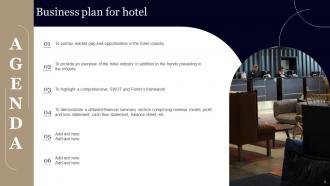
Slide 2: This slide depicts the Agenda of the presentation.
Slide 3: This slide incorporates the Table of contents.
Slide 4: This is yet another slide continuing the Table of contents.
Slide 5: This slide highlights the Title for the Topics to be discussed next.
Slide 6: The purpose of this slide is to provide a broader overview of the hotel industry.
Slide 7: This slide presents the Detailed overview of the hotel start-up.
Slide 8: This slide talks about the Market gap and solution of hotel start-up.
Slide 9: This slide elucidates the Description of products and services offered by hotel start-up.
Slide 10: This slide deals with the Unique value proposition of hotel start-up.
Slide 11: This slide portrays an ideal business location for hotel start-up that minimize the risk of failure.
Slide 12: This slide reveals the Heading for the Components to be covered in the upcoming template.
Slide 13: The purpose of this slide is to conduct a thorough assessment of a hotel industry in addition to its market trends.
Slide 14: This slide continues the market analysis and trends of the hotel industry.
Slide 15: This slide represents the Major restraints hampering growth in the hotel industry.
Slide 16: This slide caters to details about various growth drivers resulting in hotel progress in terms of surging travel experience, acceleration in online bookings, etc.
Slide 17: This slide indicates the Title for the Contents to be discussed next.
Slide 18: This slide covers an assessment of how the hotel products and services will fit into a certain market and where they will acquire the most traction with customers.
Slide 19: This slide deals with the TAM SAM SOM of the target segment.
Slide 20: This slide highlights the Heading for the Topics to be covered further.
Slide 21: This slide states the Comprehensive competitor analysis with attributes.
Slide 22: This is yet another slide continuing the Comprehensive competitor analysis.
Slide 23: This slide reveals the Title for the Ideas to be discussed next.
Slide 24: The slide includes the strengths, weaknesses, opportunities, and threats analysis of the hotel.
Slide 25: This slide mentions the Heading for the Ideas to be covered further.
Slide 26: The slide highlights porter’s framework and its implications in the hotel industry.
Slide 27: This sldie incorporates the Title for the Topics to be discussed next.
Slide 28: The purpose of this slide is to implement an effective go-to-market strategy for bringing the hotel products or services to an end customer.
Slide 29: This slide focuses on Evaluating client journey through a sales funnel.
Slide 30: This slide contains the Heading for the Componnets to be discussed further.
Slide 31: The purpose of this slide is to outline the key objectives and goals of an organization and how to reach them by crafting an operational plan.
Slide 32: The purpose of this slide is to facilitate managers to convey project progress updates to stakeholders and get their approvals.
Slide 33: This slide portrays the Title for the Components to be covered in the following template.
Slide 34: This slide provides a glimpse of important financial assumptions that are to be made while setting e-commerce platform in terms of income, expense, and balance sheet.
Slide 35: This slide deals with the Effective revenue generation model for hotel start-up.
Slide 36: This slide highlights the break-even analysis of the firm.
Slide 37: The slide gives a glimpse of the projected profit and loss statement to visualize the platform’s financial performance for the next five years.
Slide 38: This slide continues the projected profit and loss statement.
Slide 39: This is yet another slide continuing the Profit and loss account statement.
Slide 40: This slide elucidates the the cash flow statement of the company.
Slide 41: This slide focuses on the Consolidated statements of cash flow for hotel start-up.
Slide 42: This slid erevals the Comparative balance sheet statement for hotel start-up.
Slide 43: This is yet another slide continuing the Comparative balance sheet statement.
Slide 44: This slide portrays the Scenario analysis with optimistic, pessimistic, and nominal cases.
Slide 45: This slide continues the Company's Scenario analysis.
Slide 46: This slide reveals the Discounted cash flow valuation for hotel start-up.
Slide 47: This slide represents the Heading for the Topics to be discussed next.
Slide 48: The purpose of this slide is to craft a successful hierarchical framework for the hotel to ensure smooth operations.
Slide 49: This slide exhibits the Job roles and responsibilities of each hotel department.
Slide 50: This is an extension of the Job roles and responsibilities slide.
Slide 51: This slide incorporates the Title for the Contents to be covered in the forth-coming template.
Slide 52: This slide represents exit strategy for stakeholders such as IPO, Mergers, Acquisitions, etc.
Slide 53: This slide depicts the Title for the Topics to be discussed further.
Slide 54: This slide incorporates the Key abbreviations used in the plan.
Slide 55: This is the Icons slides containing all the Icons used in the plan.
Slide 56: The purpose of this slide is to display Additional information.
Slide 57: This is the About us slide ofr showcasing some Company-related information.
Slide 58: This is the 30 60 90 days plan slide for effective planning.
Slide 59: This slide contains information related to the financial topic.
Slide 60: This slide portrays the Organization's Timeline.
Slide 61: This slide contains the Post it notes for reminders and deadlines.
Slide 62: This is Our goal slide. Mention your organization's goals here.
Slide 63: This is the Thank You slide for acknowledgement.
Business Plan For Hotel Powerpoint Presentation Slides with all 68 slides:
Use our Business Plan For Hotel Powerpoint Presentation Slides to effectively help you save your valuable time. They are readymade to fit into any presentation structure.
-
Business Plan for Hotel
-
Business plan for hotel
-
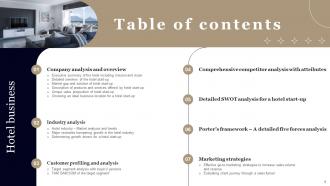
Table of contents for hotel business analysis
-
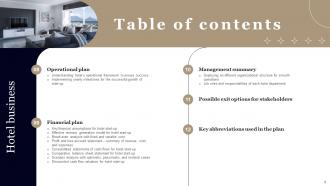
Table of contents for hotel business plan
-
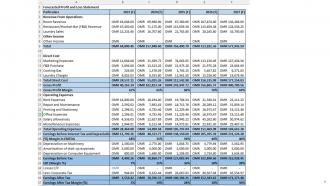
Forecasted Profit and Loss Statement
-
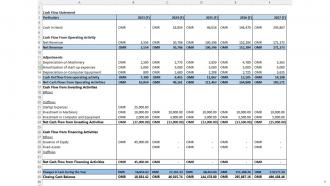
Cash Flow Statement
-
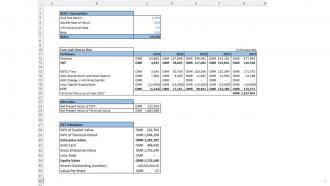
Business Plan for Hotel
-
Business Plan for Hotel
-
Business Plan for Hotel
-
Business Plan for Hotel
-
Business Plan for Hotel
-
Business Plan for Hotel
-
Business Plan for Hotel
-
Business Plan for Hotel
-
Business Plan for Hotel
-
Business Plan for Hotel
-
Business Plan for Hotel
-
Business Plan for Hotel
-
Business Plan for Hotel
-
Business Plan for Hotel
-
Business Plan for Hotel
-
Business Plan for Hotel
-
Business Plan for Hotel
-
Business Plan for Hotel
-
Business Plan for Hotel
-
Business Plan for Hotel
-
Business Plan for Hotel
-
Business Plan for Hotel
-
Business Plan for Hotel
-
Business Plan for Hotel
-
Business Plan for Hotel
-
Business Plan for Hotel
-
Business Plan for Hotel
-
Business Plan for Hotel
-
Business Plan for Hotel
-
Business Plan for Hotel
-
Business Plan for Hotel
-
Business Plan for Hotel
-
Business Plan for Hotel
-
Business Plan for Hotel
-
Business Plan for Hotel
-
Business Plan for Hotel
-
Business Plan for Hotel
-
Business Plan for Hotel
-
Business Plan for Hotel
-
Business Plan for Hotel
-
Business Plan for Hotel
-
Business Plan for Hotel
-
Business Plan for Hotel
-
Business Plan for Hotel
-
Business Plan for Hotel
-
Business Plan for Hotel
-
Business Plan for Hotel
-
Business Plan for Hotel
-
Business Plan for Hotel
-
Business Plan for Hotel
-
Business Plan for Hotel
-
Business Plan for Hotel
-
Business Plan for Hotel
-
Business Plan for Hotel
-
Business Plan for Hotel
-
Business Plan for Hotel
-
Business Plan for Hotel
-

-

-

-

-

FAQs for Business Plan For Hotel
So for your hotel business plan, definitely hit the basics first - market analysis, location stuff, and your operational setup. Financial projections are honestly where most people mess up, so really dig into those revenue forecasts and startup costs. Cash flow projections too. Also map out your competition because you can't just wing it based on what you think will work. Marketing strategy and staffing plans matter obviously. Oh and your executive summary better grab attention right away or investors won't even read the rest. I'd say tie everything back to real market data, not just hunches.
Honestly, market research is what separates a solid business plan from pure fantasy. You'll scope out your competition and spot gaps they're missing. Pricing becomes way easier when you know what guests actually want to pay for. I've seen too many hotels launch with zero research and just sit there empty because they guessed wrong on everything. The real bonus? Investors take you seriously when you back up projections with actual data instead of hunches. Start by checking out your top 5 competitors, then survey people in your target market. It's boring work but totally worth it.
Here's what you'll need to put together: revenue forecasts covering room rates, occupancy, and food/beverage sales. Operating costs too - staffing, utilities, all that stuff. Cash flow projections for 3-5 years minimum. Startup costs are brutal - furniture and renovations will destroy your budget faster than you think. Include debt payments and seasonal fluctuations since nobody books hotels equally year-round. Break-even analysis is crucial. Hotels almost never hit their target occupancy in year one, so be realistic about ramp-up time. I'd create three scenarios - conservative, realistic, and optimistic. Investors love seeing the full range of possibilities rather than just one rosy picture.
Dude, location is EVERYTHING for hotels. Pick the wrong spot and you're toast, doesn't matter how nice the place looks. Check out foot traffic first, then see what's around - attractions, competitors, how people get there. Demographics matter too - age groups, income, how locals actually spend money. I swear, some developers just fall in love with a building and forget to research the neighborhood. The data shows you what type of hotel works there and what you can charge. Do your market homework before you start dreaming about fancy lobbies.
Definitely get on Booking.com and Expedia first - yeah the fees suck but you need the visibility. Your website's gotta be solid too since that's where you'll make the real money without paying commissions. Social media's actually pretty effective for hotels, especially if you've got cool amenities or a unique vibe. Partner up with local businesses and travel agents for steady bookings. Oh, and don't sleep on email marketing to past guests - those repeat customers are gold. The whole game is really about balancing those third-party bookings with driving people straight to your site.
Don't just tack sustainability onto your business plan - make it part of everything. Energy-efficient systems, waste reduction, local partnerships, water conservation. Guests expect this stuff now, so you're behind if you don't have it. Include actual numbers too - energy savings targets, waste goals, cost reductions. The cool thing is green practices actually make you money through lower operating costs. Plus eco-conscious travelers will pay more to stay somewhere that aligns with their values. I swear, sustainability isn't just good PR anymore, it's straight-up smart business.
Look, competitor analysis is your cheat sheet for figuring out where you fit in the market. I'd map out your top 5-7 direct competitors first - check their pricing, what guests are saying in reviews, occupancy rates if you can find them. This stuff shows you exactly what amenities guests actually care about and where other hotels are screwing up (that's your opening). You'll spot seasonal patterns too, which is huge for pricing strategy. Honestly, most hotels I know just guess at this stuff and wonder why they're struggling. Takes some digging but it's worth it - you'll know exactly how to position yourself and what messages work in your area.
Your hotel business plan better address the real headaches upfront - staffing shortages, maintenance disasters, angry guests, seasonal dips. Too many entrepreneurs skip this part honestly. Map out actual solutions like cross-training employees, scheduled maintenance, flexible pricing during slow periods. What happens when half your staff calls out sick during peak season? You need backup plans for emergencies and crazy busy times. Show investors you're not naive about what'll go wrong. Don't just list problems though - prove you've got practical fixes ready to roll out when things get messy.
Bank loans are your best bet honestly - expect to put down like 20-30% though. SBA loans are solid too, government-backed so better rates usually. The paperwork's a nightmare but whatever, it's worth it. Private investors are an option if you don't mind giving up equity. Some franchise brands actually help with financing which is pretty cool. Oh, and there are hotel investment groups but they're picky. Start with your local SBA office - they literally have hospitality programs and will explain everything way better than I can.
Dude, you can't skip tech in your hotel plan - guests will roast you online if your WiFi is trash or check-in takes forever. Budget for the basics: property management systems, mobile check-in, room controls, revenue software. The back-office stuff actually saves you tons on labor costs too. Honestly, I'd probably start with whatever directly affects guest experience first since bad reviews kill you faster than anything. Then work your way through the operational tech. Oh, and don't cheap out on internet infrastructure - learned that one the hard way.
Honestly, start with RevPAR - that's your bread and butter since it shows both how full you are and what you're charging. Track your ADR and occupancy rates too, obviously. GOP is clutch for seeing actual profit after operations. Guest satisfaction scores are huge though, like way more important than people think for getting repeat customers. Oh and don't ignore your online reviews - they're basically make or break now. Customer acquisition costs matter too but I'd nail down these basics first. You can always get fancier with the metrics later once you've got a handle on the core stuff.
Hey! So for your hotel plan, definitely focus on the contactless stuff - check-in, checkout, all that. People are still weird about touching things, honestly. Enhanced cleaning is huge too. Outdoor dining spaces are a must-have now. Wellness amenities work great - just make sure your fitness center has good ventilation and spa services feel private. Oh, and the work-from-hotel thing is real! You need solid coworking areas and WiFi that doesn't suck. Most important though? Keep everything modular so you can change direction fast when trends shift again.
Staffing's gonna depend on your hotel size and how fancy you're trying to be. Front desk needs 24/7 coverage obviously. Housekeeping scales with how full you are - that one's pretty straightforward. You'll want maintenance people and managers too. If you're doing food service, honestly that's where it gets messy because restaurant schedules are their own nightmare. Tourist area? Budget for way more staff during busy season. I'd start by looking at staff-to-room ratios for similar places nearby, then figure out specific roles and what you can actually afford to pay people.
Dude, local partnerships are a game changer - they make your hotel feel like it belongs in the neighborhood instead of being some random corporate drop-in. Cross-promote with nearby restaurants, tour companies, breweries, whatever's around. Guests love authentic local stuff, and honestly? Some of the coolest experiences I've seen come from these collabs. Your partners get referrals, you stand out from the chains who can't offer that hometown vibe. Even locals start viewing you as part of their community. I'd start simple - map out what's within walking distance and pitch easy referral deals first.
Honestly, the hotel game is tougher than most people think. Three main things will bite you: market saturation, economic downturns, and operational nightmares. Do your research first - I can't tell you how many people jump in without checking local occupancy rates. When the economy tanks, travel spending disappears overnight. Then you've got staffing headaches, maintenance costs that come out of nowhere, and all the regulatory stuff. Oh, and realistic projections are key - budget for like 20% lower occupancy than your best-case scenario. Trust me on the contingency fund too.
-
I am glad to have come across Slideteam. I was searching for some unique presentations and templates for my business. There are a lot of alternatives available here.
-
Great product, helpful indeed!