


Accounting Analysis And Planning Powerpoint Presentation Slide




Try Before you Buy Download Free Sample Product
 Impress Your
 Audience
 100%
100% Editable
 Save Hours
 of Time


Presenting Accounting analysis and planning PowerPoint presentation slide for breaking down complex topics and debriefing subtopics in order to gain a better understanding. Keeping an account on the liable process being used in the management system, it is a must do for sustaining a durable system. Our proficient team has kept smart designs and acknowledged visuals for an undeniable and strong impact of your ideas. Graphical representations, tabular form balance sheets, agendas descriptions through various steps, pie chart and various other schemes are present in the PPT bundle to elaborate topics like year growth charts, cash flow statement, financial projections, key financial ratio, liquidity ratio, profitability ratio, funding updates etc. Intriguing PPT slides for team introduction and smooth change in topics are included here to eliminate the monotony. These visuals are crafted by the team of creative and innovative designing experts after complete research and analysis of the subject. So, get ready for a classic experience with our excellent design. Eradicate audience apathy with our Accounting Analysis And Planning Powerpoint Presentation Slide. They will encourage them to feel.
People who downloaded this PowerPoint presentation also viewed the following :
Content of this Powerpoint Presentation
Slide 1: This slide introduces Accounting Analysis And Planning. State company name and begin.
Slide 2: This is Our Agenda slide with- Welcome Message, About Us, Meet The Team, Research, Portfolio.
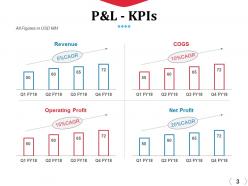
Slide 3: This slide displays P&L - KPIs in a bar chart/ graph form. Use it to show the following- Revenue, COGS, Operating Profit, Net Profit.
Slide 4: This slide states P&L- KPIs in a Tabular Form. Use it as per your need.
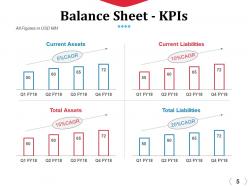
Slide 5: This slide shows Balance Sheet - KPIs in a bar graph/ chart form with- Current Assets, Current Liabilities, Total Assets, Total Liabilities.
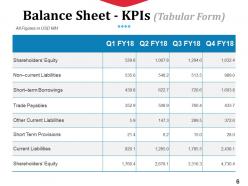
Slide 6: This slide also showcases Balance Sheet - KPIs in a Tabular Form. Use it to show your own company balance sheet.
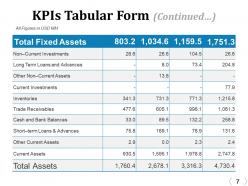
Slide 7: This slide states KPIs in a Tabular Form. Use it as per your need.
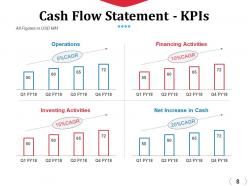
Slide 8: This is a Cash Flow Statement - KPIs slide in a bar graph/ chart form. Use it to showcase- Operations, Financing Activities, Investing Activities, Net Increase in Cash.
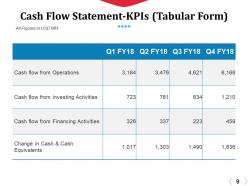
Slide 9: This slide also showcases Cash Flow Statement-KPIs in a Tabular Form. Use it to show your own cash flow statement as per your need.
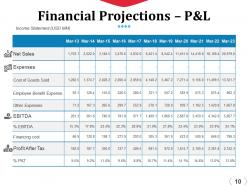
Slide 10: This is a Financial Projections – P&L slide in a tabular form. Use it to state your financial scores, aspects etc.
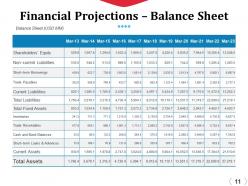
Slide 11: This slide also presents Financial Projections – Balance Sheet. Use it to show your own balance sheet with financial scores etc.
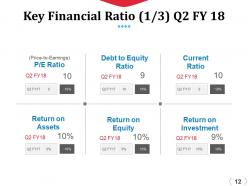
Slide 12: This slide states Key Financial Ratio Q2 FY 18 with the following- (Price-to-Earnings) P/E Ratio, Debt to Equity Ratio, Current Ratio, Return on Assets, Return on Equity, Return on Investment.
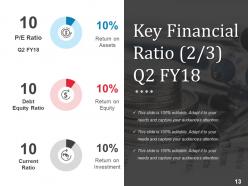
Slide 13: This slide also states Key Financial Ratio with text boxes.
Slide 14: This slide also states Key Financial Ratio with the following aspects- Profitability, Activity, Liquidity, Solvency.
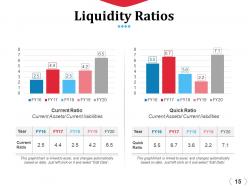
Slide 15: This slide presents Liquidity Ratios such as Current Ratio and Quick Ratio in a bar graph/ chart form. Use it as per your need.
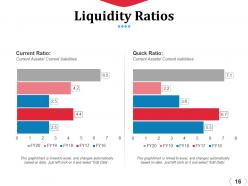
Slide 16: This slide also showcases Liquidity Ratios in a bar graph/ chart form.
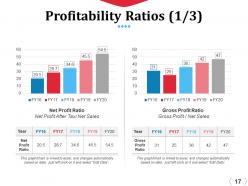
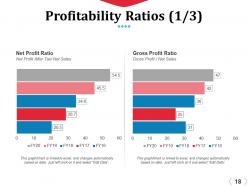
Slide 17: This slide states Profitability Ratios with Net Profit Ratio and Gross Profit Ratio. Present them in a bar graph/ chart form here.
Slide 18: This slide also showcases Profitability Ratios in a bar graph/ chart form.
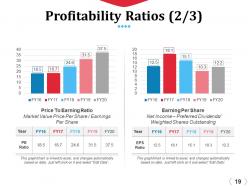
Slide 19: This is another slide showing Profitability Ratios in a bar graph/ chart form. Use it to present the following ratios Price To Earning Ratio, Earning Per Share.
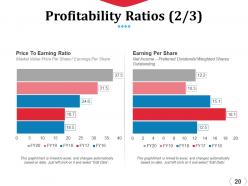
Slide 20: This slide also shows Profitability Ratios. Use it as per your business requirement.
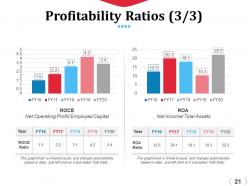
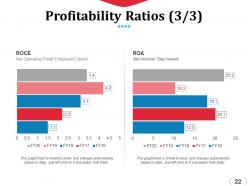
Slide 21: This is another slide showing Profitability Ratios graph. Use it to present- ROCE, ROA.
Slide 22: This slide too shows Profitability Ratios. Use it for analysis, comparison etc.
Slide 23: This is a Coffee Break image slide to halt and move further. You can change/ modify the contents as per your need.
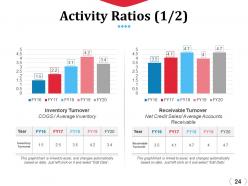
Slide 24: This slide presents Activity Ratios with Inventory Turnover and Receivable Turnover in a bar graph/ chart form.
Slide 25: This is also an Activity Ratios slide in a bar graph/ chart form. Use it to present your own activity ratios etc.
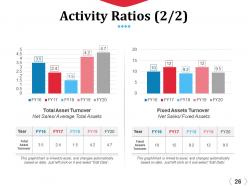
Slide 26: This is another slide showing Activity Ratios such as- Total Asset Turnover, Fixed Assets Turnover. Use it as per your need.
Slide 27: This slide too shows Activity Ratios bar graph. Use it for analysis, comparison etc.
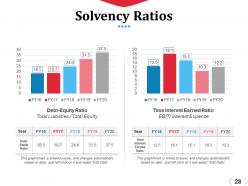
Slide 28: This slide presents Solvency Ratios in a bar graph/ chart form such as- Debt-Equity Ratio, Time Interest Earned Ratio. Use it as per your requirement.
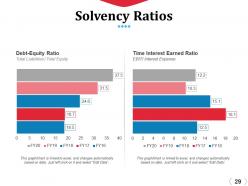
Slide 29: This slide also showcases Solvency Ratios. Present them in a bar graph/ chart form here.
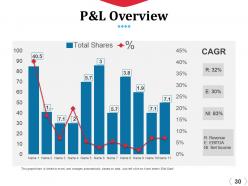
Slide 30: This is P&L Overview slide in a graph form. Use it to show your own P&L stats.
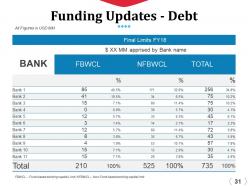
Slide 31: This slide shows Funding Updates - Debt table. Use it as per your need.
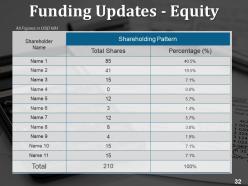
Slide 32: This slide showcases Funding Updates - Equity in a tabular form. State your shareholder's name, shareholding pattern here.
Slide 33: This slide showcases Icons For Accounting Analysis and Planning. Use them as per your need.
Slide 34: This slide is titled Additional Slides to move forward. You can change the slide content as per need.
Slide 35: This is About Our Company slide. State team/ company specifications here.
Slide 36: This is Our Mission slide with Our Vision, Our Mission and Our Goal. State these aspects here.
Slide 37: This is Meet Our Team slide with name and designation to fill.
Slide 38: This is Our Goal slide. State your goals here.
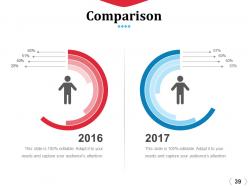
Slide 39: This is a Comparison slide to show comparison between two entities.
Slide 40: This is a Quotes slide. Convey message, beliefs etc. here.
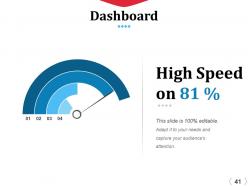
Slide 41: This is a Dashboard slide for showing information, specifications etc.
Slide 42: This is also a Location slide of world map top show global marketing, growth, presence etc.
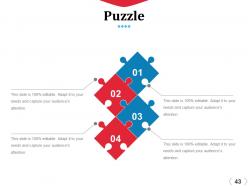
Slide 43: This is a Puzzle image slide. State information, specifications etc. here.
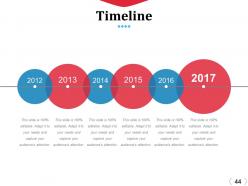
Slide 44: This is a Timeline slide to show milestones, evolution, growth highlights etc.
Slide 45: This is an Important Notes slide to mark reminders, events etc.
Slide 46: This is a Newspaper slide to show important information etc. You may alter the slide content as per need.
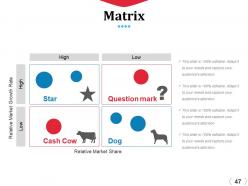
Slide 47: This is a Matrix slide to show information, specifications etc.
Slide 48: This is Our Target image slide. State your targets, goals etc. here.
Slide 49: This is a Circular slide to show information, specification etc.
Slide 50: This is a Idea Bulb image slide to state a new idea or highlight specifications/ information etc.
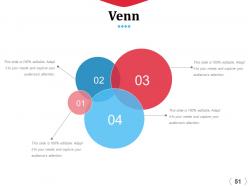
Slide 51: This is a Venn Diagram image slide to show information, specifications etc.
Slide 52: This is a Financial score slide. State financial aspects etc. here.
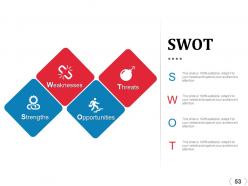
Slide 53: This slide presents SWOT analyis. Use it as per your need.
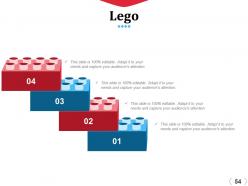
Slide 54: This is a Lego image slide to show information, specifications etc.
Slide 55: This is a Silhouettes image slide to show information, specifications etc.
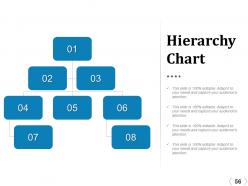
Slide 56: This is a Hierarchy Chart slide to show information, specifications etc.
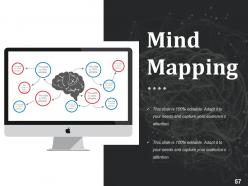
Slide 57: This slide showcases Mind mapping. State information, specifications etc. here.
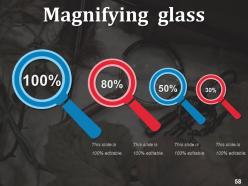
Slide 58: This slide presents a Magnifying Glass image to showcase information, specifications etc.
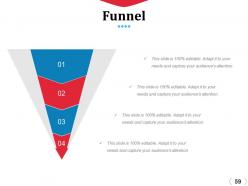
Slide 59: This is Funnel image slide to showcase funneling aspects etc.
Slide 60: This slide is titled Our Charts & Graphs to move forward. You can alter it as per need.
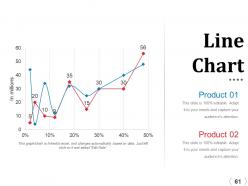
Slide 61: This slide shows a Line Chart for two product comparison.
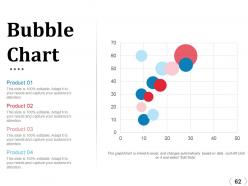
Slide 62: This is a Bubble Chart slide to show product/ entity comparison, specifications etc.
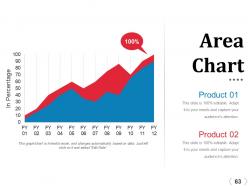
Slide 63: This is an Area Chart slide to show product/ entity growth, comparison, specifications etc.
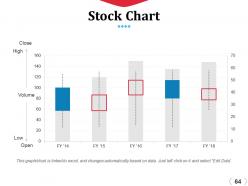
Slide 64: This is a Stock Chart slide to show product/ entity comparison, specifications etc.
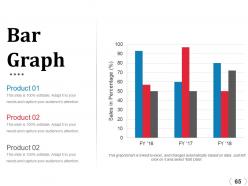
Slide 65: This is a Bar graph slide to show product/ entity comparison, specifications etc.
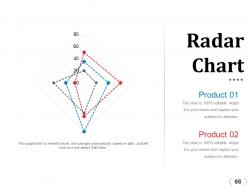
Slide 66: This slide presents a Radar Chart graph/ chart. Compare products here and use as per requirement.
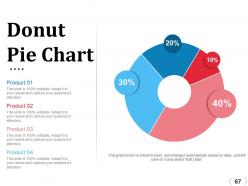
Slide 67: This is a Donut Pie Chart to present product/ entity comparison, specifications etc.
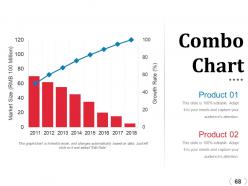
Slide 68: This is a Combo Chart slide to present product/ entity comparison, specifications etc.
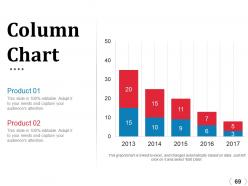
Slide 69: This is a Column Chart to present product/ entity comparison, specifications etc.
Slide 70: This is a THANK YOU slide with Address, Contact Numbers, and Email Address.
Accounting Analysis And Planning Powerpoint Presentation Slide with all 70 slides:
Demonstrate eagerness to accept any challenge with our Accounting Analysis And Planning Powerpoint Presentation Slide. You will display a daring approach.















FAQs for Accounting Analysis And Planning
Start with the three main financial statements, then calculate key ratios for profitability, liquidity, and efficiency. Cash flow analysis is huge too - honestly, I've seen companies with great earnings but terrible cash management crash hard. Look at trends across multiple periods instead of just one snapshot. Compare against competitors if you can find the data. The numbers only tell part of the story though. Management quality and industry dynamics matter just as much sometimes. Red flags usually jump out once you start digging into the ratios and trends.
Think of financial ratios as your cheat sheet for actually understanding what's going on with a company. ROE shows how well they're making money for shareholders. Liquidity ratios tell you if they can cover their bills (pretty important lol). Debt ratios reveal if they're drowning in what they owe. What's cool is ratios make those scary financial statements way easier to digest. You'll want to compare everything to industry standards though - like a 10% profit margin rocks for grocery stores but sucks for tech companies. Just pick 4-5 key ones to start.
Dude, cash flow analysis is your sanity check for any big money decisions. Your P&L might look amazing on paper, but if you're actually broke? You're screwed. I learned this the hard way once - thought I was crushing it profit-wise but couldn't even pay my contractor that month. Use it to figure out timing for stuff like equipment purchases or new hires. Can you actually afford that person next month? Cash flow tells you the truth. Also super helpful for tweaking customer payment terms if needed. Just don't make decisions based purely on accounting profits without checking what's really in the bank first.
Variance analysis is like having a rearview mirror for your budget - it shows you exactly what went sideways so you don't make the same mistakes twice. Compare your actual spending against what you planned, and you'll start seeing patterns. Random variances happen, whatever. But the stuff that keeps repeating? That's where the money is. Maybe you always blow past your materials budget by 15%. Now you know to bump that up next time. I'd track your biggest 3-5 problem areas each month - honestly, it's kind of addictive once you get into it. Your forecasting will get way more accurate pretty fast.
So basically, historical cost is kinda outdated because it doesn't show what stuff is actually worth today. Your financial picture gets all warped - especially with older assets that have probably gone up tons in value. Like that office building from the 90s? It's gonna look way cheaper on paper than what it'd sell for now. Inflation alone makes everything look weird. You're missing out on seeing the real value of your investments. I'd definitely grab some current market data when you can and compare it side by side. Makes way more sense that way.
So accounting rules basically dictate how companies record their financials - and trust me, it matters way more than you'd think. GAAP vs IFRS can make the same company look totally different on paper. Revenue timing, asset values, all that stuff changes based on which standards they follow. You can't just compare two companies without knowing their accounting framework first (learned that the hard way). Always peek at the accounting policies footnote before diving into analysis. It's boring but it'll prevent you from making dumb assumptions about what the numbers actually mean.
Honestly, tech can save you so much time with accounting analysis. Start with automating data entry - those manual errors are the worst and totally avoidable. Real-time dashboards beat Excel any day for spotting weird trends or issues. Cloud stuff means you can work from literally anywhere, which is clutch. AI tools are getting pretty good at catching problems early too. My advice? Figure out what's eating up most of your time right now and find a tool that fixes exactly that. Don't try to overhaul everything at once - that's how you end up overwhelmed.
So there are four main financial statements you'll need to know. Income statement shows your revenue and expenses over time. Balance sheet is like a snapshot - it captures assets, liabilities, and equity at one specific moment. Then you've got cash flow, which honestly is my favorite because it shows actual money movement, not just paper profits (huge difference there). Last one is statement of equity - tracks ownership changes. Cash flow might seem boring but it's saved me from so many bad investment calls. These four cover pretty much everything you need for decent analysis.
Honestly, focus on those three main statements first - income, balance sheet, cash flow. Don't just look at one year though, check trends over time. Those footnotes everyone skips? That's where companies bury the sketchy stuff, so actually read them. Management's discussion section tells you their side of the story. Compare ratios like debt-to-equity and profit margins to industry averages - gives you context. But here's the thing: if what management's saying doesn't match the actual numbers, that's your biggest red flag right there.
Think about what decision your audience actually needs to make first—that's your starting point. Trend lines work great for showing performance over time. Waterfall charts are perfect when you need to break down how values change step by step. Heat maps? Super useful for comparing metrics across different departments or time periods. Dashboards are honestly a game-changer since they combine multiple visuals and update automatically. Oh, and please avoid those rainbow pie charts that assault your retinas—stick with clean colors and clear labels. The goal is telling a story, not just throwing numbers at people and hoping something sticks.
So accounting analysis is like having a crystal ball for your business finances - well, sort of. You dive into financial statements and cash flow to catch red flags early. Stuff like debt issues or weird revenue patterns that could mess you up later. Short sentences work here. It's honestly pretty tedious work, but you'll thank yourself when you spot problems before they explode. The numbers help you decide whether to invest, give credit, or change how you operate. Plus you can set up alerts based on what you find. Way better than flying blind and hoping for the best.
You really don't want to skip auditing if you can help it. Basically it's like having someone double-check your math before you turn in the test. Auditors catch all the stuff that could make your analysis look stupid later - fraud, random errors, numbers that don't actually match reality. I've seen people make huge decisions based on unaudited data and it never ends well. The whole point is making sure your financial info reflects what actually happened in the business, not just wishful thinking. Always ask if the data's been audited first - trust me on this one.
Look at your financials from the past two years - that's where you'll spot the real patterns. Cash flow analysis is honestly the best part because it shows what's actually driving growth, not just what looks pretty on your income statement. You can see which revenue streams are taking off and which customer segments make you the most money. I'd focus on finding where your margins are getting better too. Once you catch those operational inefficiencies (and there's always some), fixing them frees up cash to reinvest. Quarter-by-quarter comparisons work best for this stuff.
Look, transparency has to come first - don't cave to management pressure or let personal stuff mess with your analysis. Any conflicts of interest? Disclose them upfront because honestly, they always surface eventually anyway. Document everything thoroughly so people can actually follow your work later. Use sources you can verify - seems obvious but you'd be surprised. Oh, and if you find something shady, don't ignore it. Report through the right channels and keep records of the whole mess. I've seen too many analysts get burned by trying to protect companies that didn't deserve it.
Dude, international accounting standards are honestly a lifesaver for cross-border analysis. Companies using IFRS means you can actually compare businesses without going crazy trying to decode what "revenue recognition" means in like 12 different countries - used to be such a mess. Spotting real trends becomes way easier when you're not dealing with random accounting quirks everywhere. Though heads up, there's still local variations to watch for. I always peek at the footnotes first to see which standards they're actually using. Some companies get creative with implementation, which is... fun to discover later.
-
Much better than the original! Thanks for the quick turnaround.
-
Visually stunning presentation, love the content.