

Financial Ratio Analysis Powerpoint Presentation Slides






Try Before you Buy Download Free Sample Product
 Impress Your
 Audience
 100%
100% Editable
 Save Hours
 of Time


Whenever you want to inform about your financial updates and projections to management and stakeholders, you have the perfect answer to choose from our financial ratio analysis PowerPoint presentation slides. This Financial Ratio Analysis presentation slide has been crafted by our team of artists to accommodate your need to represent financial details like balance sheet of your company, financial achievements of company, liabilities of company, income and profit and loss statements. This multi icons-based template can be used to update wide variety of information to clients and investors such as your financial projections, companies’ achievements and income statement analysis on yearly basis or monthly basis. Financial ratio analysis PPT template is useful to showcase your business strategy, comparison of business income reports, balance sheet updates, profitability, liquidity updates and activity ratios. This financial ratio presentation covers many areas related to financial, general business overview, funding updates or financial dashboards of your enterprise. Acquire an effective counter with our Financial Ratio Analysis Powerpoint Presentation Slides. They are good for convincing critics.
People who downloaded this PowerPoint presentation also viewed the following :
Content of this Powerpoint Presentation
Slide 1: This slide introduces Financial Ratio Analysis. State Your Company Name and begin.
Slide 2: This is an Agenda slide showcasing Welcome Message, About Us, Meet The Team, Portfolio, Research.
Slide 3: This is P&L - KPIs showcasing- COGS, Net Profit, Operating Profit, Revenue CAGR.
Slide 4: This is P&L - KPIs (Tabular Form) slide.
Slide 5: This slide presents Balance Sheet - KPIs Current Liabilities,, Total Liabilities Total Assets, Current Assets CAGR.
Slide 6: This is a Balance Sheet - KPIs (Tabular Form) slide.
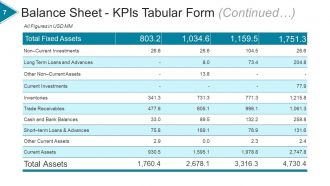
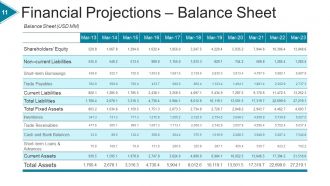
Slide 7: This is a continuation slide for Balance Sheet.
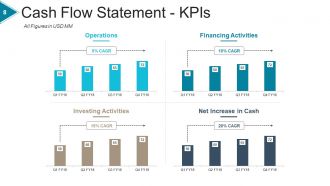
Slide 8: This slide showcases Cash Flow Statement - KPIs displaying- Financing Activities, Net Increase in Cash, Investing Activities, Operations CAGR.
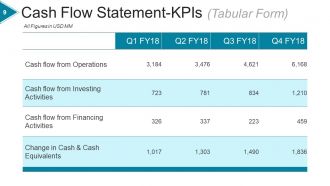
Slide 9: This is a Cash Flow Statement-KPIs (Tabular Form) slide.
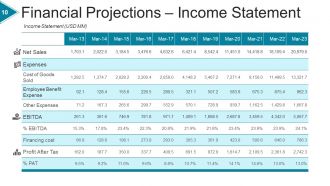
Slide 11: This slide shows Financial Projections – P&L Income Statement (USD MM).
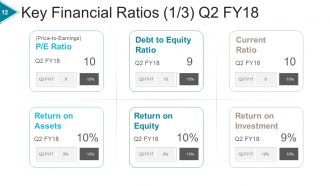
Slide 12: This slide presents Key Financial Ratios of- P/E Ratio, Debt Equity Ratio, Current Ratio with- Return on Assets, Return on Equity, Return on Investment, Return on Assets.
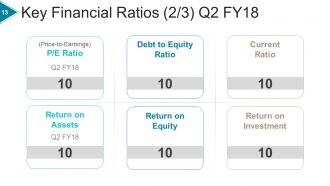
Slide 13: This slide presents Key Financial Ratios of- P/E Ratio, Debt Equity Ratio, Current Ratio with- Return on Assets, Return on Equity, Return on Investment, Return on Assets.
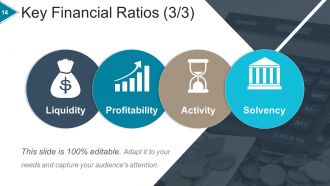
Slide 14: This slide presents Key Financial Ratios of- Liquidity, Profitability, Activity, Solvency.
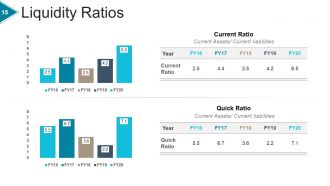
Slide 15: This slide showcases Liquidity Ratios displaying- Current Ratio: Current Assets/ Current liabilities, Quick Ratio: Current Assets/ Current liabilities.
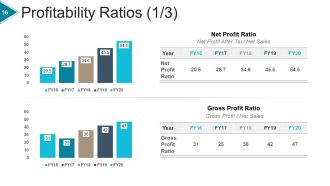
Slide 16: This slide presents Profitability Ratios (1/3) displaying- Net Profit Ratio: Net Profit After Tax/ Net Sales, Gross Profit Ratio: Gross Profit / Net Sales.
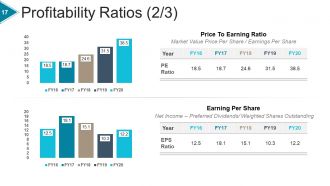
Slide 17: This slide showcases Profitability Ratios (2/3) displaying- Price To Earning Ratio: Market Value Price Per Share / Earnings Per Share. Earning Per Share: Net Income – Preferred Dividends/ Weighted Shares Outstanding.
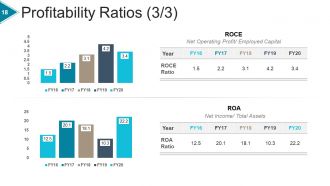
Slide 18: This slide shows Profitability Ratios (3/3) displaying- ROCE: Net Operating Profit/ Employed Capital ROA: Net Income/ Total Assets
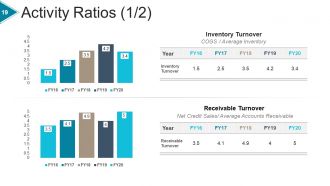
Slide 19: This slide showcases Activity Ratios (1/2) displaying- Inventory Turnover: COGS / Average Inventory, Receivable Turnover: Net Credit Sales/ Average Accounts Receivable.
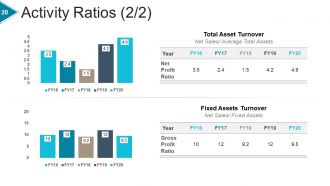
Slide 20: This slide shows Activity Ratios (2/2) displaying- Total Asset Turnover: Net Sales / Average Total Assets, Fixed Asset Turnover: Net Sales/ Fixed Assets.
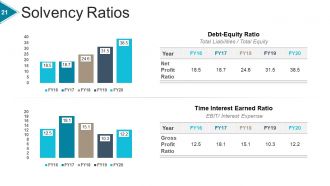
Slide 21: This sldie shows Solvency Ratios displaying- Debt-Equity Ratio: Total Liabilities / Total Equity, Time Interest Earned Ratio: EBIT/ Interest Expense.
Slide 22: This is a Coffee Break slide to halt. You may alter/modify the content as per need.
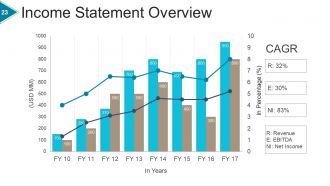
Slide 23: This slide presents Income Statement Overview displaying- CAGR, R: Revenue, E: EBITDA, NI: Net Income.
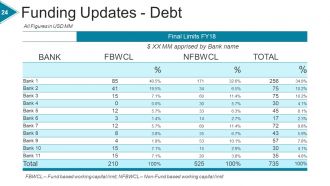
Slide 24: This slide showcases Funding Updates - Debt in tabular form.
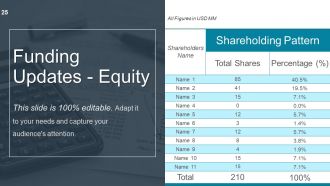
Slide 25: This slide showcases Funding Updates - Equity in tabular form.
Slide 26: This slide presents Icons For Financial Ratio Analysis. Use them as per need.
Slide 27: This slide is titled Additional Slides to move forward. You may alter/modify the slide content as per need.
Slide 28: This is Our Mission slide with Vision and Goal etc. icon imagery. State them here.
Slide 29: This is an About Us slide. Show company/team specifications etc. here
Slide 30: This slide presents Meet Our Team with name, designation to put relevant information.
Slide 31: This is Our Goal slide. State them here.
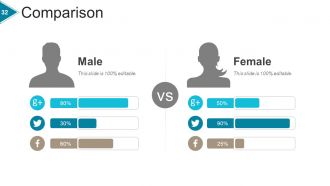
Slide 32: This slide shows Comparison in a creative manner displaying male and female imagery. State comparing aspects here.
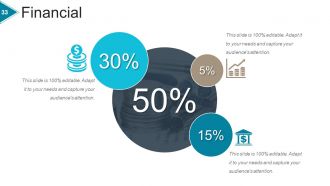
Slide 33: This slide shows Financial Score. State financial aspects here.
Slide 34: This is a Quotes slide. State business message, beliefs etc. here.
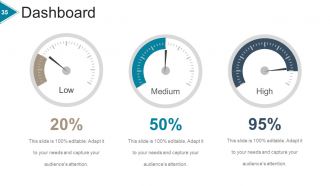
Slide 35: This is a Dashboard slide to display metrics, kpis, etc.
Slide 36: This is a Location slide of a world map image to show global growth, presence etc.
Slide 37: This is a Timeline slide to show growth, journey, evolution etc.
Slide 38: This slide displays Important Notes to flash company event, news or anything to highlight.
Slide 39: This is a Puzzle image slide to show information, specifications etc.
Slide 40: This slide displays Newspaper image to flash company event, news or anything to highlight.
Slide 41: This is Our Target slide to show targets, plans etc.
Slide 42: This is a Circular image slide to show information, specifications etc.
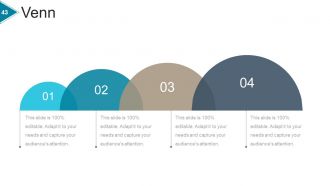
Slide 43: This is a Venn diagram image slide to show information, specifications etc.
Slide 44: This is an Idea Generation gear bulb image slide to show information, specifications etc.
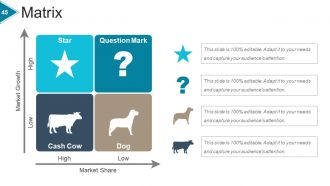
Slide 45: This is a Matrix (BCG) slide to show information, specifications, comparison etc.
Slide 46: This is a SWOT Analysis slide.
Slide 47: This slide showcases Lego imagery. Present information, specifications etc. here.
Slide 48: This slide shows Silhouettes image with text boxes. State information etc. here.
Slide 49: This slide shows a Magnifying glass image with text boxes. State information etc. here.
Slide 50: This is a Hierarchy Chart slide to state team specifications, organizational structure etc.
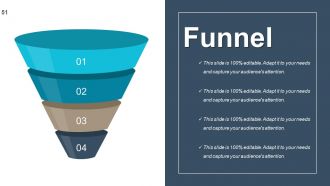
Slide 51: This slide displays a Funnel image. State information, funneling aspects etc. here.
Slide 52: This slide is titled Our Charts & Graphs to move forward. You may change the slide content as per need.
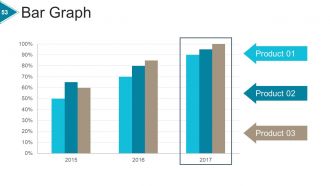
Slide 53: This slide presents a Bar Graph for two product/entity comparison, information, specifications etc.
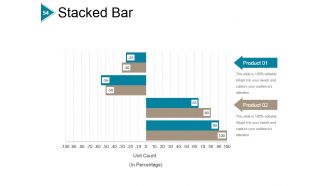
Slide 54: This slide presents a Stacked Bar Graph for two product/entity comparison, information, specifications etc.
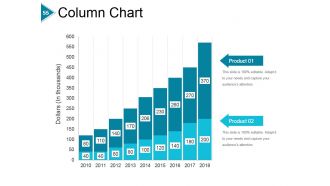
Slide 55: This slide presents a Column Chart for two product/entity comparison, information, specifications etc.
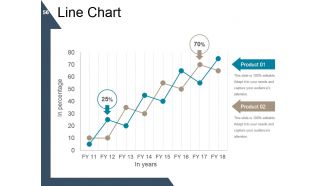
Slide 56: This slide presents a Line Chart for two product/entity comparison, information, specifications etc.
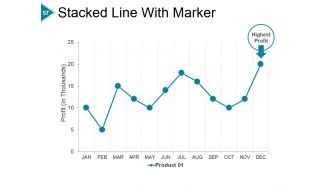
Slide 57: This slide presents a Stacked Line With Marker Graph for two product/entity comparison, information, specifications etc.
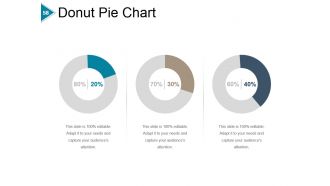
Slide 58: This slide presents a Pie Chart for two product/entity comparison, information, specifications etc.
Slide 59: This slide showcases a Radar Chart for two product/entity comparison, information, specifications etc.
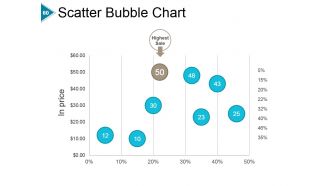
Slide 60: This slide presents a Scatter Bubble Chart for two product/entity comparison, information, specifications etc.
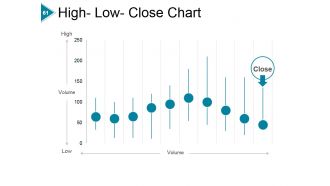
Slide 61: This slide presents a High- Low- Close Chart for two product/entity comparison, information, specifications etc.
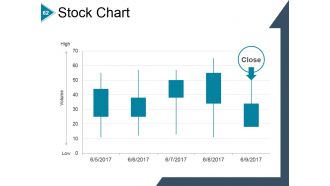
Slide 62: This slide presents a Stock Chart for two product/entity comparison, information, specifications etc.
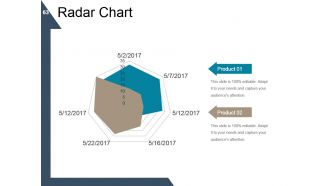
Slide 63: This slide showcases a Radar Chart for two product/entity comparison, information, specifications etc.
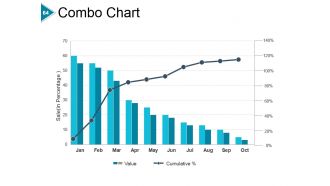
Slide 64: This slide showcases a Combo Chart for two product/entity comparison, information, specifications etc.
Slide 65: This is a Thank You slide with Address# street number, city, state, Contact Numbers, Email Address.
Financial Ratio Analysis Powerpoint Presentation Slides with all 65 slides:
Get it hands down with our Financial Ratio Analysis Powerpoint Presentation Slides. Acquire accolades with complete ease.
-

Financial Ratio Analysis
-

Agenda Slide
-
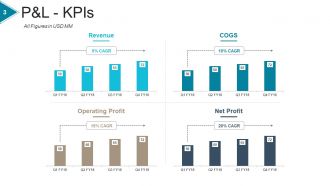
P L KPIs
-
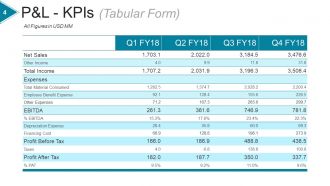
P L KPIs Tabular Form
-
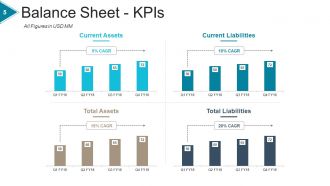
Balance Sheet KPIs
-
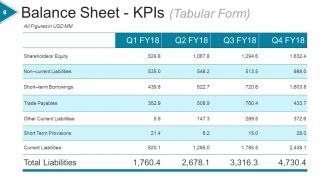
Balance Sheet KPIs Tabular Form
-
Balance Sheet KPIs Tabular Form Continued
-
Cash Flow Statement KPIs
-
Cash Flow Statement KPIs Tabular Form
-
Financial Projections Income Statement
-
Financial Projections Balance Sheet
-
Key Financial Ratios 1 3 Q2 FY18
-
Key Financial Ratios 2 3 Q2 FY18
-
Key Financial Ratios 3 3
-
Liquidity Ratios
-
Profitability Ratios 1 3
-
Profitability Ratios 2 3
-
Profitability Ratios 3 3
-
Activity Ratios 1 2
-
Activity Ratios 2 2
-
Solvency Ratios
-

Coffee Break
-
Income Statement Overview
-
Funding Updates Debt
-
Funding Updates Equity
-
Icons For Financial Ratio Analysis
-

Additional Slides
-

Our Mission
-

About Us
-

Meet Our Team
-

Our Goal
-
Comparison
-
Financial
-

Financial Ratio Analysis Slide34
-
Dashboard
-

Location
-
Timeline
-

Important Notes
-

Puzzle
-

Newspaper
-

Our Target
-
Circular
-
Venn
-

Idea Generation
-
Matrix
-

SWOT Analysis
-
Lego
-

Silhouettes
-

Magnifying Glass
-

Hierarchy Chart
-
Funnel
-

Our Graphs Charts
-
Bar Graph
-
Stacked Bar
-
Column Chart
-
Line Chart
-
Stacked Line With Marker
-
Donut Pie Chart
-

Radar Chart
-
Scatter Bubble Chart
-
High Low Close Chart
-
Stock Chart
-
Radar Chart
-
Combo Chart
-

Thank You
FAQs for Financial Ratio Analysis
Honestly, just stick to the basics - P/E ratio shows if you're overpaying compared to earnings. Current ratio tells you if they can cover short-term bills, which matters more than people think. I'm obsessed with ROE because it shows how well they're actually using investor money. Debt-to-equity is huge too - tells you how much they owe vs own. Oh and profit margins for efficiency. Don't get overwhelmed by every ratio you see online. These five cover what you actually need to know before putting money down.
Think of ratio analysis like a company's report card - way more useful than just staring at raw numbers. You'll spot problems early and see how they stack up against competitors. Honestly, management can BS all they want, but ratios don't lie. Track them over time and you'll know if things are actually getting better. It's kinda like checking your health stats - one number alone doesn't tell you much, but put them together and boom, the whole picture emerges. Focus on four main types: liquidity, debt, profitability, and how efficiently they're running things.
Okay so liquidity ratios basically tell you if you can cover your bills right now - stuff like current ratio and quick ratio. They're looking at your cash situation. Profitability ratios are different though. Those show how good you are at actually making money - like your profit margins and ROE. I honestly thought they were the same thing when I first started learning this stuff! Think of it this way: liquidity keeps you alive today, profitability makes you successful tomorrow. You really can't ignore either one if you want your business to work long-term.
Dude, current ratios are totally industry-dependent. Retail companies usually sit around 1.2-1.5 since they flip inventory fast and know what's coming in. Manufacturing or construction? They need 2.0+ because of longer cycles and seasonal weirdness. Tech companies are the outliers here - crazy high ratios because they're hoarding cash but barely need inventory. Honestly, comparing a grocery store's 1.3 to some heavy equipment company's 2.5 is pretty useless. You gotta stack it up against similar businesses, not chase some magical "perfect" number that doesn't exist.
Honestly, financial ratios are like a company's vital signs - way better than trusting whatever spin management puts in their reports. Look at their current ratio first to see if they can cover short-term bills, then check debt-to-equity to see how much they owe vs own. Profitability ratios matter too, obviously. The debt service coverage ratio is huge though - it shows if they actually generate enough cash to pay back loans. Compare everything to industry averages and watch for trends over a few years. These two ratios alone will catch most problems before they blow up.
Looking at ratios over time is so much better than just checking one period. Think of it like this - one ratio is just a random photo, but tracking them quarterly shows you the actual movie of what's happening. You'll catch if your cash flow is actually getting worse or if that weird debt spike was just from some one-off thing. Honestly, I wish more people did this instead of freaking out over single numbers. Plot your main ratios for like 2-3 years back and you'll start seeing the real patterns that matter.
So debt-to-equity ratio is basically how much debt you've got compared to what shareholders put in. High ratio? You're borrowing a ton, which could bite you but also boost returns if things go well. Lenders will definitely eyeball this number hard when you want money. Think of it like credit card utilization but for your whole business. Most industries have their sweet spots you'll want to hit. I use it to see if I'm getting too debt-heavy and to check how I stack up against other companies. Pretty straightforward once you get the hang of it.
Financial ratios are honestly your best friend for comparing companies - they level the playing field regardless of size. I'd stick with the basics: P/E, debt-to-equity, ROE, and profit margins. Those four cover most bases. Here's the thing though - you can't just look at raw numbers. A 15% margin sounds amazing until you realize it's garbage for tech but incredible for groceries. Grab 3-5 competitors and compare their ratios over recent quarters. You'll spot the weird outliers pretty fast. Industry benchmarks are clutch for this stuff.
Oh man, biggest mistake is comparing stuff that doesn't match - like tech companies to banks or looking at 2019 vs 2023 numbers without thinking about what changed. Never rely on just one ratio either, trust me on that one. I made that mistake once and it was embarrassing lol. Watch out for sketchy earnings data too, especially during quarterly reporting when companies get... creative. Industry context is huge - what looks terrible might actually be standard for that sector. My advice? Track trends over several periods, use multiple ratios together, and actually read those boring footnotes. They hide the good stuff.
So market ratios use your stock's actual trading price - what people will pay right now. Accounting ratios? Just the raw numbers from financial statements. Like P/E needs market data, but debt-to-equity doesn't. I honestly love watching market ratios because they show real investor vibes in real-time. Pretty addictive actually. Accounting ratios are more boring but way more stable - they won't swing around just because the market's having a bad day. You'll want both though. Check if your accounting ratios back up what the market's saying about your stock's value.
Dude, accounting policies mess with ratio analysis big time. Companies can choose how to record stuff, so your debt-to-equity ratio gets totally different results depending on whether they capitalize costs or just expense them. FIFO versus LIFO inventory methods? Yeah, that screws up profitability ratios too. Then there's depreciation - straight-line makes asset turnover look way different than accelerated methods. Honestly, the footnotes are boring as hell but you've gotta read them to understand what accounting tricks they're using. Otherwise you're comparing apples to oranges when looking at different companies.
So your ratios are trash? Don't just stare at the numbers - figure out what's actually broken. Cash flow issues mean you gotta chase down those late payments faster. Profitability sucks? Cut the dead weight expenses or bump your prices (though pricing changes are honestly a pain if everyone's competing). Too much debt? Stop borrowing and start paying stuff off. Here's the thing - ratios just tell you where to look, they're not the real problem. Pick your worst ratio first and fix whatever's causing it.
ROA shows how well you're squeezing profit from your assets - like, are you actually making money from all that stuff you own? ROE is different though. It's about returns to shareholders and factors in debt too. You can totally have solid ROA but weak ROE if you're not using debt smart (honestly happens more than you'd think). Or the flip side works too. Check both ratios when you're digging into performance - gives you the full picture of whether management's actually optimizing things or just coasting.
Honestly, forget the fancy ratios for now. Cash flow is everything - can you pay your bills? That's what matters. Your burn rate and runway are way more important than profit margins at this stage. I'd also track your current ratio once you get going. ROE and those complex metrics? Total waste of time when you're just starting out. Once you have real customer data, then look at acquisition costs versus lifetime value. But seriously, just start with basic cash flow tracking. You can get fancy later when you're not wondering if you'll make rent next month.
So here's the thing - economic conditions totally shift what counts as "good" or "bad" ratios. Like, during a recession? Lower profit margins are pretty standard across whole industries, so you can't be as harsh judging companies. Debt ratios get tricky too since they look way scarier when credit's tight, but those same numbers might be perfectly fine during good times. Interest rates mess with everything because they directly hit borrowing costs. You've gotta compare against industry peers while factoring in the economic backdrop - not just what worked historically. I always think: is this company actually struggling, or is the whole environment just rough right now?
-
Use of icon with content is very relateable, informative and appealing.
-
Out of the box and creative design.