


Demand Creation Powerpoint Presentation Slides




Try Before you Buy Download Free Sample Product
 Impress Your
 Audience
 100%
100% Editable
 Save Hours
 of Time


Be fast and accurate in drawing conclusions with our Demand Creation Powerpoint Presentation Slides. It will expedite investigations.
People who downloaded this PowerPoint presentation also viewed the following :
Content of this Powerpoint Presentation
Slide 1: This slide introduces DEMAND CREATION. State your company name and begins.
Slide 2: This is an agenda slide Agenda. We have listed few pointers for agenda. You can alter as per your requirement.
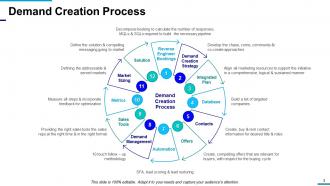
Slide 3: This slide presents Demand Creation Process. Monitor the Demand creation on the basis of below mentioned parameters, you can alter them as per your requirements Demand Creation Process, Reverse Engineer Bookings, Demand Creation Strategy, Integrated Plan, Database, Contacts, Offers, Automation, Demand Management, Sales Tools, Metrics, Market Sizing, Solution.
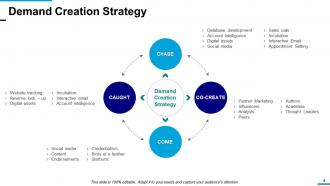
Slide 4: This slide displays Demand Creation Strategy. You can use/edit as per requirement chase, co-create, come, caught.
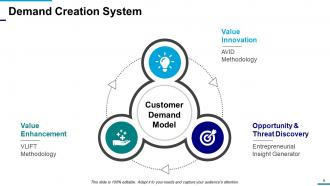
Slide 5: This slide showcases Demand Creation System. We have categorized in to three most common categories just to give a basic idea on classification which can be altered by you as per your requirement. Value Innovation, Opportunity & Threat Discovery, Value Enhancement.
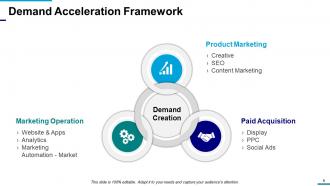
Slide 6: This slide shows Demand Acceleration Framework with three basic stages and those are- Product Marketing, Paid Acquisition, Marketing Operation.
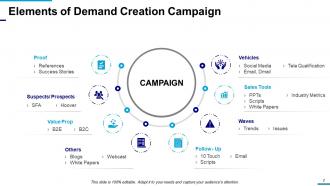
Slide 7: This slide presents Elements of Demand Creation Campaign . Also this include several elements you can use as per your requirement.
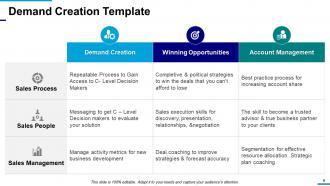
Slide 8: This slide presents Demand Creation. This table can give you the idea about how to manage demand with sales.
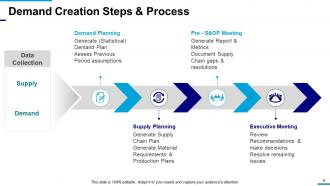
Slide 9: This slide talks about Demand Creation Steps & Process. We have shown some of the steps- Demand Planning, Supply Planning, Pre - S&OP Meeting, Executive Meeting.
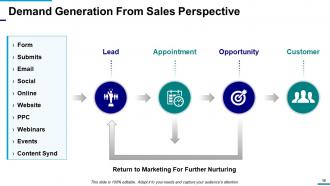
Slide 10: This slide presents Demand Generation From Sales Perspective. We have categorized in to four most common categories just to give a basic idea on classification which can be altered by you as per your requirement. Lead, Appointment, Opportunity, Customer.
Slide 11: These are Demand Creation Icons Slide.
Slide 12: This is a Coffee Break slide to halt. You may change it as per requirement.
Slide 13: This slide is titled Additional Slides to move forward.
Slide 14: This is an Our Team slide with name, image&text boxes to put the required information.
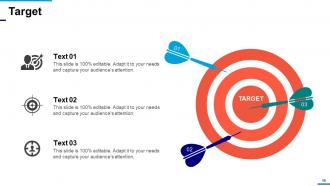
Slide 15: This is a Target slide. State targets here.
Slide 16: This is a Bulb/idea image slide to show information, ideas, innovation specific stuff etc.
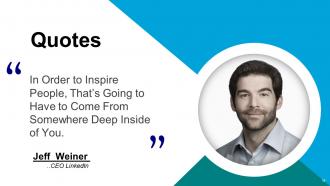
Slide 17: This is a Quotes slide to convey message, beliefs etc.
Slide 18: This slide showcases a Puzzle with imagery.
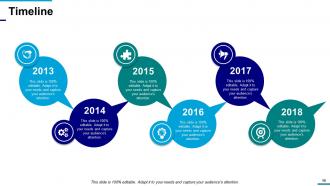
Slide 19: This slide presents a Timeline to show growth, milestones etc.
Slide 20: This slide is titled Charts & Graphs to move forward.
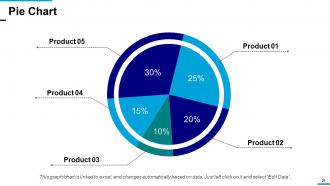
Slide 21: This slide presents pie chart with comparison with five products.
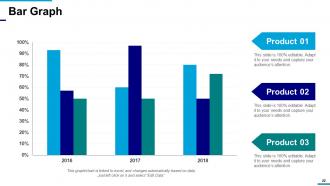
Slide 22: This slide showcases Bar Graph with three product comparison.
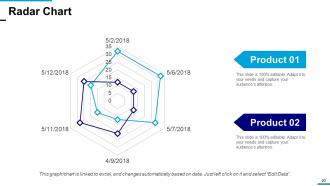
Slide 23: This slide shows Radar Chart which is comparison between two products.
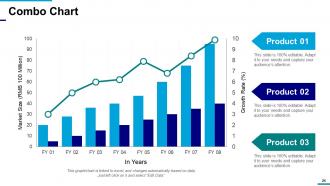
Slide 24: This slide showcases Combo Chart with three product comparison.
Slide 25: This is a Thank You slide with Address# street number, city, state, Contact Numbers, Email Address.
Demand Creation Powerpoint Presentation Slides with all 25 slides:
Our Demand Creation Powerpoint Presentation Slides are the abode of great ideas. They get a chance to flourish.

FAQs for Demand Creation
FOMO works great - make stuff feel exclusive or show people problems they didn't realize they had. Limited drops, beta access, invite-only launches. Find influencers who actually use your product (not just whoever's cheapest). Give away some value first, then upsell the good stuff. Oh, and content that teaches works better than people think. Show them the problem exists before pitching your solution. Honestly, pick one thing and really test it out before you start throwing everything at the wall. You'll get better results focusing than trying five strategies half-heartedly.
So market research shows you exactly where the gaps are - what people want vs. what's actually out there. That's where you create demand. Surveys and focus groups are obvious, but I'd honestly just start by talking to people. Look for patterns in what pisses them off or what they're jerry-rigging with current products. Those frustrations? That's gold. Then you position your thing so they're like "oh shit, I actually do need this." Behavioral data helps too, but don't overthink it. Just interview like 10-15 people in your target market this week and see what comes up.
Dude, stories are everything for creating demand. People connect emotionally when you paint a picture of their pain, not when you rattle off features. Our brains literally crave narrative - it's weird but true. I always start with a "day in the life" scenario showing someone struggling with the exact problem my prospect has. Then boom - show the transformation. Way more powerful than bullet points. Actually creates urgency instead of just presenting facts. Trust me, that emotional hook makes all the difference.
Honestly, skip the mega-influencers and go for smaller ones with engaged followers. Their audiences actually trust them more anyway. Find people whose fans match who you're trying to reach - that's way more important than follower count. Get them to share real experiences with your product, maybe some behind-the-scenes stuff or how-to content. Nobody wants to see another obvious sponsored post. Build actual relationships with a few good creators instead of doing random one-offs with everyone. People can smell fake recommendations from a mile away, but they'll genuinely consider buying something their favorite creator actually uses.
So you'll need both leading and lagging indicators to see what's working. Brand awareness, website traffic, engagement rates - that stuff shows if people are paying attention. Then look at your pipeline: lead quality, conversion rates, how long your sales cycle takes. Revenue attribution is the dream metric but honestly it's a pain with longer B2B deals. Share of voice and customer acquisition costs matter too. Here's the thing though - don't get overwhelmed by every metric out there. Pick maybe 3-5 that actually tie to your goals and stick with those. Way better than drowning in spreadsheets.
Timing is honestly make-or-break for demand creation. Hit people too early? They'll forget about you by the time they're actually ready to buy. Wait too long and they've already picked someone else or moved on entirely. I've watched campaigns completely bomb just from terrible timing alone - it's brutal. What you gotta do is figure out your customer's buying timeline first, then work backwards. Look at seasonal trends, when your industry typically makes decisions, all that stuff. Then schedule everything around those patterns. Sounds obvious but most people totally mess this up.
Honestly? Go contrarian - challenge what everyone in your industry just accepts as fact. People eat up content that flips their assumptions upside down. Behind-the-scenes stuff works too, especially if you show the messy failures alongside wins. Interactive content is clutch - polls, quizzes, challenges where people actually participate instead of just scrolling past. But here's what really works: being brutally honest about problems everyone deals with but nobody wants to admit out loud. Your competitors won't touch that stuff because they're too worried about looking "professional." That's your opening right there.
Honestly, dig into your customer data first - that's where the good stuff hides. Check out who's complaining about existing solutions or creating weird workarounds. Social media is perfect for this since people love to rant about products that suck. You'll find gaps your competitors totally missed. Also look at your current customers differently. Sometimes they're using your product in ways you never expected, which is actually brilliant market research. The trick is finding groups with real problems you can solve way better than everyone else. Oh, and don't ignore the demographics that are already buying but weren't part of your original plan.
Scarcity and urgency are your best friends here. "Only 50 spots left" or flash bonuses that expire - that stuff really works. Social proof is huge too, like dropping client names or solid testimonials. People hate missing out once they're already interested, honestly that's probably the biggest driver. Oh, and position yourself as the authority they need. Just don't overdo it or you'll sound like those cringe infomercials. The trick is making it feel natural in your messaging instead of super obvious. Test what clicks with your audience though - every group's different.
B2B is all about relationships and educating people - you're dealing with committees who take forever to decide anything. Honestly, it's kind of exhausting. You need whitepapers, case studies, ROI calculators, the whole nine yards. B2C? Totally different game. Hit them with emotional triggers and social proof. People buy on impulse way more than they admit. The timelines are night and day too. B2B buyers want six months to solve some complex business problem, while B2C wants that lifestyle benefit right now. Map out how your actual buyers make decisions first - that'll tell you which route to go.
Okay so customer feedback is basically your cheat sheet for figuring out what actually works. You'll discover which problems people genuinely care about versus what you assumed they did - trust me, there's usually a gap. Pay attention to how they describe their issues too. Those exact words? That's what you should use in your campaigns. Here's what's cool though - sometimes you'll notice patterns that reveal needs you never even thought about. I'd start collecting this stuff more systematically if you aren't already. It's honestly one of the easiest ways to make your messaging hit different.
Dude, timing is everything with this stuff. Map out when people actually want your product - like January for fitness gear, not random summer months. Create your content to hit right before those peak moments. Educational posts, webinars, whatever works for your audience. You're riding the wave instead of fighting against it, which honestly makes your life so much easier. Don't be too early though or people forget. Too late and you've missed the boat. I always check last year's Google trends and social chatter to figure out the sweet spot. Works way better than just guessing.
Honestly? The biggest mistake is creating demand for stuff nobody actually wants. I've seen people blow their entire budget this way. Most jump straight into promoting without even knowing their audience - basically screaming into the void. Don't focus on features when benefits matter more. Also, measuring likes instead of actual sales is pretty useless if you ask me. Demand rarely happens on its own either, it takes consistent work. My advice? Talk to potential customers first. Validate there's real interest before spending money on campaigns. Saves you tons of headaches later.
Honestly, brand collabs are a game changer for getting your name out there. You're basically borrowing each other's audiences - they introduce you to their people, you do the same for them. Way cheaper than trying to reach everyone on your own too, since you can split campaign costs. Joint events and cross-promotions work great, though I'd avoid co-created content unless you really trust them (learned that one the hard way). Look for brands your customers already follow but aren't your direct competition. Maybe start small with 2-3 brands and test a simple campaign first.
Honestly, just be real with people. Skip the fake urgency crap - nobody likes feeling manipulated and it comes back to bite you anyway. Focus on actually solving problems that exist (not making up new ones). Don't prey on people who are vulnerable or trick them with sneaky website stuff. Be straight up about what your product does AND what it doesn't do. Pricing, downsides, other options - lay it all out there. I mean, would you want someone marketing to you like a sleazy used car salesman? Trust me, being transparent from the start saves you so many headaches later.
-
Understandable and informative presentation.
-
Visually stunning presentation, love the content.