

E healthcare management powerpoint presentation slides




Try Before you Buy Download Free Sample Product
 Impress Your
 Audience
 100%
100% Editable
 Save Hours
 of Time


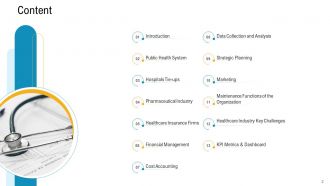
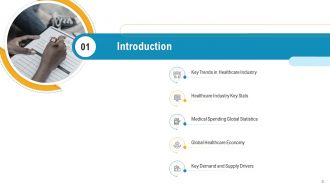
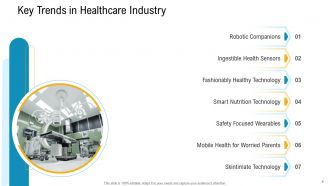
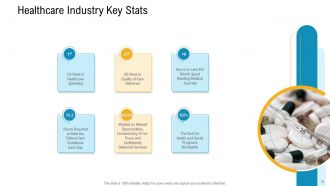
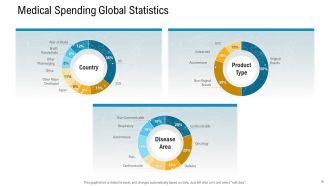
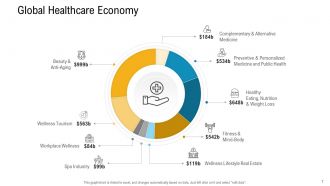
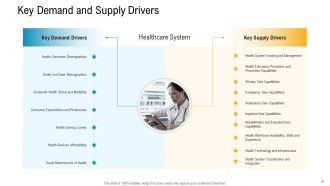
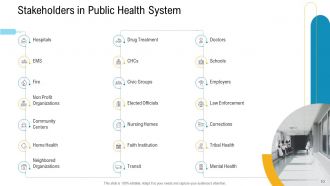
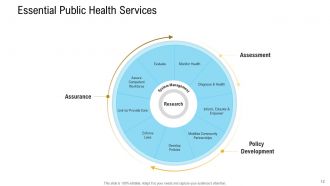
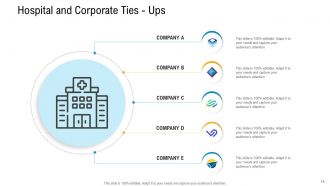
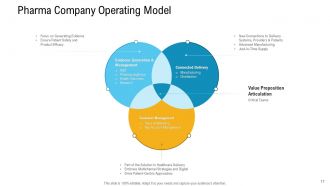
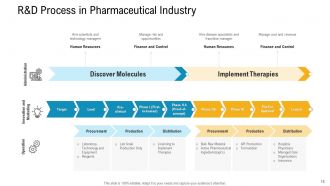
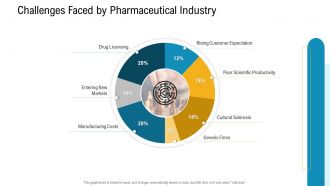
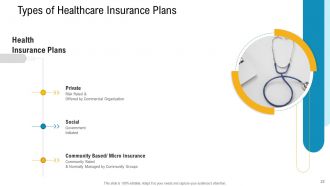
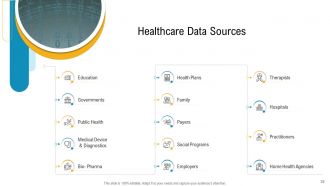
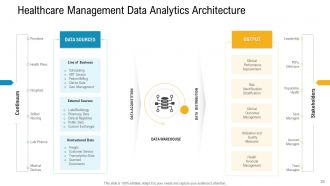
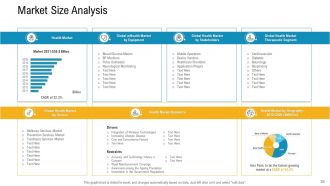
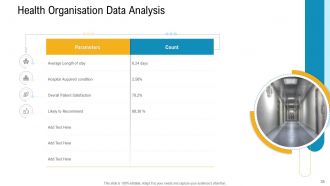
Depict critical trends in the healthcare industry by using E Healthcare Management PowerPoint Presentation Slides. Depict the essential statistics of the healthcare industry with the help of health management PowerPoint visuals. Provide information regarding the global healthcare economy, key demand and supply drivers, and public health system using these attention-grabbing PPT templates. Highlight stakeholders in the public health system with the help of e-medical revenue cycle PPT themes. Showcase the essential public health services such as assurance, assessment, and policy development using these ready-to-use PPT infographics. Information regarding hospitals and corporate tie-ups can also be presented in this readily available PPT theme. Discuss pharma company operating model and R&D process with the use of online healthcare management PPT templates. Also, demonstrate challenges faced by the pharmaceutical industry using this PPT slide deck. You can also present the types of healthcare insurance plans by incorporating our readymade PPT presentation.
People who downloaded this PowerPoint presentation also viewed the following :
E healthcare management powerpoint presentation slides with all 64 slides:
Use our E Healthcare Management Powerpoint Presentation Slides to effectively help you save your valuable time. They are readymade to fit into any presentation structure.
FAQs for E healthcare management
You'll need EHRs, patient portals, telemedicine stuff, and analytics tools. Security's huge too - plus appointment scheduling and billing that actually talks to everything else. Most places I know totally mess up the interoperability part though. All your systems need to share data without someone manually entering it twice (such a waste of time). Mobile access is pretty much mandatory now since everyone manages everything on their phone. Here's what I'd do: map out your current workflow first, then figure out which tech would fix your biggest headaches.
Honestly, telemedicine is a game changer for patient engagement. Your patients can just hop on from home instead of dealing with traffic and waiting rooms. Way more convenient. A lot of them actually open up more about sensitive stuff when they're in their own space - I guess the clinical environment can be intimidating? Plus you get those messaging features that keep you connected between actual visits, which is pretty cool for building relationships. Start small though - maybe just do video calls for routine follow-ups first and see how it goes with your patient base.
Look, healthcare data is like catnip for hackers - they'll go after patient records every single time. Multi-factor authentication is your best friend here. Also encrypt everything, and I mean everything - data sitting around AND data moving between systems. Your staff needs regular cybersecurity training because honestly, humans are usually the weak link. Do security audits frequently too. Oh, and start with a risk assessment of what you've got now. Figure out your biggest holes first before you try fixing everything at once. One breach can cost you millions in fines, plus nobody's gonna trust you afterward.
So AI basically helps with predictive stuff and diagnostics - it's crunching patient data constantly to spot things you might miss. Pretty crazy how fast it processes everything, honestly. Start small though, maybe with basic risk checks or drug interactions. The system can flag complications early and suggest treatments based on similar cases. Don't let it replace your judgment - that's still on you. Once your team gets used to it (and stops being weird about robots doing medicine lol), then you can expand to the more complex decision support features. Baby steps work best.
Honestly, the money thing hits first - software, hardware, training staff, it all adds up fast. Your team's gonna hate it initially because nobody likes learning new systems when the old ones work fine. Security's a nightmare too since patient data is like catnip for hackers. Oh, and don't get me started on all the compliance hoops you'll jump through. My advice? Start with a small pilot program. Get your staff involved in picking the system so they don't feel like you're just dumping change on them. Makes a huge difference when they have some say in it.
Oh man, interoperability standards are huge for healthcare IT - basically they let different systems actually communicate instead of being stuck in their own little worlds. HL7, FHIR, DICOM... I know they sound boring but they're what make the magic happen. Like when your doctor pulls up test results from three different places instantly? That's these standards working. Without them you get this mess where patient data is trapped everywhere and nobody can access what they need. Trust me, pick systems that already support the major standards or you'll be paying through the nose for custom integrations later. Worth the upfront research.
Focus on the stuff that actually matters first - patient satisfaction, readmission rates, medication compliance. Those show if you're helping people or just burning money. Track user adoption too because the fanciest system is useless if doctors won't touch it. Time-to-diagnosis and cost per patient are solid operational wins. Oh, and definitely monitor uptime/response times - I've seen promising tools tank because they were slow as hell. Honestly, executives love flashy numbers but start small. Pick 3-4 key metrics instead of tracking everything under the sun.
Honestly, these systems are lifesavers for cutting through all that admin BS. They'll automate your appointment booking, patient registration, billing - basically everything that usually eats up your staff's time. Real-time updates across departments are huge too, especially for prescriptions and patient records. The reporting feature automatically tracks your metrics (which used to be such a pain to pull together manually). Start with appointment scheduling though - that's where you'll notice the biggest difference right away. Your team can actually focus on patients instead of being buried in paperwork all day.
So basically these platforms dig into all your patient data - medical history, lifestyle stuff, even genetics and whatever their fitness trackers are picking up. The AI catches patterns you'd totally miss otherwise and spits out personalized treatment ideas. Pretty cool how it learns from how patients respond to different treatments too. You can actually set up care plans that automatically adjust based on what's working for each person. My advice? Figure out which data points actually matter for your cases first - don't get overwhelmed by all the bells and whistles. Then just configure the personalization features around those key metrics.
Privacy and consent are huge - patient data is crazy sensitive so you need bulletproof security plus clear processes for how info gets used. Digital divide's another headache since not everyone has decent phones or internet access, which basically locks people out of care. AI bias can be nasty too if your systems help with diagnoses. Honestly, transparency about data use helps a lot. Make sure your platforms work for everyone, not just tech-savvy people. Oh, and audit those algorithms regularly - bias creeps in fast.
Honestly, these health apps are pretty brilliant for chronic conditions. Your patients can track symptoms and meds right from their phone instead of trying to remember everything at appointments (which let's be real, nobody does well). Real-time monitoring beats those vague "how've you been?" check-ins by miles. The apps send medication reminders and educational stuff, plus they'll ping you if something looks off. All that continuous data helps you tweak treatment plans way more effectively. Oh, and definitely go for ones that sync with your EHR - makes life so much easier.
Honestly, AI diagnostics are about to be everywhere - like, actual predictive stuff, not just buzzwords. Remote monitoring is blowing up too. Telehealth's sticking around but getting way more specialized beyond basic video calls. Your Apple Watch data? Soon it'll sync straight into medical records, which is kinda wild if you think about it. Blockchain for health data is actually happening now instead of just being talked about. The whole industry's shifting toward preventing problems instead of just fixing them after. My advice? Start messing around with AI tools at work now so you're not scrambling later.
So remote monitoring is pretty game-changing - patients track their vitals and symptoms at home, and you get alerts in real time. You'll catch stuff early, like blood pressure going crazy or weird heart rhythms, before it turns into a full emergency. Honestly, it's a lifesaver for preventing readmissions with chronic patients. The engagement piece is huge too - people actually care more when they see their numbers daily. I'd start with your riskiest patients first, the ones who'd normally need constant check-ins anyway.
Honestly, I'd start by asking your team what they're actually struggling with - don't just guess. Focus training on the stuff they use every day like your EMR or patient portals. Short 10-15 minute sessions work way better than long boring workshops (nobody has time for that anyway). Find your tech-savvy people and make them "digital champions" who can help when someone gets stuck. Peer mentoring is huge - sometimes people learn better from Karen down the hall than from some formal trainer. Keep it super practical and low-key so people don't feel intimidated.
So e-healthcare is actually pretty solid for tackling health disparities. Telemedicine and mobile apps help reach people who can't easily get to clinics - no more worrying about transportation or living in the middle of nowhere. The analytics part is really where it gets interesting though, you can spot care gaps and see which groups aren't getting proper treatment. Digital platforms also let you do multilingual stuff and customize health info for different cultures. Obviously it's not perfect - tons of people still don't have decent internet, which is honestly ridiculous in 2024. I'd suggest looking at your current digital tools first to see who might be getting excluded.
-
Professional and unique presentations.
-
Perfect template with attractive color combination.
-
Qualitative and comprehensive slides.
-
Illustrative design with editable content. Exceptional value for money. Highly pleased with the product.
-
Editable templates with innovative design and color combination.
-
Graphics are very appealing to eyes.
-
It saves your time and decrease your efforts in half.