


Improved Sales Performance Powerpoint Presentation Slides




Try Before you Buy Download Free Sample Product
 Impress Your
 Audience
 100%
100% Editable
 Save Hours
 of Time


Create a call to action approach and get a head start by using SlideTeam's, improved sales performance PowerPoint presentation slides. These staggering PPT designs are here to help you with clarifying the mission, selling to customer’s needs, breaking the mission into sub-goals and maximizing the time for improving sales growth rate. We have conceptualized, financial highlights, product offering, complete services, team display, sales team compensation plan, upcoming projects, actual versus targets sales comparison graphs, sales promotion tools like coupons, sampling, rebates/refunds, sweepstakes, contests and games, price reductions, specialties and premium. Moreover, sales promotion dashboard can be represented through graphics comparisons and major obstacle can be shown through roadmap slides. Also, you can do product comparison, through area chart, radar charts, and column charts to get closer to the target. The text area shown in each stage can be easily personalized. This PPT slide is committed to working for your best encounter. Just click on the download button and proceed with the journey. Express affection with our Improved Sales Performance Powerpoint Presentation Slides. They help display your emotions.
People who downloaded this PowerPoint presentation also viewed the following :
Content of this Powerpoint Presentation
Slide 1: This slide introduces Improved Sales Performance. State Your Company Name and begin
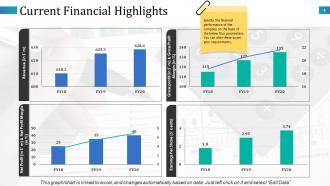
Slide 2: This slide shows Current Financial Highlights. Specify the financial performance of the company on the basis of the below four parameters. You can alter these as per your requirements.
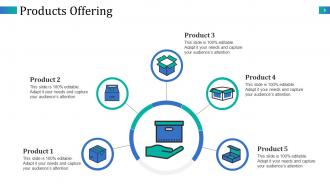
Slide 3: This slide presents Products Offering. specify the product features and use it.
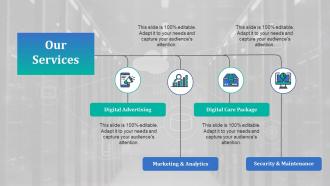
Slide 4: This slide showcases Our Services with these four of the factors- Digital Advertising, Marketing & Analytics, Digital Care Package, Security & Maintenance.
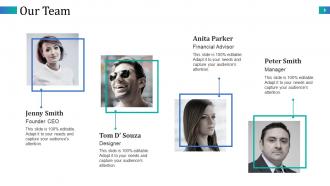
Slide 5: This slide presents Our Team. You can add the name and designation and use it accordingly.
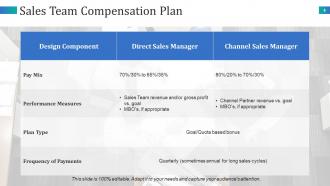
Slide 6: This slide showcases Sales Team Compensation Plan. You can add the data as you want.
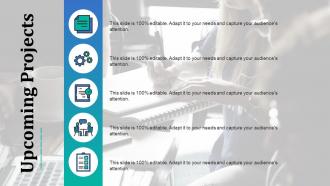
Slide 7: This slide presents Upcoming Projects with these of the five parameters.
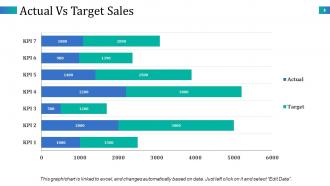
Slide 8: This slide presents Actual Vs Target Sales with these of the data chart you can use.
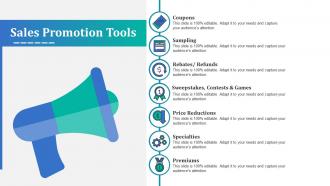
Slide 9: This slide showcases Sales Promotion Tools with these seven factors- Coupons, Rebates/ Refunds Sampling, Sweepstakes, Contests & Games, Price Reductions, Specialties, Premiums.
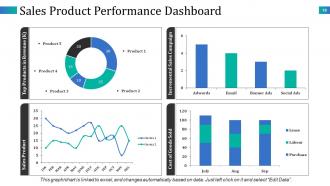
Slide 10: This slide presents Sales Product Performance Dashboard with these of the common factors. Top Products in Revenue (K), Incremental Sales Campaign, Sales Product, Cost of Goods Sold.
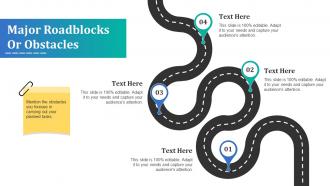
Slide 11: This slide presents Major Roadblocks Or Obstacles. Mention the obstacles you foresee in carrying out your planned tasks.
Slide 12: This slide showcases Improved Sales Performance Icon Slide.
Slide 13: This slide shows Coffee Break image.
Slide 14: This slide displays the title Charts & Graphs.
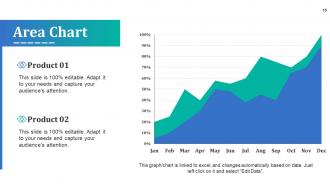
Slide 15: This is an Area Chart slide for product/entity comparison.
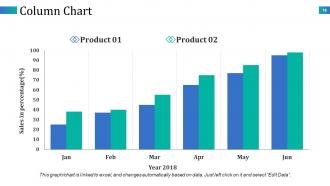
Slide 16: This is a Column Chart slide for product/entity comparison.
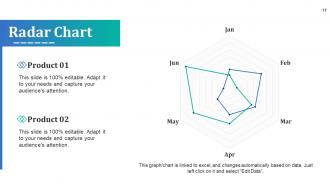
Slide 17: This slide presents Radar Chart with these two products.
Slide 18: This slide is titled Additional Slides to move forward.
Slide 19: This slide represents Our Mission. State your mission, goals etc.
Slide 20: This slide helps show- About Our Company. The sub headings include- Creative Design, Customer Care, Expand Company .
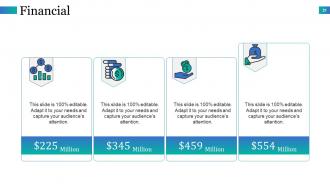
Slide 21: This slide is titled as Financials. Show finance related stuff here.
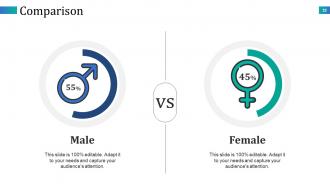
Slide 22: This slide shows Comparison of number of users and Time.
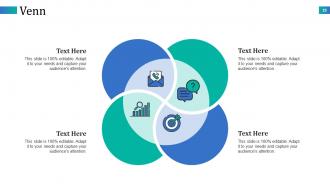
Slide 23: This slide displays a Venn diagram image.
Slide 24: This slide displays a Bulb or idea image.
Slide 25: This is a Thank You image slide with Address, Email and Contact number.
Improved Sales Performance Powerpoint Presentation Slides with all 25 slides:
Our Improved Sales Performance Powerpoint Presentation Slides help convey huge amounts of data. It caters for an insatiable hunger for information.



FAQs for Improved Sales Performance
Track both the activity stuff (calls made, emails sent) and the actual results (deals closed, revenue). Conversion rates at each funnel stage are clutch. Also watch your average deal size, sales cycle length, and - this might sound boring but trust me - lead response time. So many teams sleep on that one and it actually makes a huge difference. Pipeline velocity and quota attainment help you catch trends before they bite you. I'd probably start with like 5-6 metrics that fit your process and check them weekly. Don't go overboard though.
Look, pulling your conversion data from last quarter will probably surprise you - there's always weird patterns hiding in there. Analytics shows you which leads actually convert and what activities move the needle. Track customer behavior to see what kills deals vs what closes them fast. Honestly, timing your outreach right makes a huge difference. I know teams who bumped their close rates 20-30% just by spotting which prospects were hottest and focusing there first. Start with identifying your most common objections too - that's usually low-hanging fruit.
Dude, sales training is absolutely worth it - I've watched teams completely flip their numbers after getting proper coaching. Your reps need to know how to handle objections and actually connect with people, not just recite product specs. Don't do the one-time workshop thing though, that's pretty useless. Figure out where your team's struggling most - maybe it's prospecting, maybe negotiation - and focus there first. Oh and keep it rolling, like monthly sessions or whatever works. The relationship-building stuff is honestly what separates good reps from great ones.
Look, you gotta know what your competition is doing if you want to win deals. Track 3-5 key players and see what they're charging, how they pitch, where they're crushing it. Market analysis shows you trends and what customers actually care about - sometimes it feels like cheating honestly. Both help you spot gaps in your approach and figure out better ways to stand out. You can adjust pricing, sharpen your messaging, target the right people. I'd check on competitors quarterly, maybe monthly if things move fast in your space. It's basically your roadmap for not getting blindsided.
Honestly, most people mess up by not following up - like, we get swamped and totally forget to call prospects back. Another huge mistake? Chasing every single lead instead of figuring out who's actually worth your time. Oh, and this one drives me crazy - salespeople who won't shut up long enough to hear what the customer needs. Here's what actually works: grab a simple CRM to remind you about follow-ups, make a quick checklist to qualify leads before you waste hours on them, and try that 80/20 thing where you listen way more than you talk. Pick one and start there.
Dude, get a CRM - it'll change everything. I can actually see what's happening in my pipeline now instead of juggling random spreadsheets. Way less time doing boring data entry means more time closing deals. The analytics are clutch too - you start noticing which leads actually convert vs the ones that waste your time. Honestly, I'm kind of addicted to checking my dashboard now lol. Just make sure your whole team uses it religiously or the data gets messy. Don't overcomplicate it at first though - track the basics and build from there.
Honestly, recognition is huge - way more than most managers realize. People need to know what they're actually aiming for, plus fair pay obviously. But here's the thing: skip those awful quarterly reviews and just give feedback regularly instead. I've watched entire teams flip around when their boss started shouting out small wins in meetings and let people handle their accounts however they wanted. Growth opportunities matter too. Oh, and toxic dynamics? That'll destroy everything faster than you can blink. Just focus on trust, clear out the stupid roadblocks that make their jobs unnecessarily hard, and you're golden.
Look, clear goals totally change everything for teams. Instead of saying "sell more," try something like "close 15 new accounts this quarter" - way more specific. Your salespeople can actually track that stuff and stay pumped about hitting it. Honestly, the competitive element is huge too. People love beating their coworkers (in a good way lol). Just don't make goals impossible - shoot for maybe 15-20% above what they're doing now. Break big targets into smaller chunks so it doesn't feel overwhelming. Check your current numbers first, then set quarterly goals that'll push them without crushing their souls.
Honestly, regular feedback is a game-changer for sales teams. It helps you spot weak areas before they tank your numbers. Monthly one-on-ones work way better than those dreaded annual reviews - your reps won't feel like they're stumbling around in the dark. I'd focus on actual behaviors and results, not personality stuff that just makes people defensive. The trick is making it collaborative instead of just dumping criticism on them. You'll catch small problems early and keep your top performers engaged. Nobody wants to wait six months to find out they've been screwing something up, you know?
Look, knowing your customers is basically everything. You can actually predict what they want instead of just throwing stuff at the wall. Ask good discovery questions and - this part's key - really listen to what they tell you. Their buying patterns, what bugs them, all that stuff gives you serious intel. I swear it's almost like cheating sometimes because you'll catch buying signals way earlier and handle objections before they even bring them up. The whole thing just flows better when you're not guessing. Plus people can tell when you actually get them vs. when you're just trying to make a sale.
Start with your CRM data and map accounts by revenue potential, not just location. Each rep needs a mix - some big opportunities plus easier wins they can actually close. Most territory issues? Nobody's updated assignments in forever. Look for underperforming areas and figure out why they're struggling. Clear boundaries prevent reps from stepping on each other's toes (trust me, that drama gets messy). Audit what you have now first - bet you'll spot some glaring imbalances right away. Then review quarterly so things don't get stale again.
Honestly, when sales and marketing actually talk to each other, everything just clicks better. Your conversion rates go up because marketing finally understands what objections sales deals with every day. So they can create content that actually helps close deals instead of just looking pretty. Sales feeds back real customer data, marketing targets smarter - it's not rocket science but somehow most companies still mess this up. You need shared goals though, not separate ones pulling in different directions. Regular check-ins help too. Both teams should be obsessing over the same revenue numbers instead of their own little silos.
Honestly, stick with your current customers - way cheaper than chasing new ones right now. Build those relationships harder and figure out what they actually need instead of what you think they need. Don't panic and start slashing prices like everyone else does (I see this mistake constantly). Show them the real value instead - how you'll save them money or make things run smoother. Get weird with your outreach too. Maybe go after smaller deals or hit up different people who are still buying stuff. Stay tight with your existing base though, that's your lifeline. Be ready to pivot when things get messy.
So here's the thing - sales cycles are totally different depending on your industry. Tech and pharma? You're looking at longer waits but way bigger payouts. Retail moves fast with smaller deals. Healthcare and financial services are a nightmare with all the compliance stuff (seriously, so much red tape). Manufacturing's all about those quarterly B2B patterns. Don't just steal strategies from other industries though. You've got to actually study how your customers buy, how long they take to decide, what regulations you're dealing with. Then build your whole approach around that instead of using some cookie-cutter benchmarks that probably don't even apply to you.
Honestly, culture is everything for sales teams. Good culture means your reps actually share tips with each other and bounce back from rejections quicker. Bad culture? That's when people start competing against their own teammates instead of focusing on actual prospects - which is just stupid. Trust levels and communication flow directly from your team's vibe. Teams that don't punish failures see way more innovation. People try new stuff when they're not scared of getting roasted for it. Just watch how your team talks during meetings and you'll figure out what's really going on.
-
Unique and attractive product design.
-
Helpful product design for delivering presentation.